
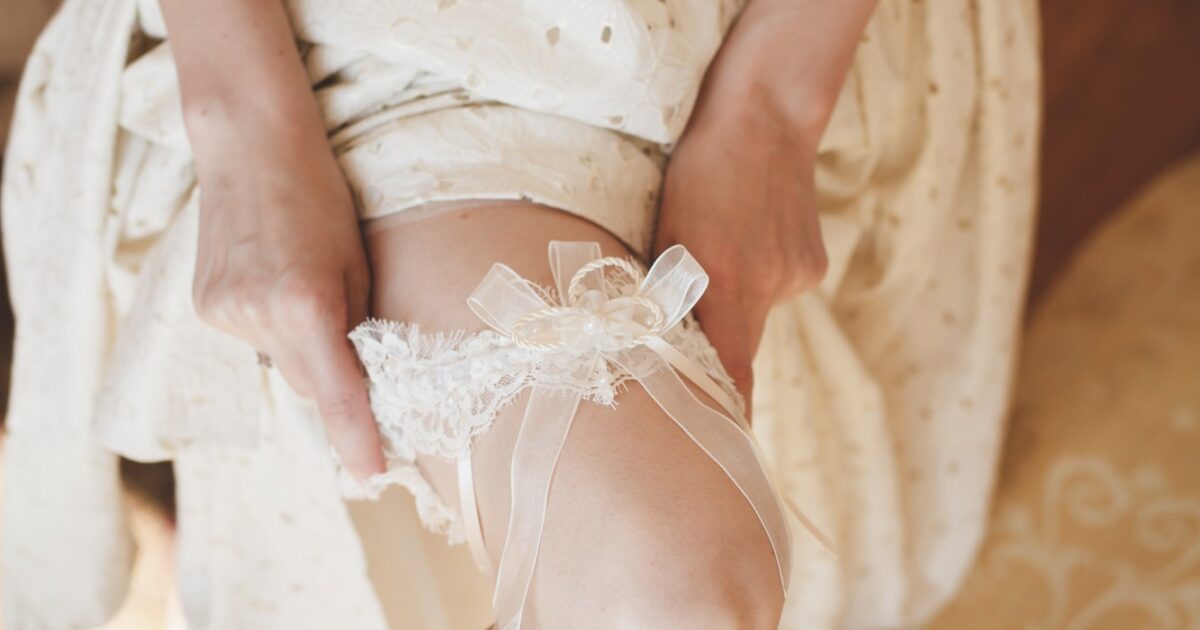
The enigmatic garter, a seemingly small piece of lace and fabric, carries a surprising depth of history and symbolism, making the true meaning of the garter a fascinating journey through time and tradition. For many, it’s simply a whimsical accessory donned by a bride on her wedding day, destined for a playful toss. Yet, its origins dig far deeper, entwined with ancient beliefs, matrimonial customs, and evolving societal norms surrounding love, luck, and fertility. Understanding this tradition requires us to peel back layers of centuries-old practices that shaped its significance.
Last updated: April 26, 2026
Latest Update (April 2026)
As of April 2026, the enduring tradition of the Garter continues to evolve, with recent attention drawn to the prestigious Order of the Garter. King Charles III named three new members to this ancient chivalric order on April 25, 2026, as reported by Meyka. This highlights a different, albeit related, historical context for the term ‘garter’ – one of noble recognition and royal tradition, distinct from the bridal accessory. Town & Country Magazine also provided insights into who currently holds a place within this esteemed order in April 2026, underscoring the garter’s multifaceted symbolism across different spheres of life, from royal courts to wedding celebrations.
From Functional Undergarment to Symbol of Fortune
Historically, the garter was not exclusively a bridal adornment but a common item of clothing worn by both men and women to hold up stockings. Its transformation into a symbol of marital bliss began to take root during the medieval period. Back then, wedding guests believed that possessing a piece of the bride’s attire would bring them good fortune. Superstition ran high, and a bride’s clothing, particularly anything close to her person, was thought to be imbued with luck, especially for those hoping to marry soon themselves. This belief often led to rather chaotic scenes, with guests literally tearing at the bride’s dress as she left the ceremony, hoping to snag a piece of fabric.
The Garter Toss: Protecting the Bride and Her Gown
Consequently, to protect the bride and her gown from this zealous well-wishing, a new custom emerged. Rather than enduring the potential ruin of her dress, brides would intentionally toss certain items to the eagerly awaiting crowd. The garter, being an intimate garment worn near the leg, became a prime candidate for this ritual. It was easily accessible and served as a tangible link to the bride, making its removal and toss a less destructive alternative to dismembering her wedding dress. Indeed, this shift marked a significant evolution in the meaning of the garter, moving from a functional item to a ceremonial one.
Early Meanings: Consummation and Fertility
Beyond mere good luck, the original meaning of the garter also held connotations of consummation and fertility. In earlier times, especially during the Renaissance, guests would accompany the newlyweds to their bedchamber to ensure the marriage was physically sealed. The removal of the garter during this process served as a public, albeit symbolic, declaration of the marriage’s consummation. It was a visible sign that the couple had truly become one, and the garter itself was sometimes kept as proof or, more commonly, tossed to signify the successful beginning of the couple’s fertile union. This overtly intimate association gradually softened over time, becoming more suggestive and less literal as societal sensibilities shifted.
The Modern Garter Toss Tradition
Eventually, the boisterous scramble for a piece of the bride’s attire transformed into the more organized and jovial garter toss tradition we recognize today. The groom, rather than a mob of guests, became the one to remove the garter from his bride’s leg, often in a playful or teasing manner. He then tossed it over his shoulder to a group of single men, mirroring the bride’s bouquet toss to single women. The man who catches the garter is said to be the next to marry, or sometimes, he places it on the leg of the woman who caught the bouquet, further intertwining their fates in jest. This modern iteration emphasizes celebration, humor, and the continuation of good luck for friends and family.
Personal Touches and Enduring Symbolism
In recent years, the tradition has seen further personalization. Many brides now opt for two garters: a decorative “tossing garter” for the ritual and a more ornate “keepsake garter” that remains with them as a cherished memento of their special day. This practice allows brides to participate in the age-old tradition while still retaining a personal token of their wedding. The meaning of the garter in this context becomes a blend of shared tradition and personal sentimentality. The incorporation of “something blue” is also a popular choice, tying the garter to purity, love, and fidelity. As of April 2026, custom garter designs incorporating unique embellishments, family heirlooms, or even subtle nods to the couple’s shared hobbies are trending, as reported by various bridal fashion blogs.
The Garter’s Evolving Meaning in 2026
As of 2026, the garter continues to be a cherished wedding custom, blending historical roots with contemporary celebrations. While the overt symbolism of consummation has long since faded, the garter endures as a powerful symbol of luck, love, and the joyful journey into married life. It offers a moment of levity and continuity on a day filled with profound significance, continuously adapting its message for each new generation of happy couples. Recent trends show an increasing appreciation for vintage-inspired garters and personalized designs that reflect the couple’s unique story. For example, custom embroidery featuring the wedding date or initials is a popular choice, adding a deeply personal touch. According to bridal industry analyses in early 2026, the market for bespoke wedding accessories, including garters, has seen a steady increase, with couples prioritizing unique elements that tell their personal story.
The Order of the Garter: A Royal Distinction
It is important to distinguish the bridal garter tradition from the United Kingdom’s most senior order of chivalry, the Order of the Garter. As recently highlighted by Town & Country Magazine and Meyka in April 2026, this ancient order, founded by King Edward III in 1348, bestows a high honor upon individuals who have provided outstanding public service. Membership is limited to the Sovereign, the Prince of Wales, and a maximum of 24 companions. King Charles III, as the Sovereign, recently appointed three new members, a significant event that draws attention to this prestigious group. The insignia of the Order of the Garter includes a dark blue ribbon, or garter, worn below the knee by men and on the left arm by women, featuring the motto ‘Honi soit qui mal y pense’ (‘Shame on him who thinks evil of it’). This royal garter symbolizes honor, integrity, and a commitment to service, representing a completely different facet of the garter’s historical and symbolic weight compared to its bridal counterpart.
Frequently Asked Questions
What is the traditional meaning of the garter toss?
Traditionally, the garter toss symbolized good luck and was believed to be a way for single guests to gain a piece of the bride’s luck, potentially leading to their own marriage. It also historically represented the consummation of the marriage, a more explicit meaning in earlier centuries.
Who traditionally catches the garter?
The groom tosses the garter over his shoulder to the single men present. The man who catches it is traditionally considered the next to be married, continuing the cycle of good fortune associated with the garter.
Are there modern variations to the garter tradition?
Yes, many modern brides use two garters: one for the toss and a separate, more decorative one as a keepsake. Personalization is also common, with brides often incorporating “something blue,” monograms, or special embellishments into their garter designs.
When did the garter tradition originate?
The tradition of the garter has roots dating back to medieval times, evolving from a practical garment for holding up stockings to a symbolic item associated with luck and marital consummation. The garter toss as a specific ritual gained prominence in later centuries.
What is the significance of the Order of the Garter in 2026?
In 2026, the Order of the Garter remains the highest honor of chivalry in the United Kingdom, recognizing individuals for exceptional service. Recent appointments by King Charles III, as reported by sources like Meyka and Town & Country Magazine, underscore its continued importance as a symbol of royal patronage and national distinction.
Conclusion
The garter, whether a delicate bridal accessory or a symbol of royal honor, carries a rich tapestry of meaning woven through centuries of history, tradition, and evolving social customs. From its humble beginnings as a functional piece of attire to its current role in playful wedding rituals and its elevated status within the esteemed Order of the Garter, this accessory offers a fascinating glimpse into human customs surrounding love, luck, fertility, and honor. As of April 2026, the bridal garter tradition continues to be adapted and personalized, ensuring its enduring appeal for new generations, while the Order of the Garter stands as a testament to historical continuity and distinguished service.
Sabrina
2 writes for OrevateAi with a focus on agriculture, ai ethics, ai news, ai tools, apparel & fashion. Articles are reviewed before publication for accuracy.


