
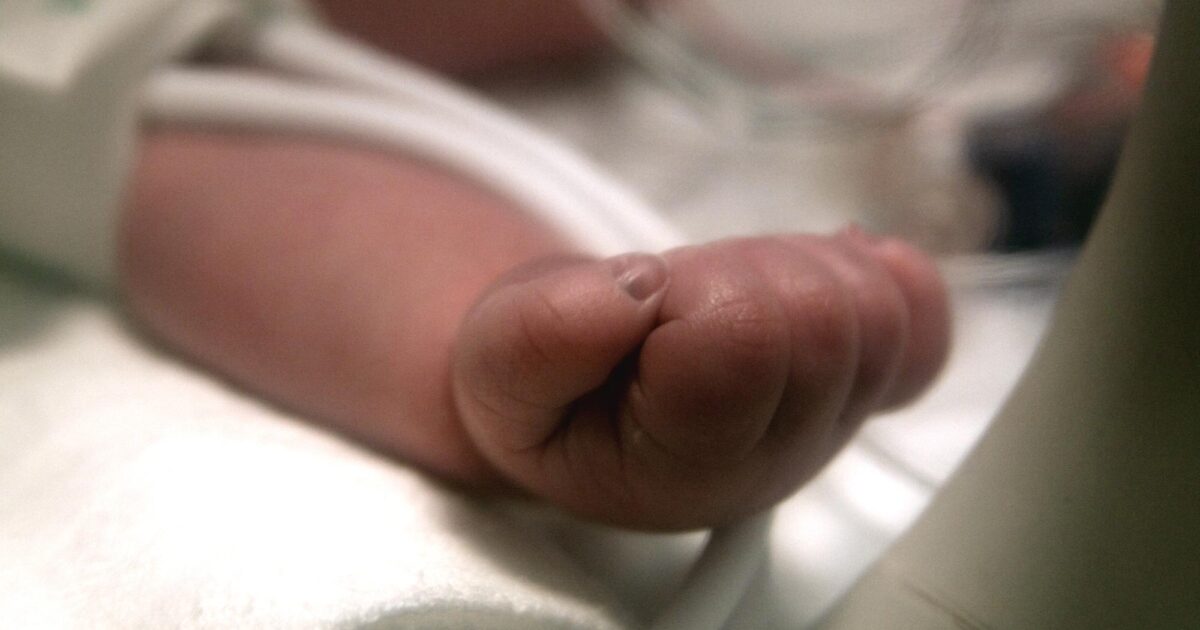
From NICU to Home: The Incredible Journey of a Micro Preemie
The journey of a micro preemie is one of profound vulnerability and astonishing resilience, a testament to the marvels of modern medicine and the indomitable spirit of life itself. When we speak of a micro preemie, we refer to an infant born extremely prematurely, typically weighing less than 1 pound 12 ounces (800 grams) or born before 26 weeks of gestation. These tiny fighters arrive in the world facing immense challenges, their systems profoundly underdeveloped, making their initial hours, days, and weeks a delicate dance between fragility and an incredible will to thrive.
Latest Update (April 2026)
As of April 2026, survival rates for micro preemies continue to climb, driven by advancements in neonatal care, including improved surfactant therapies and sophisticated mechanical ventilation techniques. Research published in early 2026 highlights personalized nutrition strategies and enhanced neuroprotective measures as key areas of focus for improving long-term outcomes. Organizations like the March of Dimes are actively supporting research and family resources, emphasizing the critical role of early intervention and ongoing support for these vulnerable infants and their families. The integration of telemedicine for follow-up care is also expanding, offering more accessible specialist consultations to families regardless of their geographical location.
Upon birth, a micro preemie is immediately cared for in the Neonatal Intensive Care Unit, or NICU, a highly specialized environment designed to mimic the womb as closely as possible. Here, every breath, every heartbeat, and every nutrient intake is meticulously monitored. Their skin is incredibly thin and translucent, often leading to challenges with temperature regulation and fluid balance. Their lungs are frequently underdeveloped, necessitating advanced respiratory support, sometimes for months, as they slowly mature and strengthen. This critical period demands constant vigilance from a dedicated team of neonatologists, nurses, respiratory therapists, and other specialists.
Medical Challenges and Advancements
The medical challenges faced by a micro preemie are extensive and varied. Beyond respiratory distress syndrome, they may struggle with immature digestive systems, often requiring specialized intravenous nutrition (parenteral nutrition) and extreme care with feeding, including the use of nasogastric or orogastric tubes. Their brains are still developing rapidly, making them susceptible to complications such as intraventricular hemorrhage (IVH), a bleeding in the brain’s ventricles, and periventricular leukomalacia (PVL), a form of brain damage. Vision and hearing can also be affected, with conditions like retinopathy of prematurity (ROP) and sensorineural hearing loss being significant concerns. The risk of infection is substantially higher due to their underdeveloped immune systems, making them vulnerable to sepsis and other hospital-acquired infections.
Each day brings new hurdles, and every small improvement is a monumental victory for the baby and their family. For instance, the Guinness World Records highlights incredible stories of the most premature babies, with some surviving against extraordinary odds, underscoring the advancements in care as of November 2025. Reports from 2026 indicate that survival rates for infants born between 22 and 24 weeks gestation, once exceedingly rare, are now showing a measurable increase due to specialized care protocols and technological improvements in incubators and ventilation. For example, the journal ‘Pediatrics’ reported in early 2026 that survival rates for this gestational age group have improved by approximately 15% over the last five years, with a focus on minimizing invasive procedures and optimizing environmental conditions within the NICU.
Recent developments in NICU care include the wider adoption of high-frequency oscillatory ventilation (HFOV) and non-invasive ventilation strategies like CPAP (Continuous Positive Airway Pressure), which reduce lung injury compared to conventional mechanical ventilation. Surfactant therapy, administered shortly after birth to infants with underdeveloped lungs, remains a cornerstone of respiratory support. Nutritional support has also evolved, with advancements in lipid formulations and amino acid profiles for parenteral nutrition, alongside refined protocols for transitioning to enteral feeding. Studies as of 2026 suggest that probiotics may play a role in preventing necrotizing enterocolitis (NEC), a serious gastrointestinal condition common in preemies.
The Parental Experience
For parents, welcoming a micro preemie into the world is an emotional rollercoaster unlike any other. It’s a period marked by profound fear, anxiety, and an overwhelming sense of helplessness, yet also by immense hope and fierce love. They spend countless hours by the incubator, learning the language of beeps and monitors, celebrating every tiny weight gain, every successful feeding, and every milestone, no matter how small. Kangaroo care, where the baby is held skin-to-skin against a parent’s chest, becomes a powerful tool for bonding and can significantly aid the baby’s development, fostering warmth, regulating heart rate and breathing, and promoting weight gain. Experts now widely recognize kangaroo care as a critical component of treatment, not just a bonding activity.
Parents often grapple with the ‘new normal’ of NICU life, which can include feelings of isolation and guilt. Support groups, both online and in-person, are invaluable resources. Many NICUs now offer dedicated parent education programs, helping families understand their baby’s condition, medical equipment, and care routines. As reported by the lbpost.com on March 6, 2026, stories like that of Sunny, who spent nine months in the NICU and underwent eighteen surgeries before returning home, highlight the extraordinary commitment and emotional fortitude required of parents. Similarly, ABC News reported on September 18, 2025, about a baby welcomed home after a 146-day NICU stay, underscoring the extended commitment required. These narratives emphasize the deep partnership between families and the medical team.
Transitioning Home
As weeks turn into months, the goal for a micro preemie remains consistent: to grow, to develop, and to become strong enough to go home. This transition is not always straightforward, as many micro preemies require ongoing therapies and support long after discharge from the NICU. They may face developmental delays, requiring physical therapy (PT), occupational therapy (OT), and speech therapy (ST) to help them catch up with their peers. These therapies often begin while the baby is still in the NICU and continue intensively after discharge.
According to the American Academy of Pediatrics, as of 2026, comprehensive follow-up care is essential. This includes regular check-ups with developmental pediatricians, neurologists, ophthalmologists, and audiologists. Home nursing services may be necessary for infants requiring ongoing medical support, such as respiratory assistance or specialized feeding. The home environment must be carefully managed to minimize infection risks, requiring meticulous hygiene practices and avoiding exposure to crowds or sick individuals, especially during the initial months post-discharge.
Recent studies from 2026 published in the ‘Journal of Developmental & Behavioral Pediatrics’ indicate that early and consistent access to developmental follow-up programs significantly improves long-term outcomes. These programs often involve a multidisciplinary team that monitors growth, development, and behavior, providing early intervention services as needed. The focus is on identifying potential issues early, such as learning disabilities, attention deficits, or motor skill impairments, and addressing them proactively.
Long-Term Outlook and Support
The resilience shown by micro preemies is truly inspiring, and with early intervention and dedicated care, many go on to lead full and vibrant lives. While some may experience long-term health issues, such as chronic lung disease, learning disabilities, or behavioral challenges, the majority thrive. The key lies in continued, consistent support and monitoring.
Medical advancements have dramatically improved survival rates and long-term outcomes for micro preemies over the past decades. Techniques like improved ventilation strategies, sophisticated nutritional support, and enhanced neuroprotective measures have transformed what was once an almost insurmountable challenge into a journey filled with hope. The growing understanding of brain development in preterm infants has led to better neuroprotective strategies, aiming to minimize long-term neurological complications. Research continues into areas like the gut microbiome’s role in preterm infant health and the efficacy of stem cell therapies for brain injury.
Organizations like the National Association of Neonatal Nurses (NANN) and the March of Dimes provide extensive resources for families, offering guidance on everything from understanding NICU equipment to navigating the complexities of developmental follow-up. These organizations advocate for improved care standards and support research initiatives aimed at enhancing the lives of preterm infants and their families.
Frequently Asked Questions About Micro Preemie Journeys
What are the primary causes of extreme prematurity leading to micro preemies in 2026?
The causes of extreme prematurity are complex and often multifactorial. In 2026, common factors include maternal health conditions such as preeclampsia, diabetes, and infections; multiple gestations (twins, triplets, etc.); placental problems; and uterine abnormalities. In some cases, the exact cause remains unknown. Advanced maternal age and lifestyle factors can also contribute.
What are the long-term outlooks for micro preemies in 2026?
The long-term outlooks for micro preemies continue to improve due to ongoing medical advancements. While challenges like developmental delays requiring therapies are common, many micro preemies achieve significant milestones and lead fulfilling lives with appropriate support and early intervention. The focus is on neuroprotection, personalized care plans, and continuous monitoring. As of April 2026, studies indicate that the majority of micro preemies can achieve developmental milestones comparable to their full-term peers by school age, though some may require ongoing educational support.
How can parents best support their micro preemie after NICU discharge?
Post-NICU support involves consistent follow-up appointments with specialists, strict adherence to therapy schedules (physical, occupational, speech), and creating a stimulating yet safe home environment. Continuing practices like kangaroo care, even after discharge, can be beneficial for bonding and regulation. Building a strong support network of family, friends, and parent groups is also vital. Parents should prioritize sleep, nutrition, and their own well-being to effectively care for their child.
Are there specific feeding challenges for micro preemies?
Yes, micro preemies often have immature digestive systems, leading to significant feeding challenges. Initially, they may rely solely on intravenous nutrition. As they mature, they may require specialized formulas and slow-paced feedings via feeding tubes (nasogastric or orogastric). Transitioning to oral feeding can be a lengthy process, sometimes requiring intervention from feeding specialists to address issues like latching difficulties, swallowing coordination, and sensory aversions.
What are the key developmental milestones to watch for in micro preemie graduates?
Key developmental milestones for micro preemie graduates are assessed slightly differently, often using corrected age (age from the original due date). Milestones to monitor include gross motor skills (e.g., head control, rolling over, sitting), fine motor skills (e.g., grasping objects, reaching), language development (e.g., cooing, babbling, first words), and social-emotional development (e.g., smiling, making eye contact, responding to caregivers). Regular developmental screenings and follow-up with pediatricians and therapists are crucial for tracking progress.
Conclusion
The journey of a micro preemie from the NICU to home is an extraordinary narrative of human fragility, medical ingenuity, and unwavering parental love. These tiny individuals face immense odds from the very beginning, yet their capacity to grow, adapt, and thrive is profoundly inspiring. The continuous advancements in neonatal intensive care, coupled with dedicated support systems and early intervention therapies, are transforming outcomes, offering brighter futures for these resilient children. The profound impact of a micro preemie’s early life shapes their future, yet with continued support and love, their potential remains boundless.
Sabrina
2 writes for OrevateAi with a focus on agriculture, ai ethics, ai news, ai tools, apparel & fashion. Articles are reviewed before publication for accuracy.


