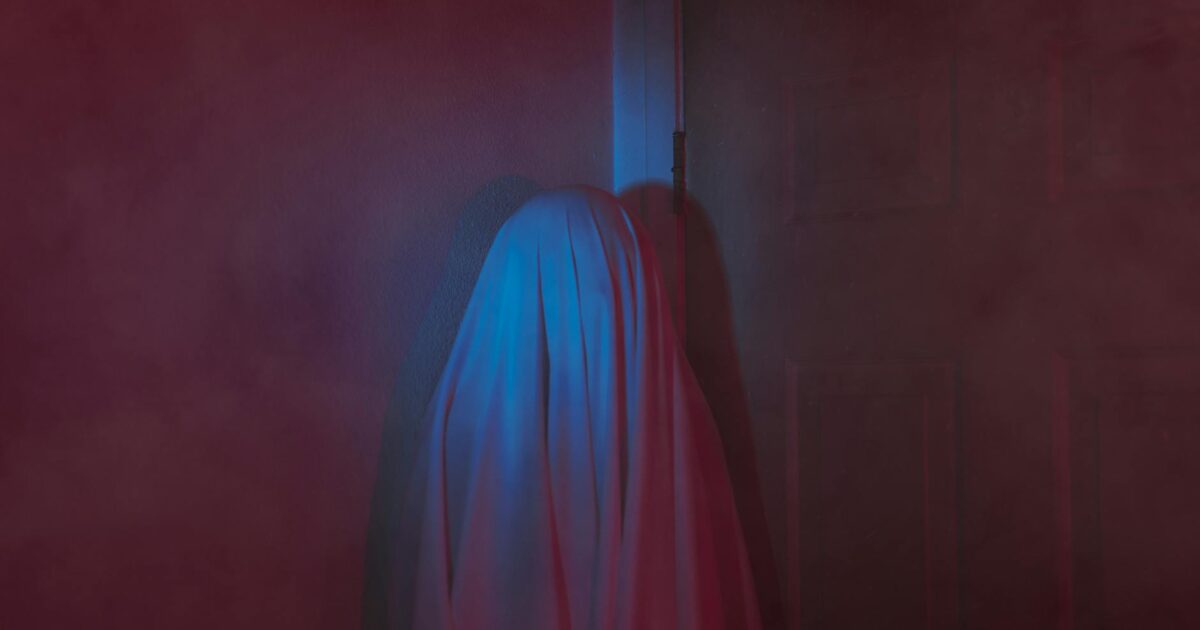
Have you ever felt a chill run down your spine, heard a disembodied whisper, or seen a fleeting shadow out of the corner of your eye? These unsettling experiences often lead us to ponder the existence of spirits, and in many cultures, these lingering entities are known as ‘haints’. But what exactly are haints, and where do these beliefs come from? For centuries, tales of haints have permeated folklore, shaping our understanding of the supernatural and the veil between worlds. Exploring various cultural mythologies reveals haints as a particularly captivating subject, representing more than just simple ghosts.
This article will explore the complex concept of haints, from their origins in folklore and mythology to the specific characteristics attributed to them. We’ll look at how these beliefs manifest in different cultures and how they continue to influence storytelling and our perception of the unexplained.
Latest Update (April 2026): Recent paranormal research and cultural studies continue to analyze the enduring presence of haint lore in modern society. As of April 2026, interest in regional hauntings and the psychological impact of unexplained phenomena remains high, with digital platforms increasingly becoming hubs for sharing personal experiences and folklore. Emerging analyses suggest that while the terminology may evolve, the core human fascination with spirits and the afterlife is a constant.
What Exactly Are Haints?
At its core, a haint is a spirit or ghost, often believed to be the lingering essence of a deceased person. The term itself is deeply rooted in Southern American folklore, particularly in regions with strong African and European spiritual traditions. Unlike a generic ghost, a haint often carries a more specific connotation, sometimes implying a particular type of haunting or a spirit with unfinished business or a strong emotional tether to a place or person. In some traditions, haints are seen as more malevolent or mischievous than benevolent spirits, though this isn’t a universal rule.
The concept of these lingering spirits isn’t confined to one region; similar entities appear in various forms across global mythologies. They are the spectral figures that walk the earth, unseen by most, but felt by those sensitive to the supernatural. They can manifest as apparitions, sounds, unexplained phenomena, or even a distinct feeling of presence. The specific cultural context deeply influences how a haint is perceived and described.
So, what distinguishes a haint from other spirits? It often comes down to the specific cultural narratives and the perceived nature of the haunting. Haints are not just random apparitions; they are often tied to specific stories, locations, or unresolved earthly matters.
Origins and Cultural Significance of Haint Lore
The concept of haints is not new; it’s woven into the fabric of human history and belief systems. The fear and fascination with the afterlife and the spirits of the departed are universal. In the American South, the term ‘haint’ gained prominence through Gullah Geechee culture, a unique African American heritage community with roots in West Central Africa and the broader Kongo Kingdom. Their spiritual traditions often incorporate beliefs in ancestral spirits and the ability of these spirits to interact with the living world.
These beliefs were further shaped by the experiences of enslaved Africans, who brought their spiritual practices with them. Over time, these practices blended with European folklore and Christian beliefs, creating a rich mix of superstitions and ghost stories. The idea of ‘haint blue’ – a specific shade of blue paint used on porches and window frames to ward off evil spirits – is a direct example of this cultural fusion, originating from West African traditions and adapted in the American South.
Beyond the American South, similar entities exist. In Irish folklore, there are ‘banshees,’ whose wails foretell death. In various European traditions, spirits might be tied to specific locations, like a castle or an old battlefield, and are often referred to by local names. The common thread is the belief in a spirit that remains, influencing or interacting with the living world, often with a specific purpose or unresolved issue.
According to the American Folklife Center at the Library of Congress, regional ghost stories and beliefs, including those about haints, are vital to understanding cultural identity and historical narratives. These oral traditions, passed down through generations, often serve to explain local mysteries or reinforce community values and fears.
Types of Haints and Their Manifestations
While the general term ‘haint’ refers to a ghost or spirit, folklore often categorizes these entities based on their behavior, origin, or the nature of their haunting. Understanding these distinctions can offer a deeper appreciation for the nuances of supernatural beliefs.
One common type is the ‘residual haunting,’ where a spirit’s energy is imprinted on a location, replaying events without conscious awareness. These are less interactive and more like a recording. Then there are ‘intelligent hauntings,’ where the spirit appears to be aware of its surroundings and can interact with the living, sometimes purposefully. This is closer to the classic ‘ghost’ or ‘haint’ often depicted in stories.
Another categorization might involve the spirit’s intent. Some haints are believed to be benevolent, perhaps watching over loved ones or places they cared for in life. Others are considered malevolent, seeking to cause fear or harm. There are also ‘elemental spirits’ or ‘nature spirits’ in some traditions, though these are less commonly referred to as haints. The spectral figures most often called haints are those that were human in life and whose spirits have lingered.
Manifestations can vary widely:
- Visual apparitions (full-bodied, shadows, mists)
- Auditory phenomena (voices, whispers, footsteps, knocks)
- Olfactory experiences (unexplained smells like perfume or smoke)
- Tactile sensations (cold spots, touches, being pushed)
- Poltergeist activity (objects moving, doors opening/closing)
Research into paranormal phenomena by organizations like the Rhine Research Center indicates that reported experiences often align with these categories, suggesting a consistent pattern in how people perceive and describe encounters with the unexplained.
Common Haint Beliefs and Superstitions
Throughout history, people have developed numerous beliefs and superstitions surrounding haints, often aimed at either appeasing them, warding them off, or understanding their presence. These practices offer a fascinating glimpse into how societies have grappled with the unknown.
As mentioned earlier, ‘haint blue’ is a well-known superstition. The belief is that painting doors, window frames, and porch ceilings this specific shade of blue confuses spirits, making them think it is the sky or water and thus preventing them from crossing into the home. Reports from architectural historians and folklorists suggest this practice was widespread in the Southern United States from the 19th century onwards.
Other common beliefs include:
- Leaving offerings: In some traditions, small offerings of food or drink might be left out to appease restless spirits.
- Specific times and places: Haints are often associated with certain times of day (like dusk or midnight) or specific locations (crossroads, old houses, cemeteries).
- Unresolved issues: A prevalent belief is that haints linger because of unfinished business, such as unexpressed love, betrayal, or a desire for justice.
- Protection symbols: Besides haint blue, other symbols or objects might be used, depending on cultural context, to create a protective barrier.
The persistence of these beliefs, even in the 21st century, highlights their deep psychological and cultural roots. They provide frameworks for understanding death, grief, and the mysteries of existence.
Haints in Modern Folklore and Popular Culture
The concept of haints continues to thrive in modern folklore and has a significant presence in popular culture. From literature and film to video games and online forums, these spectral figures remain a source of fascination.
In literature, authors have used the trope of the haint to explore themes of memory, trauma, and the lingering effects of the past. Southern Gothic literature, in particular, frequently features haints as integral elements of its atmospheric and often unsettling narratives. These stories, as analyzed by literary critics, often use supernatural elements to reflect societal anxieties and historical burdens.
On screen, haints have appeared in countless horror films and television series. Whether depicted as terrifying specters or tragic figures, their appearances tap into primal fears and enduring questions about what happens after death. Shows focusing on paranormal investigations, which have seen a resurgence in popularity as of April 2026, often dedicate episodes to exploring alleged haint sightings and local legends, further cementing their place in contemporary media.
Online communities dedicated to the paranormal see constant discussions about haint experiences. Platforms like Reddit, YouTube, and specialized paranormal forums allow individuals to share their stories, theories, and even alleged evidence. This digital landscape, according to recent media studies, has democratized the sharing of folklore, allowing local legends to reach global audiences and giving rise to new interpretations and urban legends.
The Psychology and Sociology of Belief in Haints
Why do people believe in haints? The reasons are multifaceted, drawing from psychology, sociology, and anthropology. Belief in spirits and the afterlife is a near-universal human trait, serving various psychological and social functions.
Psychologically, belief can provide comfort in the face of death, offering a sense of continuity and the possibility of reunion with loved ones. It can also serve as an explanation for inexplicable events, reducing anxiety by imposing order on perceived chaos. Cognitive biases, such as confirmation bias (seeking out information that confirms existing beliefs) and pareidolia (perceiving meaningful patterns in random stimuli), likely play a role in interpreting ambiguous experiences as supernatural.
Sociologically, haint lore can reinforce community bonds and cultural identity, particularly in regions like the American South where these stories are deeply embedded. They can serve as cautionary tales, moral exemplars, or a way to process collective trauma and historical injustices. As sociologists note, folklore often reflects the anxieties, values, and social structures of the society that produces it.
The enduring belief in haints, therefore, is not just about ghosts; it’s about human nature, our need for meaning, and our complex relationship with life, death, and the unknown.
Investigating Haint Activity
For those interested in the unexplained, investigating alleged haint activity is a common pursuit. Modern paranormal investigation teams employ a variety of methods and equipment, often grounded in scientific principles and critical thinking, to document and analyze phenomena.
Investigations typically involve:
- Site history research: Understanding the past of a location, including any significant events or previous inhabitants, is crucial.
- Environmental monitoring: Using tools like EMF meters, thermometers, and audio recorders to detect anomalies.
- Interviews: Gathering firsthand accounts from witnesses, paying attention to detail and consistency.
- Video and photography: Documenting any visual phenomena, though skepticism regarding photographic anomalies is common.
- Controlled experiments: In some cases, teams attempt controlled experiments to try and elicit responses, though the ethical and scientific validity of such methods are debated.
Reputable paranormal research organizations, such as the International Ghost Hunters Society, emphasize a skeptical yet open-minded approach. They often collaborate with historians and psychologists to provide a comprehensive understanding of reported experiences. According to independent reviews of paranormal investigation techniques in 2026, the most effective approaches combine technological data collection with careful qualitative analysis of witness testimony and historical context.
Frequently Asked Questions
What is the difference between a ghost and a haint?
While often used interchangeably, ‘haint’ typically refers to a spirit rooted in Southern American folklore, often implying a specific type of haunting or a spirit with strong ties to a place or unresolved issues. A ‘ghost’ is a more general term for a disembodied spirit.
Can haints be dangerous?
Beliefs vary. Some haints are considered benevolent or harmless, while others are thought to be malevolent and capable of causing fear or harm. The perceived danger often depends on the specific folklore and the nature of the spirit’s attachment or unfinished business.
Is ‘haint blue’ effective at repelling spirits?
The effectiveness of ‘haint blue’ is based on folklore and superstition, originating from West African traditions adapted in the American South. While it’s a fascinating cultural practice, there is no scientific evidence to suggest it physically repels spirits. Its power lies in its cultural meaning and the psychological comfort it provides.
Where are haints most commonly reported?
Haints are most strongly associated with the American South due to the term’s origins in regional folklore. However, similar beliefs and reports of lingering spirits exist worldwide, often tied to specific historical locations or tragic events.
Can haints be appeased?
In some traditions, yes. Folklore suggests that haints may linger due to unfinished business or a need for recognition. Appeasing them might involve acknowledging their story, righting a wrong if possible, or performing certain rituals, though these practices are culturally specific and often rooted in spiritual or religious beliefs.
Conclusion
The concept of the haint, deeply embedded in folklore and cultural narratives, offers a compelling window into humanity’s enduring fascination with the afterlife and the unknown. Whether viewed as residual energy, spirits with unfinished business, or benevolent guardians, haints continue to populate our stories and spark our imaginations. As of April 2026, the study and discussion of these phenomena persist, blending historical accounts with modern interpretations and technological investigations. The enduring presence of haint lore underscores our continuous quest to understand the mysteries that lie beyond the veil of our perceived reality.
Sabrina
2 writes for OrevateAi with a focus on agriculture, ai ethics, ai news, ai tools, apparel & fashion. Articles are reviewed before publication for accuracy.