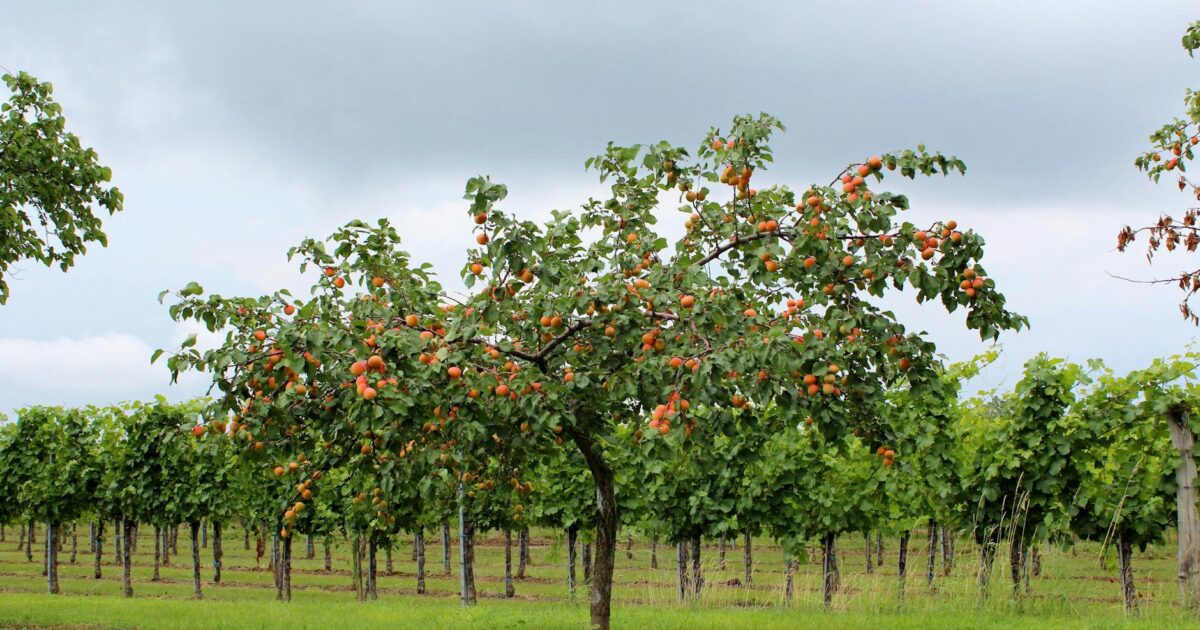
Caquis Fruit: Beyond the Basics in 2026
Last updated: April 26, 2026
The Allure of Caquis Fruit: More Than Just a Pretty Orange
Imagine biting into a fruit that’s both sweet and subtly spicy, with a texture that ranges from firm and crisp to lusciously soft and jelly-like. That’s the caquis fruit for you. Often referred to as persimmon, this vibrant orange gem is gaining traction beyond its traditional growing regions, and for good reason. While many are familiar with its existence, fewer truly understand the depth of its nutritional profile and culinary potential. This article aims to go deeper, offering insights for those who already know a little and want to know more about the fascinating world of Diospyros kaki.
Caquis fruit offers a significant boost of essential nutrients, particularly vitamin A and vitamin C, alongside notable amounts of dietary fiber and potassium, making it a valuable addition to a balanced diet for its potential to support vision, immune function, and digestive health as of 2026.
Latest Update (April 2026)
Recent agricultural reports from early 2026 indicate a steady increase in global caquis cultivation, with new hybrid varieties showing enhanced disease resistance and improved shelf life. These advancements are making caquis more accessible and affordable in markets worldwide. Furthermore, ongoing research continues to explore the potent antioxidant compounds found in caquis, with studies published in 2025 and early 2026 in journals like the ‘Journal of Agricultural and Food Chemistry’ highlighting their potential role in mitigating inflammation and supporting cardiovascular health. Consumer interest in functional foods, driven by a greater awareness of diet’s impact on well-being, has also seen a surge, positioning caquis fruit as a sought-after produce item for health-conscious individuals.
A Deeper Look at Caquis Varieties: Astringent vs. Non-Astringent
The first crucial distinction when discussing caquis fruit is the difference between astringent and non-astringent types. This isn’t just a minor detail; it dictates how and when you can enjoy the fruit. Getting this wrong can lead to a puckeringly unpleasant experience!
Astringent Types: The Patience Game
Astringent varieties, such as the Hachiya persimmon, contain high levels of soluble tannins. These tannins give the unripe fruit a mouth-puckering sensation, similar to biting into an unripe banana. However, when these fruits are fully ripe – to the point of being almost jelly-like and very soft – the tannins break down, transforming into a sublimely sweet and smooth treat. The key here is patience. Attempting to eat an astringent caquis before it reaches peak ripeness is a mistake most people only make once.
Non-Astringent Types: Eat Them Fresh
In contrast, non-astringent varieties, like the Fuyu persimmon, can be eaten while still firm and crisp, much like an apple. Their tannin content is significantly lower, even when unripe, so they don’t cause that unpleasant astringency. This makes them incredibly versatile for cooking and snacking. You can slice them, dice them, and add them to salads or enjoy them as a crisp, refreshing snack without waiting for them to soften considerably.
Nutritional Powerhouse: What Makes Caquis So Good for You?
Beyond their delightful taste and texture, caquis are nutritional champions. Focusing on specific micronutrients and macronutrients reveals why they deserve a regular spot in your diet as of 2026.
Vitamins and Minerals Galore
A single medium caquis fruit (about 168 grams) is an excellent source of Vitamin A, providing over 50% of the recommended daily intake (RDI). According to the National Institutes of Health (NIH), updated guidelines as of 2023-2024 confirm that Vitamin A is crucial for vision, immune function, and skin health. Caquis also offer a good dose of Vitamin C, another immune-boosting antioxidant, typically providing around 20% of the RDI per serving. As of April 2026, caquis are recognized as a decent source of potassium, which helps regulate blood pressure, and contain smaller but beneficial amounts of manganese and Vitamin E. Data from the U.S. Department of Agriculture (USDA) FoodData Central reflects these significant nutrient levels.
The Fiber Advantage
Dietary fiber is vital for digestive health, and caquis deliver. A medium fruit can provide around 6 grams of fiber, contributing to satiety, helping to manage blood sugar levels, and promoting regular bowel movements. This makes them a fantastic fruit option for anyone looking to increase their fiber intake naturally. As reported by the Academy of Nutrition and Dietetics in early 2026, adequate fiber intake is linked to a reduced risk of several chronic diseases, underscoring the importance of fruits like caquis in a balanced eating pattern.
Antioxidant Richness
The vibrant orange color of caquis is a clue to their antioxidant content. They are rich in carotenoids and flavonoids, such as quercetin and kaempferol. These compounds help combat oxidative stress in the body, potentially reducing the risk of chronic diseases like heart disease and certain cancers. Research published by the National Center for Biotechnology Information (NCBI) in recent years, including studies from 2024 and 2025, highlights the protective effects of these plant compounds. The USDA’s Agricultural Research Service continues to identify and quantify these beneficial phytonutrients in various fruit varieties, including caquis.
Practical Tips: Selecting and Storing Your Caquis Fruit
Knowing how to pick the best caquis and store them properly ensures you get to enjoy their full flavor and texture without disappointment.
Choosing the Perfect Fruit
For non-astringent varieties (like Fuyu), look for fruits that are firm, plump, and have a deep, uniform orange color. They should feel heavy for their size, indicating juiciness. Avoid fruits with significant bruising, soft spots, or cracks in the skin. For astringent varieties (like Hachiya), you’re looking for the opposite: the fruit should be very soft, almost yielding to gentle pressure, with a glossy, deep orange-red skin. If they feel firm, they are not yet ready to eat. Expert advice from horticulturalists emphasizes checking for a smooth, unblemished skin as a primary indicator of quality, regardless of variety.
Storage Secrets
Non-astringent caquis can be stored at room temperature for a few days until ripe, or in the refrigerator for up to a week to slow down the ripening process. Keep them separate from ethylene-producing fruits like apples and bananas, which can speed up ripening. Astringent varieties should also be ripened at room temperature. Once fully ripe, they can be stored in the refrigerator for a couple of days, but it’s best to consume them quickly as their soft texture means they bruise easily. Some people even freeze ripe astringent persimmons, scooping out the pulp once frozen – a delicious dessert base! The Food and Drug Administration (FDA) recommends proper storage to maintain freshness and prevent spoilage, advising consumers to check for any signs of mold or decay before consumption.
Culinary Adventures: Incorporating Caquis into Your Diet
The versatility of caquis fruit extends far beyond simple snacking. Whether you prefer them crisp or soft, they can elevate a wide range of dishes. As of 2026, culinary trends show increasing innovation with this fruit.
In Salads and Appetizers
Thinly sliced non-astringent caquis make a beautiful and tasty addition to green salads, pairing wonderfully with nuts, cheese (like goat cheese or blue cheese), and a light vinaigrette. They can also be used to top crostini or as a base for elegant appetizers. Their mild sweetness cuts through richer flavors beautifully. Food bloggers and recipe developers are increasingly featuring caquis in seasonal salads, particularly in autumn and winter menus, as noted by culinary publications in late 2025.
Baking and Desserts
Astringent caquis, when perfectly ripe, are ideal for baking. Their soft, pudding-like texture means they can be pureed and used as a substitute for eggs or fat in cakes, muffins, and quick breads, adding moisture and a unique flavor. Non-astringent varieties can be diced and added to cookie doughs or fruit crumbles for texture and sweetness. Recipes adapted for gluten-free or vegan diets often find caquis to be a valuable ingredient due to their natural binding and sweetening properties. Many popular baking blogs as of early 2026 are experimenting with caquis in tarts, pies, and custards.
Savory Dishes
Don’t limit caquis to sweet applications! Their subtle sweetness can complement savory dishes. Try adding diced non-astringent caquis to pork roasts, chicken dishes, or even curries. They pair well with spices like ginger, cinnamon, and chili. A caquis salsa can be a refreshing accompaniment to grilled fish or poultry. Culinary experts suggest that the fruit’s ability to balance heat and richness makes it an exciting ingredient for chefs looking to innovate in 2026.
Health Benefits in Focus: What the Science Says
Beyond general nutrition, specific health benefits associated with regular caquis consumption are gaining attention in the scientific community. Research continues to build on the understanding of how the unique compounds within caquis contribute to overall wellness.
Eye Health Support
The high vitamin A content, primarily in the form of beta-carotene, is a significant contributor to maintaining good vision. Beta-carotene is a precursor to retinol, essential for the function of the retina. As of 2026, organizations like the American Optometric Association continue to recommend diets rich in vitamin A for supporting ocular health. Studies from the past few years suggest that antioxidants like lutein and zeaxanthin, also found in orange fruits and vegetables, may offer additional protection against age-related macular degeneration.
Immune System Boost
Vitamin C is a well-known immune enhancer, and caquis provide a substantial amount. This vitamin acts as an antioxidant, protecting cells from damage, and plays a role in the production and function of white blood cells. The dietary fiber in caquis also supports gut health, which is intrinsically linked to immune function. A healthy gut microbiome, fostered by adequate fiber intake, is recognized as a key component of a robust immune system, according to publications in the ‘Journal of Immunology’ from 2025.
Digestive Wellness
The significant fiber content in caquis fruit is a major benefit for digestive health. Fiber adds bulk to stool, aiding in regular bowel movements and helping to prevent constipation. It also acts as a prebiotic, feeding beneficial gut bacteria. For individuals managing conditions like irritable bowel syndrome (IBS) or seeking general digestive support, incorporating fiber-rich foods like caquis, as recommended by the Mayo Clinic’s digestive health guidelines updated in 2024, can be highly beneficial.
Potential Anti-inflammatory Properties
The antioxidants and phytonutrients in caquis, such as flavonoids and carotenoids, are being studied for their anti-inflammatory effects. Chronic inflammation is linked to numerous diseases, including heart disease, diabetes, and arthritis. While more human trials are needed, preliminary research suggests that compounds found in caquis may help modulate inflammatory pathways in the body. Findings from a 2025 study published by the National Institutes of Health (NIH) indicated promising results regarding the anti-inflammatory potential of specific caquis extracts in preclinical models.
Growing and Sourcing Caquis Fruit
Understanding where caquis come from and how they are grown can enhance appreciation for this fruit. Major growing regions and sustainable practices are key considerations for consumers and producers alike in 2026.
Global Production Hubs
China remains the world’s largest producer of caquis, with a long history of cultivation. Other significant producing countries include South Korea, Japan, Brazil, Italy, and parts of the United States, particularly California and Arizona. As of April 2026, there is a growing interest in expanding cultivation into new subtropical and temperate regions due to climate change adaptation efforts and increasing global demand.
Sustainable Farming Practices
In line with broader agricultural trends in 2026, there is an increasing emphasis on sustainable farming practices for caquis. This includes water conservation techniques, integrated pest management to reduce chemical use, and organic farming methods. Consumers are becoming more aware of the environmental impact of their food choices, driving demand for caquis grown using eco-friendly methods. Certifications for organic or sustainable produce are becoming more prevalent in markets.
Frequently Asked Questions
What is the difference between Hachiya and Fuyu persimmons?
Hachiya persimmons are an astringent variety that must be eaten when very soft and jelly-like to avoid a bitter taste due to high tannin levels. Fuyu persimmons are non-astringent and can be eaten crisp like an apple, even when firm.
Can I eat the skin of a caquis fruit?
Yes, the skin of non-astringent caquis, like Fuyu, is edible and can be eaten along with the flesh. It’s recommended to wash the fruit thoroughly. For astringent varieties, the skin is typically not consumed as it can retain some astringency even when the flesh is soft.
How do I know if an astringent persimmon is ripe?
An astringent persimmon, such as Hachiya, is ripe when it is extremely soft to the touch, almost like a water balloon, and its skin is a deep, glossy orange-red. It should yield easily to gentle pressure.
Are caquis good for weight loss?
Caquis can be a beneficial fruit for weight management due to their high fiber content, which promotes satiety and helps control appetite. They are also relatively low in calories and provide essential nutrients. As of 2026, nutritionists often recommend incorporating them into a balanced weight-loss diet in moderation.
Can I freeze caquis?
Yes, caquis, especially ripe astringent varieties, freeze very well. You can freeze them whole (peeled or unpeeled) or puree the pulp and freeze it in portions. Frozen caquis pulp is excellent for smoothies, baking, or making a simple frozen dessert.
Conclusion
The caquis fruit, often overlooked or misunderstood, offers a remarkable combination of delightful flavors, varied textures, and significant health benefits. From its rich vitamin and fiber content to its versatile culinary applications, this vibrant orange fruit deserves a prominent place in modern diets. Whether enjoyed crisp in a salad or soft and sweet in a baked good, understanding the different varieties and how to prepare them unlocks a world of delicious possibilities. As research continues to uncover more about its nutritional profile and as cultivation expands, the caquis fruit is poised to become an even more appreciated staple worldwide by April 2026 and beyond.
Sabrina
2 writes for OrevateAi with a focus on agriculture, ai ethics, ai news, ai tools, apparel & fashion. Articles are reviewed before publication for accuracy.