The Bull Nose Ring: A 2026 Guide to Safe Cattle Handling
The bull nose ring, a seemingly simple piece of hardware, holds a fascinating history and a vital role in livestock management that often goes unappreciated by those outside the agricultural world. For centuries, this small ring, typically made of metal, has been an indispensable tool for handlers tasked with managing the immense power and unpredictable nature of adult bulls. Understanding its purpose, application, and historical significance reveals much about human ingenuity in interacting with formidable animals, ensuring both human safety and animal welfare in controlled environments.
Last updated: April 26, 2026
Latest Update (April 2026)
Recent developments in livestock handling equipment continue to refine the use of bull nose rings. As of April 2026, the market offers a wider array of options, including specialized traction devices and traditional brass rings. For instance, the VICASKY Stainless Steel Bull Nose Ring Traction Device, measuring 15×10.5cm, is noted for its application in cattle handling, according to ruhrkanal.news on April 25, 2026. Concurrently, traditional brass rings, such as the 2.5″ model with screws for dairy and beef cattle, remain a staple for show purposes, as reported by portalcantagalo.com.br on April 24, 2026. These updates highlight the ongoing demand for both innovative and time-tested solutions in bull management.
Historical Significance and Purpose
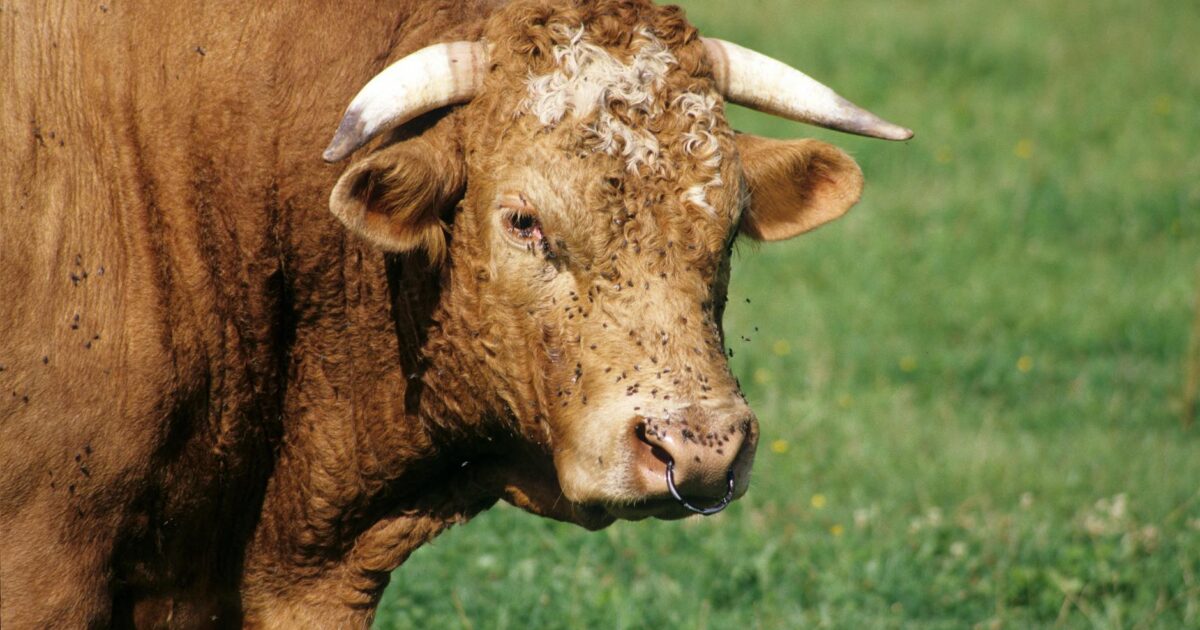
Historically, the practice of inserting a bull nose ring dates back thousands of years, with evidence found in ancient civilizations where cattle played a vital role in agriculture and culture. Early farmers quickly discovered that a bull’s nose, being highly sensitive, offered a natural point of leverage for guiding and controlling these powerful creatures. A slight pressure on the bull nose ring can effectively direct the animal, allowing a single handler to manage an animal that might weigh over a ton. This sensitivity makes the bull nose ring an effective method of control when applied correctly and used responsibly.
Function: Control and Safety for Handlers
The primary function of the bull nose ring remains control and safety. Bulls, especially breeding bulls, can be incredibly strong and pose a significant danger to handlers, other animals, and even themselves if not properly managed. By applying a bull nose ring, farmers and stockmen gain a substantial advantage. When the bull pulls against the ring, the discomfort acts as a deterrent, encouraging the animal to move in the desired direction or to cease aggressive behavior. This is not about inflicting pain, but rather about leverage and communication; the ring serves as an extension of the handler’s will, facilitating safe movement between pastures, during veterinary examinations, or while loading and unloading.
Recent safety advisories, such as those highlighted by AgriLand in June 2025, emphasize the importance of proper bull management, including the use of appropriate restraint tools like nose rings, as more bulls are released to herds during the breeding season. Independent safety assessments conducted in early 2026 continue to validate the nose ring’s efficacy when used properly, noting its role in preventing costly accidents and ensuring herd health protocols are followed.
Types of Bull Nose Rings Available
Different types of bull nose rings exist, each designed for specific applications. Permanent rings, typically made from sturdy metals like copper, brass, or stainless steel, are inserted through the septum of the bull’s nose, usually during its yearling stage. This procedure, often performed by a veterinarian or experienced stockman, is swift, and the discomfort is typically short-lived, akin to an ear piercing. Once healed, the bull usually shows little sign of chronic pain, becoming accustomed to the ring’s presence.
For instance, the Brass Dairy Beef Cattle Small 2.5″ With Screws, noted by portalcantagalo.com.br on April 24, 2026, represents a common and durable option for show cattle, emphasizing reliable fastening. There are also temporary rings, often clip-on or spring-loaded designs, which are sometimes used for younger animals during training or for animals that only require occasional handling. New developments include options like the VOSAREA Stainless Steel No-Piercing Bull Nose Ring, a spring-loaded weaner ring for cattle and calves, offering an alternative that avoids permanent piercing, as reported on April 1, 2026. These no-piercing options are gaining traction for handlers seeking less invasive methods for initial training or specific short-term needs.
Responsible Use and Animal Welfare
The responsible use of a bull nose ring is paramount. Animal welfare is a critical consideration in modern farming, and the proper selection, insertion, and maintenance of the ring are essential. A well-fitting bull nose ring prevents rubbing or irritation, and regular checks ensure it remains clean and free from damage. Farmers understand that a comfortable, well-managed bull is a healthier, less stressed animal, making the bull nose ring a tool for responsible animal husbandry rather than a symbol of cruelty.
It allows for necessary interventions without resorting to more forceful or dangerous methods of control, benefiting both the animal and its caretakers. While discussions about animal welfare are ongoing, the nose ring, when used as intended, remains a widely accepted practice for managing bull behavior. Organizations like the National Cattlemen’s Beef Association (NCBA) consistently provide resources and best practice guidelines for handling bulls, underscoring the industry’s commitment to welfare standards that include the proper use of such tools.
Modern Considerations and Alternatives
While the traditional bull nose ring remains a staple, the agricultural industry continually explores advancements and alternatives to enhance animal handling and safety. The existence of no-piercing options, like the spring-loaded weaner rings mentioned earlier, reflects a trend towards less invasive methods where appropriate. The VICASKY Stainless Steel Bull Nose Ring Traction Device, highlighted by ruhrkanal.news on April 25, 2026, showcases how larger, more robust designs are also being developed for specific heavy-duty handling tasks, potentially offering enhanced grip and control.
It’s also important to distinguish livestock nose rings from human body jewelry. As noted by UF Health in May 2016, trendy human nose rings can pose health risks, a point that underscores the specialized nature and purpose of agricultural equipment designed for animal management. The focus in cattle handling remains on effective control with minimal stress and risk to the animal. Further research into animal behavior and stress indicators, as published in journals like the Journal of Animal Science, continues to inform best practices for using restraint devices.
Frequently Asked Questions
What is the primary purpose of a bull nose ring?
The primary purpose of a bull nose ring is to provide handlers with a means of control and enhanced safety when managing bulls. The sensitivity of the bull’s nose allows a slight pressure on the ring to guide the animal, deter aggression, and facilitate movement, thereby reducing the risk of injury to both humans and livestock.
Are bull nose rings considered inhumane?
When used correctly and responsibly, bull nose rings are not considered inhumane by the agricultural industry. They are designed to apply pressure to a sensitive area, acting as a deterrent rather than inflicting severe pain. Proper fitting, regular checks, and appropriate insertion techniques are crucial for animal welfare, ensuring minimal discomfort and preventing injury.
How is a bull nose ring inserted?
Insertion is typically performed by a veterinarian or an experienced stockman. The process involves piercing the bull’s nasal septum. Local anesthetic is often used to minimize discomfort. The ring is then passed through the pierced septum and secured. The procedure is generally quick, and the animal usually recovers within a short period, becoming accustomed to the ring.
What are the different types of bull nose rings available in 2026?
In 2026, available options include traditional permanent metal rings (stainless steel, brass, copper) inserted through the septum, and temporary or no-piercing alternatives such as spring-loaded weaner rings or clip-on designs. Specialized traction devices are also emerging for specific handling needs.
How often should a bull nose ring be checked?
Handlers should check the bull nose ring regularly, ideally daily or at least several times a week. Checks should include ensuring the ring is clean, free from damage or rust, and securely in place. It’s also important to monitor the surrounding tissue for signs of excessive irritation, swelling, or infection, and to adjust or replace the ring if necessary.
Conclusion
The bull nose ring, a tool refined over millennia, continues to be an essential implement in safe and effective cattle handling as of April 2026. Its enduring utility lies in its ability to provide a critical point of control for managing powerful animals, thereby safeguarding handlers and promoting better animal husbandry practices. While advancements in equipment and a continued focus on animal welfare introduce new considerations and alternatives, the fundamental role of the nose ring in responsible bull management remains significant, embodying a practical solution that balances human safety with animal well-being.
Sabrina
2 writes for OrevateAi with a focus on agriculture, ai ethics, ai news, ai tools, apparel & fashion. Articles are reviewed before publication for accuracy.