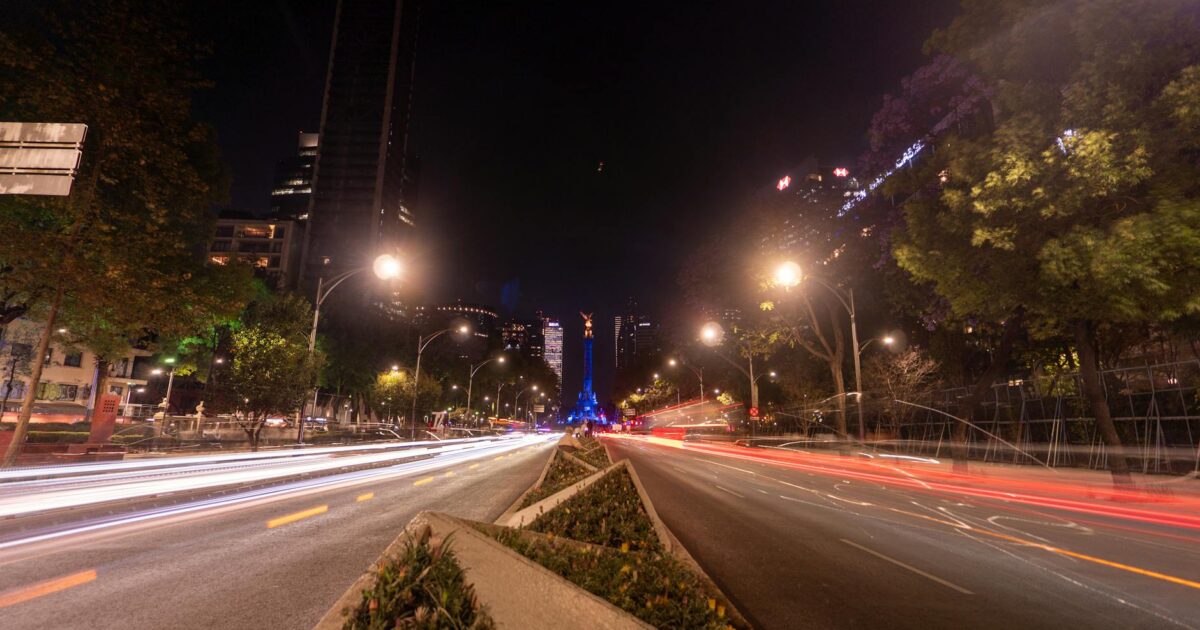
Mexico City, officially known as CDMX, is a sprawling metropolis situated on a high plateau, making its significant altitude one of its most defining characteristics. Located at approximately 2,240 meters (about 7,350 feet) above sea level, this vibrant city offers a unique experience profoundly shaped by its elevated position. For many visitors arriving from lower elevations, the Mexico City altitude can spark both excitement and apprehension.
Last updated: April 26, 2026
Latest Update (April 2026)
As of April 2026, Mexico City continues to be a significant hub for international events, including major sporting competitions. The recent MLB World Tour Mexico City Series 2026 saw the Arizona Diamondbacks face the San Diego Padres, with reports indicating the altitude in Mexico City is even higher than Denver’s Coors Field, a stadium already known for its elevation challenges. According to olympics.com, the series took place in late April 2026, drawing considerable attention from sports fans globally. CBS Sports noted that the conditions were hitter-friendly due to the thin air, a common observation for games played at this altitude. The Padres ultimately won the series, as reported by Gaslamp Ball, before heading to their next destination. This event underscores the ongoing impact of Mexico City’s altitude on athletic performance and spectator experience.
Understanding Mexico City’s Altitude
Upon arrival in CDMX, especially after flying in, the effects of the high altitude can be noticeable. You might experience shortness of breath after climbing stairs or walking a moderate distance. Common symptoms include mild headaches, lightheadedness, fatigue, or temporary sleep disturbances. This is your body adjusting to the thinner air, which contains less oxygen per breath compared to sea level. Fortunately, these sensations are usually temporary, with most people acclimatizing within a day or two, and sometimes up to a week. Understanding this aspect of the Mexico City altitude is the first step toward a comfortable and enjoyable visit.
Acclimatization Strategies
Proper preparation significantly eases the transition to life at this impressive altitude. Experts recommend staying well-hydrated by drinking plenty of water, even more than you normally would, and avoiding excessive alcohol or caffeine during your initial days. Taking it easy on your first day, avoiding strenuous activities, and getting plenty of rest also aids adaptation. Pacing yourself allows for a more enjoyable exploration of the city’s countless attractions. The dry air, a common companion to high altitudes, makes consistent hydration absolutely essential for well-being.
For those planning extended stays or who are particularly sensitive to altitude, consulting with a healthcare professional before traveling is a wise precaution. They can offer personalized advice and discuss potential preventative measures. Many travelers find that simply being aware of the altitude and adjusting their pace accordingly makes a significant difference in their experience. Listening to your body and not pushing yourself too hard in the first 24-48 hours is key to a smooth acclimatization process.
Climate Influences of High Elevation
Beyond immediate physical sensations, the Mexico City altitude profoundly influences the city’s climate. Despite its tropical latitude, CDMX enjoys mild year-round temperatures, a direct benefit of its elevation. The intense heat common in lower regions at similar latitudes is largely absent, creating a pleasant climate that rarely becomes excessively hot or cold. Average high temperatures in the warmest months typically hover around the mid-70s Fahrenheit (around 24°C), while winter days are often sunny and mild. The air often feels crisper and clearer, especially after rain, making it inviting for walking and outdoor activities. This unique climatic advantage, attributed to the Mexico City altitude, is a significant draw for residents and visitors alike.
Historical Significance of the Altitude
Historically, the Mexico City altitude played a crucial role in the region’s development. The ancient Aztec capital of Tenochtitlan, the foundation of modern Mexico City, was established on an island in a lake system at this very elevation. The ingenuity of its inhabitants in building a sophisticated civilization in such an environment highlights their remarkable adaptation to the challenges and opportunities presented by the high plateau. Today, the modern city continues to incorporate the geological and atmospheric realities presented by the Mexico City altitude, influencing architectural designs, urban planning, and infrastructure development. Understanding this historical context provides a deeper appreciation for the city’s resilience and enduring legacy.
Impact on Sports and Athletics
The world of sports is significantly impacted by the Mexico City altitude. Professional athletes, particularly in endurance sports like soccer, face unique challenges when competing in CDMX. Visiting teams often struggle with fatigue, giving local teams a distinct home-field advantage as their players are accustomed to the thinner air. This phenomenon is well-documented across various professional leagues. The fascination with how altitude affects performance underscores how deeply ingrained the Mexico City altitude is in the city’s identity and daily rhythm.
For major international events, such as the Formula 1 Mexico City Grand Prix, athletes and attendees alike must consider the altitude’s effects. As noted in guides for the event, which takes place annually and draws global attention, preparation is key for optimal performance and comfort. The recent MLB Mexico City Series 2026, as reported by sources like olympics.com and CBS Sports, provided another prominent example. The series highlighted how baseball players, accustomed to lower elevations, adapt to the thinner air, impacting pitching, hitting, and overall stamina. According to Arizona Sports, the Mexico City altitude is even higher than that of Coors Field in Denver, emphasizing the unique conditions visiting teams face.
Navigating Daily Life at High Altitude
For residents and long-term visitors, adapting to the Mexico City altitude becomes a part of daily life. Simple activities like carrying groceries up a few flights of stairs or participating in recreational sports might require more effort initially. However, the human body is remarkably adaptable. Over time, many individuals find their bodies adjust, and the initial symptoms subside. Some may even experience physiological changes, such as increased red blood cell production, which can be beneficial for certain athletes.
The dry climate associated with high altitudes also influences lifestyle choices. Maintaining skin hydration through moisturizers and protecting lips with balm are common practices. Indoor environments often utilize humidifiers to counteract the dryness. Furthermore, the cultural emphasis on hydration and healthy living, already strong in Mexico City, is further reinforced by the altitude’s physiological demands. The city’s numerous parks and green spaces provide opportunities for moderate exercise once acclimatized, allowing residents to enjoy the benefits of an active lifestyle despite the elevation.
Exploring Natural Attractions Near Mexico City
For travelers planning to visit national parks or natural escapes within the greater Mexico City area, understanding the Mexico City altitude is key. Destinations like Desierto de Los Leones National Park, located at elevations ranging from 2,600 to over 3,800 meters (approximately 8,500 to 12,500 feet), offer a chance to experience unique high-altitude ecosystems. As featured in guides to Mexico’s national parks, visitors benefit from knowing that physical exertion will be greater than at sea level. Hiking trails can be challenging, and the thinner air requires a slower pace.
Other natural areas, such as the Izta-Popo Zoquiapan National Park, which includes active volcanoes, are situated at even higher elevations. Proper acclimatization before attempting strenuous hikes in these regions is strongly advised. Carrying ample water, wearing appropriate layered clothing, and being aware of the symptoms of altitude sickness are essential precautions for enjoying these breathtaking natural landscapes safely. The unique flora and fauna found at these elevations are a testament to the resilience of life in extreme environments.
Frequently Asked Questions about Mexico City’s Altitude
What are the main symptoms of altitude sickness in Mexico City?
The most common symptoms of altitude sickness in Mexico City include headaches, nausea, fatigue, dizziness, shortness of breath, and sometimes difficulty sleeping. These symptoms are usually mild and temporary as your body adjusts to the lower oxygen levels. Severe symptoms are rare but can occur, especially for individuals with pre-existing respiratory or cardiovascular conditions.
How long does it take to acclimatize to Mexico City’s altitude?
Most people acclimatize to Mexico City’s altitude within 1 to 3 days. However, it can take up to a week for some individuals, and a small percentage may experience lingering mild symptoms. Taking it easy during your first day or two, staying hydrated, and avoiding strenuous activity significantly helps speed up the acclimatization process.
Are there specific health precautions for visiting Mexico City due to its altitude?
Yes, it’s highly recommended to stay well-hydrated by drinking plenty of water, avoiding alcohol and excessive caffeine for at least the first 48 hours, eating light meals, and limiting strenuous physical activity upon arrival. Consulting with your doctor before your trip, especially if you have pre-existing health conditions like heart disease, lung disease, or sleep apnea, is also strongly advisable.
Does the Mexico City altitude affect food and drink?
The altitude primarily affects your body’s oxygen intake, not directly the food or drink itself. However, alcohol is metabolized differently at higher altitudes, and its effects can be more pronounced. Therefore, moderation is key. Dehydration is also more common due to the dry air, making water intake crucial. Some people also find that heavy meals are harder to digest at altitude, preferring lighter options during their initial days.
Can I still enjoy physical activities like walking tours or hiking in Mexico City?
Absolutely. Once you’ve had a day or two to acclimatize, most visitors can comfortably enjoy activities like walking tours and exploring the city’s many attractions. For more strenuous activities, such as hiking in nearby national parks at even higher elevations, it’s essential to be well-acclimatized, pace yourself, stay hydrated, and be aware of altitude sickness symptoms. Local guides are often knowledgeable about managing exertion at altitude.
Conclusion
The Mexico City altitude is far more than just a geographical statistic; it is an intrinsic and defining characteristic of CDMX. It shapes the visitor’s physical experience, influences the city’s unique climate, is woven into its rich history, and impacts its dynamic sporting culture. While it requires a degree of understanding and a few simple, proactive adjustments for newcomers, this elevated position contributes immeasurably to the city’s distinct charm and vibrant, energetic character. By embracing the realities of the Mexico City altitude and preparing accordingly, visitors and residents alike can ensure a richer, more comfortable, and truly unforgettable experience in this captivating high-altitude metropolis.
Sabrina
2 writes for OrevateAi with a focus on agriculture, ai ethics, ai news, ai tools, apparel & fashion. Articles are reviewed before publication for accuracy.