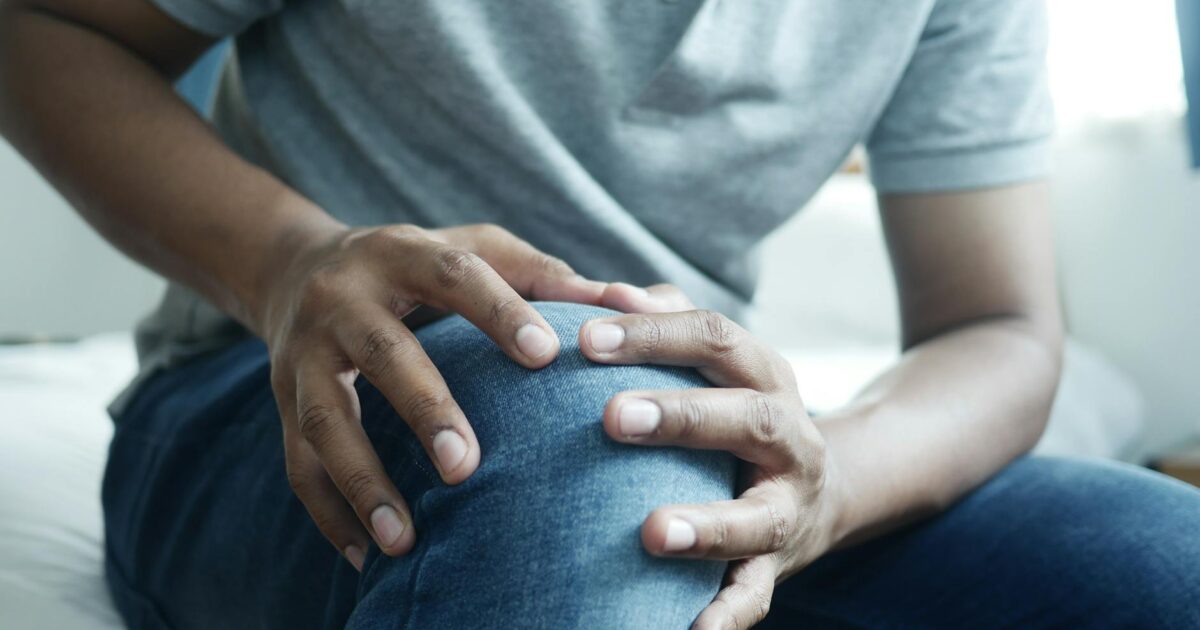
Experiencing inside knee pain can be incredibly disruptive, turning simple daily activities into challenging feats. This particular discomfort, felt along the medial side of the knee joint, is a very common complaint, affecting people from all walks of life, whether they are dedicated athletes or simply navigating the demands of everyday living. Understanding the potential causes behind your inside knee pain is the first step towards finding effective relief and reclaiming your mobility.
Latest Update (April 2026)
Recent developments in understanding knee mechanics emphasize the importance of subtle biomechanical adjustments. Research highlighted in August 2025 by sources like The Washington Post and NYU Langone Health points to gait retraining as a promising non-surgical approach for managing knee osteoarthritis and potentially slowing its progression. This approach, focusing on how individuals walk, can significantly reduce stress on the medial knee compartment, offering a new avenue for those suffering from inside knee pain. As of April 2026, experts are increasingly incorporating gait analysis and retraining into physical therapy protocols for chronic knee conditions.
Furthermore, understanding knee swelling, even without a direct injury, is gaining attention. As Times Now reported on April 22, 2026, conditions like knee effusion, which involves fluid buildup in the joint, can cause discomfort and swelling that might be mistaken for other issues. Recognizing these conditions is vital for accurate diagnosis and appropriate treatment of knee pain, including pain felt on the inside of the joint. Even seemingly unrelated anatomy, like the elbow, is being studied for its biomechanical influence on other joints, suggesting a holistic view of musculoskeletal health is crucial, as noted by Harvard Health on April 20, 2026.
Common Causes of Inside Knee Pain
Medial Collateral Ligament (MCL) Injuries
Often, the source of inside knee pain can be attributed to an injury to the Medial Collateral Ligament, or MCL. This strong band of tissue runs along the inner side of your knee, providing vital stability. An MCL injury, ranging from a mild sprain to a complete tear, commonly occurs from a direct blow to the outside of the knee or from a sudden twisting motion. You might feel immediate pain, swelling, and tenderness along the inside of your knee, possibly accompanied by a feeling of instability. Activities that involve pivoting or lateral movements can significantly exacerbate this type of inside knee pain.
Meniscus Tears
Another frequent culprit contributing to inside knee pain is a tear in the meniscus. The meniscus refers to the C-shaped cartilage pads that act as shock absorbers between your thigh bone and shin bone. A tear in the medial meniscus, which is the inner one, can happen acutely during a sports injury, often involving twisting with a bent knee, or it can develop gradually due to degenerative changes over time. When the medial meniscus is involved, you might experience sharp pain, especially when squatting, kneeling, or twisting. Locking or catching sensations within the knee are also tell-tale signs, making this a distinct form of inside knee pain.
Osteoarthritis
Beyond acute injuries, chronic conditions can also be a significant source of inside knee pain. Osteoarthritis, a degenerative joint disease, frequently impacts the medial compartment of the knee. As the protective cartilage wears down, bones rub against each other, leading to inflammation, stiffness, and persistent inside knee pain. This discomfort often worsens with activity and improves with rest, though stiffness after periods of inactivity, such as first thing in the morning, is also characteristic. The progression of osteoarthritis means that managing this type of inside knee pain often involves long-term strategies. Studies suggest that as of 2026, osteoarthritis remains a leading cause of chronic knee pain, particularly in individuals over the age of 50.
Pes Anserine Bursitis and Ganglion Cysts
Pes anserine bursitis is a common, though often overlooked, cause of inside knee pain. The pes anserine bursa is a small, fluid-filled sac located about two inches below the knee joint on the inner side, where the tendons of three muscles insert. When this bursa becomes inflamed, typically due to overuse, repetitive friction, or direct trauma, it results in localized tenderness and pain that worsens with activity like climbing stairs or even just sitting with crossed legs. A rare cause of chronic medial knee pain is a Pes Anserine Ganglion Cyst, as noted in a case report published in Cureus in January 2026. Distinguishing these specific types of inside knee pain from other causes is important for targeted treatment.
Plica Syndrome
Sometimes, a condition called plica syndrome can cause inside knee pain. Plicae are folds in the synovial tissue that lines the knee joint. While most people have them without issue, occasionally one of these folds, particularly the medial plica, can become irritated, inflamed, or thickened, leading to pain and a clicking or snapping sensation, especially when bending and straightening the knee. This often presents as an aching inside knee pain that becomes sharper with activity. Identifying plica syndrome usually involves ruling out other more common causes of knee discomfort.
Diagnosis and Treatment
Diagnostic Process
Diagnosing the exact reason for your inside knee pain typically involves a thorough physical examination by a healthcare professional. They will assess your range of motion, tenderness, and stability. Imaging tests like X-rays or MRI scans are often used to get a clearer picture of the structures within your knee and confirm the diagnosis. Precisely identifying the underlying issue is paramount, as the treatment for inside knee pain varies significantly depending on its origin. Advanced diagnostic techniques available in 2026 continue to refine the accuracy of these assessments.
Conservative Treatments
Fortunately, many cases of inside knee pain respond well to conservative treatments. Rest, ice, compression, and elevation (RICE) remain foundational for managing acute inflammation and pain. Physical therapy plays a pivotal role, with tailored exercises designed to strengthen supporting muscles, improve flexibility, and enhance joint stability. Non-steroidal anti-inflammatory drugs (NSAIDs) can help manage pain and inflammation, though their long-term use requires medical supervision. Bracing can provide external support and reduce stress on the injured or affected structures.
Advanced Treatment Options
When conservative measures are insufficient, more advanced treatments may be considered. For severe ligament tears or meniscus damage, arthroscopic surgery might be necessary to repair or remove damaged tissue. In cases of advanced osteoarthritis, joint replacement surgery (total or partial knee arthroplasty) is a highly effective option for restoring function and eliminating pain, with outcomes continually improving due to surgical innovations as of 2026. Regenerative medicine, including platelet-rich plasma (PRP) injections, is also an area of ongoing research and clinical application, showing promise for cartilage repair and pain reduction in select patients.
New Insights into Knee Pain Management
Recent research highlights the impact of subtle biomechanical adjustments on knee health. Studies, including those reported by NYU Langone Health and Physician’s Weekly in August and September 2025, indicate that small changes in walking technique may significantly help treat knee osteoarthritis and potentially slow disease progression. This suggests that gait retraining, focusing on how you move, can be a valuable non-surgical approach for managing chronic knee pain, including pain on the inside of the joint.
The concept of gait retraining is becoming increasingly recognized for its therapeutic potential. As highlighted by The Washington Post in August 2025, even minor alterations in how you walk can lead to reduced knee pain. This approach empowers individuals to actively participate in their recovery by modifying daily movement patterns. For those experiencing inside knee pain, particularly related to osteoarthritis, consulting a physical therapist to assess and guide these walking technique modifications could offer a path to lasting relief and improved joint function.
Preventative Strategies and Lifestyle Adjustments
Preventing inside knee pain involves a multifaceted approach. Maintaining a healthy weight is paramount, as excess body weight significantly increases the load on the knee joints. Regular, low-impact exercise, such as swimming, cycling, or walking, helps strengthen the muscles around the knee without excessive strain. Proper warm-up and cool-down routines before and after physical activity are essential to prepare muscles and reduce the risk of injury. Wearing appropriate footwear that provides adequate support and cushioning can also make a difference, especially during athletic activities or prolonged standing. For athletes, incorporating balance and proprioception exercises can improve joint stability and reduce the likelihood of sprains and tears.
Frequently Asked Questions
What is the most common cause of pain on the inside of the knee?
The most common causes of pain on the inside of the knee include injuries to the Medial Collateral Ligament (MCL), tears in the medial meniscus, and osteoarthritis affecting the medial compartment of the knee. Pes anserine bursitis is also a frequent contributor.
Can inside knee pain be a sign of something serious?
While many causes of inside knee pain are treatable with conservative methods, some can indicate serious underlying conditions. Significant ligament tears, large meniscus tears, or advanced osteoarthritis can lead to long-term joint damage and disability if not properly addressed. Persistent or severe pain, locking, or instability should always be evaluated by a healthcare professional.
How long does it take for MCL sprains to heal?
Healing time for MCL sprains varies significantly based on the severity. Grade 1 sprains (mild) may heal within one to three weeks. Grade 2 sprains (moderate) can take three to six weeks. Grade 3 sprains (complete tears) may require six weeks to several months for recovery, and sometimes surgery is needed. Consistent adherence to rehabilitation protocols is key for optimal healing as of 2026.
Is walking good for knee pain?
Walking can be beneficial for knee pain, particularly for conditions like osteoarthritis, provided it is done with proper form and at a moderate intensity. As research from 2025 and 2026 suggests, focusing on gait retraining can enhance the benefits and reduce pain. However, if walking exacerbates pain, it is advisable to consult a healthcare provider or physical therapist to determine the appropriate level and type of activity.
Can I run with inside knee pain?
Running with inside knee pain is generally not recommended without a proper diagnosis and treatment plan. Running places significant impact and rotational forces on the knee joint. Continuing to run on an injured or inflamed knee can worsen the condition, potentially leading to more severe damage. It is best to rest, seek medical advice, and undergo rehabilitation before returning to running activities.
Conclusion
Inside knee pain is a prevalent issue with a diverse range of potential causes, from acute injuries like MCL sprains and meniscus tears to chronic conditions such as osteoarthritis and plica syndrome. Accurate diagnosis through physical examination and imaging is the critical first step toward effective management. Fortunately, a spectrum of treatments exists, ranging from conservative approaches like RICE therapy and physical therapy to more advanced surgical interventions and emerging regenerative medicine techniques. Embracing preventative strategies, including weight management and targeted exercise, alongside newer insights into biomechanics and gait retraining, offers individuals the best path toward alleviating current discomfort and ensuring long-term knee health in 2026 and beyond.
Sabrina
2 writes for OrevateAi with a focus on agriculture, ai ethics, ai news, ai tools, apparel & fashion. Articles are reviewed before publication for accuracy.