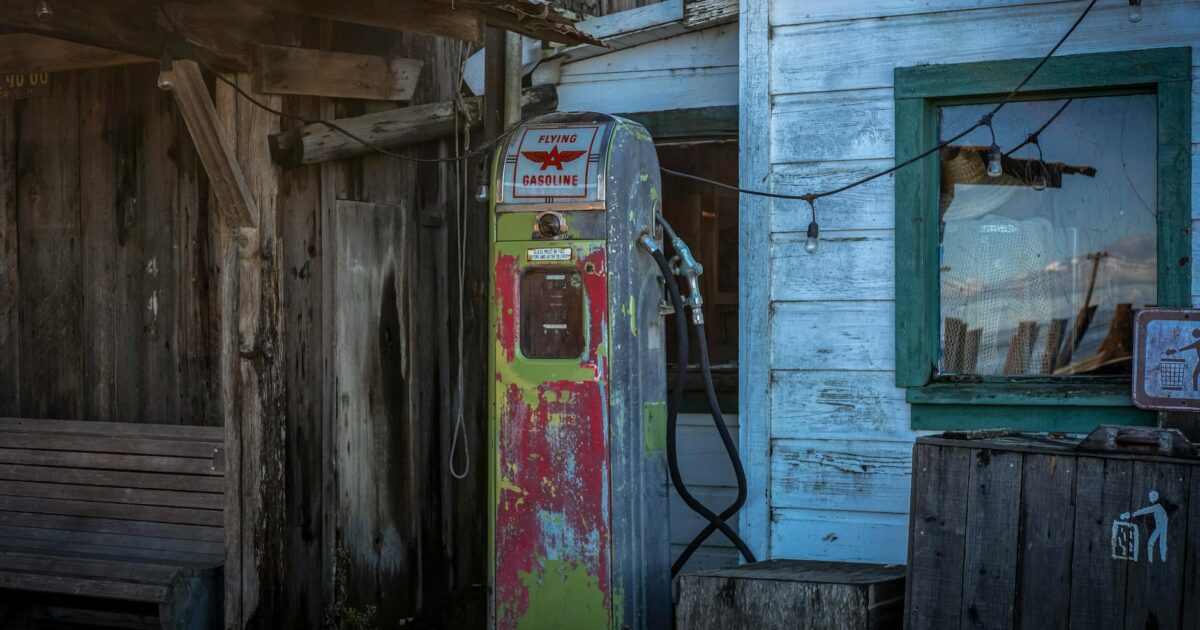
You’ve got a can of old gasoline tucked away in the garage. Maybe it’s from a project that never got finished, or perhaps it’s fuel that’s been sitting in your lawnmower since last season. Whatever the reason, you’re now faced with a common dilemma: how to dispose of old gas safely and responsibly. It’s not as simple as pouring it down the drain or tossing it in the trash – that’s a recipe for disaster. In my years working around vehicles and small engines, I’ve learned firsthand how volatile old fuel can be and the importance of handling it correctly. Let’s dive into the best practices for getting rid of that old gas without causing harm.
Disposing of old gasoline requires careful consideration due to its flammable and toxic nature. Improper disposal can lead to fires, soil and water contamination, and hefty fines. Fortunately, there are several approved and environmentally sound methods available, depending on your location and the quantity of fuel you need to discard. Understanding these options is key to making the right choice.
Here’s what we’ll cover to help you solve this problem:
- Why Old Gas is a Problem
- Understanding Gasoline Degradation
- Safe Storage of Old Gas (Temporarily!)
- Your Options for How to Dispose of Old Gas
- When to Call the Professionals
- Common Mistakes to Avoid
Why Old Gas is a Problem
Old gasoline isn’t just less effective; it becomes a genuine hazard. Over time, gasoline degrades. This isn’t just about losing its potency; it’s about chemical changes that make it more dangerous and more damaging to the environment. Think of it like milk left out on the counter – it spoils and becomes unusable, but gasoline’s ‘spoilage’ has more severe consequences.
The primary concern is its flammability. While fresh gasoline is highly flammable, degraded gasoline can still ignite. If stored improperly, it can pose a significant fire risk in garages or sheds. Furthermore, the vapor emitted from old gas is toxic and can be harmful if inhaled in confined spaces.
Environmentally, dumping gasoline, even old gasoline, is a big no-no. A single gallon of gasoline can contaminate a million gallons of water. It harms soil, kills plants, and is toxic to wildlife. Because of these risks, regulations are in place to ensure it’s handled as hazardous waste.
Understanding Gasoline Degradation
Gasoline is a complex mixture of hydrocarbons. When exposed to air, light, and temperature fluctuations, these hydrocarbons undergo changes. This degradation process is accelerated by the presence of ethanol, a common additive in modern gasoline (often found in E10, E15, or E85 blends).
Ethanol is hygroscopic, meaning it attracts and absorbs water. This water can then separate from the gasoline, leading to phase separation. The ethanol-water mixture is denser and sinks to the bottom of the container, causing corrosion in fuel systems and making the fuel unusable. This separated water can also contribute to rust formation in metal gas cans.
Chemically, gasoline can also oxidize, forming gummy deposits and varnish. These residues can clog fuel filters, carburetors, and fuel injectors in engines, leading to performance issues or complete engine failure. Typically, gasoline starts to degrade noticeably after about 3-6 months in optimal storage conditions. In less ideal conditions, or if it’s already old when you get it, this timeline can be much shorter.
Safe Storage of Old Gas (Temporarily!)
Before you can figure out how to dispose of old gas, you might need to store it for a short period. If you can’t dispose of it immediately, safe temporary storage is essential. Always use an approved gasoline container, typically made of sturdy plastic or metal, with a tight-fitting lid and a spout. Never store gasoline in a glass jar or an unapproved container – these can crack, leak, or even explode.
Store containers upright in a cool, dry, well-ventilated area away from any heat sources, sparks, or open flames. Garages, sheds, or workshops are common places, but ensure they are not attached to your living space. Avoid storing gasoline in direct sunlight or areas prone to extreme temperature changes. If you’re storing it for more than a few months, consider using a fuel stabilizer, which can extend its shelf life and prevent some of the degradation processes.
Your Options for How to Dispose of Old Gas
So, you’ve got the old gas, and you’re ready to get rid of it. Here are the most common and recommended methods for how to dispose of old gas:
1. Household Hazardous Waste (HHW) Collection Sites
This is often the most recommended and environmentally sound option. Most municipalities and counties have designated Household Hazardous Waste collection facilities or run periodic collection events. These sites are equipped to handle flammable liquids like gasoline safely and ensure they are processed or disposed of according to environmental regulations.
To find your local HHW facility, check your city or county’s waste management website, public works department, or search online for “household hazardous waste disposal near me.” You’ll typically need to bring the old gasoline in an approved, sealed container. They may have limits on the quantity you can bring at one time, so it’s wise to call ahead or check their website.
2. Auto Repair Shops or Service Stations
Some auto repair shops and service stations accept used motor oil and other automotive fluids, and they might also accept small quantities of old gasoline. It’s crucial to call ahead and ask specifically if they accept old gasoline for disposal and what their requirements are (e.g., container type, quantity limits).
This option is more common for mechanics who generate waste fuel as part of their operations, but some independent shops may offer it as a service to the public. Don’t assume they will take it; always confirm first.
3. Fuel Recycling Centers
In some areas, specialized fuel recycling centers exist. These facilities are designed to process waste fuels, often recovering components or safely disposing of them. Similar to HHW sites, you’ll need to find these centers through local searches and confirm their acceptance policies.
4. Additives for Stabilization and Use (Small Amounts Only)
If you have a very small amount of old gasoline (e.g., less than a quart) that isn’t severely degraded and is free of water and debris, you might be able to use a fuel stabilizer and then add it to your car’s gas tank. The stabilizer helps to mitigate some of the degradation effects, and adding it in small quantities to a nearly full tank of fresh gas dilutes it further.
However, this is a risky approach. If the gas is significantly old, has water contamination, or if your car has a sensitive fuel system (especially newer direct-injection engines), you could cause damage. I’ve heard stories of people doing this successfully, but I’ve also heard of costly repairs resulting from it. This method is generally not recommended for anything more than a tiny amount and only if you’re absolutely certain of the fuel’s condition.
5. Incineration (Extreme Caution Required – Not Recommended for Home Use)
While gasoline can be burned off, this is not a safe or legal method for home disposal. Commercial facilities use controlled incineration processes. Attempting to burn gasoline yourself, especially in an uncontrolled manner, is incredibly dangerous and can lead to severe burns, explosions, and uncontrolled fires. Local fire departments and environmental agencies strictly prohibit this for safety reasons.
When to Call the Professionals
If you have a large quantity of old gasoline (e.g., multiple 5-gallon cans) or if the gasoline has become contaminated with water, oil, or other substances, it’s best to contact a professional hazardous waste disposal service. These services are equipped to handle bulk quantities and mixed contaminants safely and compliantly.
You can find these services by searching for “hazardous waste removal” or “chemical disposal services” in your area. While this option usually comes with a fee, it provides peace of mind that the disposal is being handled correctly, protecting both you and the environment.
Common Mistakes to Avoid
When figuring out how to dispose of old gas, there are a few common pitfalls that people fall into:
- Pouring it down a drain or into storm sewers: This is illegal and extremely harmful to the environment, contaminating water sources.
- Dumping it on the ground: This pollutes soil and groundwater and can harm plants and wildlife.
- Putting it in regular trash: Gasoline is a hazardous material and should never be placed in household garbage bins. It can cause fires in garbage trucks and landfills.
- Burning it in an uncontrolled manner: As mentioned, this is extremely dangerous and illegal.
- Using it in modern vehicles without certainty: Modern fuel systems are complex and sensitive. Using degraded fuel can lead to expensive repairs.
I learned a valuable lesson about this years ago when a neighbor thought it was okay to pour a small amount of old gas into his truck’s tank before heading to the dump. He ended up stranded halfway there with engine trouble. The tow truck driver ended up explaining the risks to him, and he had to pay for a tow and a fuel system flush. It was a costly lesson in proper fuel disposal.
How to Dispose of Old Gas: A Quick Guide
Here’s a summary to help you navigate the process:
- Assess the Quantity and Quality: How much gas do you have? Is it contaminated?
- Check Local Regulations: Visit your city/county waste management website.
- Locate HHW Facilities: Find your nearest Household Hazardous Waste drop-off.
- Use Approved Containers: Store and transport gas in sealed, labeled, approved containers.
- Transport Safely: Secure containers upright in your vehicle, away from the passenger compartment if possible.
- Follow Facility Instructions: Adhere to all guidelines at the disposal site.
In my experience, the most reliable method for how to dispose of old gas is through your local Household Hazardous Waste program. It’s designed for this exact purpose and ensures compliance with environmental laws. Always prioritize safety and environmental protection when dealing with this volatile substance.
Frequently Asked Questions
What is the best way to dispose of old gasoline?
The best way to dispose of old gasoline is to take it to a designated Household Hazardous Waste (HHW) collection site or a scheduled HHW collection event in your community. These facilities are equipped to handle flammable liquids safely and ensure proper environmental disposal.
Can I pour old gasoline down the drain?
Absolutely not. Pouring old gasoline down any drain, including storm sewers or sanitary sewers, is illegal and extremely harmful to the environment. It contaminates water sources, harms aquatic life, and can create fire hazards in sewer systems.
How much old gasoline can I dispose of at once?
The amount of old gasoline you can dispose of at one time varies by location and facility. Most HHW collection sites have quantity limits, often ranging from 5 to 15 gallons per visit. It’s best to check your local waste management authority’s website or call them for specific details.
What happens to old gasoline when it’s disposed of properly?
When disposed of properly at an HHW facility, old gasoline is typically managed through controlled incineration, where it is safely burned under strict environmental controls. In some cases, it may be processed and blended into fuel for industrial furnaces or used in other specialized applications where its properties can be safely utilized.
Can I put old gasoline in my car?
Generally, you should not put old gasoline in your car, especially if it has been stored for more than a few months or shows signs of degradation like cloudiness or a gummy smell. Modern car engines and fuel systems are sensitive, and using old fuel can lead to performance issues or costly damage.
Conclusion
Navigating how to dispose of old gas might seem tricky, but it’s a responsibility we all share. By understanding the risks and utilizing the proper channels, like your local Household Hazardous Waste facility, you can ensure this hazardous material is handled safely and without harming our environment. Always remember to store it securely in approved containers and transport it with care. When in doubt, always consult your local waste management resources or a professional hazardous waste disposal service to guarantee compliance and safety.




Sabrina
Expert contributor to OrevateAI. Specialises in making complex AI concepts clear and accessible.