How to Get Rid of Flies Outside in 2026
The British summer often brings long, pleasant evenings and the opportunity to enjoy gardens. However, this idyllic scene can be disrupted by the persistent buzzing of flies. Whether you’re dealing with common house flies, persistent fruit flies, or the elusive drain flies, they can quickly turn a peaceful afternoon into an exercise in swatting. If you’re seeking effective methods for how to get rid of flies outside and reclaim your patio space, this guide offers practical, up-to-date solutions for 2026. Understanding the root causes and implementing targeted strategies are key to enjoying your outdoor areas pest-free.
Latest Update (April 2026)
Recent reports highlight the ongoing challenge of managing outdoor fly populations, especially as warmer weather arrives. As of April 2026, experts emphasize that proactive garden hygiene remains the most effective first line of defence. According to a recent article on Wales Online, a common household item can significantly help keep rubbish bins clean and prevent flies from being attracted to them, a simple yet effective tip for 2026. Furthermore, the ongoing demand for natural solutions means that methods using essential oils and herbs are seeing renewed interest, with many consumers seeking chemical-free options for their patios and gardens.
Understanding the Enemy: Common Outdoor Flies
Before effectively tackling outdoor flies, it’s essential to identify the common types you might encounter in the UK. Knowing their habits and attractants allows for more targeted control strategies in 2026.
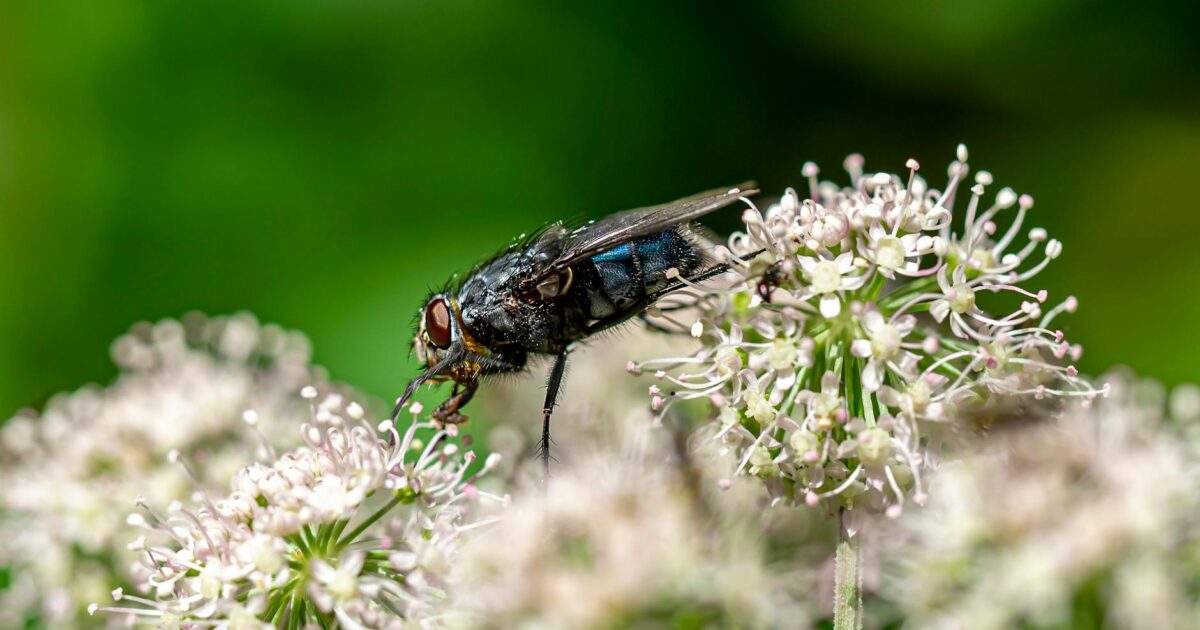
- House Flies (Musca domestica): These are the most frequent offenders. They are attracted to decaying organic matter, animal faeces, and food waste. Warm conditions in 2026 facilitate their rapid breeding cycles.
- Fruit Flies (Drosophila): Though small, they are persistent. Typically found around fermenting or overripe fruits and vegetables, as well as sugary drinks, they can also breed in drains if organic film accumulates.
- Drain Flies (Psychodidae): Recognizable by their fuzzy, moth-like appearance, these flies thrive near stagnant water. Common breeding sites include drains, gutters, and persistently damp areas.
- Cluster Flies (Pollenia rudis): While often an indoor nuisance in autumn, they can also be found outdoors. They tend to congregate in sunny locations, often on walls or near windows.
While each fly species has specific preferences, maintaining general garden hygiene and employing targeted deterrents are effective against most common types. As Mirror.co.uk reported on April 20, 2026, natural repellents are gaining traction for their ability to keep flies and ants away throughout the summer.
Targeting the Breeding Grounds: Garden Hygiene
The most critical strategy for managing outdoor flies in 2026 involves eliminating their food sources and breeding sites. Consistent attention to garden hygiene significantly reduces fly populations. Key areas to focus on include:
- Compost Bins: Ensure your compost bin is equipped with a secure lid. Regularly turning the compost accelerates decomposition and minimizes odours that attract flies. Avoid adding meat or dairy products, as these are particularly appealing to flies.
- Pet Waste: Promptly clean up after pets, especially dogs. Canine faeces are a prime breeding ground for house flies. Consider using a dedicated pet waste bin with a lid.
- Rubbish Bins: Keep outdoor bins clean and ensure their lids seal tightly. Periodically washing out your bins, particularly during warmer months in 2026, is advisable. Always use bin liners and tie them securely. As the Daily Express noted on April 23, 2026, a common household item can help keep these bins clean and fly-free.
- Food Scraps: Never leave food waste exposed outdoors. Clean up barbecue remnants and leftovers from outdoor dining promptly.
- Water Sources: Repair any leaky taps or hoses that create puddles. Empty stagnant water from plant pot saucers, buckets, or other containers. Regularly clean gutters to prevent the build-up of water and debris, which can attract drain flies.
Adhering to these fundamental hygiene practices is your primary and most effective defence against outdoor fly infestations in 2026.
Natural Deterrents for Your Patio and Garden
Many individuals prefer to avoid chemical pesticides, especially in areas used for dining or where children and pets play. Fortunately, several natural methods can deter flies from outdoor living spaces in 2026.
- Herbs: Certain aromatic herbs can naturally repel flies. Planting basil, mint, rosemary, lavender, or bay leaves in pots or around your patio can be effective. Crushing the leaves releases more of their scent, enhancing their repellent qualities.
- Essential Oils: Peppermint, eucalyptus, citronella, and lavender oils are well-known for their fly-repelling properties. Mix a few drops of your chosen oil with water in a spray bottle and mist around patio furniture, doorways, and windows. Alternatively, place a few drops on cotton balls and strategically position them in fly-prone areas. According to Wales Online, a simple two-ingredient natural spray using common household items can keep flies and ants out all summer.
- Vinegar Traps: For fruit flies and gnats, a simple homemade trap can be very effective. Pour apple cider vinegar into a jar, add a drop of dish soap to break surface tension, and cover the opening with cling film secured by a rubber band. Poke a few small holes in the cling film; flies will be attracted to the vinegar but will struggle to escape.
- Citrus and Cloves: An established gardener’s technique involves studding lemons or oranges with whole cloves and placing them on outdoor tables. The strong, combined scent is believed to deter flies.
While natural deterrents may require more frequent application than chemical treatments, they offer a safer and more environmentally conscious approach to managing flies in 2026.
Effective Fly Traps and Catchers
When natural deterrents are insufficient, active measures to trap and eliminate flies become necessary. A variety of traps are available on the market for 2026:
| Trap Type | How it Works | Pros | Cons |
|---|---|---|---|
| Disposable Fly Bags | Attracts flies with a bait, trapping them in a liquid solution. Typically hung away from main living areas. | Effective at trapping large numbers of flies; generally easy to set up. | Can be unsightly; the odour from the bait can be strong; requires careful disposal to avoid attracting more pests. |
| Sticky Fly Paper/Ribbons | A surface coated with a non-drying adhesive that traps flies on contact. | Inexpensive and simple to use; can be hung in various locations. | Visually unappealing; can trap beneficial insects; needs to be replaced regularly. |
| UV Light Traps (Electric) | Uses ultraviolet light to attract insects, which are then electrocuted by a grid or trapped on a sticky board. | Effective for a wide range of flying insects; often designed for outdoor use; can be a continuous deterrent. | Requires electricity; can be noisy (electrocution models); may kill beneficial insects. |
| Bait Traps (Non-disposable) | Uses a liquid or solid attractant to lure flies into a container from which they cannot escape. | Reusable; can be very effective in reducing fly numbers; often less unsightly than disposable bags. | Requires regular cleaning and refilling; bait can have a strong odour; placement is key. |
When selecting a trap, consider its placement, the type of flies you are targeting, and your tolerance for visual or olfactory impact. For instance, disposable fly bags are highly effective but should be placed discreetly, as reported by sources discussing outdoor pest control in 2026.
Preventing Flies on Doors and Windows
Flies are adept at finding entry points into your home and outdoor structures like sheds or summerhouses. Preventing them from congregating around doors and windows is crucial for maintaining a fly-free environment in 2026.
- Keep Doors and Windows Closed: The simplest method is to keep doors and windows shut whenever possible, especially during peak fly activity times.
- Install Screens: Ensure window screens and door screens are intact and properly fitted. Repair any tears or gaps immediately. This is a highly effective physical barrier.
- Use Strip Curtains: For frequently used doorways, such as those leading from the kitchen to the garden, hanging plastic strip curtains can deter flies while allowing passage.
- Maintain Cleanliness: Wipe down window sills and door frames regularly, as food crumbs or spills can attract flies.
- Strategic Lighting: Outdoor lights can attract insects. Consider using yellow ‘bug lights’ which are less attractive to flies and other flying insects.
As AOL.com highlighted on April 21, 2026, strategies to keep black flies away often involve a combination of exclusion and environmental management, applicable to other fly types as well.
When to Call in the Professionals
While most fly issues can be managed with diligent home and garden care, there are situations where professional pest control services are necessary. If you are experiencing a severe infestation that is resistant to your own control efforts, or if you suspect flies are breeding in a difficult-to-access location (like within wall cavities or extensive drainage systems), it is time to seek expert help. Professional pest controllers have access to more potent treatments and the expertise to identify and eliminate the source of the problem safely and effectively in 2026. They can also offer advice on long-term prevention strategies tailored to your specific property.
Frequently Asked Questions
What is the most effective way to get rid of flies outside?
The most effective approach involves a multi-pronged strategy: maintaining rigorous garden hygiene to eliminate breeding grounds and attractants, using natural deterrents or traps, and ensuring entry points like doors and windows are protected. Consistent effort is key in 2026.
Can I use household items to repel flies?
Yes, many household items can be used as natural fly repellents. Essential oils like peppermint and eucalyptus, apple cider vinegar traps, and citrus fruits studded with cloves are popular and effective methods. As reported by Mirror.co.uk on April 20, 2026, simple natural sprays can deter flies and ants effectively.
How do I stop flies from coming to my compost bin?
Ensure your compost bin has a secure lid and turn the contents regularly to speed up decomposition and reduce odours. Avoid adding meat and dairy products. Daily Express reported on April 23, 2026, that keeping rubbish bins clean using a common household item also prevents fly attraction.
Are outdoor fly traps safe to use around pets and children?
The safety depends on the type of trap. Natural traps like vinegar jars or herb deterrents are generally safe. For commercial traps, always read and follow the manufacturer’s instructions carefully regarding placement and safety precautions, especially if pets or children might come into contact with them.
Why are flies suddenly appearing in my garden in 2026?
A sudden increase in flies often correlates with warmer weather, which stimulates breeding. It can also be due to a new food source becoming available (e.g., fallen fruit, unmanaged compost, pet waste) or increased moisture attracting them. Checking your garden for these attractants is the first step.
Conclusion
Effectively managing how to get rid of flies outside in 2026 requires a combination of diligent hygiene, strategic use of deterrents and traps, and preventative measures around entry points. By understanding the common culprits and their habits, you can implement targeted solutions to reclaim your garden and outdoor living spaces. Regular maintenance and vigilance are your best allies in ensuring a pleasant, fly-free environment throughout the warmer months.
Sabrina
2 writes for OrevateAi with a focus on agriculture, ai ethics, ai news, ai tools, apparel & fashion. Articles are reviewed before publication for accuracy.