Ever found yourself staring at a cocktail recipe, a small unmarked bottle, or even a medicine cup, and thought, “Wait, how many ml is a shot?” It’s a question that trips up many people, whether they’re mixing drinks at home or trying to understand a prescribed dosage. The answer isn’t always as straightforward as you might think, as it can vary depending on context, location, and even the specific type of ‘shot’ you’re referring to.
Let’s break down the different meanings and measurements of a ‘shot’ to give you clarity. I’ve spent years behind bars and helping friends with home bartending, and the confusion around shot sizes is a constant. Understanding this simple measurement can make a big difference in your drinks and your health.
Table of Contents
- What Exactly is a “Shot” in Milliliters?
- The Standard US Shot: How Many ML Is It?
- International Variations: How Many ML is a Shot Elsewhere?
- Cocktail Shots vs. Medicine Shots: Different Rules Apply
- Precisely Measuring Your Shot: Tools and Tips
- Common Mistakes When Estimating Shot Size
- Frequently Asked Questions About Shot Measurements
What Exactly is a “Shot” in Milliliters?
At its core, a “shot” refers to a small, typically undiluted serving of a beverage, most commonly distilled spirits. It’s also used to describe a small dose of liquid medicine. The key here is that the term itself doesn’t inherently define a precise volume. Instead, it’s a convention that has evolved, and like many conventions, it can differ.
When people ask “how many ml is a shot,” they are usually looking for a standard, universally accepted volume. However, the reality is more nuanced. The most common context for this question is in relation to alcoholic beverages, particularly in bars and restaurants. In this arena, a shot size is often dictated by local regulations and industry standards.
The Standard US Shot: How Many ML Is It?
In the United States, the most commonly accepted standard for a single shot of liquor is 1.5 fluid ounces. Now, to convert that to milliliters, we use the conversion factor: 1 fluid ounce is approximately 29.5735 milliliters. So, 1.5 fluid ounces times 29.5735 ml/ounce equals approximately 44.36 milliliters.
However, it’s crucial to note that this is often rounded for practical purposes. Many bars and even some states consider a standard shot to be 1.5 oz. But, some states, like Utah, have a legal definition of a “standard drink” for alcohol content purposes that is 1 fluid ounce (about 29.57 ml). This can lead to confusion when ordering or serving drinks across different regions within the US.
When I first started bartending in California, 1.5 oz was the undisputed standard for a pour. But I’ve heard from colleagues in other states that they work with 1 oz pours as their ‘standard shot’. It really does depend on local laws and the establishment’s policy.
International Variations: How Many ML is a Shot Elsewhere?
Step outside the US, and the definition of a ‘shot’ can change significantly. This is where the question “how many ml is a shot” becomes even more complex. Different countries have different standard pour sizes, influenced by local drinking culture, regulations, and taxation.
- United Kingdom: In the UK, a standard measure of spirits can be 25 ml or 35 ml, depending on the venue. Historically, 25 ml was the norm, but many pubs now offer 35 ml as a standard. Some places may even offer a 50 ml measure.
- Australia: A standard Australian shot is typically 30 ml.
- Japan: A Japanese ‘go’ (合) is a traditional unit, but in modern contexts, a shot of shochu or whiskey is usually around 60 ml.
- Russia: A standard shot is often 50 ml.
This global diversity means that if you’re following a recipe from another country or visiting a bar abroad, you can’t assume the ‘shot’ size is the same as you’re used to. For instance, a recipe calling for “two shots of vodka” in Russia might use double the amount of alcohol compared to a recipe from Utah.
I remember being in London and ordering a gin and tonic. When the drink arrived, the gin seemed more generous than I was accustomed to. A quick chat with the bartender confirmed they used a 35ml measure as standard, which felt like a more substantial pour than my usual 1.5oz (approx 44ml) back home, but it’s still a different standard than the 30ml common in Australia.
Cocktail Shots vs. Medicine Shots: Different Rules Apply
It’s vital to distinguish between a ‘shot’ of alcohol and a ‘shot’ of medicine. While both refer to a small liquid dose, the precision and standardization are vastly different. When it comes to medicine, accuracy is paramount. A prescribed dosage is usually stated in precise milliliters (ml) or milligrams (mg).
You’ll often see medicine bottles with clear markings on a dosing cup or syringe. For example, a doctor might prescribe 5 ml of cough syrup. This is a fixed amount, and deviating from it can have health consequences. There’s no room for interpretation or ‘standard’ sizes here; you must follow the doctor’s instructions precisely.
In contrast, the ‘shot’ in cocktails can be more flexible. While standard measures exist, as we’ve seen, bartenders might adjust slightly based on the drink, the spirit’s quality, or even customer preference. However, for consistency and quality, most professional establishments adhere to specific measurements.
One common scenario I’ve encountered is using a standard shot glass for medicine. This is a terrible idea. Shot glasses are notoriously inaccurate, and their markings (if any) are not calibrated for medical use. Always use the dosing device provided with your medication.
- Consistency in cocktails and mixed drinks.
- Easier to manage inventory and cost.
- Helps consumers understand alcohol intake.
- Facilitates international recipe replication (with awareness of variations).
- Variations exist between countries and even states.
- Can lead to overconsumption if not mindful.
- Distinction between ‘standard’ and actual pour sizes can blur.
Precisely Measuring Your Shot: Tools and Tips
If you’re serious about making great cocktails at home or ensuring you’re taking the correct dose of liquid medicine, accurate measurement is key. Thankfully, there are reliable tools available.
For Cocktails:
- Jiggers: These are the conical or hourglass-shaped metal cups used by bartenders. They typically have markings on the inside for different volumes, often 1 oz and 0.5 oz, or 1.5 oz and 0.75 oz. Some larger ones might include 2 oz. Having a jigger is the easiest way to ensure you’re pouring the correct amount of spirits.
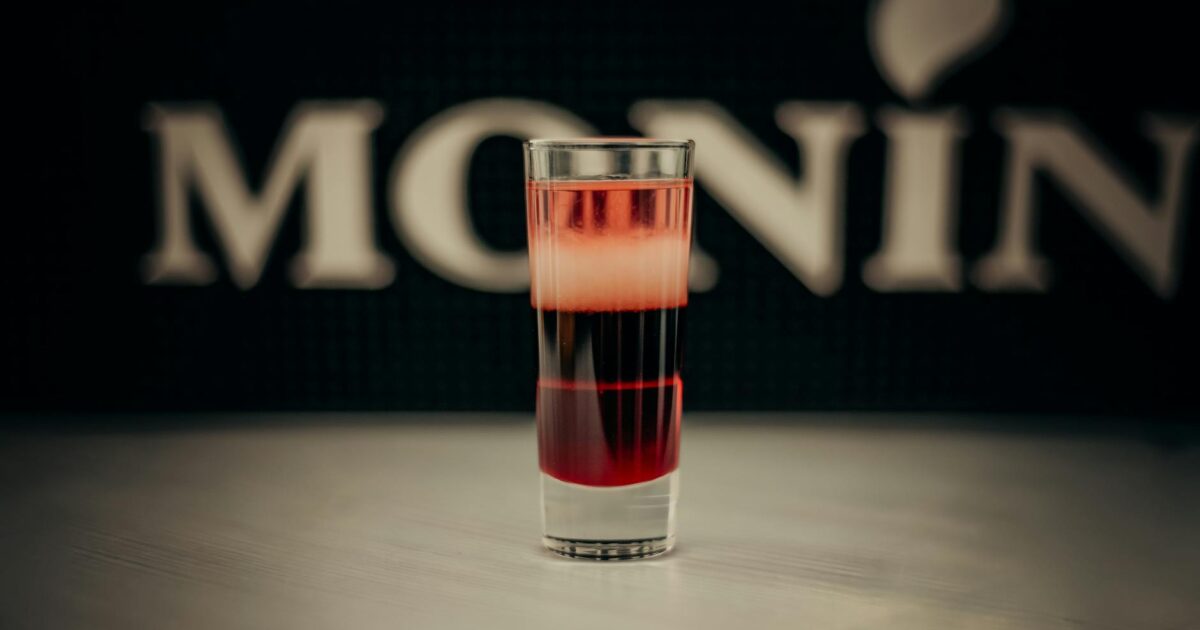
- Shot Glasses: While often used colloquially, actual shot glasses can be misleading. A standard US shot glass might hold 1.5 oz (44 ml) to the brim, but many are larger (2 oz or more) and have no accurate markings. If you use one, fill it to a specific line after you’ve measured it with a jigger first to establish that line.
- Measuring Cups: For larger quantities or when making batch cocktails, standard kitchen measuring cups (especially those with ml markings) can be very useful.
For Medicine:
- Dosing Syringes: These are often included with liquid medications and provide the most accurate measurement for small liquid doses.
- Dosing Cups: Look for cups that have clear, precise markings in milliliters (ml). These are usually found on children’s medicine bottles or over-the-counter remedies.
- Spoons: Avoid using regular kitchen spoons. They are not standardized. If a doctor or pharmacist specifies a teaspoon, ask them for the equivalent in milliliters, as a “teaspoon” can vary. A standard metric teaspoon is 5 ml, but household spoons can hold more.
I always keep a good quality jigger and a set of graduated measuring cups in my kitchen. It makes recreating bar-quality cocktails so much easier and ensures I’m not accidentally over- or under-pouring.
Common Mistakes When Estimating Shot Size
One of the biggest mistakes I see people make is the “eyeball” method for pouring spirits. They just tip the bottle and hope for the best. This leads to inconsistent drinks and can quickly increase alcohol consumption without you realizing it.
Another frequent error is assuming all shot glasses are the same. As mentioned, a typical 1.5 oz (44 ml) shot glass is common in the US, but many decorative or larger glasses are sold. Relying on these without verifying their actual volume is a recipe for inaccurate pours.
For medicine, the most dangerous mistake is using a standard kitchen spoon or an unmarked cup. Medicine dosages are carefully calculated for effectiveness and safety. Incorrect measurement can lead to underdosing (making the treatment ineffective) or overdosing (leading to adverse effects).
When I was first learning, I definitely relied too much on my standard shot glass for speed. It wasn’t until I started using a jigger consistently that I noticed how much more balanced my cocktails became. It was a simple change with a huge impact on taste and quality.
According to the Centers for Disease Control and Prevention (CDC), a standard drink of alcohol contains about 14 grams of pure alcohol. This is equivalent to 12 ounces of regular beer (5% alcohol), 5 ounces of wine (12% alcohol), or 1.5 ounces of distilled spirits (40% alcohol). The 1.5 ounces for spirits is the key figure here, translating to roughly 44.36 ml.
Source: CDC
Frequently Asked Questions About Shot Measurements
How many ml is a standard shot in the US?
A standard single shot in the US is most commonly 1.5 fluid ounces, which equates to approximately 44.36 milliliters. However, some states or establishments may use a 1 fluid ounce (29.57 ml) measure.
Is a shot glass always 1.5 oz?
No, not all shot glasses are 1.5 oz. While many US bars use 1.5 oz glasses, their actual capacity can vary significantly, often holding 2 oz or more. It’s best to measure with a jigger to confirm.
How many ml is a shot in the UK?
In the UK, a standard shot of spirits is typically 25 ml, though 35 ml is also common, and some venues may offer 50 ml measures.
What is the difference between a shot and a dram?
A ‘dram’ is an older unit of measurement, historically used in Scotland, often referring to about 1/8th of a fluid ounce (roughly 3.7 ml). A shot is significantly larger, typically 1.5 oz (44 ml).
How should I measure liquid medicine?
Always use the dosing syringe or marked dosing cup that comes with the medication. If those aren’t available, ask your pharmacist for a precise oral syringe or a measuring device calibrated in milliliters (ml).
Final Thoughts on Shot Measurements
So, to wrap it all up: how many ml is a shot? In the most common US context for spirits, it’s around 44 ml (1.5 oz), but international standards and even US state laws can vary. For medicine, always stick to the precise ml dosage prescribed. Understanding these differences ensures you’re enjoying your drinks responsibly and taking your medications safely.



Sabrina
Expert contributor to OrevateAI. Specialises in making complex AI concepts clear and accessible.