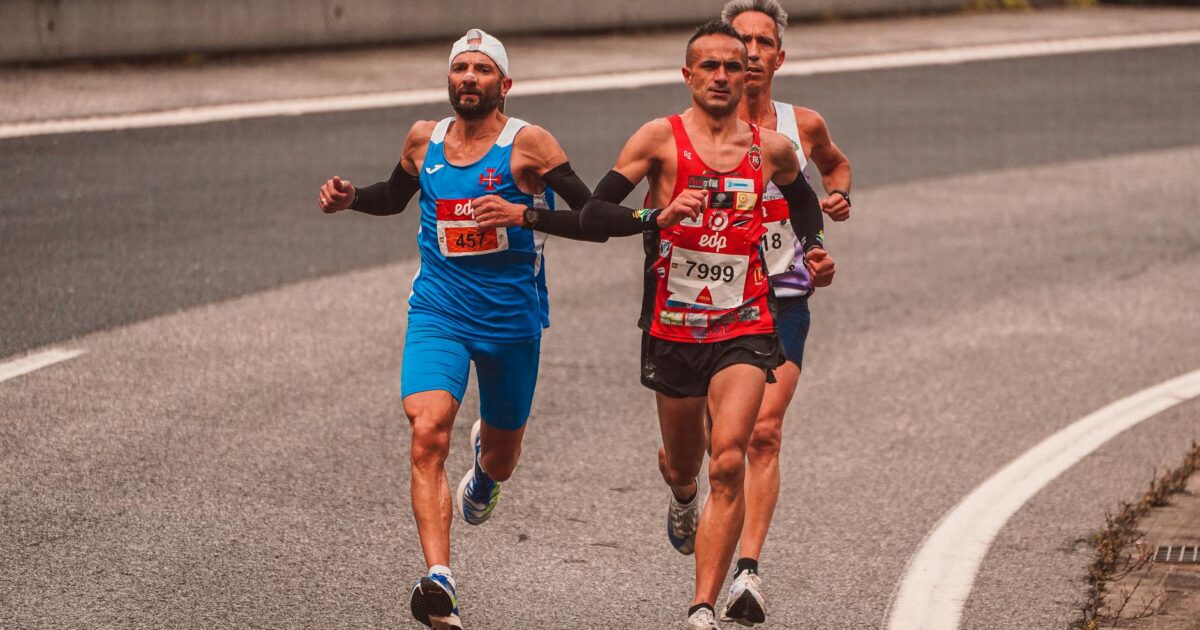
So, you’re curious about the half marathon distance. It’s a popular goal for runners of all levels, sitting comfortably between a 10K and a full marathon. But what exactly is it, and what does it take to conquer those miles? Let’s dive in!
When I first started thinking about longer races, the half marathon seemed like the perfect sweet spot. It’s a serious challenge that demands respect and preparation, but it’s far more accessible for many than the daunting 26.2 miles of a full marathon. It’s a journey of 13.1 miles, or 21.1 kilometers, that offers immense satisfaction upon completion.
This journey isn’t just about physical endurance; it’s a mental test, a commitment to training, and a celebration of what your body can achieve. Whether you’re a seasoned runner looking for a new challenge or a beginner eager to push your limits, understanding the half marathon distance is your first crucial step.
Table of Contents
What Exactly is the Half Marathon Distance?
The half marathon distance is precisely what it sounds like: half the length of a standard marathon. A full marathon is 26.2 miles (42.2 kilometers). Therefore, a half marathon covers 13.1 miles or 21.1 kilometers. This distance has become incredibly popular worldwide, with races ranging from major city events to smaller, community-focused runs.
It’s a distance that requires a significant training commitment but is generally considered more manageable for the average runner than a full marathon. It tests your cardiovascular system, muscular endurance, and mental fortitude without the extreme demands of running twice the distance.
Why Choose the Half Marathon Distance?
Many runners find the half marathon distance to be the ‘sweet spot’ in racing. It offers a substantial challenge and the thrill of race day without the overwhelming commitment and recovery time required for a full marathon. For those new to distance running, it’s often seen as the ideal first major race goal.
You get the satisfaction of completing a significant endurance event, the pride of pushing your physical and mental limits, and the bragging rights of conquering 13.1 miles. Plus, the training is demanding but usually fits more easily into a busy lifestyle compared to marathon training.
From my own experience, the sense of accomplishment after crossing the finish line of my first half marathon was immense. It felt like a true achievement, a testament to months of consistent effort. It opened the door to believing I could tackle even bigger challenges down the line.
Training for the 13.1 Miles: Your Roadmap
Conquering the half marathon distance isn’t something you can wing. It requires a structured training plan. Most plans range from 10 to 16 weeks, depending on your current fitness level. The core components typically include:
- Long Runs: Gradually increasing your longest run of the week is crucial. This builds endurance and gets your body accustomed to spending extended time on your feet. Aim to build up to at least 10-12 miles for your longest training run.
- Tempo Runs: These runs are at a comfortably hard pace, helping to improve your lactate threshold and race pace efficiency. Think of it as running at a pace you could sustain for about an hour.
- Interval Training: Short bursts of high-intensity running followed by recovery periods. This boosts speed and VO2 max.
- Easy Runs: Shorter, slower runs that aid in recovery and build aerobic base without overstressing your body.
- Rest Days: Absolutely vital! Your body repairs and strengthens during rest. Skipping rest days leads to burnout and injury.
Essential Gear for Your Half Marathon Journey
While you can technically run in almost anything, having the right gear can make a world of difference when tackling the half marathon distance. Investing in a few key items can enhance comfort, prevent issues, and improve your overall experience.
Shoes: This is non-negotiable. Go to a reputable running store and get fitted for shoes that match your foot type and gait. Wearing the wrong shoes for 13.1 miles is a recipe for blisters and pain.
Apparel: Opt for moisture-wicking fabrics (synthetics or merino wool blends). Cotton holds moisture, leading to chafing and discomfort. Consider layers depending on the weather.
Socks: Invest in good quality running socks made from synthetic materials or wool. They help prevent blisters and manage moisture.
Hydration/Fuel: For longer training runs and race day, you’ll need a way to carry water or electrolyte drinks and potentially energy gels or chews. Options include handheld bottles, hydration belts, or vests.
Watch: A GPS watch can help you track your pace, distance, and time, which is invaluable for training and race day pacing.
Race Day Strategy for the Half Marathon Distance
Race day is more than just running; it’s about executing a well-thought-out strategy for the half marathon distance. Here’s how to approach it:
Pacing: This is arguably the most critical element. Don’t start too fast! Many runners get caught up in the excitement and go out much quicker than their training pace. Aim to run the first few miles slightly slower than your goal pace, settle in, and then try to maintain an even effort. Negative splits (running the second half faster than the first) are ideal but challenging.
Hydration and Fueling: Know the aid station locations. Plan to drink at regular intervals, even if you don’t feel thirsty. If you’re using energy gels, practice with them during your long runs to see what works best for your stomach. Don’t try anything new on race day!
Mental Game: Break the race down into smaller, manageable segments. Focus on getting to the next mile marker, the next aid station, or the next runner ahead of you. Positive self-talk is powerful.
Listen to Your Body: If something feels wrong, ease up. It’s better to finish slower and healthy than to push through pain and risk injury.
The average finishing time for a half marathon is around 2 hours and 15 minutes to 2 hours and 30 minutes, but this varies significantly based on runner experience, age, and course difficulty. Official statistics from major races often show a wide range of finishing times, with the fastest elite runners completing it in just over an hour. (Source: Various Race Results & Running Community Data)
Common Mistakes to Avoid
Even with good intentions, runners often make mistakes when preparing for or running the half marathon distance. Being aware of these can help you steer clear of trouble:
Mistake 1: Not Enough Long Runs. Many beginners think running 3-4 miles several times a week is enough. But the long run is essential for building the endurance needed for 13.1 miles. You need to get your body used to the time on your feet.
Mistake 2: Too Much, Too Soon. Increasing your mileage or intensity too quickly is a fast track to injury. Follow a gradual progression, typically no more than a 10% increase in weekly mileage.
Mistake 3: Neglecting Recovery. Rest days, sleep, and proper nutrition are as important as the runs themselves. Your body needs time to adapt and rebuild.
Mistake 4: Trying New Gear or Nutrition on Race Day. Seriously, don’t do it. Stick with what you’ve tested and proven during your training runs. Race day is not the time for experimentation.
Mistake 5: Poor Pacing Strategy. Going out too fast is the most common race-day error, leading to a painful second half. Practice your goal pace during training runs.
The Incredible Benefits of Completing a Half Marathon
Finishing a half marathon distance race is a monumental achievement with lasting benefits. Beyond the immediate pride and sense of accomplishment, you’ll likely experience:
- Improved Cardiovascular Health: Consistent training significantly strengthens your heart and lungs.
- Increased Endurance and Stamina: You’ll find everyday activities feel easier.
- Enhanced Mental Toughness: Overcoming the challenges of training and the race itself builds resilience.
- Weight Management: Regular running burns calories and can aid in maintaining a healthy weight.
- A Sense of Community: You join a vast group of individuals who share a passion for running and personal achievement.
- Better Sleep: Regular exercise often leads to more restful sleep.
The journey to completing a half marathon is as rewarding as the finish line itself. It teaches discipline, perseverance, and the power of setting and achieving goals. It’s a testament to what you can do when you commit.
Frequently Asked Questions
How long does it take to train for a half marathon?
Training for the half marathon distance typically takes between 10 to 16 weeks. This duration allows for a gradual increase in mileage and intensity, ensuring your body adapts safely and effectively. Beginners might need the longer end of this spectrum, while experienced runners may need less time.
What is a good pace for a half marathon?
A ‘good’ pace for a half marathon distance is highly individual. While elite runners finish in just over an hour, the average runner often finishes between 2:15 and 2:30. Focus on a pace you can sustain comfortably throughout the 13.1 miles, rather than comparing yourself to others.
Do I need special shoes for a half marathon?
Yes, investing in proper running shoes is highly recommended for the half marathon distance. Shoes designed for running offer cushioning, support, and stability tailored to the impact of 13.1 miles. Visiting a specialty running store for a fitting is the best approach to find shoes suited to your foot type and gait.
How much water should I drink before a half marathon?
Proper hydration in the days leading up to a half marathon is key. Aim to drink consistently throughout the day, ensuring your urine is pale yellow. Avoid over-hydrating right before the race, as this can lead to hyponatremia. Sip water regularly during the event itself.
Is it okay to walk during a half marathon?
Absolutely! Walking breaks are a smart strategy for many runners tackling the half marathon distance, especially beginners or those aiming to finish strong. Incorporating walk breaks can help conserve energy, prevent fatigue, and make the 13.1 miles more manageable. Many successful runners use a run-walk method.
Final Thoughts on the Half Marathon Distance
The half marathon distance represents a significant but attainable goal for many runners. It’s a journey of dedication, discipline, and self-discovery that culminates in an incredibly rewarding experience. By understanding the distance, committing to a smart training plan, preparing your gear, and strategizing for race day, you can confidently approach and conquer those 13.1 miles. It’s more than just running; it’s about proving to yourself what you’re capable of. Ready to lace up?




Sabrina
Expert contributor to OrevateAI. Specialises in making complex AI concepts clear and accessible.