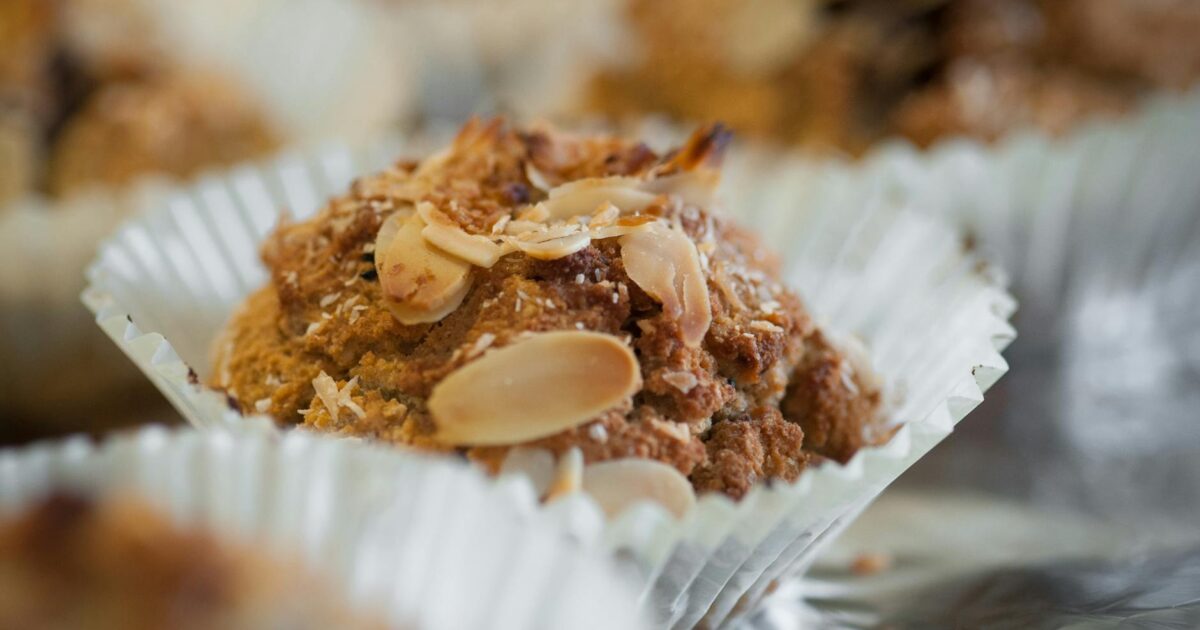
Imagine biting into a perfectly golden, shatteringly crisp pastry, layers upon layers of delicate dough giving way to a tender interior. It’s pure bliss, right? For many, this dream dessert or savory treat has felt out of reach due to gluten intolerance or celiac disease. But I’m here to tell you that the magical world of gluten free puff pastry is not only accessible but also incredibly delicious. After years of experimenting in my own kitchen and exploring what the market offers, I’ve gathered the insights you need to master this tricky yet rewarding bake.
This isn’t just about finding a substitute; it’s about embracing a new way to enjoy one of baking’s most beloved creations. Whether you’re a seasoned gluten-free baker or just starting, this guide will equip you with the knowledge to select, prepare, and bake with gluten free puff pastry like a pro.
Table of Contents
The Gluten-Free Challenge: Why It’s Tricky
Store-Bought vs. Homemade Gluten Free Puff Pastry
Tips for Baking Perfect Gluten Free Puff Pastry
Delicious Gluten Free Puff Pastry Recipes
Final Thoughts on Gluten Free Puff Pastry
What Exactly is Puff Pastry?
At its heart, puff pastry is a delicate, flaky dough made from simple ingredients: flour, water, and butter. The magic happens through a process called lamination. This involves repeatedly rolling and folding a dough (called the détrempe) around a block of butter (the beurrage). With each fold and roll, you create thin layers of dough separated by thin layers of butter. When baked, the water in the butter and dough turns to steam, pushing these layers apart and creating that signature airy, crisp texture. It’s this intricate layering that gives puff pastry its incredible lightness and crispness.
The key to traditional puff pastry is gluten. Gluten, a protein found in wheat flour, provides elasticity and structure. It allows the dough to be stretched thin without tearing during the many rolling and folding stages, and it traps the steam generated during baking, which is crucial for puffing. Without gluten, achieving those distinct, airy layers becomes a significant baking hurdle.
The Gluten-Free Challenge: Why It’s Tricky
Making gluten free puff pastry is a baking Everest. Traditional recipes rely heavily on gluten’s unique properties for structure and stretch. When you remove gluten, you lose that essential elasticity. This means the dough is more prone to tearing, making the lamination process—the repeated rolling and folding—incredibly difficult. Without the gluten network to hold everything together, the layers can meld or break apart unevenly during handling and baking.
Furthermore, gluten helps trap moisture and air. In gluten-free baking, achieving the right moisture balance and structure is paramount. You often need alternative binders like xanthan gum or psyllium husk to mimic gluten’s binding and texturizing capabilities. Getting the butter to dough ratio just right is also critical; too much or too little, or butter that’s too warm, can lead to a greasy, dense result rather than light, flaky layers.
Store-Bought vs. Homemade Gluten Free Puff Pastry
The decision between buying pre-made gluten free puff pastry and making it from scratch often comes down to time, skill, and desired outcome. For convenience, several brands now offer frozen gluten free puff pastry sheets. These are lifesavers for busy bakers. I’ve personally found brands like Jus-Rol (in some regions) and Schär to be quite reliable, though availability can vary. They’ve done the hard work of lamination for you, so you just need to thaw and use.
However, the taste and texture of store-bought options can sometimes be a compromise. They might not achieve the same ethereal lightness or buttery richness as a well-made homemade version. Making it yourself offers complete control over ingredients and quality. You can ensure it’s dairy-free if needed, use high-quality butter, and tailor the flour blend for optimal texture. The process is labor-intensive and requires patience, often taking several hours or even days, but the reward is unparalleled.
Here’s a quick comparison:
| Feature | Store-Bought Gluten Free Puff Pastry | Homemade Gluten Free Puff Pastry |
|---|---|---|
| Convenience | High – Thaw and use | Low – Time and effort intensive |
| Texture | Variable, can be less flaky | Potentially superior, very flaky |
| Ingredient Control | Limited | Full control (e.g., dairy-free, flour types) |
| Cost | Can be expensive per sheet | Lower ingredient cost, higher time cost |
| Skill Required | Minimal | High – Patience and technique needed |
Tips for Baking Perfect Gluten Free Puff Pastry
Regardless of whether you bought it or made it, achieving that perfect bake requires attention to detail. My years of working with gluten-free doughs have taught me a few tricks. First, preheating your oven is absolutely critical. A hot oven is essential for creating the steam needed for puffing. Ensure your oven rack is in the center position.
Second, don’t overcrowd your baking sheet. Give the pastry plenty of space to expand. Use parchment paper to prevent sticking and ensure easy cleanup. If you’re making small pastries, like turnovers or palmiers, ensure the edges are well-sealed to prevent butter leakage. A light egg wash (or dairy-free alternative) can give a beautiful golden sheen, but avoid letting it drip down the sides, as this can hinder the pastry’s rise.
For the best results, I always recommend blind baking the pastry if it’s going to be filled with a wet filling. This involves baking the pastry shell partially before adding the filling. Prick the base with a fork and line with parchment paper and baking beans or pie weights. This prevents a soggy bottom, a common issue in gluten-free bakes.
One counterintuitive insight? Sometimes, a slightly lower baking temperature after the initial puff can help ensure the inside cooks through without the outside burning. For example, starting at 400°F (200°C) for 10-15 minutes to get the initial lift, then reducing to 350°F (175°C) for another 10-20 minutes to finish baking.
Delicious Gluten Free Puff Pastry Recipes
The possibilities with gluten free puff pastry are vast! For a simple yet elegant appetizer, try making quick cheese straws. Cut the pastry into strips, brush with a little olive oil or dairy-free spread, sprinkle with grated hard cheese (like Parmesan or a vegan alternative) and a pinch of herbs, then twist and bake until golden. They’re always a crowd-pleaser.
For a sweet treat, consider mini fruit tarts. Cut circles from the pastry, score a border about half an inch from the edge, prick the center with a fork, and bake until puffed and golden. Once cooled slightly, fill the center with your favorite jam or fresh fruit and a dollop of whipped cream or coconut cream. It’s a delightful dessert that looks and tastes impressive.
You can also use it for savory pies. Imagine a gluten-free mushroom and spinach Wellington or a creamy chicken pot pie topped with a golden puff pastry lid. The key is to ensure your filling isn’t excessively wet, or to blind bake the base if necessary. The versatility truly shines here, transforming simple ingredients into gourmet meals.
A fantastic resource for understanding pastry techniques, including gluten-free adaptations, can be found through culinary institutions. For instance, the Culinary Institute of America often shares insights into fundamental baking science that can be applied here. While they might not have a specific gluten-free puff pastry recipe, understanding the principles of dough hydration and fat incorporation is invaluable. You can explore their general baking resources to deepen your knowledge.
“Gluten-free baking requires a different understanding of structure and binding agents. While traditional puff pastry relies on gluten’s elasticity, gluten-free versions must carefully balance alternative flours, binders like xanthan gum, and precise fat-to-dough ratios to achieve flakiness.”
Frequently Asked Questions
Can I use regular flour in gluten free puff pastry?
No, you cannot use regular wheat flour in gluten free puff pastry. The entire purpose of gluten free puff pastry is to avoid wheat flour and the gluten protein it contains. Using regular flour would defeat the purpose and make it unsuitable for those with celiac disease or gluten sensitivities.
How long does gluten free puff pastry last in the fridge?
Once thawed, store-bought gluten free puff pastry typically lasts for 2-3 days in the refrigerator. Always check the packaging for specific instructions. Homemade dough should ideally be used within 2 days for best results, ensuring it remains well-chilled.
What is the best gluten free flour blend for puff pastry?
A good gluten free flour blend for puff pastry often includes a mix of rice flour (white or brown), tapioca starch, and potato starch. Adding a small amount of sorghum or almond flour can also improve texture and flavor. Xanthan gum is usually essential as a binder.
Can I freeze gluten free puff pastry?
Yes, most store-bought gluten free puff pastry is sold frozen and can be refrozen if thawed and not used, though quality might slightly decrease. Homemade dough can also be frozen, well-wrapped, for up to a month. Thaw slowly in the refrigerator before use.
Why is my gluten free puff pastry not puffing?
If your gluten free puff pastry isn’t puffing, it’s likely due to insufficient chilling of the dough and butter, oven temperature being too low, or the layers not being properly sealed. Ensuring the dough is cold, the oven is hot, and there are no leaks is crucial for proper puffing.
Final Thoughts on Gluten Free Puff Pastry
Navigating the world of gluten free puff pastry might seem daunting at first, but with the right knowledge and a little patience, you can achieve truly spectacular results. Whether you opt for the convenience of store-bought sheets or the satisfaction of a homemade creation, the flaky, buttery goodness is well within your reach. Remember to keep everything cold, preheat your oven thoroughly, and don’t be afraid to experiment. Embrace the challenge, and soon you’ll be creating your own gluten-free pastry masterpieces that will impress everyone, gluten-free or not.



Sabrina
Expert contributor to OrevateAI. Specialises in making complex AI concepts clear and accessible.