
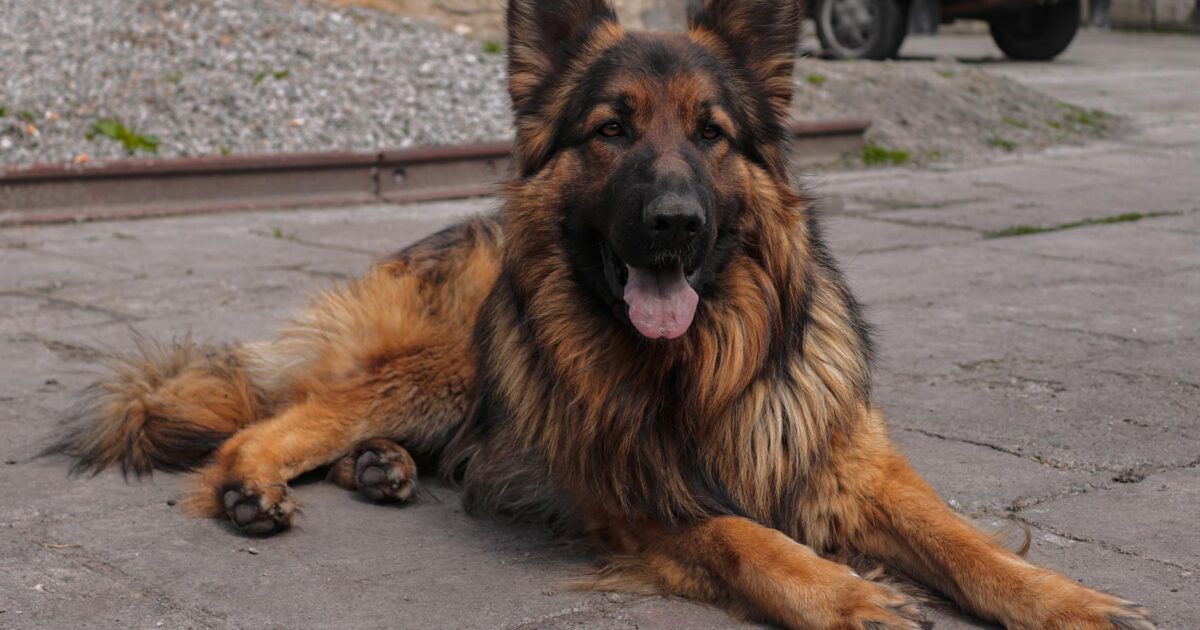
So, you’re thinking about bringing a German Shepherd mix into your life? Smart move! These dogs often represent a fantastic blend of the intelligence, loyalty, and protective nature of the German Shepherd, combined with the unique characteristics of their other parent breed. They’re not just any dog; they’re a unique personality waiting to unfold. Experts who work with various breeds observe that German Shepherd mixes consistently stand out for their adaptability and devotion.
Last updated: April 26, 2026 (Source: akc.org, general breed knowledge)
The appeal of a German Shepherd mix lies in their potential for well-rounded temperaments and, in some cases, a reduced likelihood of inheriting breed-specific health issues, though this is not guaranteed. Each mix is an adventure, a delightful surprise package of traits. If you’re looking for a canine companion that’s both a protector and a playful family member, you’ve come to the right place. Let’s explore what makes these mixed breeds so special and how to best care for them as of April 2026.
Latest Update (April 2026)
Recent reports highlight the ongoing popularity of German Shepherd mixes in shelters and rescue organizations across the country. As KHTS Radio reported on April 24, 2026, a gorgeous German Shepherd mix named Dutchess was urgently seeking a home from the Castaic Animal Shelter. Similarly, The Southern Maryland Chronicle featured Noah, a loyal German Shepherd mix, on April 25, 2026, emphasizing the strong bonds these dogs form with their families and their readiness for adoption. These stories underscore the consistent demand for these versatile companions, with shelters actively working to match them with suitable forever homes.
Popular German Shepherd Mixes: What to Expect
The German Shepherd’s inherent intelligence and trainability make them a highly sought-after breed for crossbreeding. When you mix a German Shepherd with another breed, you unlock a fascinating combination of traits. Here are a few popular examples, detailing what prospective owners might expect as of April 2026:
- Shepdoodle (Shepherd-Poodle Mix): Often highly intelligent and trainable, with a coat that can range from wavy to curly. This coat type potentially offers lower shedding, appealing to those with sensitivities. They typically inherit the Shepherd’s loyalty and the Poodle’s renowned smarts.
- Golden Shepherd (German Shepherd-Golden Retriever Mix): Expect a friendly, intelligent, and devoted dog. This mix frequently combines the Golden Retriever’s eager-to-please nature with the Shepherd’s protective instincts, making for a wonderful family pet.
- German Chow (German Shepherd-Chow Chow Mix): This mix can be more independent and aloof than a purebred German Shepherd, often exhibiting a strong protective streak. Early and consistent socialization is particularly important for this combination to ensure a well-adjusted temperament.
- Shepsky (German Shepherd-Husky Mix): Known for their striking looks and exceptionally high energy levels. This mix is intelligent but can be stubborn, requiring experienced handling and ample daily exercise to manage their drive.
- Corgi Shepherd (German Shepherd-Corgi Mix): A unique combination resulting in a dog with the intelligence and spirit of a Shepherd but in a shorter, sturdier body. They can be surprisingly agile and alert, often retaining the herding instincts of the Corgi parent.
It is crucial to remember that each crossbreed is a unique individual, and not all dogs within a specific mix will exhibit the same traits. Genetics play a significant role in determining the final appearance, temperament, and health of the dog.
Temperament and Personality of a German Shepherd Mix
German Shepherd mixes typically inherit a strong sense of loyalty and a deep desire to protect their family. Their high intelligence means they can learn commands quickly, but it also necessitates consistent mental stimulation to prevent boredom and potential destructive behaviors. Many mixes are eager to please their owners, making them highly responsive to training efforts.
However, the precise temperament can vary greatly depending on the influence of the other parent breed. For instance, a mix with a more laid-back breed might exhibit a calmer demeanor than a purebred German Shepherd, while a mix with another high-energy breed will almost certainly require a very active lifestyle. Early and ongoing socialization is paramount to ensuring your German Shepherd mix grows into a confident, well-adjusted adult dog, comfortable around new people and other animals.
Important: While many German Shepherd mixes are excellent family dogs, their inherent protective instincts and potential for high energy mean they are not always suitable for first-time dog owners or households with very young children without dedicated supervision and consistent training. Always research the specific parent breeds involved to anticipate potential traits.
Training and Socialization for Your Mix
Training a German Shepherd mix is often a rewarding experience due to their intelligence and eagerness to learn. Experts recommend starting training and socialization as early as possible, ideally when they are puppies. Positive reinforcement methods, such as treats, praise, and play, prove most effective. Consistency is your most valuable ally in this process. Short, engaging training sessions help maintain your dog’s interest and focus.
Socialization involves exposing your puppy to a wide variety of sights, sounds, people, and other well-behaved dogs in a positive and controlled manner. This crucial process helps them develop into confident, well-behaved adults, less prone to fear or reactivity. Without adequate socialization, even the most well-bred German Shepherd mix can develop behavioral issues. Enrolling in reputable puppy classes as soon as your veterinarian gives the approval is highly recommended. These classes offer a fantastic environment for socialization while simultaneously teaching basic obedience skills.
A common mistake owners make is assuming their dog will simply ‘grow out’ of undesirable behaviors like jumping or excessive barking. For an intelligent breed like a German Shepherd mix, consistent training and the establishment of clear boundaries from day one are essential. These dogs thrive on structure and clear expectations.
Health and Nutrition Considerations
Mixed breeds can sometimes benefit from what is known as ‘hybrid vigor,’ potentially meaning they may experience fewer inherited health problems compared to their purebred parents. However, German Shepherd mixes can still be susceptible to certain health conditions. These commonly include hip and elbow dysplasia, bloat (gastric dilatation-volvulus), and specific eye conditions, heavily dependent on the genetic predispositions of the parent breeds. As of April 2026, veterinary research continues to explore the nuances of hybrid vigor in canine health.
The average lifespan for a German Shepherd mix typically ranges from 9 to 13 years. This range, however, is significantly influenced by genetics, diet, exercise levels, and the overall quality of health care provided throughout their life. (Source: American Kennel Club, general breed knowledge as of 2026)
Providing a high-quality diet appropriate for their age, size, and activity level is fundamental to their well-being. Consult your veterinarian to determine the best food options, considering factors like protein content, fat levels, and any specific nutritional needs your individual dog may have. Monitoring their weight is also critical, as obesity can exacerbate joint issues and other health concerns.
Grooming and Exercise Needs
German Shepherd mixes, particularly those with a double coat similar to the parent breed, will likely require regular grooming. Brushing several times a week helps manage shedding, which can be moderate to heavy depending on the individual dog and the season. Professional grooming might be beneficial periodically, especially for managing undercoat and ensuring coat health. Regular nail trims, ear cleaning, and dental hygiene are also part of a comprehensive grooming routine.
Exercise needs vary significantly based on the mix. A German Shepherd mix often requires substantial daily physical activity. This can include long walks, runs, hiking, or engaging in dog sports like agility or obedience training. Mental stimulation is equally important; puzzle toys, training sessions, and interactive games can help prevent boredom and destructive behaviors. Cleveland.com recently shared a heartwarming story about Otis, a dog described as the ‘bestest dog,’ highlighting the deep connection owners have with their pets and the joy they bring, often fueled by shared activities.
Finding Your Perfect German Shepherd Mix
When searching for your ideal German Shepherd mix, consider adopting from a reputable rescue organization or shelter. Many wonderful mixes like Noah and Dutchess are awaiting homes, as reported by The Southern Maryland Chronicle and KHTS Radio in April 2026. These organizations often have a good understanding of the dogs’ temperaments and histories, helping you make an informed choice.
If you opt for a breeder, ensure they prioritize the health and temperament of their dogs. Responsible breeders will conduct health screenings on parent dogs and be transparent about any potential genetic predispositions. Avoid breeders who seem unwilling to answer questions or who cannot provide health clearances for the parent breeds.
Frequently Asked Questions
Are German Shepherd mixes good for first-time dog owners?
Generally, German Shepherd mixes require experienced handling due to their intelligence, potential for high energy, and protective instincts. While some may adapt well, they often need consistent training, early socialization, and a clear understanding of canine behavior, making them a more challenging choice for novice owners compared to some other breeds. Responsible ownership involves dedicating significant time to training and socialization.
How much exercise does a German Shepherd mix need daily?
Daily exercise needs can range from 60 to 120 minutes, depending on the specific mix and the energy level of the parent breeds. This typically includes a combination of brisk walks, opportunities to run, and mentally stimulating activities. High-energy mixes, like the Shepsky, may require even more vigorous activity.
What is the average cost of a German Shepherd mix puppy?
The cost of a German Shepherd mix puppy can vary widely based on factors like breeder reputation, location, and the specific parent breeds involved. As of April 2026, prices can range from approximately $500 to $2,500 or more. Adoption fees from shelters or rescues are typically much lower, often ranging from $150 to $500, and usually include initial vaccinations and spaying/neutering.
Are German Shepherd mixes prone to specific health problems?
Yes, while mixed breeds can sometimes have fewer genetic issues, German Shepherd mixes can still be prone to conditions common in German Shepherds, such as hip and elbow dysplasia, bloat, and certain degenerative diseases. The specific risks depend heavily on the genetics of the other parent breed. Regular veterinary check-ups are essential for early detection and management.
How long do German Shepherd mixes typically live?
The average lifespan for a German Shepherd mix is generally between 9 to 13 years. This lifespan is influenced by a combination of genetic factors, diet, exercise, lifestyle, and the quality of veterinary care received throughout their lives.
Conclusion
German Shepherd mixes offer a compelling combination of intelligence, loyalty, and protective instincts, making them remarkable companions for the right owners. Their adaptability and potential for unique personalities mean each dog is an individual worth understanding. By committing to early socialization, consistent positive reinforcement training, proper nutrition, and adequate exercise, you can help your German Shepherd mix thrive and become a cherished member of your family. As demonstrated by the ongoing adoption efforts for dogs like Noah and Dutchess, these mixes continue to capture hearts and find their place in loving homes across the country in 2026.
Sabrina
2 writes for OrevateAi with a focus on agriculture, ai ethics, ai news, ai tools, apparel & fashion. Articles are reviewed before publication for accuracy.


