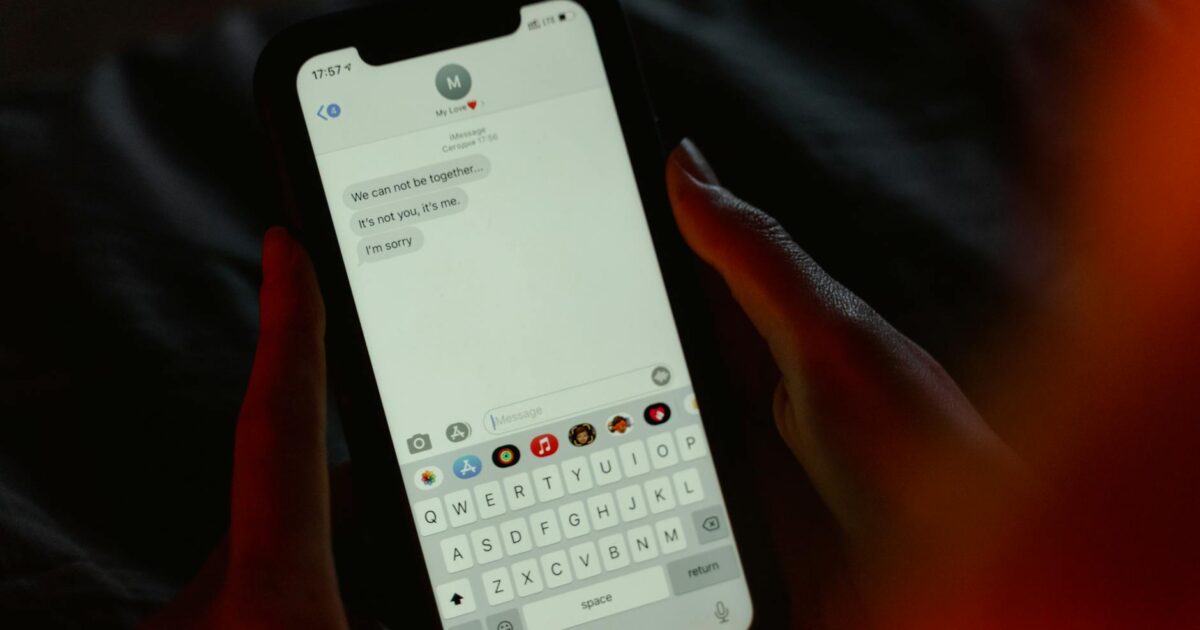
You’re scrolling through your messages, maybe chatting with a friend, and suddenly you see it: ‘FS’. What does FS even mean in text? It’s one of those abbreviations that can leave you scratching your head if you haven’t encountered it before. Don’t worry, I’ve been navigating the world of online communication and text slang for years, and deciphering these quick codes is part of the fun (and sometimes, the confusion!).
The truth is, ‘FS’ isn’t as universally defined as ‘LOL’ or ‘BRB’. Its meaning can shift depending on the context and the people using it. This can make it a bit tricky to pin down. But fear not! By the end of this guide, you’ll be an expert on the different ways ‘FS’ is used in text and online conversations.
Let’s break down the most common interpretations and how you can use them confidently.
Last updated: April 2026
What Does FS Mean in Text? The Primary Meanings
The most prevalent meaning of ‘FS’ in texting and online chat is ‘For Sure’. It’s a casual way to express agreement, confirmation, or certainty about something.
Think of it as a more laid-back version of ‘definitely’, ‘absolutely’, or ‘yes, I agree’. It’s often used to affirm a plan, a statement, or an idea. For instance, if someone asks, ‘Are you coming to the party tonight?’ and you reply, ‘FS’, you’re confirming your attendance enthusiastically.
This usage is incredibly common across various social media platforms, messaging apps, and even in casual spoken conversations that mimic online lingo.
Exploring Other ‘FS’ Meanings in Text and Online
While ‘For Sure’ is the frontrunner, ‘FS’ can sometimes stand for other phrases, though these are less common in general texting and more context-specific:
- ‘F S‘: This is a more vulgar and aggressive interpretation. It’s used to express frustration, anger, or to describe a chaotic or terrible situation. You’ll typically see this used in contexts where people are venting or describing something going very wrong. For example, ‘My car broke down on the highway, FS.’ This is definitely not a polite usage and should be used with extreme caution, if at all, as it can be offensive.
- ‘Fake S‘: Similar to the above, this usage implies something is not genuine or is a deception. It might be used to call out something as inauthentic or untrustworthy. For example, ‘That influencer’s story seems like fake s.’
- ‘First Strike’: In gaming contexts, ‘FS’ can sometimes refer to a ‘First Strike’, which is an advantage gained by attacking an opponent before they can act. This is highly specific to gaming communities.
It’s crucial to distinguish between these meanings. The ‘For Sure’ interpretation is by far the most widespread and generally accepted in everyday digital communication. The others are more niche or offensive and are usually recognizable by the surrounding text or the overall tone of the conversation.
How to Use ‘FS’ Correctly in Your Texts
Using ‘FS’ effectively is all about context and audience. If you’re aiming for the common, friendly meaning of ‘For Sure’, here’s how to go about it:
- Confirming Plans: If a friend suggests meeting up, you can reply with ‘FS’ to confirm you’re on board. ‘Pizza at 7?’ ‘FS, see you there!’
- Agreeing with a Statement: When someone expresses an opinion you share, ‘FS’ can be a quick way to show agreement. ‘This weather is amazing.’ ‘FS, I’m so glad it’s finally sunny.’
- Expressing Certainty: If you’re confident about something, ‘FS’ can reinforce that. ‘Will you finish the report by Friday?’ ‘FS, I’m on track.’
- Adding Emphasis: Sometimes, ‘FS’ can just add a bit of casual emphasis to your affirmation. It sounds more engaged than a simple ‘yes’.
When I first started seeing ‘FS’ used online, I admit I was a little confused. I’d see it after someone made a bold statement, and I wasn’t sure if they were agreeing or disagreeing. It took a few conversations and observing how others used it to really grasp the ‘For Sure’ meaning. The key is that it usually comes after a statement or question that requires a confirmation or agreement.
Common Mistakes to Avoid with ‘FS’
One common mistake people make is using ‘FS’ in formal communication, like in a business email or a professional setting. While it’s a versatile abbreviation in casual chats, it’s generally too informal for professional contexts. Stick to ‘definitely’, ‘certainly’, or ‘yes’ in those situations.
Another pitfall is assuming everyone knows what ‘FS’ means. While it’s popular, there are still many people who aren’t familiar with internet slang. If you’re texting someone you suspect might not be up-to-date on abbreviations, it’s safer to spell it out or use a clearer phrase.
When to Use ‘FS’ vs. Other Affirmations
The beauty of language is its nuance, and text speak is no different. Here’s a quick comparison of ‘FS’ with similar phrases:
- Casual confirmation of plans.
- Quick agreement with a friend’s opinion.
- Expressing casual certainty.
- Adding a relaxed emphasis to your response.
- ‘Yes’/’Okay’: Simple, direct agreement.
- ‘Definitely’/’Absolutely’: Stronger, more formal certainty.
- ‘I agree’: Explicit statement of shared opinion.
- ‘You bet’: Enthusiastic, informal confirmation.
My personal experience with using these different phrases is that ‘FS’ strikes a perfect balance between casual and committed. It’s not as bland as ‘yes’ and not as intense as ‘absolutely’. It feels current and friendly.
The Rise of Text Abbreviations and ‘FS’
The use of abbreviations like ‘FS’ is a natural evolution of how we communicate digitally. With the speed of texting and social media, people naturally look for ways to shorten their messages. This has led to a rich ecosystem of acronyms, initialisms, and slang that constantly evolves.
According to a 2023 report by the Pew Research Center on digital communication habits, the use of text speak and abbreviations remains high among younger demographics, though its adoption varies across age groups and platforms. This trend shows no signs of slowing down, making it important to stay updated.
The average person sends and receives over 100 text messages per day, according to data from Statista in 2023, highlighting the need for efficient communication methods.
‘FS’ fits perfectly into this trend. It’s short, punchy, and conveys a clear meaning (usually!) to those in the know. It’s a small piece of the larger puzzle of how we adapt language for the digital age.
A Real-World Example: Navigating Plans
Let’s say you and your friend Sarah are planning a weekend trip. Sarah texts you:
Sarah: ‘Hey, thinking we should book that cabin for next weekend. It’s the last one available!’
You: ‘Oh wow, that’s fast! Is it the one with the lake view?’
Sarah: ‘Yep, that’s the one!’
You: ‘FS, let’s book it before someone else does. I’ll send you the link to pay my half.’
In this scenario, ‘FS’ clearly means ‘For Sure’, indicating your firm agreement and readiness to proceed with booking the cabin. It efficiently communicates your commitment without needing a lengthy explanation.
Expert Tip: Contextual Clues for ‘FS’
Frequently Asked Questions
What is the most common meaning of FS in texting?
The most common meaning of ‘FS’ in texting and general online conversation is ‘For Sure’. It’s used to express agreement, confirmation, or certainty in a casual way, similar to saying ‘definitely’ or ‘absolutely’.
Can FS mean something else besides ‘For Sure’?
Yes, ‘FS’ can sometimes stand for more vulgar phrases like ‘F S‘ or ‘Fake S*‘, indicating frustration or disbelief. In specific gaming contexts, it might mean ‘First Strike’. However, ‘For Sure’ is the overwhelmingly dominant meaning in everyday texting.
Is ‘FS’ appropriate for professional communication?
No, ‘FS’ is generally considered too informal for professional communication. While common in casual chats, using it in emails or business messages can appear unprofessional. It’s best to use full words like ‘certainly’ or ‘definitely’ in formal settings.
How can I tell which meaning of FS is being used?
Context is key. If the conversation is casual and the ‘FS’ is used to affirm a plan or statement, it’s likely ‘For Sure’. If the tone is angry, frustrated, or critical, and the surrounding words suggest negativity, it might be one of the more offensive meanings.
Should I use ‘FS’ if I’m not sure the other person will understand?
It’s always a good idea to err on the side of clarity. If you think the person you’re texting might not be familiar with internet slang or abbreviations, it’s better to spell out ‘For Sure’ or use a different phrase to avoid confusion.
Conclusion
So, there you have it! The versatile ‘FS’ primarily means ‘For Sure’ in the world of text messages and online chats. It’s a quick, casual way to confirm, agree, or show certainty. While other, less common meanings exist, they are usually identifiable by context or are specific to particular communities like gaming.
Understanding these nuances helps you communicate more effectively and confidently in our increasingly digital world. Next time you see ‘FS’, you’ll know exactly what’s up – for sure!




Sabrina
Expert contributor to OrevateAI. Specialises in making complex AI concepts clear and accessible.