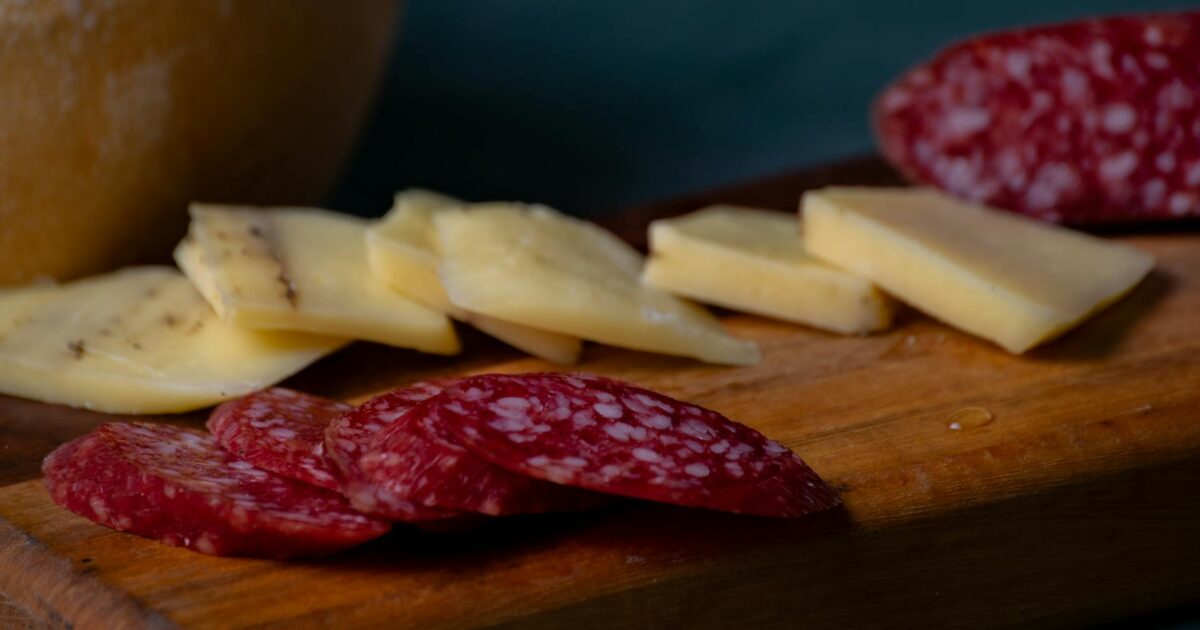
The sizzling sound of Dominican salami hitting a hot pan is more than just a culinary prelude; it’s a symphony that evokes memories of home, family, and the vibrant spirit of the Dominican Republic. This beloved cured meat holds a truly special place in the hearts and on the plates of Dominicans worldwide, embodying a taste that’s uniquely Caribbean and undeniably delicious. Far from being just another cold cut, Dominican salami is a staple, a comfort food, and an essential component of countless traditional meals, deeply woven into the fabric of daily life on the island.
Last updated: April 26, 2026
Latest Update (April 2026)
As of April 2026, Dominican salami continues to gain broader culinary recognition. While its traditional preparation remains popular, chefs and home cooks are increasingly experimenting with its savory profile in diverse dishes. Reports from culinary trend analyses in early 2026 indicate a growing interest in authentic, heritage-driven ingredients, with Dominican cuisine, including its iconic salami, often highlighted. Specialty food retailers are expanding their selections, and online communities dedicated to Caribbean cooking are sharing innovative recipes, further cementing Dominican salami’s place in the global food conversation.
Many people might picture European varieties when they hear the word “salami,” but Dominican salami possesses its own distinct identity. It is typically a cooked, cured sausage, made from a blend of pork and beef, seasoned with a unique mix of spices that give it its signature flavor. Unlike its drier, often fermented European cousins, Dominican salami is softer, denser, and designed for frying. Its characteristic reddish hue and firm texture make it instantly recognizable, whether it’s sliced thick for a hearty breakfast or diced finely to complement a savory stew. This versatility is one of its greatest strengths, allowing it to adapt to various culinary applications with ease.
The Heart of Dominican Breakfast: Los Tres Golpes
The role of Dominican salami in the national cuisine can’t be overstated. It is an indispensable part of los tres golpes, the quintessential Dominican breakfast. As highlighted by Tasting Table in November 2023, this traditional morning meal features mangú (mashed plantains) served alongside fried cheese and fried eggs. The crispy, salty slices of salami provide the perfect counterpoint to the creamy plantains and rich eggs, creating a truly satisfying and energizing start to the day. Beyond breakfast, Dominican salami makes appearances in lunches and dinners, often accompanying rice and beans, or sliced thinly into sandwiches. Its distinct flavor stands up well to other bold ingredients, making it a reliable addition to any meal.
Simple Preparation, Profound Flavor
Preparing Dominican salami is straightforward, yet the results are always profoundly satisfying. The most common method involves simply frying the slices until they achieve a beautiful golden-brown crispness around the edges, while remaining tender inside. The fat renders out, creating a wonderfully flavorful oil that’s often used to fry the accompanying ingredients, thus intensifying the overall taste of the dish. Some people prefer to boil the salami briefly before frying, which helps to soften it slightly and reduce some of its saltiness, though true aficionados often skip this step to preserve its full, unadulterated flavor. It is this simplicity in preparation that makes Dominican salami so accessible and cherished in busy Dominican households.
A Taste of Home for the Diaspora
The appeal of Dominican salami extends beyond the physical borders of the Dominican Republic. In cities across the United States and Europe, finding authentic Dominican salami is a point of pride and a way to maintain a connection to heritage. Specialty stores and Latin American supermarkets often stock several brands, each promising that familiar taste of home. For Dominicans living abroad, a package of this salami is more than just food; it’s a piece of their culture, a reminder of family gatherings, and a tangible link to their roots. As reported by Block Club Chicago in November 2023, even family-owned restaurants are expanding to larger spots, indicating a growing demand and appreciation for Dominican cuisine in new locations.
Evolving Culinary Presence
The unique flavor profile of Dominican salami continues to find its way into broader culinary conversations. While frying remains traditional, its savory punch, often complemented by hints of garlic and oregano, makes it an excellent ingredient for experimentation. This classic Caribbean flavor is being recognized in various food scenes. For instance, Caribbean food has been featured in guides to the best food in cities like Boston, as noted by Boston Magazine in February 2025, underscoring the increasing visibility of Dominican culinary contributions. While not specifically mentioned in the State Fair of Texas’s Big Tex Choice Awards finalists in August 2024 or its winners in August 2024, the growing recognition of diverse flavors suggests that unique ingredients like Dominican salami could inspire future culinary innovations and competitions.
The growing popularity of Dominican cuisine globally, as evidenced by its increased presence in food media and city guides as of 2026, suggests a bright future for ingredients like Dominican salami. According to culinary experts, the demand for authentic ethnic foods continues to rise, with consumers actively seeking out distinct flavors and traditional preparations. This trend benefits products like Dominican salami, which offer a direct connection to Caribbean culture and culinary heritage. Restaurants and food bloggers are increasingly featuring Dominican dishes, bringing them to the attention of a wider audience and driving demand in both domestic and international markets.
Frequently Asked Questions
What makes Dominican salami different from Italian salami?
Dominican salami is typically a cooked, cured sausage made from pork and beef, seasoned with a unique spice blend, and is softer and denser, intended for frying. Italian salami, conversely, is usually dry-cured, fermented, and often enjoyed sliced thinly without cooking, offering a firmer texture and a more intensely fermented flavor profile. The spice profiles also differ significantly, with Dominican salami often featuring notes of garlic, oregano, and sometimes a hint of vinegar, while Italian varieties might include black pepper, fennel, or chili flakes.
How is Dominican salami traditionally prepared?
The most common and traditional preparation for Dominican salami involves frying slices until they are golden brown and slightly crispy on the edges, while maintaining a tender interior. This method is a cornerstone of the Dominican breakfast, los tres golpes, where it complements mangú, fried cheese, and eggs. The rendered fat from frying is also frequently used to cook other components of the meal, enhancing the overall flavor. Some cooks may opt for a brief boiling step before frying to soften the texture or reduce saltiness, but many prefer the direct frying method for maximum flavor and crispness.
Can Dominican salami be used in other dishes besides breakfast?
Absolutely. Beyond its breakfast fame, Dominican salami’s robust and savory flavor profile makes it incredibly versatile. It can be sliced thinly and added to sandwiches, providing a flavorful protein boost. Diced finely, it can be incorporated into rice and bean dishes, adding depth and a salty kick. It also works well in stews, mixed into scrambled eggs, or even used as a flavorful base for savory pastries and empanada fillings. Its ability to hold its own against other strong flavors makes it a valuable ingredient in many Dominican and Caribbean-inspired recipes as of 2026.
Where can I find authentic Dominican salami outside the Dominican Republic?
Authentic Dominican salami is readily available in specialty Latin American and Caribbean markets, particularly in areas with significant Dominican populations in the United States, Canada, and parts of Europe. Many well-stocked supermarkets that carry international foods also offer it. Online retailers specializing in ethnic groceries are another reliable source, often shipping directly to consumers across various regions. When purchasing, look for brands known for their traditional recipes to ensure an authentic taste experience.
What are some popular brands of Dominican salami available in 2026?
As of April 2026, several brands consistently receive high marks from consumers for their authentic flavor and quality. While availability can vary by region, popular choices often include Induveca, Campofrio (Dominican Republic line), and so many others that are staples in Dominican households. These brands are recognized for their consistent texture and well-balanced spice profiles, making them favorites for both everyday meals and special occasions. Consumers often seek out these trusted names when purchasing Dominican salami abroad to ensure they are getting a taste that reminds them of home.
Conclusion
Dominican salami is far more than just a cured meat; it is a cultural icon, a culinary cornerstone, and a source of deep national pride. Its unique preparation, distinct flavor, and integral role in beloved dishes like los tres golpes solidify its status as an authentic Caribbean classic. Whether enjoyed as part of a traditional breakfast or incorporated into new culinary creations, Dominican salami continues to captivate palates and connect people to the vibrant heritage of the Dominican Republic in 2026 and beyond.
Sabrina
2 writes for OrevateAi with a focus on agriculture, ai ethics, ai news, ai tools, apparel & fashion. Articles are reviewed before publication for accuracy.