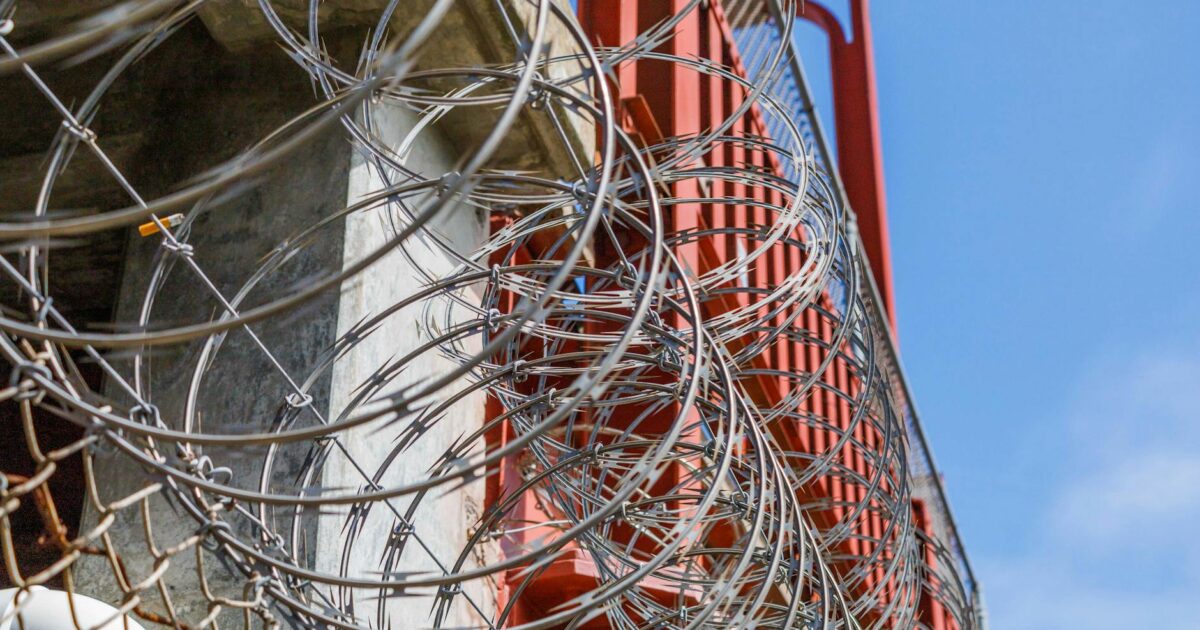
When serious perimeter security is required, concertina wire stands out as a primary solution. This formidable barrier, distinguished by its sharp, spiraling coils, is engineered to deter and delay unwanted access in high-risk environments. Security experts frequently recommend it when maximum deterrence is essential. This guide breaks down everything you need to know about concertina wire as of April 2026, from its various types and common applications to the critical safety measures required for its handling and deployment.
Latest Update (April 2026)
Recent developments in perimeter security technology, as noted by the Department of Homeland Security (dhs.gov) in early 2026, emphasize the continued reliance on robust physical barriers like concertina wire for critical infrastructure protection. Advancements in deployment methods, including rapid-response systems for temporary high-security needs, are becoming more prevalent. Additionally, updated regulations in several jurisdictions now provide clearer guidelines on the permissible use and installation of concertina wire, reflecting its ongoing importance in national security and law enforcement contexts. Manufacturers are also exploring enhanced corrosion-resistant materials and sharper blade designs, aiming to increase the longevity and deterrent effect of these barriers.
What Exactly is Concertina Wire?
Concertina wire is a type of security barrier constructed from steel wire formed into large, sharp-coiled loops. These coils are typically fastened together at intervals, allowing them to be expanded into a dense, formidable barrier. The name originates from its visual resemblance to the bellows of a concertina musical instrument when stretched. It represents a significant evolution from simple barbed wire, designed for substantially enhanced effectiveness and deterrence.
The defining characteristic of concertina wire is its razor-sharp blades or spikes that protrude from the steel strands. These are not merely decorative; they are intentionally designed to inflict injury and snag clothing, making any attempt to breach the barrier extremely difficult, painful, and time-consuming. This aggressive design makes it a highly effective physical deterrent. The visual presence of concertina wire alone, as many security professionals observe, can deter casual trespassers due to its menacing appearance.
Primary Applications of Concertina Wire
The applications for concertina wire are specific, primarily revolving around situations where a high level of security and deterrence is paramount. It is generally not deployed around typical residential properties; its use is reserved for critical areas demanding superior protection.
Perimeter Security for High-Risk Zones
This is the most common and critical use case. Concertina wire is deployed to secure a variety of sensitive locations, including:
- Military bases and installations
- Prisons and correctional facilities
- Critical infrastructure sites (e.g., power plants, water treatment facilities, data centers)
- Border crossings and sensitive government facilities
- Temporary security for large-scale events, disaster sites, or high-profile dignitary protection
- Industrial sites and high-value storage areas
Its primary function in these settings is to create a solid, extremely difficult-to-breach barrier that significantly slows down or completely stops unauthorized entry. The sheer difficulty and danger involved in crossing it make it an indispensable tool for maintaining control over sensitive operational areas.
Deterrence Against Trespassing and Vandalism
Beyond its role in preventing active breaches, concertina wire serves as a powerful visual deterrent. The mere sight of this barrier signals that an area is heavily protected and that attempts to breach it will result in severe consequences. According to security industry reports as of 2026, this visual deterrent is effective in preventing vandalism, illegal dumping, and unauthorized access to private or public property where standard fencing might be insufficient.
Temporary Barrier Solutions
Concertina wire can be rapidly deployed as a temporary barrier, proving invaluable in dynamic security situations. This is particularly useful for:
- Crowd control at large public events or protests
- Securing construction sites or active work zones, especially during non-operational hours
- Establishing immediate perimeters in emergency response scenarios (e.g., natural disasters, active security incidents)
- Protecting temporary installations or staging areas
Its ability to expand and contract makes it adaptable to various layouts and quickly erected or removed as needed.
Important Note: While effective, the use of concertina wire may be subject to local ordinances, state laws, or federal regulations. Always verify all legal requirements and obtain necessary permits before deployment to ensure compliance.
Types of Concertina Wire Explained
Concertina wire is not a one-size-fits-all solution. Different designs cater to varying levels of security needs, environmental conditions, and deployment scenarios. Understanding these distinctions is vital for selecting the most appropriate product.
Single Coil Concertina Wire
This is the most basic configuration, consisting of a single strand of barbed tape formed into loose coils. It is relatively easier to install and less dense than other types. Single coil is suitable for areas where extreme security is not the absolute priority, but a strong deterrent against casual intrusion is still required. Its lower density means it can be more easily breached than denser options.
Double Coil Concertina Wire
Featuring two coils of barbed tape twisted together, this type creates a significantly denser and more formidable barrier. The overlapping coils make it substantially harder to cut through or climb over. Double coil concertina wire is commonly specified for higher-security applications, including correctional facilities, military installations, and critical infrastructure protection, as recommended by security standards bodies in 2026.
Flat Wrap Concertina Wire
Instead of forming loose, expanding coils, flat wrap concertina wire is flattened into a tight, ribbon-like band. This design is less visually obtrusive and takes up less space when deployed, making it a viable option in areas where aesthetics are a minor concern or where a less bulky barrier is desired while still maintaining high security. It offers a more contained profile compared to traditional coiled types.
Clipped Concertina Wire
This variation applies to both single and double coil types, where the individual coils are clipped together at multiple points using sturdy metal clips or ties. This creates a more rigid, interconnected structure that is significantly harder to push aside, deform, or cut through. Clipped concertina wire offers enhanced stability and resistance to attempts at breaching the barrier by force, making it a preferred choice for maximum security perimeters.
Concertina Wire Installation: What You Need to Know
Installing concertina wire is a specialized task that demands meticulous planning, appropriate safety equipment, and often, professional expertise. It is not a DIY project for individuals lacking experience with high-security fencing materials. Improper installation can compromise the barrier’s effectiveness and, more critically, create severe safety hazards for both installers and the public.
Planning and Site Preparation
Thorough planning is the foundational step before any installation begins. Key considerations include:
- Perimeter Assessment: Identify the exact boundaries to be secured and potential weak points or common breach methods for the specific site.
- Threat Analysis: Determine the level of security required based on the potential threats and the value of the assets being protected.
- Type Selection: Choose the appropriate type of concertina wire (single coil, double coil, clipped, flat wrap) based on the security level and environmental factors.
- Installation Path: Map out the exact route for the barrier, noting any obstacles, gate locations, or necessary anchor points.
- Support Structures: Plan for any required support posts, tensioning systems, or anchoring mechanisms, ensuring they are robust enough for the chosen concertina wire type and expected stresses.
- Ground Conditions: Assess the terrain for stability, especially if ground-penetrating anchors or posts are to be used.
Essential Tools and Equipment
Beyond basic tools, installing concertina wire requires specific safety gear and equipment to handle the sharp materials safely and effectively:
- Heavy-Duty Work Gloves: Cut-resistant gloves, often made from materials like Kevlar or specialized synthetic blends, are mandatory for handling the sharp blades.
- Eye Protection: Safety glasses or goggles are essential to protect against flying debris or accidental contact with wire strands.
- Long-Sleeved Clothing and Protective Gear: Sturdy clothing that covers arms and legs, along with potentially shin guards or thicker aprons, can offer additional protection.
- Cutting Tools: Heavy-duty bolt cutters or specialized wire cutting tools are needed for trimming or modifying the wire.
- Fastening Tools: Pliers, hog ring pliers (for clipped wire), or specialized crimping tools are used to secure coils and connect sections.
- Tensioning Tools: Come-alongs, winches, or tensioning bars may be required to achieve proper tautness in the barrier.
- Support Hardware: Stakes, anchors, posts, and fasteners suitable for the ground conditions and the load-bearing requirements of the barrier.
Installation Process Overview
While specific methods vary, a general installation process includes:
- Securing Anchor Points: Install and firmly set any required anchor posts or tie-off points at the beginning and end of the barrier run, and at intervals as needed.
- Deploying Coils: Carefully unroll and expand the concertina wire coils, moving along the planned path. This is often done by two or more people to manage the expanding and potentially dangerous coils.
- Clipping and Fastening: If using clipped wire, ensure all clips are securely fastened. For other types, coils may need to be tied together at intervals to maintain density and prevent separation.
- Tensioning: Apply appropriate tension to the wire using tensioning tools to ensure the barrier is taut and forms a continuous, effective barrier. Over-tensioning can damage the wire, while under-tensioning can reduce its effectiveness.
- Connecting Sections: Securely connect different sections of concertina wire to create a continuous perimeter.
- Final Inspection: Conduct a thorough inspection of the entire installation to ensure all connections are secure, the tension is correct, and there are no unintended gaps or hazards.
Professional installation services are highly recommended, especially for large or high-security deployments. These teams possess the necessary experience, equipment, and safety protocols to ensure the barrier is installed correctly and safely.
Safety Precautions for Handling Concertina Wire
Given its hazardous nature, strict adherence to safety protocols is non-negotiable when handling, installing, or dismantling concertina wire. Failure to do so can result in severe lacerations, puncture wounds, and other serious injuries.
- Always Wear Protective Gear: As mentioned, heavy-duty cut-resistant gloves, eye protection, and protective clothing are mandatory.
- Handle with Care: Treat concertina wire with extreme caution. Avoid sudden movements or allowing coils to spring open unexpectedly.
- Use Appropriate Tools: Employ the correct tools for cutting, fastening, and tensioning to avoid slips or accidental contact with sharp edges.
- Maintain Awareness: Be constantly aware of the location of the sharp blades and coils. Ensure a clear working area, free from obstructions.
- Secure Unused Wire: Store unused concertina wire securely, preferably in its original packaging or in a manner that prevents accidental contact.
- Dismantling Procedures: Deactivating and removing concertina wire requires the same level of caution as installation. Coils should be carefully collapsed and secured before removal.
- Signage: Clearly mark areas protected by concertina wire with warning signs to alert individuals to the danger.
Maintenance and Longevity
The longevity of concertina wire depends on several factors, including the material quality, environmental exposure, and proper installation. As of 2026, advancements in materials science have led to more durable options.
- Material Quality: Most concertina wire is made from galvanized steel for corrosion resistance. Higher-grade stainless steel options are available for extremely corrosive environments or where extended lifespan is critical.
- Environmental Factors: Coastal areas with high salt content or industrial zones with chemical pollutants can accelerate corrosion. Regular inspections are more critical in such conditions.
- Inspection: Periodically inspect the wire for signs of rust, damage, or loosening of connections. As reported by facility management professionals in 2026, preventative checks are key to maintaining barrier integrity.
- Repair: Minor damage, such as a loose clip or a small section of rust, can often be repaired. However, significant damage may necessitate replacing the affected section.
Concertina Wire vs. Other Barriers
Concertina wire offers distinct advantages over other types of perimeter security, though it also has limitations.
- Vs. Barbed Wire: Concertina wire is significantly more effective due to its coiled structure and multiple sharp blades per section, creating a much denser and harder-to-penetrate barrier than simple strands of barbed wire.
- Vs. Electric Fencing: Electric fences provide a non-lethal deterrent through shock, whereas concertina wire offers a physical obstruction and potential for injury. They can be complementary security layers.
- Vs. Chain-Link Fencing: Standard chain-link fencing is easily cut and climbed. Concertina wire provides a much higher level of physical resistance and deterrence, often used in conjunction with or on top of chain-link for enhanced security.
- Vs. Anti-Climb Fencing: While anti-climb fencing is designed to prevent climbing, concertina wire’s primary function is to prevent passage through or over the barrier altogether, using its sharp blades as the main deterrent.
Frequently Asked Questions
What is the primary purpose of concertina wire?
The primary purpose of concertina wire is to provide a high level of perimeter security and deterrence against unauthorized access. Its sharp blades and dense coil structure make it extremely difficult and dangerous to breach, serving as a significant obstacle for intruders.
Is concertina wire legal to use everywhere?
The legality of concertina wire varies by jurisdiction. While widely used for military, correctional, and critical infrastructure security, its deployment on private property or in certain public areas may be restricted or require specific permits. Always consult local and state regulations before installation.
How dangerous is concertina wire?
Concertina wire is extremely dangerous due to its razor-sharp blades. It is designed to inflict injury and cause significant lacerations or puncture wounds upon contact. Strict safety precautions and appropriate personal protective equipment are mandatory when handling it.
Can concertina wire be cut?
Yes, concertina wire can be cut with heavy-duty tools like bolt cutters or specialized wire cutters. However, its dense structure and multiple layers of sharp blades make cutting it a slow, difficult, and dangerous process, which contributes to its deterrent effect.
What is the difference between single coil and double coil concertina wire?
Single coil concertina wire consists of one strand of barbed tape formed into coils, offering a less dense barrier. Double coil concertina wire features two strands twisted together, creating a much denser, more formidable, and harder-to-penetrate barrier, suitable for higher-security applications.
Conclusion
Concertina wire remains a highly effective and widely utilized security barrier in 2026, essential for protecting high-risk locations and critical infrastructure. Its aggressive design, characterized by sharp blades and dense coils, provides unparalleled deterrence and physical resistance against unauthorized access. Understanding the different types available, adhering to strict installation and safety protocols, and complying with all relevant regulations are paramount for its responsible and effective deployment. As security needs continue to evolve, concertina wire, when properly applied, will undoubtedly persist as a key component in comprehensive perimeter security strategies.
Sabrina
2 writes for OrevateAi with a focus on agriculture, ai ethics, ai news, ai tools, apparel & fashion. Articles are reviewed before publication for accuracy.