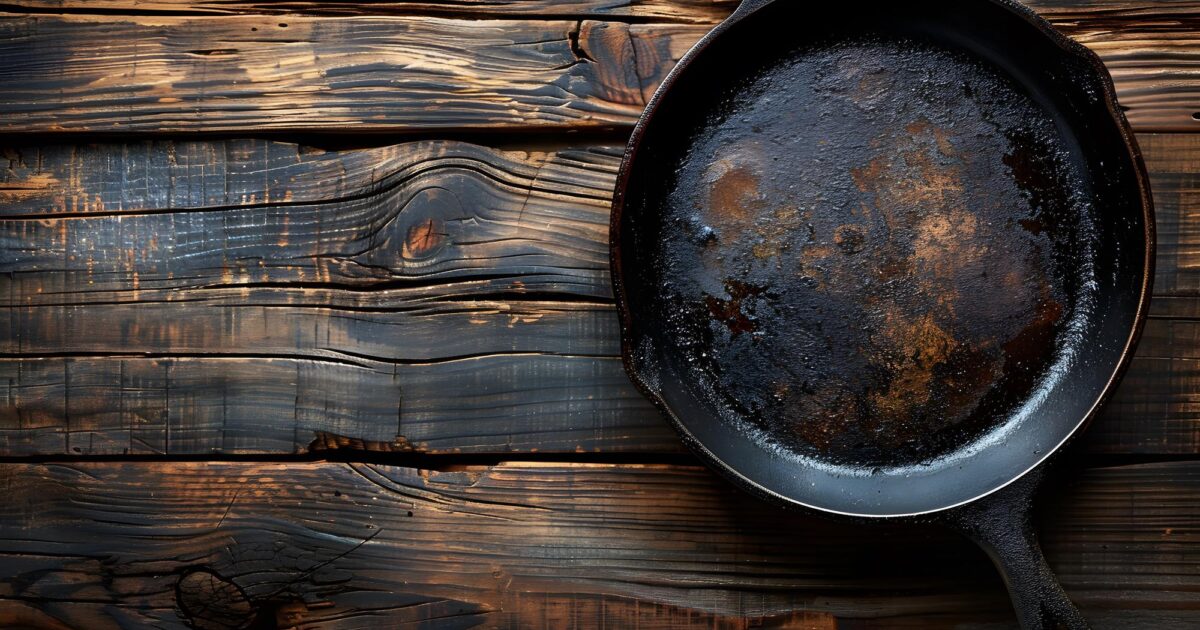
Cast Iron Skillet for Searing Steak: The Ultimate Guide
Forget fancy grills and complicated gadgets. If you’re chasing that elusive, perfectly seared steak with a deep, flavorful crust and a juicy, tender interior, look no further than your stovetop and a trusty cast iron skillet. For years in kitchens, from testing simple weeknight meals to developing complex recipes, cast iron has consistently proven its worth for searing steak. It’s not just a pan; it’s a heat-holding powerhouse that delivers results other materials struggle to match.
You might be wondering, what makes a cast iron skillet so special for searing steak? It all comes down to its unparalleled ability to retain and distribute heat evenly. Unlike thinner pans that fluctuate wildly in temperature when you add your steak, cast iron stays hot, creating that beautiful, caramelized crust without overcooking the inside. This guide will walk you through everything you need to know to master the art of searing steak in a cast iron skillet.
Contents
- Why Cast Iron is King for Searing Steak
- Choosing the Right Cast Iron Skillet
- Prepping Your Cast Iron Skillet for Steak
- The Perfect Searing Technique
- Achieving Your Desired Steak Doneness
- The Art of Butter Basting
- Common Mistakes to Avoid
- Caring for Your Cast Iron Skillet
- Frequently Asked Questions
Why Cast Iron is King for Searing Steak
The magic of cast iron lies in its mass. It’s heavy, dense metal that absorbs heat slowly but holds onto it like a furnace. When you place a cold steak onto a screaming hot cast iron skillet, that retained heat immediately transfers to the meat, initiating the Maillard reaction. This is the chemical process responsible for browning and developing those complex, savory flavors we all crave in a steak crust.
Furthermore, cast iron offers incredible heat retention. This means that even when you add a thick, cold steak to the pan, the temperature doesn’t drop drastically. Pans made from thinner materials like aluminum or stainless steel would cool down, leading to a steamed rather than seared surface. Consistent, high heat is non-negotiable for achieving a superior crust.
Choosing the Right Cast Iron Skillet
When selecting a cast iron skillet specifically for searing steak, a few key features matter. Size is important; a 10-inch or 12-inch skillet is generally ideal for most steaks, allowing enough space for the meat without overcrowding the pan. Overcrowding lowers the pan temperature and leads to steaming, not searing.
Consider the thickness and the surface. While traditional cast iron has a slightly rougher surface, newer “smooth finish” cast iron skillets can offer a more consistent sear for delicate cuts. However, don’t discount the classic rougher surfaces; they still perform admirably once seasoned properly. The key is a skillet that feels substantial and promises good heat retention.
Brands like Lodge, Field Company, and Smithey are well-regarded for their quality cast iron cookware. As Serious Eats recently reported on April 23, 2026, hybrid skillets are also emerging, with some offering performance comparable to more expensive brands, but for pure, robust searing, traditional cast iron’s heat retention is unmatched. Consumer Reports, in their April 20, 2026, assessment of essential kitchenware, also emphasized the long-term value of a quality cast iron skillet over extensive cookware sets for specific tasks like searing.
Cast Iron Skillet Features for Searing Steak:
- Size: 10-12 inches for most steaks.
- Thickness: Thicker base for superior heat retention.
- Handle: A sturdy, heat-resistant handle is crucial for safe maneuvering.
- Weight: Heavier skillets generally indicate better heat retention.
Prepping Your Cast Iron Skillet for Steak
A well-prepped cast iron skillet is crucial for a successful sear. This starts with ensuring your skillet is properly seasoned. Seasoning is a layer of polymerized oil baked onto the iron, creating a natural, non-stick surface and protecting it from rust. If your skillet is new or seems dull, it might need re-seasoning. Many modern cast iron products come pre-seasoned, but maintaining this layer is key.
The most critical prep step, however, is preheating. This is where many home cooks go wrong. You need to preheat your cast iron skillet gradually over medium-high heat for at least 5-10 minutes. The goal is to get the entire surface smoking hot before the steak ever touches it. A common mistake is adding the steak to a skillet that isn’t hot enough, leading to a weak sear and uneven cooking.
Important: Never preheat an empty cast iron skillet on high heat for extended periods, as this can cause it to warp or even crack. Gradual heating is key. Yahoo reported on April 24, 2026, that even specific cleaning products for cast iron can enhance its longevity and performance, suggesting that proper care extends beyond just seasoning.
The Perfect Searing Technique
With your cast iron skillet screaming hot (a drop of water should evaporate instantly), it’s time to sear. Pat your steak thoroughly dry with paper towels. Moisture is the enemy of a good sear; it steams the surface instead of browning it. Lightly oil the steak itself, not the pan, with a high smoke point oil like avocado, grapeseed, or canola oil. Oils with high smoke points, such as those recommended by culinary professionals as of 2026, prevent burning and bitterness.
Carefully place the steak into the hot skillet. You should hear an immediate, satisfying sizzle. Resist the urge to move the steak for at least 2-3 minutes. Let that crust develop. Then, flip the steak and sear the other side for another 2-3 minutes. For thicker cuts, you might need to sear the edges too, holding the steak with tongs.
As The Culinary Institute of America notes, a cast iron skillet provides the ideal surface for the Maillard reaction, which is responsible for the delicious browning and complex flavors on a seared steak.
Achieving Your Desired Steak Doneness
Once you have a beautiful crust on both sides, it’s time to cook the steak to your preferred doneness. This is where a good instant-read thermometer becomes your best friend. Cast iron continues to cook the steak even after you remove it from the heat (carryover cooking), so pull it slightly before your target temperature. Users report that an accurate thermometer is essential for avoiding the common pitfall of overcooking, a fact highlighted in recent discussions about steak preparation.
Here are general target temperatures (pull the steak 5°F below these for carryover cooking):
- Rare: 125-130°F (52-54°C)
- Medium-Rare: 130-135°F (54-57°C)
- Medium: 135-140°F (57-60°C)
- Medium-Well: 140-145°F (60-63°C)
- Well-Done: 150°F+ (65°C+)
Remember that these temperatures are approximate and can vary based on the steak’s thickness and the specific cooking method. Always rely on a thermometer for precision.
The Art of Butter Basting
For an extra layer of flavor and richness, butter basting is a technique that elevates a seared steak. After searing both sides and reaching near your target internal temperature, reduce the heat to medium-low. Add a knob of butter (2-3 tablespoons), a crushed clove of garlic, and a sprig of fresh herbs like rosemary or thyme to the skillet.
Tilt the skillet and, using a spoon, continuously ladle the melted, herb-infused butter over the steak for 1-2 minutes. This process not only adds flavor but also helps to further tenderize the meat and create a glossy finish. AOL.com recently debunked common myths about steak preparation, reinforcing that techniques like butter basting, when done correctly, contribute positively to flavor and texture.
Common Mistakes to Avoid
Several common errors can prevent you from achieving the perfect seared steak in cast iron:
- Pan Not Hot Enough: As detailed earlier, this is the primary reason for a weak sear. Ensure the skillet is smoking hot before adding the steak.
- Overcrowding the Pan: Cooking too many steaks at once lowers the pan temperature, leading to steaming. Cook steaks in batches if necessary.
- Moving the Steak Too Soon: Allow the steak to develop a crust undisturbed for the first few minutes on each side.
- Not Drying the Steak: Excess moisture on the steak’s surface hinders browning. Pat it completely dry.
- Using the Wrong Oil: Oils with low smoke points will burn, imparting an unpleasant taste. Stick to high smoke point oils.
- Skipping the Thermometer: Guessing doneness leads to inconsistent results. An instant-read thermometer is essential for accuracy.
According to recent culinary discussions, many perceived ‘false facts’ about cooking steak, such as relying solely on touch for doneness, are being corrected in favor of precise methods like using a thermometer, as noted by AOL.com on April 23, 2026.
Caring for Your Cast Iron Skillet
Proper care ensures your cast iron skillet lasts for generations. After cooking, clean it while it’s still warm but not hot. Use hot water and a stiff brush or scraper. Avoid harsh detergents or steel wool, which can strip the seasoning. For stubborn bits, a coarse salt scrub can be effective.
Dry the skillet immediately and thoroughly with a towel. Then, apply a very thin layer of cooking oil (like vegetable or canola oil) to the entire surface, inside and out, and wipe off any excess. Place the skillet on a medium-low heat for a few minutes to help the oil polymerize, then let it cool completely. Store it in a dry place, ideally with a paper towel to absorb any moisture.
Recent reports from sources like Yahoo on April 24, 2026, suggest that specialized cast iron cleaning products can help maintain seasoning and prevent rust, making care even simpler for modern users.
Frequently Asked Questions
What is the best oil to use for searing steak in cast iron?
For searing steak in a cast iron skillet, use an oil with a high smoke point. Excellent choices as of April 2026 include avocado oil (smoke point around 520°F/271°C), grapeseed oil (smoke point around 420°F/216°C), and canola oil (smoke point around 400°F/204°C). These oils can withstand the high temperatures required for a proper sear without burning and imparting a bitter flavor.
How do I prevent my steak from sticking to the cast iron skillet?
Preventing sticking involves a combination of proper seasoning, a thoroughly preheated skillet, and ensuring the steak is dry and lightly oiled. A well-seasoned pan creates a naturally non-stick surface. Preheating the skillet until it’s smoking hot is critical. Patting the steak completely dry and then lightly coating the steak itself with oil, rather than the pan, also helps create a barrier that promotes searing and reduces sticking.
Can I use a cast iron skillet on an induction cooktop?
Yes, cast iron skillets are excellent for use on induction cooktops. Induction cooking requires cookware made of ferromagnetic materials, and cast iron fits this requirement perfectly. The skillet will heat up quickly and efficiently due to the direct magnetic heating of the induction surface, making it ideal for searing.
Do I need to season a pre-seasoned cast iron skillet?
While pre-seasoned cast iron skillets are ready to use out of the box, users and experts recommend seasoning them further, especially before the first use and periodically thereafter. Additional seasoning layers build up a more robust non-stick surface and enhance rust protection. As Food & Wine noted in an April 2026 review, the quality of the initial seasoning can vary, making a little extra care beneficial.
What is the difference between cast iron and carbon steel skillets for searing?
Both cast iron and carbon steel are excellent for searing, but they have differences. Cast iron is heavier and retains heat exceptionally well, leading to a more consistent sear, especially for thicker cuts. Carbon steel is lighter, heats up faster, and responds more quickly to temperature changes, making it more versatile for certain cooking styles. However, for pure, high-heat searing performance, cast iron is often preferred due to its superior heat retention. As of 2026, both remain top choices for searing enthusiasts.
Conclusion
Mastering the art of searing steak in a cast iron skillet is an achievable goal for any home cook. By understanding the properties of cast iron, choosing the right skillet, prepping it meticulously, and employing proper searing techniques, you can consistently achieve that coveted steakhouse crust and a perfectly cooked interior. Remember to prioritize preheating, drying your steak, and using a thermometer for accuracy. With proper care, your cast iron skillet will be a reliable companion for countless delicious steak dinners for years to come.
Sabrina
2 writes for OrevateAi with a focus on agriculture, ai ethics, ai news, ai tools, apparel & fashion. Articles are reviewed before publication for accuracy.