Asphalt Millings: The Sustainable and Cost-Effective Paving Solution
Last updated: April 26, 2026
Latest Update (April 2026)
As of April 2026, the construction industry continues to prioritize sustainable practices and cost-effective solutions. Asphalt millings are increasingly recognized for their significant contribution to both these goals. Recent industry reports, such as those highlighted by organizations like the National Asphalt Pavement Association (NAPA) in early 2026, emphasize the growing adoption of recycled materials in infrastructure projects. Innovations in milling technology and compaction techniques are further enhancing the performance and longevity of surfaces created with asphalt millings, making them a compelling choice for a wide array of applications. The focus remains on maximizing resource efficiency and minimizing environmental impact, with asphalt millings playing a key role in achieving these objectives.
What Exactly Are Asphalt Millings?
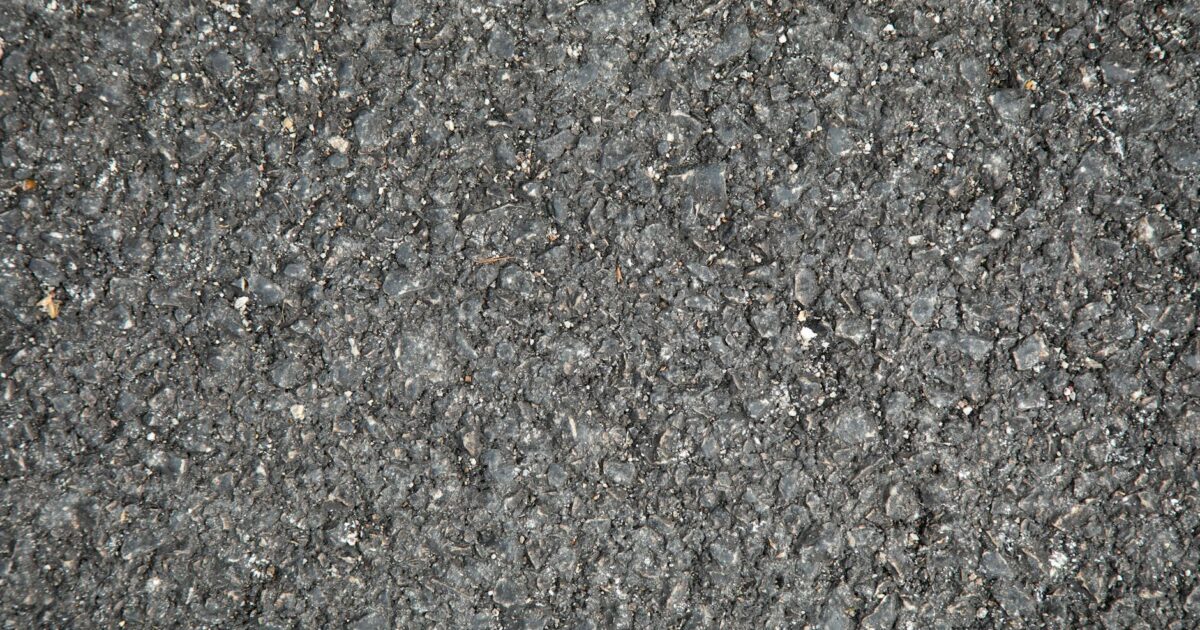
Understanding what asphalt millings truly are helps to appreciate their value. They consist of crushed asphalt, often mixed with small amounts of stone or gravel that were part of the original pavement structure. Instead of sending this material to a landfill, which happens with many construction waste products, it’s collected and stockpiled. This act of recycling is, in itself, a significant environmental benefit, aligning perfectly with modern ecological goals and reducing the demand for new virgin materials. Consequently, opting for asphalt millings not only saves money but also contributes positively to conservation efforts.
The Financial Advantages of Using Millings
One of the primary advantages that draws many to asphalt millings is their exceptional cost-effectiveness. Compared to virgin asphalt or even high-grade gravel, reclaimed asphalt pavement presents a significantly more affordable alternative. As of April 2026, the cost savings can range from 30% to 50% or even more, depending on local availability and transportation costs, when compared to new asphalt. This makes it an attractive choice for projects with budget constraints, allowing property owners and contractors to achieve a sturdy, functional surface without overspending. Furthermore, the installation process for asphalt millings is often less complex and time-consuming than laying new asphalt, which can further reduce labor costs.
Durability and Performance: A Solid Surface
Beyond the financial savings, the durability and performance of asphalt millings are impressive. Once spread and properly compacted, these materials interlock to create a stable, solid surface that’s surprisingly resilient. Unlike loose gravel, asphalt millings tend to bind together, forming a denser, more consistent base that resists erosion and displacement. This means fewer ruts, less dust during dry periods, and a more stable surface overall. They handle heavy traffic well, making them suitable for driveways, farm roads, and even light commercial parking areas. Reports from civil engineering reviews in early 2026 indicate that properly installed millings can offer a lifespan comparable to traditional asphalt in many low-to-medium traffic scenarios, especially when maintained correctly.
They also offer excellent drainage properties. The aggregate nature of the millings allows water to percolate through, preventing surface pooling and reducing the risk of frost heave or water damage that can plague less permeable surfaces. This inherent drainage capability contributes significantly to the long-term stability and longevity of the paved area.
Environmental Benefits: Paving a Greener Future
The environmental benefits of choosing asphalt millings are compelling. By reusing existing asphalt, we dramatically reduce the need to quarry new aggregates and produce new asphalt binder, both of which are energy-intensive processes. According to the U.S. Environmental Protection Agency (EPA) as of April 2026, recycling asphalt pavement can reduce greenhouse gas emissions by up to 20% compared to producing new asphalt. This reduction in resource extraction and manufacturing energy translates into a smaller carbon footprint, supporting a more sustainable approach to construction and infrastructure development. It diverts tons of material from landfills, transforming what would be waste into a valuable resource, embodying circular economy principles within the construction industry.
Innovations in Sustainable Asphalt Production and Recycling
Recent advancements in asphalt technology are further enhancing the sustainability of recycled materials. For instance, the development of new equipment, such as advanced warm-mix asphalt (WMA) technologies and lower-emission burners for asphalt plants, as highlighted by industry publications like Construction & Engineering Magazine in March 2026, signals a move towards lower-emission production processes for asphalt products. These innovations focus on reducing the energy required to heat and process asphalt binder, thus lowering the overall environmental impact of asphalt production, including materials that will eventually become millings.
Furthermore, research into rejuvenating aged asphalt binders within millings is ongoing. While not yet widespread, pilot projects are exploring methods to reintroduce rejuvenating agents to restore the binder’s properties, potentially extending the usability of millings and creating even more durable recycled pavement. Industry leaders like John Deere and Caterpillar continue to emphasize the practical application of recycled asphalt for cost-effective and sustainable roadbuilding, as noted in reports from March 2025 and reaffirmed in early 2026 industry showcases, reinforcing the importance and viability of using asphalt millings in modern infrastructure projects.
Versatile Applications for Asphalt Millings
Asphalt millings find a multitude of applications because of these combined benefits. They are an ideal material for residential driveways, providing a durable and attractive surface that outlasts traditional gravel and requires less maintenance. Farmers frequently use them for access roads around their properties and fields, appreciating their stability and low maintenance requirements for agricultural equipment movement.
Private roads, temporary construction access routes, and even larger parking lots for businesses, churches, or community centers can all benefit from the solid nature of compacted asphalt millings. Their ability to create a firm, stable surface makes them suitable for areas with moderate vehicle traffic. They also serve exceptionally well as a base layer for future paving projects, offering a solid foundation upon which new asphalt or concrete can be laid, reducing the need for extensive excavation and virgin base material.
Many municipalities are also incorporating asphalt millings into their infrastructure plans. They are often used for road shoulders, creating a safer transition from the paved roadway to the unpaved verge. Less-trafficked pathways in parks, school grounds, and recreational areas also benefit from this cost-effective and environmentally friendly material. As of April 2026, several cities are actively promoting the use of recycled materials like millings in public works projects, driven by both budget considerations and sustainability mandates.
Proper Installation for Optimal Results
The installation of asphalt millings is generally straightforward, but proper techniques ensure longevity and performance. Typically, the area needs to be prepared meticulously. This involves clearing the site of vegetation, debris, and topsoil, followed by grading the sub-base to ensure proper slope for drainage. A well-prepared sub-base prevents water from accumulating beneath the millings, which is critical for preventing frost damage and ensuring stability.
The millings are then spread evenly over the prepared surface, usually with a grader or a loader, to a desired depth. The thickness will depend on the intended use and expected traffic load; common depths range from 4 to 8 inches for driveways and parking areas. Following spreading, the crucial step of compaction begins. Using a vibratory plate compactor or a heavy roller helps the individual pieces of asphalt interlock, creating a dense, unified surface. Multiple passes and overlapping coverage are recommended to achieve maximum compaction and a smooth, stable finish. For driveways, a final light grading can smooth out any minor imperfections before the material fully settles.
Comparing Asphalt Millings to Other Paving Options
When evaluating paving options, asphalt millings offer a unique balance of benefits. Compared to traditional asphalt (hot mix asphalt), millings are significantly cheaper and more environmentally friendly due to their recycled nature. However, hot mix asphalt typically offers a smoother finish and may be more durable under very heavy, high-speed traffic. The decision often hinges on budget, traffic volume, and aesthetic preferences.
Gravel or crushed stone is another common alternative. Millings generally outperform gravel by providing a more stable, less dusty surface that binds together better, reducing washboarding and rutting. While gravel can be cheaper initially, its tendency to spread and require frequent replenishment can make millings a more cost-effective long-term solution. Furthermore, the interlocking nature of millings provides better load-bearing capacity than loose gravel.
Concrete offers superior durability and longevity but comes at a considerably higher initial cost and requires more complex installation. It also has a larger carbon footprint during production compared to recycled asphalt. For many applications, particularly residential driveways, private roads, and parking areas where extreme durability is not the absolute priority, asphalt millings strike an excellent compromise between cost, performance, and sustainability.
Maintenance and Longevity
The maintenance requirements for asphalt milling surfaces are generally low, contributing to their cost-effectiveness over time. Regular sweeping or blowing can keep the surface clean. In areas prone to significant water runoff, ensuring drainage ditches are clear is important. Over time, some minor settling or degradation may occur, especially after heavy rains or freeze-thaw cycles. These areas can typically be repaired by adding a fresh layer of millings and re-compacting, or by filling potholes with additional millings.
The lifespan of an asphalt milling surface can vary widely depending on the quality of the initial installation, the sub-base preparation, the type and volume of traffic, and the local climate. However, with proper installation and occasional maintenance, surfaces can last for many years, often exceeding 10-15 years, before a significant reapplication or overlay is needed. This longevity, combined with the low initial cost, makes them a highly attractive option for many property owners and municipalities.
Frequently Asked Questions
Are asphalt millings suitable for very heavy truck traffic?
While asphalt millings can handle moderate to heavy traffic, they are generally best suited for low-to-medium traffic volumes, such as residential driveways, farm roads, and light commercial parking lots. For areas with consistent, heavy truck traffic or high-speed roads, traditional asphalt or concrete might offer superior long-term durability and performance. However, with a well-prepared base and proper compaction, millings can perform admirably in many demanding applications.
How much do asphalt millings cost as of April 2026?
The cost of asphalt millings varies by region and availability, but they are consistently more affordable than virgin asphalt. As of April 2026, prices can range from $10 to $30 per ton, plus delivery fees, which can add significantly to the total cost depending on the distance. Installation labor is also typically less expensive than for new asphalt. Overall, projects using millings can see cost savings of 30-50% or more compared to traditional asphalt paving.
Can asphalt millings become dusty?
When freshly laid and before full compaction, asphalt millings can be dusty. However, once properly compacted and settled, the interlocking nature of the material significantly reduces dust. Regular light watering during the compaction phase can also help to mitigate dust. Compared to loose gravel, compacted millings are generally much less dusty.
What is the difference between asphalt millings and asphalt aggregate?
Asphalt millings are specifically the material generated from milling or grinding existing asphalt pavements. Asphalt aggregate is a broader term that can refer to crushed stone or gravel used in various construction applications, including as a component in new asphalt mixes or as a standalone base material. While millings are a type of aggregate, the term ‘asphalt millings’ refers to the recycled asphalt product.
How thick should a layer of asphalt millings be for a driveway?
For a standard residential driveway, a layer of asphalt millings typically ranges from 4 to 6 inches deep after compaction. For areas expecting heavier use or subject to significant weather fluctuations, a depth of 6 to 8 inches might be recommended. Proper sub-base preparation is as critical as the depth of the millings themselves for ensuring a durable driveway.
Conclusion
Asphalt millings represent a smart, sustainable, and economical choice for a wide variety of paving needs in 2026. Their recycled nature aligns with environmental goals, while their cost-effectiveness makes them accessible for numerous projects. When installed correctly, they provide a durable, stable, and low-maintenance surface that offers significant advantages over traditional materials like loose gravel and often presents a compelling alternative to virgin asphalt. As the construction industry continues its push towards greener practices and budget-conscious solutions, asphalt millings are poised to remain a vital component in modern infrastructure development.
Sabrina
2 writes for OrevateAi with a focus on agriculture, ai ethics, ai news, ai tools, apparel & fashion. Articles are reviewed before publication for accuracy.