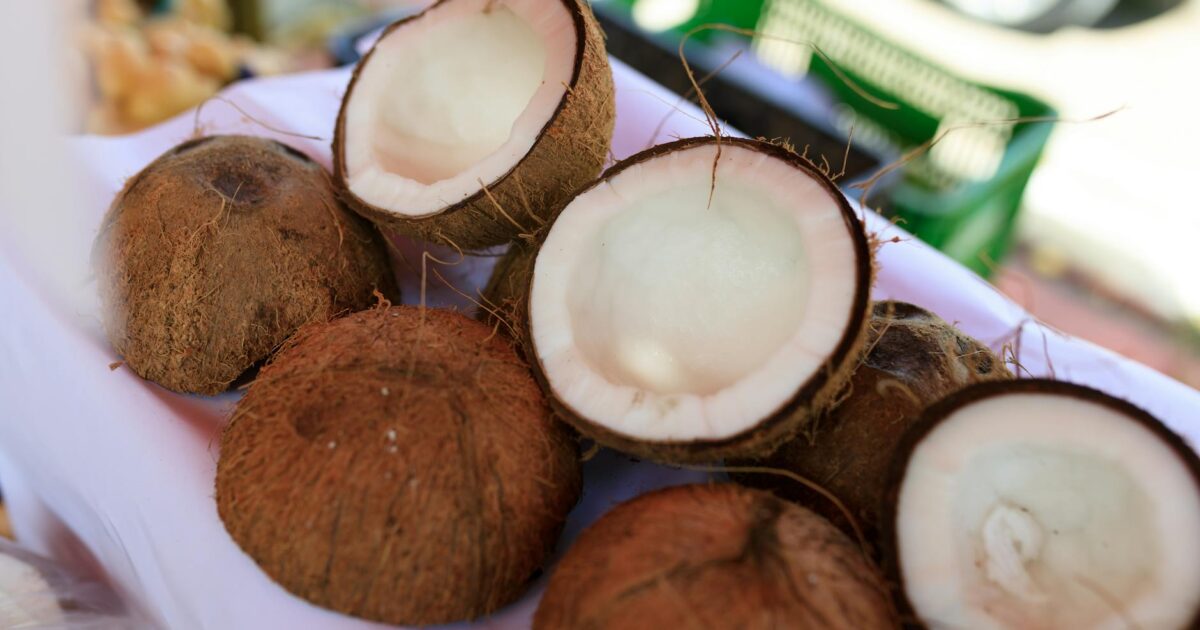
Desiccated Coconut: Your Ultimate Kitchen Staple
Ever wondered about that finely grated, dried goodness in your pantry? Desiccated coconut is far more than just a baking ingredient; it’s a flavor enhancer and texture booster that can transform your dishes. Here’s everything you need to know about this versatile tropical staple.
Last updated: April 26, 2026
Desiccated coconut is finely ground, dried coconut flesh with most of its natural moisture removed. It’s a versatile ingredient used to add texture, flavor, and a tropical essence to both sweet and savory dishes, acting as a pantry staple for bakers and cooks worldwide.
Latest Update (April 2026)
As of April 2026, the global market for desiccated coconut continues to see steady growth, driven by its increasing use in the food processing industry and a rising consumer preference for plant-based ingredients. Innovations in processing technology are enhancing shelf life and maintaining the nutritional profile, making it an even more attractive commodity. Health-conscious consumers are also increasingly seeking out unsweetened varieties, pushing manufacturers to offer more options with minimal additives.
Recent trends indicate a surge in demand for desiccated coconut in ready-to-eat meals and convenience foods, particularly in emerging markets. Its ability to provide texture and a subtle flavor without significant spoilage concerns makes it ideal for these applications. Furthermore, research into the functional properties of coconut components, including fiber and healthy fats found in desiccated coconut, continues to highlight its potential health benefits, further boosting consumer interest.
What Exactly is Desiccated Coconut?
At its core, desiccated coconut is the flesh of a mature coconut that has been dried to remove most of its water content. This process concentrates its natural sweetness and distinct tropical flavor. It’s typically ground into fine particles, though coarser grates are available depending on the brand and intended use. Think of it as the concentrated essence of coconut, ready to be rehydrated or used as is to impart its characteristic taste and texture.
The drying process is what gives desiccated coconut a significantly longer shelf life compared to fresh coconut, making it an incredibly convenient ingredient for everyday cooking and baking. Its concentrated nature means a little goes a long way in adding depth and aroma to various culinary creations.
Desiccated Coconut vs. Other Coconut Forms
The world of coconut products can be a bit confusing. You’ve got fresh coconut, shredded coconut, flaked coconut, coconut flour, and then there’s desiccated coconut. Understanding the differences is key to achieving the desired results in your recipes.
- Fresh Coconut: The raw, moist flesh. It’s delicious but spoils quickly and requires preparation.
- Shredded Coconut: Usually moister than desiccated and often comes sweetened. It has a more noticeable chewy texture.
- Flaked Coconut: Similar to shredded but typically features larger, flatter pieces, often used for toppings.
- Coconut Flour: Made from dried coconut meat pressed to remove most of its oil, resulting in a very fine, absorbent flour.
- Desiccated Coconut: Specifically dried coconut flesh, usually finely ground, and available as unsweetened or sweetened. The key differentiators are its very low moisture content and particle size, which directly impact how it behaves in recipes.
| Feature | Desiccated Coconut | Shredded Coconut | Coconut Flakes |
|---|---|---|---|
| Moisture Content | Very Low (dried) | Moderate (often sweetened) | Moderate |
| Particle Size | Fine to medium-fine | Medium to coarse shreds | Large, flat pieces |
| Texture | Slightly chewy, melts in mouth | Chewy, noticeable texture | Crisp, crunchy |
| Sweetness | Unsweetened or sweetened | Often sweetened | Often sweetened |
Culinary Uses for Desiccated Coconut
Desiccated coconut truly shines in the kitchen. Its concentrated flavor and ability to absorb liquids make it incredibly versatile. In baking, it’s a classic addition to cookies, cakes, muffins, and energy balls. It adds a subtle tropical sweetness and a pleasant, slightly chewy texture that complements many flavor profiles. Users frequently incorporate it into homemade granola for an extra crunch and flavor boost.
Beyond sweets, desiccated coconut works wonders in savory dishes. Consider the curries of Southeast Asia, where it’s often used to thicken sauces and add a rich, nutty depth. It can serve as a fantastic coating for chicken or fish before frying, creating a crispy, flavorful crust. It’s also a great addition to stir-fries or sprinkled over salads for added texture.
For those following specific diets, unsweetened desiccated coconut is a valuable ingredient. It’s naturally gluten-free and can be a fantastic component in keto or paleo baking, providing healthy fats and fiber. It’s an excellent way to add substance and flavor without relying on traditional flours.
The Surprising Health Benefits of Desiccated Coconut
While a treat for the taste buds, desiccated coconut also offers nutritional advantages. It’s a good source of dietary fiber, essential for digestive health. Fiber aids in satiety, which can be beneficial for weight management, and plays a role in regulating blood sugar levels.
It also provides healthy fats, primarily medium-chain triglycerides (MCTs). MCTs are metabolized differently than other fats and can serve as a quick energy source. Although desiccated coconut is calorie-dense due to its fat content, moderate consumption can contribute positively to a balanced diet. It contains essential minerals like manganese, copper, and selenium, vital for various bodily functions.
According to the USDA FoodData Central, as of April 2026, 100 grams of unsweetened desiccated coconut contains approximately 660 calories, 64 grams of fat, 15 grams of carbohydrates, and 7 grams of protein. It also provides a significant amount of dietary fiber. (Source: USDA FoodData Central, accessed April 2026)
It’s important to remember that the health benefits are most pronounced with unsweetened varieties. Sweetened versions often contain added sugars, which can diminish some of the positive nutritional aspects. Always check the product label.
How to Properly Store Desiccated Coconut
Proper storage is crucial to maintain the freshness and flavor of your desiccated coconut. Because most of its moisture has been removed, it’s susceptible to becoming stale or absorbing odors from other foods if not stored correctly.
Once opened, the best practice is to transfer the desiccated coconut into an airtight container. This prevents air exposure, which can lead to staleness and loss of its characteristic coconut aroma. Store this container in a cool, dry place, away from direct sunlight and heat sources. A pantry or cupboard is typically ideal.
For longer-term storage, refrigerating the desiccated coconut in its airtight container is an option. This further slows down any potential degradation and helps preserve its quality. Some users even opt for freezing, especially if they live in very warm climates or don’t use desiccated coconut frequently. Ensure the container is well-sealed to prevent freezer burn and moisture absorption.
Always check the expiry date on the packaging. Even with proper storage, desiccated coconut will eventually lose its optimal flavor and texture. If it develops an off-smell or taste, it’s best to discard it.
Common Mistakes When Using Desiccated Coconut
While versatile, some common pitfalls can hinder the successful use of desiccated coconut. Understanding these can help you achieve better results:
- Using the wrong type: Not all coconut products are interchangeable. Using desiccated coconut when a recipe calls for shredded or flaked might result in a different texture due to moisture and particle size differences.
- Not accounting for absorption: Desiccated coconut is quite absorbent. In baked goods, it can soak up more liquid than expected, potentially leading to a drier final product if the recipe isn’t adjusted.
- Forgetting about sweetness: If using sweetened desiccated coconut in a recipe where you’ve already accounted for sweetness, the final dish might turn out too sweet. Always check if your product is sweetened or unsweetened.
- Overheating: When toasting desiccated coconut, it can go from golden to burnt very quickly. Low heat and constant attention are necessary.
- Improper storage: Leaving the opened package unsealed or storing it in a humid environment will quickly degrade its quality.
Frequently Asked Questions About Desiccated Coconut
What is the shelf life of desiccated coconut?
When stored properly in an airtight container in a cool, dry place, unopened desiccated coconut can last for up to 1-2 years past its best-by date, according to many manufacturers. Once opened, it’s best consumed within 6-12 months for optimal freshness, though it may remain safe to eat for longer if stored correctly and shows no signs of spoilage.
Can I substitute desiccated coconut for shredded coconut?
Yes, but with adjustments. Desiccated coconut has less moisture and finer particles. If substituting, you might need to slightly increase the liquid in your recipe to compensate for its absorbency. The texture will also be finer. For recipes where a distinct chewy texture is desired, shredded or flaked coconut might be preferable.
Is desiccated coconut healthy?
Unsweetened desiccated coconut can be part of a healthy diet. It provides dietary fiber and healthy fats (MCTs). However, it is calorie-dense and should be consumed in moderation. Sweetened versions contain added sugars, which reduce their healthfulness.
How do I rehydrate desiccated coconut?
To rehydrate desiccated coconut, soak it in warm water or milk for about 10-15 minutes, or until it reaches your desired softness. The ratio of liquid to coconut can vary depending on how moist you want the final product.
Where can I buy desiccated coconut?
Desiccated coconut is widely available in most supermarkets, health food stores, and online retailers. Look for it in the baking aisle or the international foods section.
Conclusion
Desiccated coconut is a truly indispensable ingredient for any kitchen in 2026. Its concentrated tropical flavor, unique texture, and long shelf life make it a convenient and versatile pantry staple. Whether you’re baking a cake, thickening a curry, creating a crunchy topping, or exploring healthier dietary options, this dried coconut product offers a world of culinary possibilities. By understanding its properties, using it wisely, and storing it properly, you can consistently elevate your dishes with the delightful essence of coconut.
Sabrina
2 writes for OrevateAi with a focus on agriculture, ai ethics, ai news, ai tools, apparel & fashion. Articles are reviewed before publication for accuracy.