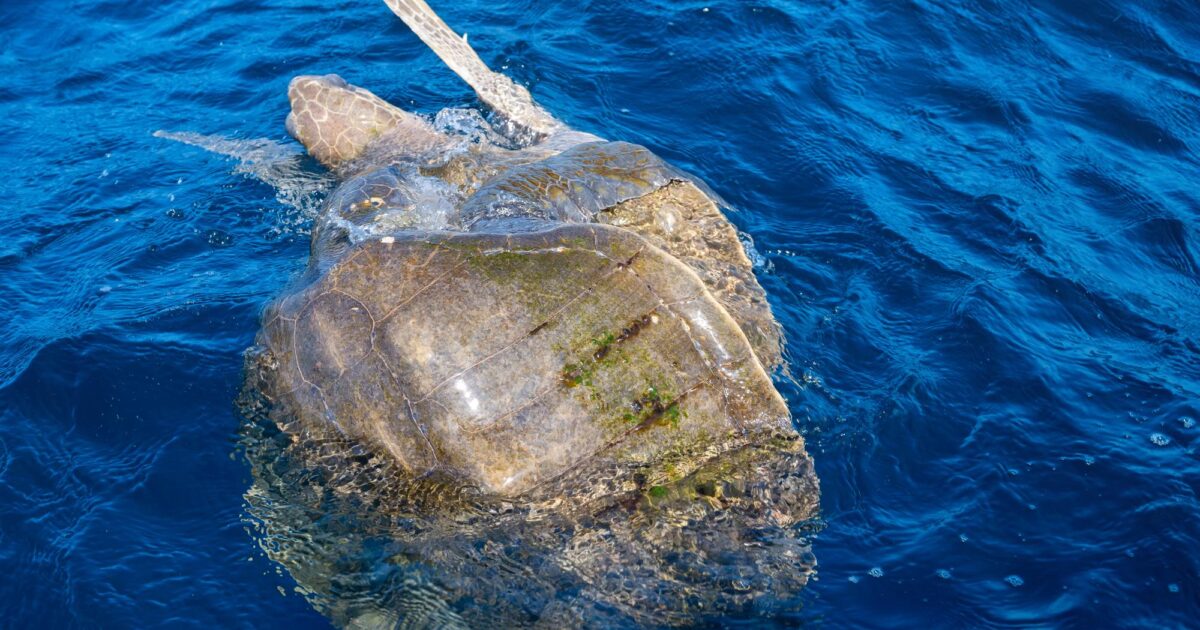
Ever heard the word ‘caguama’ and wondered what it means? You’re not alone! This term refers to a specific, impressive species of sea turtle, often recognized for its substantial size. Understanding this creature is key to appreciating the delicate balance of our oceans.
Last updated: April 26, 2026
This article explores everything you need to know about the caguama, from its scientific classification and physical traits to its habitat, diet, and the critical conservation efforts underway as of April 2026. We’ll cover what makes this turtle unique and why its survival is so important for the health of our planet’s oceans.
Table of Contents
- What Exactly is a Caguama?
- Impressive Physical Characteristics
- Where Do Caguamas Live? Habitat and Distribution
- What Does a Caguama Eat?
- The Caguama Life Cycle and Reproduction
- Conservation Status and Threats Facing Caguamas
- How You Can Help Protect Caguamas
- Frequently Asked Questions About Caguamas
What Exactly is a Caguama?
The term ‘caguama’ is most commonly used to refer to the Loggerhead sea turtle (Caretta caretta). While ‘caguama’ can sometimes be used more broadly for large sea turtles in certain regions, its specific and widely accepted identification is with the Loggerhead. This species is one of the seven extant species of sea turtles and is found across the globe.
Loggerheads are truly magnificent creatures that have navigated the oceans for millions of years. Their scientific name, Caretta caretta, originates from the Greek word ‘caretta,’ meaning ‘careless,’ perhaps referring to how they sometimes appear when basking near the surface. However, beneath that calm exterior lies a vital marine predator.
Impressive Physical Characteristics
Loggerheads, or caguamas, are characterized by their large heads and powerful jaws, which are perfectly adapted for crushing the shells of their prey. As of April 2026, adult caguamas typically weigh between 155 to 375 pounds (70 to 170 kg) and measure about 3 feet (90 cm) in carapace length. Some individuals can grow even larger, reaching up to 4 feet (1.2 meters) long.
Their carapace is heart-shaped and usually reddish-brown in color, while the plastron (underside) is cream-colored. Unlike some other sea turtles, they possess five pairs of costal scutes (plates along the side of the shell) and a distinct beak. The Loggerhead sea turtle is named for its large, block-like head, which is significantly bigger than that of other sea turtle species. This distinct feature aids in its powerful bite (Source: National Oceanic and Atmospheric Administration – NOAA Fisheries).
Their flippers are well-suited for long-distance swimming, allowing them to traverse vast ocean distances. The front flippers are long and narrow, while the rear flippers are shorter and wider. This anatomy makes them powerful swimmers, capable of reaching speeds of up to 15 miles per hour for short bursts, according to NOAA Fisheries data updated in 2026.
Where Do Caguamas Live? Habitat and Distribution
Caguamas are found in temperate and tropical regions of the Atlantic, Pacific, and Indian Oceans. They inhabit continental shelves and coastal waters, often found in bays and estuaries. These turtles are highly migratory, traveling thousands of miles between their feeding grounds and nesting beaches. Tracking studies conducted by various marine research institutions, with the latest data compiled in early 2026, show migration routes extending across entire ocean basins.
Important: Caguamas, like all sea turtles, are air-breathing reptiles and must surface regularly to breathe. They can hold their breath for extended periods, especially when resting, but need to come up for air every few minutes when actively swimming or feeding. Reports from marine biologists in 2025 indicate that their diving capabilities are even more impressive than previously understood, with some individuals capable of staying submerged for over an hour under specific conditions.
Juvenile caguamas often spend their early years in the open ocean, sometimes associating with floating sargassum seaweed, which provides both food and shelter. As they mature, they move towards shallower coastal waters to forage. The availability of healthy sargassum ecosystems is a growing concern for juvenile Loggerheads, as highlighted in a 2025 report by the Sargasso Sea Alliance.
What Does a Caguama Eat?
The diet of a caguama is varied and depends on its age and location. As mentioned, adults possess powerful jaws designed for crushing hard-shelled prey. Their primary food sources, as documented by ongoing ecological surveys in 2026, include:
- Conchs
- Crabs
- Lobsters
- Clams
- Snails
- Other benthic invertebrates
They are opportunistic feeders, meaning they will consume whatever is available. In some areas, they also eat fish, seaweed, and jellyfish. This diverse diet helps them thrive in various marine environments. A common misconception is that all sea turtles are strictly herbivores. While some species, like the Green sea turtle, are primarily vegetarians as adults, the caguama is decidedly carnivorous, especially in its adult stages, due to its specialized jaw structure.
Recent studies published in 2025 underscore the importance of healthy benthic invertebrate populations for caguama populations. Declines in these prey species due to pollution and habitat degradation pose a significant threat to the turtles’ food security.
The Caguama Life Cycle and Reproduction
The life cycle of a caguama is long and complex. Females typically reach sexual maturity between the ages of 17 and 33 years, with some studies suggesting it can take even longer. They return to the general areas where they were born to lay their eggs, often traveling hundreds or even thousands of miles. Nesting typically occurs at night on sandy beaches.
A female caguama will dig a nest cavity using her rear flippers and lay approximately 100-120 leathery eggs. She will then cover the nest and return to the sea. This process can be repeated several times within a single nesting season, which usually spans from late spring through summer. The nesting season varies by region but generally occurs between April and September in the Northern Hemisphere.
The incubation period for caguama eggs is about 60 days. Importantly, the sex of the hatchlings is determined by the temperature of the sand during incubation. Warmer temperatures produce more females, while cooler temperatures produce more males. This temperature-dependent sex determination (TSD) makes caguama populations particularly vulnerable to climate change. As global temperatures rise, studies from 2025 and early 2026 indicate a worrying trend towards feminization in some nesting populations, potentially impacting future reproductive success.
Hatchlings emerge from the nest as a group, usually at night, and make their perilous journey to the sea. They are vulnerable to predators, including birds, crabs, and other marine life, during this critical phase. Once in the water, they face a ‘lost years’ period, where their whereabouts and activities are largely unknown to science, until they reappear in foraging grounds as juveniles.
Conservation Status and Threats Facing Caguamas
The Loggerhead sea turtle (caguama) is listed as Endangered or Threatened in various parts of the world. The International Union for Conservation of Nature (IUCN) Red List classifies the North Atlantic population as Least Concern, but other populations, such as the North Pacific, are critically endangered. Conservation statuses are regularly reviewed, with the latest assessments available in early 2026.
Numerous threats jeopardize the survival of caguamas. These include:
- Fisheries Bycatch: Caguamas are frequently caught accidentally in fishing gear, such as trawls, longlines, and gillnets. According to NOAA Fisheries data updated in April 2026, bycatch remains one of the most significant threats globally. Efforts are ongoing to develop and implement turtle excluder devices (TEDs) and modify fishing practices to reduce these interactions.
- Habitat Loss and Degradation: Nesting beaches are being lost or degraded due to coastal development, artificial lighting, erosion, and pollution. Artificial lights disorient nesting females and hatchlings, leading them away from the sea.
- Climate Change: Rising sea levels can inundate nesting beaches, and increasing sand temperatures due to climate change can skew sex ratios towards females and reduce hatching success. Ocean acidification and warming waters also impact their food sources.
- Pollution: Plastic debris poses a severe threat. Caguamas can ingest plastic, mistaking it for food, which can lead to starvation or internal injuries. They can also become entangled in larger plastic items. Chemical pollution can also impact their health and reproductive capabilities. A 2025 study published in Marine Pollution Bulletin highlighted the high prevalence of microplastics in Loggerhead digestive tracts.
- Direct Take and Illegal Trade: In some regions, caguamas and their eggs are still harvested for food or traditional purposes, although this is illegal in most countries.
- Vessel Strikes: Collisions with boats and ships can cause serious injury or death to sea turtles.
The U.S. Endangered Species Act lists distinct population segments of Loggerheads as either Threatened or Endangered. For instance, the North Pacific Distinct Population Segment is listed as Endangered, while the North Atlantic Distinct Population Segment is listed as Threatened. These classifications, regularly reviewed by agencies like NOAA Fisheries, guide conservation actions and legal protections in place as of April 2026.
NOAA Fisheries continues to work with international partners to implement conservation strategies. These include reducing bycatch through gear modifications and time/area closures, protecting critical nesting habitats, and conducting research to better understand population dynamics and threats. As reported by NOAA in early 2026, significant progress has been made in some areas, particularly with the adoption of TEDs in commercial fisheries, leading to a measurable reduction in bycatch incidents in certain regions.
How You Can Help Protect Caguamas
Protecting caguamas requires a collective effort. Here are several ways you can contribute:
- Reduce Plastic Consumption: Minimize your use of single-use plastics. Properly dispose of waste and participate in beach cleanups.
- Responsible Tourism: If visiting coastal areas during nesting season (typically spring and summer), avoid disturbing nesting beaches. Turn off beachfront lights at night or use turtle-friendly lighting. Never disturb nesting turtles or hatchlings.
- Support Sustainable Seafood: Choose seafood caught using methods that minimize bycatch. Resources like the Monterey Bay Aquarium Seafood Watch guide can help you make informed choices as of April 2026.
- Boating Safety: Observe posted speed limits in areas frequented by sea turtles. Be aware of your surroundings and avoid striking marine life.
- Report Strandings: If you find a stranded or injured sea turtle, contact your local wildlife authorities or a stranding network immediately. Do not attempt to push the animal back into the water yourself, as it may be ill or injured.
- Support Conservation Organizations: Donate to or volunteer with reputable organizations dedicated to sea turtle conservation and research.
- Educate Others: Spread awareness about the challenges facing caguamas and the importance of their conservation.
Frequently Asked Questions About Caguamas
How long do caguamas live?
Estimates vary, but caguamas are believed to have long lifespans, potentially living for 50 years or more in the wild. Determining exact ages is challenging due to their migratory nature and the difficulties in studying them throughout their entire lives.
Are caguamas aggressive?
Caguamas are generally not aggressive towards humans. They are shy and elusive creatures that prefer to avoid confrontation. However, like any wild animal, they can defend themselves if they feel threatened.
Why are caguamas important to the ocean?
Caguamas play a vital role in the marine ecosystem. As predators, they help control populations of their prey, such as shellfish and crabs. Their nesting activities also contribute to coastal dune health. Their presence is an indicator of a healthy ocean environment.
What is the biggest threat to caguamas in 2026?
As of April 2026, the most significant threats remain fisheries bycatch and the degradation of nesting and foraging habitats. Climate change also poses an increasingly severe, long-term threat, particularly through its impact on sand temperatures affecting hatchling sex ratios and its contribution to sea-level rise inundating beaches.
Can caguamas breathe underwater?
No, caguamas are reptiles and must breathe air. They surface regularly to breathe through their nostrils. While they can hold their breath for extended periods, especially when resting or diving for food, they cannot survive indefinitely underwater.
Latest Update (April 2026)
Ongoing research in 2026 continues to refine our understanding of caguama migration patterns and population dynamics. Recent satellite tagging studies, as highlighted by the Marine Turtle Conservancy Network in March 2026, have revealed previously unknown migratory corridors in the South Pacific, suggesting these turtles undertake even more extensive journeys than previously thought. Furthermore, advancements in genetic analysis are providing clearer insights into the distinctness of different caguama populations, aiding in the development of more targeted conservation strategies. Efforts to mitigate plastic pollution are gaining momentum globally, with new international agreements aimed at reducing single-use plastics by 50% by 2030, a development that marine conservationists are watching closely for its potential impact on sea turtle health.
Conclusion
The caguama, or Loggerhead sea turtle, is a remarkable species facing significant challenges in the 21st century. From navigating vast oceans to fulfilling their vital ecological roles, these ancient mariners deserve our utmost protection. Understanding their biology, habitat, and the threats they face is the first step toward ensuring their survival. With continued conservation efforts, responsible human practices, and ongoing scientific research, we can work towards a future where caguamas continue to thrive in healthy oceans for generations to come.
Sabrina
2 writes for OrevateAi with a focus on agriculture, ai ethics, ai news, ai tools, apparel & fashion. Articles are reviewed before publication for accuracy.