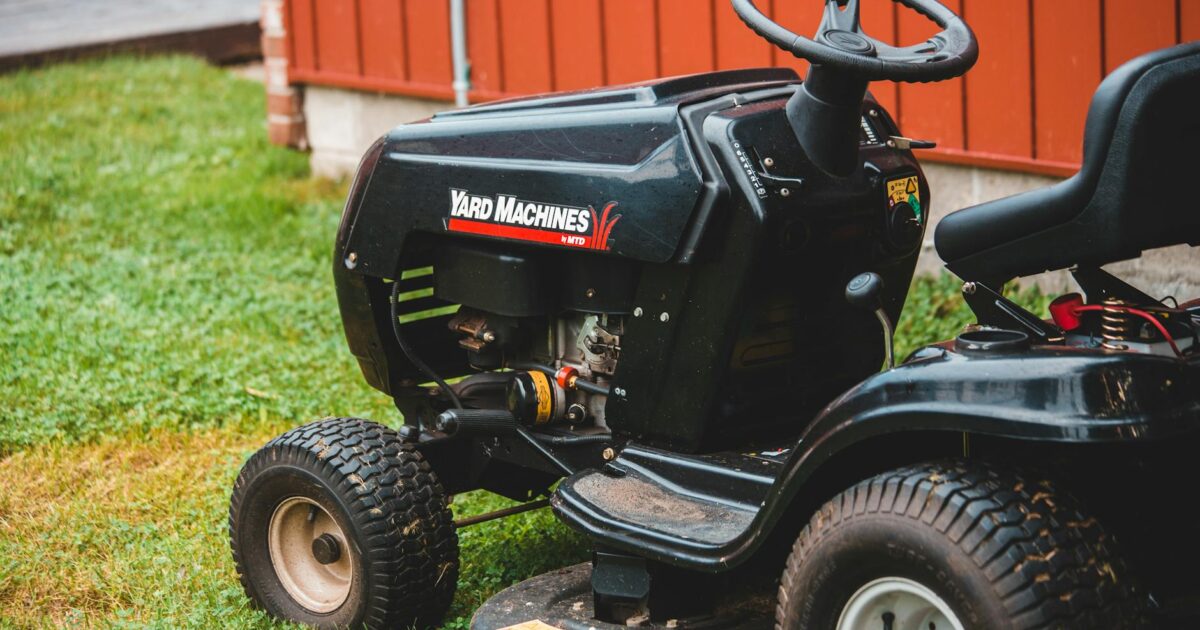
This guide covers everything about SAE 30 Oil for Lawn Mowers: Your 2026 Guide. When thinking about keeping your lawn mower running smoothly, the type of oil you use might seem like a small detail, but it’s a critical component for its health and longevity. Choosing the right SAE 30 oil for your lawn mower is a common and often recommended practice, ensuring your engine performs reliably season after season. Understanding why this particular oil is prevalent for these machines helps any homeowner maintain their equipment with confidence, avoiding potential issues.
Latest Update (April 2026)
Recent reviews and industry analyses continue to emphasize the importance of using the correct oil for lawn mower engines. As of early 2026, SAE 30 remains a go-to recommendation for many air-cooled small engines, particularly during warmer months. Independent tests and expert opinions, such as those highlighted by Bob Vila in March 2024, underscore the role of proper lubrication in extending engine life. Specific engine models like the Honda GCV160 are frequently discussed in the context of recommended maintenance, reinforcing the need for adherence to manufacturer specifications, as reported by SlashGear in May 2025. Recent product information from sources like ruhrkanal.news on April 24, 2026, highlights the availability of SAE 10W-30 oils for similar garden equipment, indicating a continued market for specialized small engine lubricants. This ongoing focus ensures that homeowners can rely on their equipment for effective yard maintenance.
Why SAE 30 Oil is Common for Lawn Mowers
Many small engines, like those in typical push mowers and some riding mowers, are designed to operate efficiently with SAE 30 oil. This single-viscosity motor oil handles the specific demands of air-cooled engines, which often run at higher temperatures than their automotive counterparts. Unlike multi-viscosity oils that change thickness with temperature fluctuations, SAE 30 maintains a consistent viscosity, ideal for the warmer operating conditions during summer mowing sessions. It provides a stable protective film for moving parts.
Engine Design and Lubrication Needs
The design of most lawn mower engines favors SAE 30 oil’s characteristics. These engines often lack complex filtration systems found in cars, benefiting from oil that performs well in a less demanding environment. The consistent thickness of SAE 30 helps reduce wear and tear on components like the crankshaft, connecting rod, and piston rings, extending the life of your machine. Without proper lubrication, friction would quickly degrade these parts, leading to costly repairs or engine failure. As of April 2026, manufacturers continue to specify SAE 30 for a broad range of their air-cooled engines due to its proven reliability and cost-effectiveness.
Detergent vs. Non-Detergent Oil
When selecting your oil, differentiate between detergent and non-detergent types, especially for older models. Most modern small engines require detergent SAE 30 oil, which contains additives that clean the engine and suspend contaminants, preventing sludge build-up. However, if you own a very old lawn mower that has always used non-detergent oil, switching can sometimes loosen old deposits, potentially clogging oil passages. Always check your owner’s manual to confirm specific recommendations for your model, ensuring you use the correct SAE 30 oil. Experts advise that for engines manufactured after the late 1960s, detergent oils are almost universally recommended.
Regular Maintenance Schedule
Maintaining your engine correctly involves regular checks and timely changes. Inspect the oil level before each use, ensuring it’s within the recommended range on the dipstick. Changing the SAE 30 oil in your lawn mower at least once a season, or every 25-50 hours of operation, is important. This routine prevents oil breakdown, loss of lubricating properties, and accumulation of harmful deposits that impact engine performance and longevity. For users in hotter climates or those who mow frequently, shortening this interval to every 20-30 hours of operation can provide an added layer of protection.
Considering Environmental Factors and Oil Condition
It’s also important to consider the environment where your mower operates. If you frequently mow dusty or particularly dirty areas, your oil may degrade faster. This could mean checking your oil level more often and potentially shortening the recommended interval between oil changes. Keeping an eye on the oil’s color and consistency can also provide clues about its condition. Dark, murky oil, or oil with a gritty texture, indicates it’s time for a change, regardless of the calendar or hour meter. As of April 2026, some specialized oil filters are becoming available for certain high-end mowers, but they are not standard for most residential models.
Performance in Different Conditions
Using the wrong oil or neglecting changes can lead to serious problems. An oil that’s too thin might not provide adequate lubrication at high temperatures, causing excessive wear. Conversely, an oil that’s too thick could make the engine work harder, leading to overheating and reduced efficiency. Adhering to the manufacturer’s recommendation for SAE 30 oil is a vital step in proactive maintenance. For example, using a 10W-30 oil, as suggested for some pressure washers and small engines by sources like Texas Diamond Garage on April 21 and 25, 2026, may be suitable in cooler temperatures but can behave differently than a straight-weight SAE 30 in peak summer heat. SAE 30 is specifically formulated to maintain its protective viscosity under sustained high operating temperatures typical of air-cooled mower engines.
Expert Insights and Industry Trends
Recent reviews of lawn equipment highlight the continued relevance of proper maintenance. For instance, a review of the Vonhaus 171cc Petrol Lawn Mower noted its value for larger lawns, underscoring the need for these machines to be well-maintained for optimal performance, as reported by t3.com on March 27, 2026. Similarly, discussions around engines like the Honda GCV160, used in various lawn mower brands, emphasize the importance of using the specified oil type for engine health, according to SlashGear on May 31, 2025. While synthetic and multi-viscosity options exist, SAE 30 remains a reliable choice for most traditional lawn mowers operating in seasonal temperatures, offering a good balance of protection, performance, and cost. Ensuring your engine receives this specific formulation means it can continue to tackle yard work effectively, providing a beautifully manicured lawn season after season. Understanding and correctly applying the appropriate SAE 30 oil is an investment in your equipment’s future, delivering reliable power and preventing premature wear.
The market for small engine oils continues to evolve, with a growing awareness of environmental impact. While SAE 30 remains a staple, manufacturers are also exploring more biodegradable options. However, for direct replacement and adherence to OEM specifications, conventional SAE 30 is still the standard. As highlighted by ruhrkanal.news on April 24, 2026, the availability of four-stroke engine oils like SAE 10W-30 for garden equipment suggests a diversification in lubricant offerings, catering to a wider range of operating conditions and engine designs. Homeowners should always prioritize the manufacturer’s recommendation for their specific mower model to ensure optimal performance and durability.
Frequently Asked Questions (2026)
Should I use synthetic SAE 30 oil in my lawn mower?
For most traditional lawn mowers designed for SAE 30, conventional mineral oil is sufficient and cost-effective. Synthetic SAE 30 oil offers enhanced protection, particularly in extreme temperatures and under heavy use, and can potentially extend drain intervals. However, it comes at a higher price point. Always check your owner’s manual; if it specifies conventional oil, using synthetic is generally safe but may be an unnecessary expense. If your manual allows for synthetic oil, it can be a good upgrade for longevity.
What happens if I use the wrong oil viscosity?
Using an oil with the wrong viscosity can significantly impact your lawn mower’s engine. If the oil is too thin (e.g., SAE 10W in hot weather), it may not provide adequate lubrication at high operating temperatures, leading to increased friction, overheating, and premature engine wear. If the oil is too thick (e.g., SAE 40 in cold weather), it can strain the engine during startup and may not flow properly to all critical parts, also causing wear and potentially hindering performance.
How often should I change the oil in my lawn mower?
As of April 2026, the general recommendation for most lawn mowers is to change the oil at least once per mowing season or after every 25 to 50 hours of operation, whichever comes first. This frequency ensures that the oil remains effective at lubricating and cooling the engine. Heavily used mowers, or those operated in very dusty or hot conditions, may benefit from more frequent oil changes.
Can I use car oil in my lawn mower?
While some car oils might share the SAE 30 viscosity rating, they are generally not recommended for lawn mower engines. Car engine oils contain complex additive packages designed for liquid-cooled automotive engines, which may not be suitable for the higher operating temperatures and different design requirements of air-cooled small engines found in lawn mowers. It’s best to use oil specifically formulated for small engines or lawn mowers, often labeled as ‘4-stroke engine oil’ or ‘lawn mower oil’.
What is the difference between SAE 30 and SAE 10W-30?
SAE 30 is a single-viscosity oil, meaning its thickness remains relatively consistent across a specific range of temperatures, typically suited for warmer conditions. SAE 10W-30 is a multi-viscosity oil. The ’10W’ indicates its viscosity in colder temperatures (it flows better when cold), while the ’30’ indicates its viscosity at operating temperature, similar to SAE 30. Multi-viscosity oils offer broader protection across a wider temperature range, which can be beneficial for engines that start in cooler weather and then operate in warmer conditions. However, always refer to your mower’s manual, as some engines are specifically designed for straight-weight oils like SAE 30.
Conclusion
Choosing the correct SAE 30 oil for your lawn mower is a fundamental aspect of routine maintenance that significantly impacts the engine’s performance and lifespan. By understanding the specific needs of air-cooled engines, differentiating between oil types, and adhering to a regular maintenance schedule, homeowners can ensure their lawn care equipment operates efficiently and reliably season after season. Regular checks, timely oil changes, and consulting your owner’s manual are the most effective ways to protect your investment and keep your lawn looking its best.
Sabrina
2 writes for OrevateAi with a focus on agriculture, ai ethics, ai news, ai tools, apparel & fashion. Articles are reviewed before publication for accuracy.