
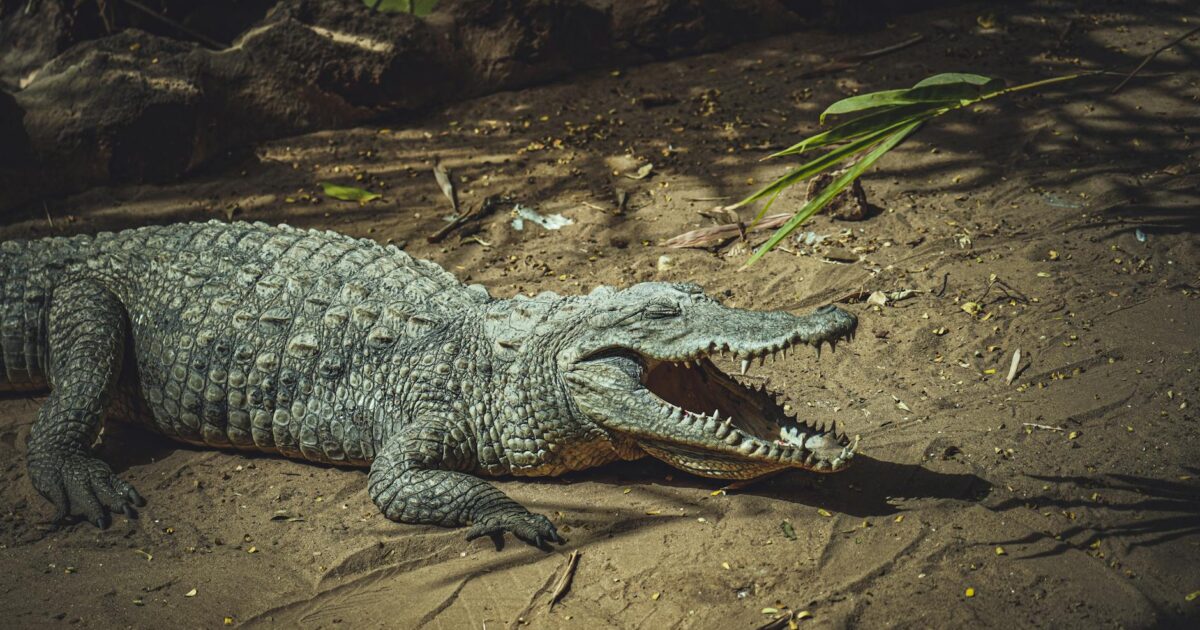
The intricate tapestry of life on Earth, woven from countless species interacting in complex ways, often leads us to fascinating ecological concepts. Among the most compelling is the role of the quaternary consumer. These creatures represent the very pinnacle of many food chains, occupying a position of immense power and responsibility within their ecosystems. Understanding what a quaternary consumer is truly reveals the delicate balance that sustains all living things, from the smallest microbe to the largest mammal. To begin with, let’s consider how energy flows through an ecosystem, moving from producers to various levels of consumers.
Latest Update (April 2026)
As of April 2026, ongoing research continues to highlight the critical, yet often precarious, position of quaternary consumers in global ecosystems. Recent studies published in journals like Ecology Letters (as of early 2026) emphasize the amplified impact of climate change on these apex predators. Shifting prey distributions and habitat degradation are forcing many quaternary consumers to expend more energy searching for food, impacting their reproductive success and overall health. Furthermore, advancements in genetic analysis are providing deeper insights into the population structures and genetic diversity of these elusive animals, crucial for effective conservation strategies. The identification of new threats, such as the increasing prevalence of microplastics in marine food webs, also poses a significant concern for top-level predators.
Primary consumers, for instance, are herbivores that feed directly on plants or other producers. Secondary consumers then prey upon these herbivores, while tertiary consumers typically hunt other carnivores or omnivores. It is beyond this stage that we encounter the magnificent quaternary consumer, a creature that feeds on tertiary consumers, placing them at the absolute apex of the trophic pyramid. These organisms are not preyed upon by any other species within their natural habitat, making them the ultimate controllers of population dynamics below them. Consequently, their presence or absence significantly dictates the health and structure of an entire ecosystem. Understanding their role is paramount for conservationists and ecologists aiming to maintain biodiversity and ecosystem resilience in 2026.
Characteristics of Apex Predators
The characteristics of a quaternary consumer are often quite striking. They are typically powerful predators, equipped with specialized hunting skills and formidable physical attributes such as sharp claws, teeth, or incredible speed. Their populations are generally much smaller than those of the lower trophic levels. This is a natural consequence of the energy transfer principle; a substantial amount of energy is lost at each step up the food chain, meaning fewer individuals can be supported at the highest levels. Thus, while their numbers may be low, their individual impact on the environment is extraordinarily high. They act as natural regulators, ensuring that no single species below them overpopulates and devastates its food source. For example, a large feline predator at the quaternary level might keep populations of large herbivores in check, which in turn prevents overgrazing of vegetation.
These apex predators often possess keen senses, sophisticated hunting strategies, and a wide range of dietary adaptability, though their primary food sources are other carnivores or omnivores. Their territorial nature and solitary habits, in many cases, also contribute to their low population densities. The energy required to sustain such large bodies and high metabolic rates necessitates a substantial prey base, which is only available at lower trophic levels. This biological constraint inherently limits the number of quaternary consumers an ecosystem can support.
Examples of Quaternary Consumers
Consider, for example, the awe-inspiring orca, often referred to as a killer whale. These marine mammals are prime examples of quaternary consumers in many ocean ecosystems. They hunt large fish, seals, and even other whales, which themselves might be tertiary consumers. For instance, an orca might prey on a seal that consumes fish, making the seal a tertiary consumer. Another excellent illustration is the polar bear, preying on seals that consume fish, thus positioning the bear as a quaternary consumer in the Arctic. Similarly, some large birds of prey, like the Harpy Eagle in certain jungle environments, might hunt primates or sloths which feed on smaller creatures, making the eagle a quaternary consumer in that specific context. These examples highlight the diversity of species that can occupy this critical role across different biomes.
In terrestrial environments, the lion is often considered a quaternary consumer. Lions prey on large herbivores like zebras and wildebeest (primary consumers), but they also hunt other carnivores like hyenas and cheetahs, which themselves feed on herbivores. This makes the lion a top predator in many African savanna ecosystems. Similarly, the great white shark occupies this niche in marine environments, feeding on seals, sea lions, and even smaller sharks, positioning it at the apex of many ocean food webs. The Bengal tiger, hunting deer and wild boar, but also capable of taking down other predators like leopards, further exemplifies this role in Asian forests.
It is important to note that an animal’s trophic level can vary depending on its specific diet and the ecosystem it inhabits. For example, a bear might be a primary consumer when eating berries, a secondary consumer when eating fish that eat insects, and a tertiary or even quaternary consumer when preying on other carnivores. This dietary plasticity is common, but when an animal consistently preys on other carnivores or omnivores, it firmly establishes its position as a quaternary consumer.
Ecological Importance and Vulnerabilities
The ecological importance of the quaternary consumer simply can’t be overstated. Without these top predators, the food chain below them can quickly become unbalanced. For instance, if a quaternary consumer’s population declines, the number of tertiary consumers might surge. This, in turn, could lead to an overhunting of secondary consumers, which then impacts primary consumers and eventually devastates plant life. This cascading effect, known as a trophic cascade, demonstrates how profoundly interconnected every part of an ecosystem truly is. Quaternary consumers also play a vital role in keeping prey populations healthy by often targeting the weak, sick, or old, preventing the spread of disease and strengthening the gene pool of their prey species.
According to a 2025 report by the World Wildlife Fund (WWF), apex predators like quaternary consumers are vital for maintaining biodiversity and ecosystem services. Their presence indicates a healthy environment capable of supporting complex food webs. For example, the reintroduction of wolves (often considered quaternary consumers in their ecosystems) into Yellowstone National Park has led to significant ecological recovery, including the regeneration of willow and aspen stands due to reduced elk browsing pressure. This demonstrates the profound ripple effect these animals have.
However, despite their formidable position, quaternary consumers are often among the most vulnerable species to environmental changes. Their reliance on a healthy and abundant food supply across multiple trophic levels means they are highly susceptible to disruptions at any point lower down the food chain. As of April 2026, threats such as habitat loss, pollution, climate change, and human overhunting of their prey continue to have devastating consequences for these apex predators. The accumulation of toxins, such as pesticides or heavy metals, through bioaccumulation is also a significant threat, as these substances become more concentrated at higher trophic levels. Discover Magazine reported in October 2023 that understanding who is at the top of the food chain remains a key area of ecological research, highlighting the ongoing need to monitor these populations.
The long lifespans and slow reproductive rates characteristic of many quaternary consumers also make them slow to recover from population declines. This is exacerbated by human activities, including direct persecution, habitat fragmentation that isolates populations, and the introduction of invasive species that can outcompete native prey or introduce diseases. For instance, the decline of large whale populations due to historical whaling practices has had significant, albeit complex, impacts on the marine food web, affecting populations of their predators and prey. Conservation efforts must address these multifaceted threats to ensure the survival of these vital species.
Conservation and the Future of Apex Predators
Ultimately, the presence of a thriving quaternary consumer population is a powerful indicator of a solid and healthy ecosystem. They are the guardians of the food web, ensuring stability and biodiversity through their key role. Recognizing the profound impact these magnificent creatures have on the natural world compels us to prioritize their conservation. Protecting the quaternary consumer means safeguarding entire ecosystems, preserving the delicate balance of life, and acknowledging the intricate web that connects every living being on our planet.
Conservation strategies often involve protecting large, intact habitats that can support viable populations of both quaternary consumers and their prey. This includes establishing wildlife corridors to connect fragmented habitats and implementing anti-poaching measures. Public education and community engagement are also vital to foster understanding and support for the conservation of these often-misunderstood animals. As noted by the International Union for Conservation of Nature (IUCN) in their 2025 status reports, many apex predator species remain vulnerable or endangered, underscoring the urgent need for intensified conservation actions globally.
The future of quaternary consumers is intrinsically linked to our ability to mitigate global environmental challenges. Addressing climate change, reducing pollution, and promoting sustainable land and resource management practices are essential for their long-term survival. Innovative approaches, such as using advanced tracking technologies and genetic monitoring, are providing conservationists with better tools to understand and protect these species. The success of these efforts will determine not only the fate of these apex predators but also the overall health and resilience of the planet’s ecosystems for decades to come.
Frequently Asked Questions
Are humans quaternary consumers?
Humans are often considered apex predators and can occupy quaternary consumer roles, depending on their diet. In many societies, our diets are highly varied and often include meats from animals that are themselves tertiary consumers (e.g., eating fish that eat smaller fish, or eating larger mammals that consume plants and smaller animals). However, our ability to source food from diverse geographical locations and across different trophic levels complicates a simple classification. While modern humans are capable of consuming at the quaternary level, our impact extends far beyond just predation, encompassing habitat modification and resource consumption on a global scale.
What is the difference between a tertiary and quaternary consumer?
A tertiary consumer feeds on secondary consumers. A quaternary consumer feeds on tertiary consumers. This places the quaternary consumer at the very top of the food chain in most ecosystems. For example, if grass is eaten by a rabbit (primary), the rabbit is eaten by a fox (secondary), and the fox is eaten by a wolf (tertiary), then an animal that eats the wolf would be a quaternary consumer. This hierarchical structure is fundamental to understanding energy flow and ecological balance.
What happens if a quaternary consumer disappears?
If a quaternary consumer disappears, it can trigger a trophic cascade. The population of tertiary consumers, which the quaternary consumer preyed upon, would likely increase unchecked. This surge in tertiary consumers could then lead to a decrease in the populations of secondary consumers. Ultimately, this imbalance can destabilize the entire ecosystem, affecting primary consumers and producers, and leading to a loss of biodiversity and ecosystem function.
Are there ecosystems with no quaternary consumers?
Yes, there are ecosystems that do not have quaternary consumers. The complexity of a food web dictates the presence of higher trophic levels. Simpler ecosystems with fewer species or limited resources may only support food chains up to the tertiary consumer level. For instance, a small, isolated pond ecosystem might have algae (producer), zooplankton (primary), small fish (secondary), and larger fish (tertiary), but lack a predator capable of consistently preying on the larger fish.
How do toxins affect quaternary consumers?
Quaternary consumers are particularly vulnerable to toxins due to a process called biomagnification. Toxins, such as heavy metals or persistent organic pollutants, accumulate in the tissues of organisms. As these organisms are consumed by others higher up the food chain, the concentration of the toxin increases at each trophic level. By the time these toxins reach quaternary consumers, they can be present at levels that cause severe health problems, including reproductive failure, immune system suppression, and even death.
Conclusion
The quaternary consumer stands as a testament to the intricate and often fragile nature of Earth’s ecosystems. As the apex predators of their food webs, they play an indispensable role in regulating populations below them, maintaining biodiversity, and ensuring the overall health and stability of their environments. As we navigate the challenges of the mid-2020s, understanding, appreciating, and actively protecting these magnificent creatures and their habitats is not just an ecological imperative but a crucial step towards safeguarding the planet’s natural heritage for future generations.
Sabrina
2 writes for OrevateAi with a focus on agriculture, ai ethics, ai news, ai tools, apparel & fashion. Articles are reviewed before publication for accuracy.


