
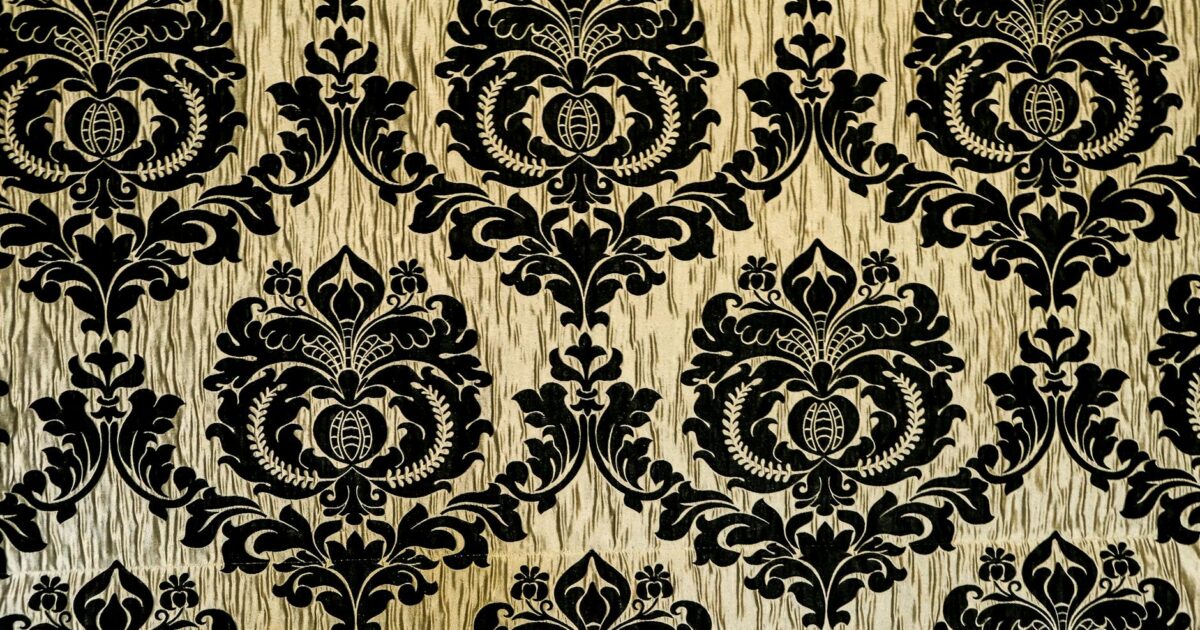
The word ‘damask’ conjures up a sense of opulence, intricate detail, and a rich historical lineage. It’s a pattern that has graced the finest textiles for centuries, yet it remains remarkably relevant in today’s design landscape. But what exactly defines a damask, and how did it become so enduring? Join us as we unravel the fascinating story behind this iconic weave, exploring its origins, its evolution, and its versatile applications in everything from haute couture to your living room.
Last updated: April 26, 2026 (Source: metmuseum.org)
Latest Update (April 2026)
As of April 2026, the damask weave continues to see innovation in textile manufacturing. Advancements in digital printing and jacquard loom technology allow for more intricate and custom damask designs than ever before. Sustainable production methods are also gaining traction, with manufacturers exploring recycled fibers and eco-friendly dyeing processes for damask fabrics. According to recent industry reports, demand for damask in high-end interior design, particularly for statement wallpapers and luxury upholstery, remains strong, indicating its timeless appeal in the 2026 market.
The allure of damask lies in its subtle complexity. It’s not merely a print; it’s a weave that creates a design through the interplay of light and shadow on the fabric’s surface. This inherent sophistication is precisely what has kept it in vogue for so long, continuing into 2026.
The Ancient Origins of Damask Weaving
The journey of damask weaving begins not in Europe, but in the East, specifically the ancient city of Damascus, Syria, which lends the pattern its name. Around the 2nd century BCE, during the Han Dynasty in China, sophisticated weaving techniques emerged that allowed for the creation of reversible patterns on a single cloth. These early damasks were typically made from silk, a luxury commodity traded along the Silk Road, connecting the East with the West.
The intricate weaving process, often using a drawloom, allowed weavers to create complex designs by contrasting the sheen of warp threads with the matte finish of weft threads, or vice versa. This created a subtle, tonal effect where the pattern would appear and disappear as the light changed. It was this unique visual characteristic that made it highly prized.
By the Middle Ages, damask had made its way to Europe, becoming a staple in the wardrobes of royalty and the aristocracy. Its production was a closely guarded secret, adding to its mystique and value. Early European damask subjects often featured motifs inspired by nature, geometric shapes, and heraldic symbols, reflecting the cultural influences of the time. The Metropolitan Museum of Art, for instance, houses numerous examples of medieval and Renaissance damask textiles, showcasing their historical significance and the evolution of patterns.
Understanding the Damask Weave and Pattern
At its core, damask is a type of reversible textile woven with a pattern that appears through the weave itself, rather than being printed or embroidered on top. This is typically achieved using a technique called a ‘drawloom’ or, more commonly today, a ‘jacquard loom’. The jacquard loom is a mechanical marvel that allows individual warp threads to be controlled, creating intricate patterns by varying the way the warp and weft threads interlace. As reported by textile historians, the development of the jacquard loom in the early 19th century democratized the production of complex weaves like damask, making them more accessible.
The hallmark of damask is its tonal, lustrous appearance. Contrasting two different weaves creates the pattern – usually a satin weave and a plain or twill weave. Where the satin weave lies on the surface, it reflects more light, making the pattern appear shiny. Where the plain or twill weave is on the surface, it appears duller. This contrast, often between warp-faced and weft-faced sections, is what gives damask its characteristic shimmering effect. The weave is created because the pattern appears on both the front and the back of the fabric, though often in reverse.
Important: It’s crucial to distinguish true damask from ‘damask-style’ prints. While printed patterns can mimic the damask look, they lack the depth and subtle sheen that comes from the intricate weaving technique. True damask is woven, not printed.
Damask in Fashion Through the Ages
Throughout history, damask has been a symbol of status and sophistication in fashion. From the opulent silk robes worn by Chinese emperors to the ecclesiastical vestments of medieval clergy, its luxurious texture and intricate designs made it a favored material.
During the Renaissance, damask experienced a golden age. Elaborate patterns featuring floral motifs, mythical creatures, and geometric designs adorned the clothing of nobility across Europe. Think of the sumptuous gowns and doublets depicted in portraits from this era – many would have been made from rich damask silk or linen.
In the 18th and 19th centuries, damask continued to be a popular choice for formal wear. It was used for elegant ballgowns, aristocratic suits, and ornate upholstery. While silk damask remained the most luxurious, linen damask also gained popularity, particularly for household linens like tablecloths and napkins, prized for its durability and crisp finish. As of 2026, vintage damask fashion pieces are highly sought after by collectors and fashion enthusiasts, often fetching significant prices at auction.
Modern Applications of Damask in Interior Design
The timeless appeal of damask has smoothly translated into modern interior design. Its ability to add a touch of classic elegance without feeling dated makes it a versatile choice for a variety of styles, from traditional to contemporary, in 2026.
One of the most popular uses of damask today is in wallpaper. Damask wallpaper can instantly elevate a room, adding texture, depth, and a focal point. Whether you opt for a bold, oversized pattern in a dramatic color or a subtle, tone-on-tone design for a more understated look, damask wallpaper can transform a space. Interior designers frequently recommend damask wallpaper for accent walls in dining rooms, bedrooms, and entryways, citing its ability to create a sophisticated atmosphere.
In upholstery and soft furnishings, damask brings a sense of luxury. Consider damask accent chairs, sofa cushions, or even curtains. A damask-covered armchair can become a statement piece in a living room, while damask napkins can add a sophisticated touch to your dining table. Even smaller accents, like a damask lampshade or throw pillow, can introduce this elegant pattern into your home. Reports from design publications in early 2026 highlight damask’s resurgence in home decor, particularly in velvet and textured finishes.
When incorporating damask into your decor, consider the scale of the pattern and the color palette of your room. A large-scale damask might overwhelm a small space, while a smaller, more intricate design could get lost in a vast room. Tone-on-tone damask offers a subtle way to introduce the pattern into more minimalist or contemporary interiors. For instance, a charcoal damask on a charcoal background can add visual interest without dominating the space.
Damask in Other Industries
Beyond fashion and interiors, damask patterns have found their way into various other applications, showcasing their adaptability. In the culinary world, damask historically featured on fine china and silverware, symbolizing refinement. Today, while less common, vintage damask-patterned tableware is still cherished by collectors.
In the realm of digital design and graphic arts, the damask motif is often referenced for its intricate beauty. Designers might use damask elements in branding, website backgrounds, or digital illustrations to evoke a sense of luxury, heritage, or intricate detail. This digital interpretation keeps the classic pattern relevant in the contemporary creative sphere.
Furthermore, damask has a significant place in religious contexts. Ecclesiastical vestments, such as chasubles and stoles, have traditionally been made from rich damask fabrics, often in silk or linen blends. These garments, adorned with religious symbols woven into the damask pattern, are used in ceremonies and services, continuing a tradition that dates back centuries.
Caring for Damask Textiles
Proper care ensures the longevity and beauty of damask textiles, whether they are antique heirlooms or contemporary purchases. For silk damask, professional dry cleaning is generally recommended to preserve the delicate fibers and the integrity of the weave. If hand-washing is attempted, it should be done with extreme care in cold water using a mild detergent, avoiding any harsh scrubbing or wringing. Allow the fabric to air dry away from direct sunlight, which can cause fading and damage.
Linen damask, while more robust, also benefits from gentle care. Machine washing on a delicate cycle with cold water and a mild detergent is often suitable. Avoid using bleach, as it can weaken linen fibers. Tumble drying on a low heat setting or line drying are preferred methods. For both silk and linen damask, ironing while the fabric is still slightly damp can help achieve a smooth finish and restore sheen. Always consult the care label if available for specific instructions. As of 2026, specialized textile conservation services are available for valuable antique damask pieces.
The Future of Damask
The enduring legacy of damask suggests it will continue to be a relevant design element for years to come. As technology advances, we can expect to see even more innovative ways to create and apply damask patterns. The integration of smart textiles might even see damask patterns embedded with functional capabilities. Furthermore, the growing appreciation for artisanal crafts and historical techniques bodes well for the continued production and appreciation of traditional damask weaving.
The sustainability movement in manufacturing is also influencing the future of damask. Expect to see more damask produced from organic cotton, recycled polyester, and other eco-conscious materials. Innovations in dyeing processes that minimize water usage and chemical impact will also be key. The classic damask pattern, when produced responsibly, aligns well with the conscious consumerism trends observed in 2026.
Frequently Asked Questions
What is the primary difference between damask and brocade?
While both are intricate woven patterns, the key difference lies in their structure. Damask is characterized by its reversible pattern created by contrasting weaves (typically satin and plain weave), resulting in a tonal, lustrous effect. Brocade, on the other hand, is a supplementary-warp woven fabric, meaning it has extra warp threads that are used to create the pattern, often resulting in a more textured, raised, and sometimes multi-colored design that is not typically reversible in the same way as damask.
Is damask fabric still popular in 2026?
Yes, damask fabric remains highly popular in 2026, particularly in interior design for wallpapers, upholstery, and soft furnishings. It’s also appreciated in high-fashion apparel for its luxurious appearance and historical significance. Its versatility allows it to fit into both classic and contemporary settings.
What are the most common motifs found in damask patterns?
Common motifs include floral designs (like roses, lilies, and acanthus leaves), scrolling vines, geometric shapes, paisley, and heraldic symbols. Historically, designs often reflected the cultural and artistic trends of the era and region where they were produced.
Can damask be used for curtains?
Absolutely. Damask fabric is an excellent choice for curtains, adding a touch of elegance and sophistication to any room. Heavier damasks can provide good drape and light-blocking qualities, while lighter options can offer a more sheer, decorative effect. The choice depends on the desired aesthetic and function.
How do I identify a true damask fabric?
A true damask is identified by its woven pattern, which appears on both sides of the fabric (though often in reverse). It achieves its design through the contrast of weaves, creating a subtle sheen and tonal effect rather than a printed or embroidered image. If you hold it up to the light, you should see the pattern woven through.
Conclusion
From its ancient origins in the East to its prominent place in modern fashion and interior design in 2026, damask represents a timeless fusion of artistry and textile innovation. Its intricate woven patterns, created through sophisticated loom technology, offer a unique depth and subtle sheen that continues to captivate. Whether adorning the walls of a home, the silhouette of a garment, or the table setting for a special occasion, damask proves its enduring appeal as a symbol of elegance and rich history.
Sabrina
2 writes for OrevateAi with a focus on agriculture, ai ethics, ai news, ai tools, apparel & fashion. Articles are reviewed before publication for accuracy.


