Espresso Beans vs Coffee Beans: The Real Difference Explained
The intriguing world of coffee often presents us with many questions, and few are as common as the debate surrounding espresso beans vs coffee beans. Many believe there’s a fundamental difference in the plant or the bean type itself, as if one grows on an “espresso tree” and the other on a “coffee tree.” However, this widespread notion misses the mark entirely. The truth is far more nuanced and fascinating, rooted not in the genetics of the bean, but in how it’s prepared and, most significantly, how it’s roasted.
Last updated: April 26, 2026
Latest Update (April 2026)
Recent developments in coffee technology and consumer preferences continue to shape how we understand espresso beans versus standard coffee beans. As of April 2026, Science News reported that the secret to perfect espresso is rooted in physics, emphasizing the precise interplay of pressure, temperature, and grind size. This highlights how advancements in understanding extraction mechanics, rather than inherent bean differences, are key. Furthermore, CNET recently tested over 15 grocery store coffee beans, finding significant quality variations, underscoring that the origin and roast of any bean, whether intended for espresso or drip, critically influence the final cup. Food & Wine also highlighted game-changing coffee tools available in 2026 that can significantly improve home brewing, suggesting a growing interest in precision across all coffee preparation methods.
At its core, any coffee bean can technically be used to make espresso, just as any bean can be brewed into a regular cup of drip coffee. Both “espresso beans” and “coffee beans” originate from the same species of the Coffea plant, primarily Arabica or Robusta, cultivated in various regions across the globe. Therefore, when we explore the perceived distinctions between espresso beans vs coffee beans, we are really examining differences in processing, roast profile, and the intended brewing method, rather than separate botanical entities.
Roast Profile: The Primary Distinction
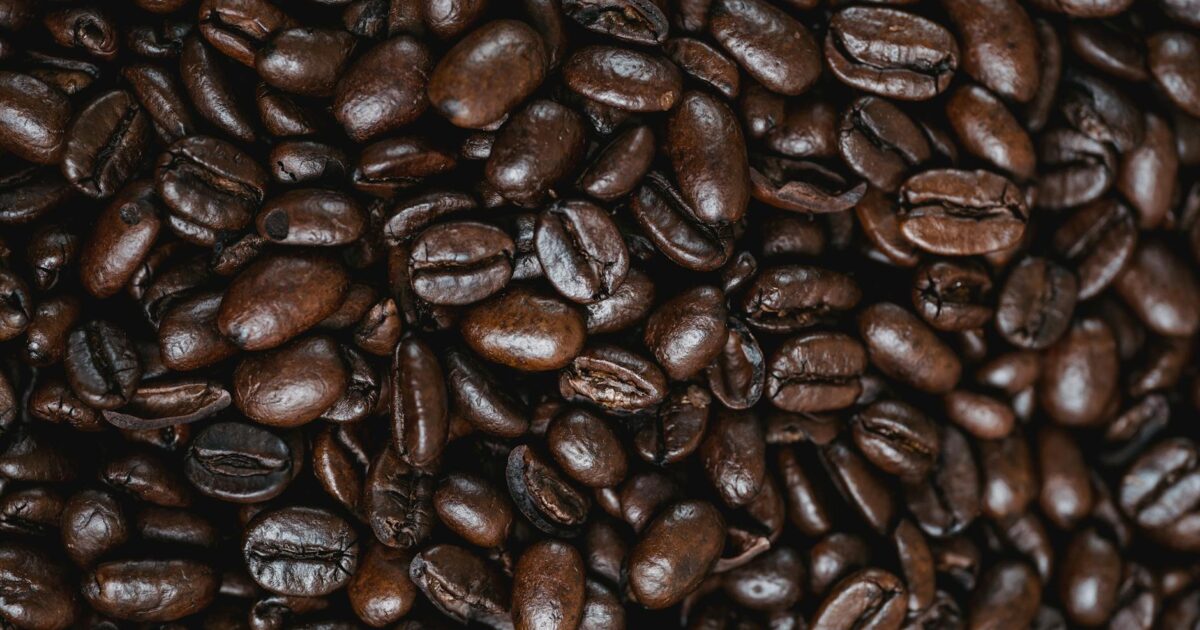
When people refer to “espresso beans,” they are generally talking about coffee beans that have been roasted with the intention of being brewed as espresso. This often means a darker roast level than what might typically be chosen for a lighter, more delicate drip coffee. A traditional espresso roast brings out rich, intense flavors, reduces acidity, and helps create the signature crema – the reddish-brown foam that crowns a perfectly pulled shot. These darker roasts also tend to have more oils on the surface, which some enthusiasts appreciate for the body and flavor they impart under high pressure.
Conversely, “coffee beans” in the broader sense encompass the entire spectrum of roast levels, from light and medium to dark. Beans destined for drip or pour-over methods can showcase a vast array of unique characteristics, from bright, fruity notes in a light roast to chocolatey and nutty undertones in a medium roast. The goal with these beans is often to highlight the intrinsic flavors of the bean’s origin without the intensity that a dark espresso roast might impart. So, while you might find a wide range of roasts labeled simply as “coffee,” an “espresso roast” label signals a specific intent for a certain flavor profile and brewing technique.
The spectrum of roasting is vast. Light roasts, often preferred for pour-overs, preserve the delicate floral and fruity notes characteristic of high-altitude Arabica beans. Medium roasts offer a balance, developing more sweetness and body while retaining some origin nuances. Dark roasts, typically favored for espresso, undergo significant chemical changes. Sugars caramelize, leading to bittersweet flavors, and oils are drawn to the surface, contributing to a fuller mouthfeel and the characteristic sheen associated with espresso beans. As of April 2026, the demand for single-origin beans roasted specifically for espresso has surged, allowing consumers to explore the distinct flavor profiles of beans from Ethiopia, Colombia, or Sumatra when prepared as espresso.
Grind Size and Brewing Method Matter
Beyond the roast, the grind size plays an absolutely critical role in differentiating the preparation of espresso beans vs coffee beans. For espresso, the beans must be ground extremely fine, almost to a powder-like consistency. This super-fine grind maximizes the surface area, allowing the hot, pressurized water to extract the concentrated flavors in a very short amount of time, typically between 25-30 seconds. According to Science News reports in April 2026, understanding the physics of espresso extraction, including the precise grind size, is paramount for achieving optimal results.
In contrast, coffee beans intended for drip brewing require a coarser grind, resembling sea salt or sand. A medium-coarse grind prevents over-extraction and bitterness during the longer contact time with water in a standard coffee maker or pour-over setup. The difference in grind size directly impacts the rate of extraction. Too fine a grind for drip coffee can lead to a muddy, over-extracted brew, while too coarse a grind for espresso will result in weak, under-extracted coffee with little to no crema.
The brewing method itself is the final piece of the puzzle. Espresso involves forcing hot water through finely ground, compacted coffee at high pressure, yielding a small, concentrated shot. This method demands a robust flavor profile from the beans to stand up to the intense extraction. Regular coffee, on the other hand, often relies on gravity and a longer extraction time, resulting in a larger volume and a more diluted, yet often more aromatic, beverage. The “espresso beans” are designed to perform optimally under the specific stresses of an espresso machine, while generic “coffee beans” are versatile enough for various brewing styles.
The Evolving Coffee Market and Consumer Trends in 2026
Ultimately, the labels “espresso beans” and “coffee beans” are more about marketing and guidance than a strict botanical classification. Roasters often craft specific blends or roast profiles and label them for espresso because they believe those beans will yield the best results for that particular brewing method. These “espresso blends” frequently combine Arabica for its aromatic complexity and Robusta for its crema and body-enhancing properties. As noted by Taste of Home in their February 6, 2026, review, “The Best Espresso Beans for Every Coffee Drinker,” different beans are indeed best suited for various coffee drinks, highlighting the importance of this nuanced approach.
The convenience of purchasing coffee and espresso beans online has grown significantly. WIRED reported on March 22, 2026, that “The Way to Get the Best Coffee Is to Order It Online,” suggesting a trend towards direct-to-consumer sales and curated selections. This accessibility means consumers can more easily find beans specifically roasted for espresso or explore diverse origins for their daily brews. Platforms like Amazon offer a vast array of options, as highlighted by Tasting Table’s April 22, 2025, list of “The 11 Best Whole Bean Espressos You Can Buy On Amazon,” though consumers should always check for the most current reviews and recommendations as of 2026.
Furthermore, as reported by TechRadar on April 24, 2026, the market for bean-to-cup coffee makers is booming, with qualified baristas testing and recommending models that simplify the process of making café-quality coffee at home. These machines often have integrated grinders and programmable settings that cater to both espresso and traditional coffee brewing. This focus on precision in preparation is becoming more accessible. The Coffee Chronicler reviewed top coffee and espresso scales on October 15, 2025, emphasizing how tools like accurate scales can elevate the home brewing experience by ensuring precise coffee-to-water ratios. This focus on detail, from bean selection to precise measurement, underscores a growing appreciation for the craft of coffee making, whether for a concentrated espresso shot or a delicate pour-over.
The trend of “from express trains to espresso” noted on Facebook in April 2026 reflects a broader cultural integration of high-quality coffee into daily life, often associated with speed, convenience, and a touch of luxury. This suggests that while the fundamental differences between espresso and coffee beans remain rooted in preparation and roast, the market continues to innovate in making these experiences more accessible and enjoyable for consumers.
Arabica vs. Robusta: A Deeper Dive
While the distinction between espresso and coffee beans is primarily about roast and preparation, the underlying bean varietal also plays a significant role, especially in espresso. The two primary species of coffee beans are Arabica and Robusta.
Arabica: Accounts for approximately 60% of the world’s coffee production. Arabica beans are known for their complex aroma, bright acidity, and nuanced flavors, often exhibiting notes of fruit, flowers, and wine. They contain less caffeine than Robusta and are more delicate to grow, typically requiring high altitudes and consistent rainfall. For espresso, high-quality Arabica beans are prized for their aromatic complexity and distinct flavor profiles.
Robusta: Constitutes about 30-40% of global production. Robusta beans are known for their bolder, harsher, and more bitter flavor, often described as rubbery or chocolatey. They contain significantly more caffeine (nearly double that of Arabica) and are more resilient, able to grow in hotter climates and at lower altitudes. In espresso blends, Robusta is often included for its ability to produce a thick, stable crema and to add body and a caffeine kick. While pure Robusta espresso can be quite intense, it’s a common component in traditional Italian espresso blends.
The choice between Arabica, Robusta, or a blend of both significantly impacts the final taste, crema, and body of an espresso. Many roasters develop signature espresso blends by carefully selecting and proportioning these two species to achieve a desired balance of flavor, aroma, and crema quality.
Frequently Asked Questions
Can I use espresso beans for regular coffee?
Yes, you absolutely can use espresso beans for regular coffee brewing methods like drip or pour-over. However, keep in mind that “espresso beans” are typically roasted darker. This darker roast might result in a bolder, more bitter, or even burnt taste in a drip coffee, especially if brewed with a coarser grind. It’s often best to use beans specifically roasted for your intended brewing method for the most optimal flavor.
What is the difference between espresso roast and dark roast?
While often used interchangeably, “espresso roast” is more about intent and often results in a darker profile. A dark roast simply refers to the level of roast, and while many espresso beans are dark roasted, not all dark roasts are specifically intended or ideal for espresso. Espresso roasts are formulated to withstand high pressure and extraction, often balancing intensity with sweetness. A generic dark roast might be too brittle or have a flavor profile that doesn’t hold up well under espresso conditions.
Does espresso use a different type of bean?
No, espresso does not use a different type of bean botanically. Both espresso and regular coffee are made from beans of the Coffea plant, primarily Arabica and Robusta species. The difference lies in how the beans are roasted, ground, and brewed. Espresso requires a fine grind and high-pressure extraction, which pairs best with specific roast profiles, often darker ones.
How important is the grind size for espresso?
The grind size is critically important for espresso. As of April 2026, experts emphasize that achieving the correct fine, powdery grind is essential for proper extraction. Too coarse a grind will lead to under-extraction (water passes through too quickly), resulting in weak, sour espresso. Too fine a grind will cause over-extraction (water struggles to pass through), leading to bitter, harsh espresso. The ideal grind allows for a 25-30 second extraction time, producing a balanced shot with rich crema.
Can I grind espresso beans at home?
Yes, you can grind espresso beans at home, and it’s often recommended for freshness. However, you will need a high-quality burr grinder capable of producing a very fine and consistent grind. Blade grinders are not suitable for espresso as they produce an inconsistent particle size, leading to uneven extraction. Many home baristas invest in electric or manual burr grinders specifically designed for espresso to achieve the precise grind consistency required.
Conclusion
The distinction between espresso beans and coffee beans is not rooted in different plant species or botanical varieties but rather in the intended preparation method, roast profile, and grind size. While any coffee bean can technically be used to make espresso, beans labeled “espresso roast” are specifically prepared to yield optimal results under the high-pressure extraction process characteristic of espresso brewing. These beans are typically roasted darker to develop intense flavors, reduce acidity, and contribute to the formation of crema. Conversely, beans for drip or pour-over coffee often feature lighter to medium roasts designed to highlight origin characteristics and a coarser grind suitable for longer extraction times. As the coffee market evolves in 2026, with increased accessibility to high-quality beans online and sophisticated home brewing equipment, understanding these nuances empowers consumers to make informed choices and elevate their daily coffee experience, whether they’re pulling a perfect espresso shot or brewing a comforting cup of drip coffee.
Sabrina
2 writes for OrevateAi with a focus on agriculture, ai ethics, ai news, ai tools, apparel & fashion. Articles are reviewed before publication for accuracy.