Indica Sedation: Does Indica Make You Tired in 2026?
It’s a question many people ask when exploring the world of cannabis: does indica make you tired? For years, the common understanding has been that indica strains are responsible for the stereotypical “couch-lock” sensation, leading to relaxation and often, a profound sense of sleepiness. This widely accepted belief has guided countless consumers in their choices, prompting them to reach for indica when they want to wind down after a long day or prepare for a restful night. Yet, like many generalizations in the complex science of cannabis, the answer to whether indica universally makes you tired is more nuanced than a simple yes or no.
Last updated: April 26, 2026
Latest Update (April 2026)
Recent analyses in 2026 continue to emphasize that while traditional classifications of indica and sativa have historical roots, the actual effects of cannabis strains are determined by their unique chemical profiles, not just their plant morphology. As highlighted by Hanf Magazin in their ‘Cannabis Strains Guide 2026’, the focus is shifting towards understanding the specific cannabinoid and terpene content to predict outcomes like sedation. This means that a strain labeled ‘indica’ might not always induce sleepiness, and conversely, some ‘sativa’ strains could possess sedative properties due to their chemical makeup.
The Shifting Understanding of Indica vs. Sativa
The association of indica with sleepiness largely stems from traditional classifications and anecdotal evidence. Historically, indica plants, with their short, bushy stature and broader leaves, were thought to contain chemical profiles that induce sedative effects. Sativa, on the other hand, with its tall, lanky growth, was linked to uplifting and energizing experiences. This simple dichotomy became deeply ingrained in cannabis culture, simplifying choices for consumers. However, modern scientific understanding is increasingly challenging this straightforward categorization. As of April 2026, research suggests that the distinction between indica and sativa might be less significant than previously thought in predicting specific effects, with studies indicating minimal inherent differences in core effects based solely on these labels, according to recent reviews (herb.co, January 18, 2026).
The Science Behind Cannabis Effects: Beyond Indica vs. Sativa
When we examine the actual biochemistry of cannabis, we begin to understand why the simple indica/sativa label is an unreliable predictor of whether you will feel tired. The effects of any cannabis strain are primarily determined by its unique chemical profile, often referred to as its chemotype. This profile includes the specific ratios of cannabinoids like THC, CBD, and CBN, as well as a rich array of aromatic compounds called terpenes. It’s the synergistic interaction of these compounds, known as the “entourage effect,” that truly dictates the overall experience, including whether a particular strain will make you feel tired.
Key Compounds Influencing Sedation
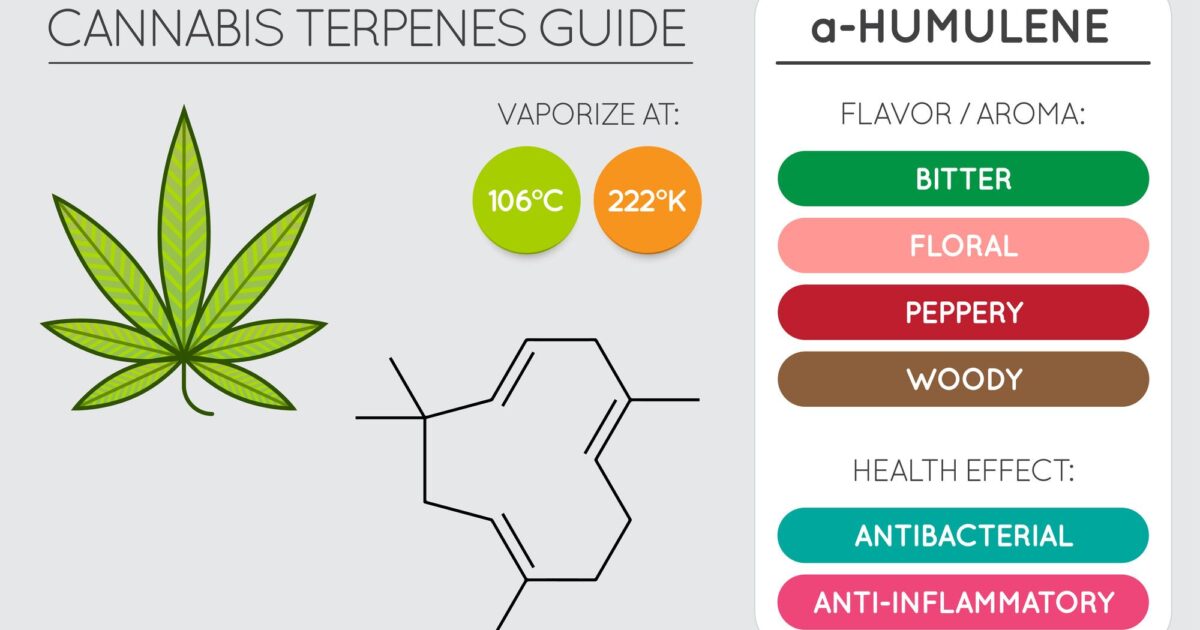
Certain terpenes are known for their potential sedative qualities. Myrcene, a terpene found in mangoes and hops, is often abundant in strains traditionally labeled as indica and is frequently associated with a relaxing, sedative effect. Linalool, also found in lavender, is another terpene thought to promote calmness and aid sleep. Beta-caryophyllene, present in black pepper, also contributes to a sense of relaxation without causing psychoactive effects on its own. When a strain has a high concentration of these particular terpenes, it’s more likely to contribute to feelings of tiredness, regardless of its indica or sativa classification.
Furthermore, the concentration of cannabinoids plays a critical role. While THC is psychoactive and can produce a range of effects, including relaxation at moderate doses, excessive amounts can sometimes lead to anxiety or overstimulation in some individuals. CBD, on the other hand, is non-psychoactive and is often praised for its calming properties, which can help mitigate some of THC’s more intense effects. CBN, a lesser-known cannabinoid that forms as THC degrades, is particularly noted for its potential sedative properties, making it a focus for those seeking sleep aids. A strain rich in CBN, therefore, is highly likely to make you feel tired. Given the ongoing interest in cannabis for sleep, understanding these cannabinoid profiles is essential, though it’s important to weigh potential benefits against risks (sleepfoundation.org, September 3, 2025).
Individual Factors Matter
Individual body chemistry is another significant factor in determining how a specific cannabis strain affects someone. Everyone’s endocannabinoid system is unique, meaning that two people consuming the exact same strain in the same dosage might experience vastly different effects. What makes one person feel calm and sleepy might leave another feeling energized or simply mellow. Factors like tolerance, metabolism, body weight, and even current mood and environment all contribute to the personal experience. This is why personal experimentation and starting with low doses are always recommended.
Dosage and Its Impact on Sedation
Additionally, the dosage itself significantly influences the outcome. A small amount of a particular strain might induce pleasant relaxation, while a much larger dose could indeed lead to a profound feeling of being tired, perhaps even overwhelmingly so. Understanding your own sensitivity and finding the right dose for your desired effect is key to managing how cannabis impacts your energy levels. This principle applies whether you’re seeking relaxation for recovery, as some endurance athletes explore (Triathlete, July 10, 2025), or simply looking to unwind.
Informed Choices for Consumers in 2026
So, does indica make you tired? While the general perception holds considerable sway and many strains traditionally labeled as indica do indeed promote relaxation and sleepiness due to their specific terpene and cannabinoid profiles, it’s important to look beyond the broad classification. Focusing on a strain’s specific chemotype—its unique combination of cannabinoids and terpenes—provides a much more accurate predictor of its effects. Rather than relying solely on the indica label, consumers in 2026 are encouraged to consult detailed lab reports, strain reviews, and knowledgeable budtenders to make informed decisions.
The trend in 2026 is towards greater transparency and education in the cannabis market. Dispensaries increasingly provide detailed information on terpene profiles, cannabinoid ratios, and the potential effects of each strain. As reported by Hanf Magazin in their comprehensive ‘Cannabis Strains Guide 2026’, understanding these specific compounds allows consumers to select strains that align with their desired outcomes, whether that’s sleep, relaxation, pain relief, or even a mild energy boost, irrespective of the strain’s traditional indica or sativa designation.
Terpene Profiles and Their Sedative Potential
Terpenes are aromatic compounds found in cannabis that contribute to its scent and flavor, but they also play a significant role in its effects. As of April 2026, scientific research continues to elucidate the specific actions of various terpenes. Myrcene, often found in high concentrations in indica strains, is known for its earthy, musky aroma and is strongly linked to sedative effects, sometimes described as “couch-lock.” Linalool, with its floral scent reminiscent of lavender, is another terpene frequently associated with relaxation and sleep-inducing properties.
Other terpenes contributing to potential sedation include Caryophyllene, which offers a spicy, peppery aroma and is known for its anti-inflammatory and analgesic properties, potentially aiding relaxation by addressing discomfort. Ocimene, which has a sweet, herbaceous aroma, might also contribute to a calming effect. When selecting a strain, paying attention to terpene percentages, particularly for myrcene and linalool, can offer a more precise indication of its potential to cause tiredness than the indica classification alone.
Cannabinoids: THC, CBD, and CBN
The cannabinoid profile is paramount in determining a strain’s effects. THC (tetrahydrocannabinol) is the primary psychoactive compound and can induce relaxation, but in higher doses, it can also cause anxiety or paranoia in some users. CBD (cannabidiol), conversely, is non-psychoactive and is recognized for its anxiolytic (anxiety-reducing) and anti-inflammatory properties. CBD can modulate the effects of THC, potentially leading to a more balanced and less sedating experience.
CBN (cannabinol) is a cannabinoid that forms as THC ages and oxidizes. While it is less potent than THC, CBN is widely reported to have significant sedative properties. Many consumers seeking sleep aids specifically look for strains with higher CBN content. For instance, some users report that strains with as little as 5% CBN can produce noticeable drowsiness. The interaction between these cannabinoids, as part of the entourage effect, is crucial. A balanced ratio of THC to CBD, coupled with a notable presence of CBN, is often the combination that leads to the most profound feelings of tiredness.
The Entourage Effect Explained
The entourage effect theory posits that the various compounds in cannabis—cannabinoids, terpenes, and flavonoids—work together synergistically to produce a more nuanced and potent effect than any single compound could achieve on its own. In 2026, this theory is widely accepted in the scientific and consumer communities. For example, the presence of CBD might temper the potential anxiety-inducing effects of high THC, while certain terpenes can enhance the sedative qualities of CBN. Understanding this complex interplay allows for more targeted strain selection.
Frequently Asked Questions
Does any strain labeled ‘indica’ guarantee I’ll feel tired?
No, not necessarily. While many indica strains are bred for their relaxing and sedating properties, the actual effects depend heavily on the specific terpene and cannabinoid profile, as well as individual body chemistry and dosage. Some indica strains may have uplifting terpenes or a cannabinoid balance that leads to a more energetic experience for certain individuals.
Are there specific terpenes that reliably cause drowsiness?
Yes, certain terpenes are strongly associated with sedative effects. Myrcene and Linalool are two of the most prominent. High concentrations of these terpenes are often found in strains known for their ability to induce relaxation and sleepiness.
How does CBN affect sleepiness compared to THC?
CBN is generally considered to have more direct sedative properties than THC, especially at lower doses. While THC can cause relaxation, it can also lead to overstimulation or anxiety in some. CBN, formed from THC degradation, is often sought out specifically for its sleep-promoting effects. However, the combination and ratio of CBN to THC and other cannabinoids significantly influence the overall impact.
Can sativa strains make me tired?
It is possible. While sativas are traditionally associated with energizing effects, their chemical composition can vary greatly. A sativa strain with a high myrcene content or a significant amount of CBN could potentially induce feelings of tiredness or relaxation in some users.
What’s the best way to find a strain that will help me sleep?
The most effective approach is to look beyond the indica/sativa label. Focus on strains with high levels of sedative terpenes like myrcene and linalool, and consider strains with a notable presence of CBN. Consulting detailed lab reports, reading user reviews, and speaking with knowledgeable dispensary staff about specific terpene and cannabinoid percentages are recommended strategies for 2026.
Conclusion
The question of whether indica makes you tired in 2026 is complex. While the historical association remains strong and many indica strains do possess sedative qualities due to their terpene and cannabinoid profiles, relying solely on the ‘indica’ label is an oversimplification. Modern understanding emphasizes the importance of the chemotype—the unique blend of cannabinoids and terpenes—and the entourage effect in determining a strain’s impact on an individual. Factors such as dosage, individual body chemistry, and tolerance also play crucial roles. For consumers seeking relaxation or sleep, informed choices based on detailed strain analysis, rather than broad classifications, are the most effective path forward.
Sabrina
2 writes for OrevateAi with a focus on agriculture, ai ethics, ai news, ai tools, apparel & fashion. Articles are reviewed before publication for accuracy.