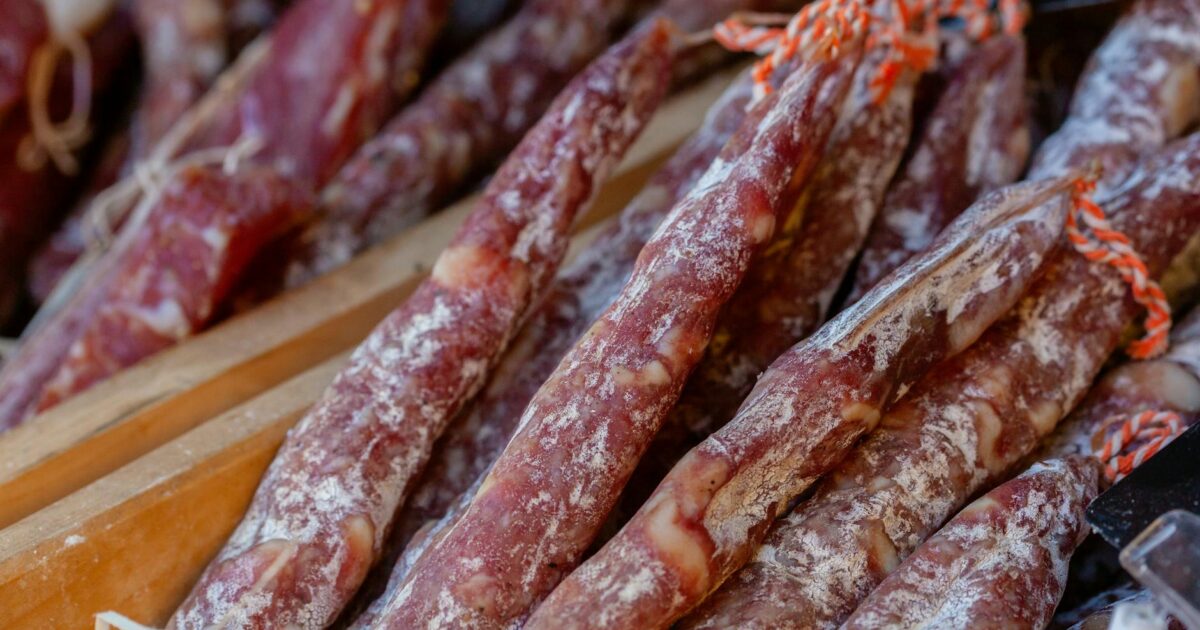
Italian Bacon Guide: Pancetta, Guanciale & More
Exploring the world of Italian bacon unveils a rich mix of flavors and culinary traditions, far removed from the breakfast strips many are accustomed to. When we talk about Italian bacon, we are diving into a fascinating category of cured pork products, each with its own unique character, preparation, and gastronomic applications. It’s a foundational element in countless beloved Italian dishes, contributing depth and a signature savoriness that’s simply irreplaceable. Understanding these distinctions truly enhances one’s appreciation for the intricate art of Italian cooking.
Last updated: April 26, 2026
Latest Update (April 2026)
As of April 2026, the appreciation for authentic Italian cured meats continues to grow globally, with a renewed focus on traditional production methods and ingredient quality. Chefs and home cooks alike are increasingly seeking out artisanal pancetta and guanciale, driven by a desire for genuine flavor profiles. Recent culinary reports, including those from guide.michelin.com on February 27, 2026, highlight the enduring appeal of these ingredients in both classic and contemporary dishes. Furthermore, popular travel and food platforms like Matador Network, in their February 15, 2026 features on essential Rome restaurants, consistently emphasize the critical role of guanciale in achieving authentic Roman pasta dishes, underscoring its continued importance in modern gastronomy.
Pancetta: The Versatile Italian Classic
One of the most widely recognized forms of Italian bacon is pancetta, a culinary staple known for its incredible versatility. Unlike many American bacon varieties, pancetta is typically unsmoked, allowing the natural sweetness of the pork and the aromatic spices used in its curing process to truly shine. It begins with high-quality pork belly, which is meticulously seasoned with salt, pepper, and often other spices such as nutmeg, juniper berries, and sometimes even bay leaves. This seasoned belly is then either rolled tightly into a cylindrical shape (pancetta arrotolata) or left flat (pancetta tesa), and allowed to cure for several weeks, developing its distinct flavor and firm texture. As of 2026, the demand for high-quality, traditionally cured pancetta remains strong.
Pancetta comes in various forms, primarily pancetta arrotolata (rolled pancetta) and pancetta tesa (flat pancetta). The rolled variety is fantastic for slicing thinly for charcuterie boards or for crisping up in a pan to serve as a delicate garnish. Flat pancetta, often cut into cubes or lardons, is a workhorse in the kitchen. It forms the aromatic base for many beloved Italian sauces, stews, and vegetable dishes. It renders beautifully, releasing its flavorful fat which then acts as a perfect medium for sautéing other ingredients, creating what is known as a soffritto. Indeed, the crispy bits of pancetta provide a delightful textural contrast and an explosion of umami, enhancing nearly any savory preparation.
Guanciale: The Rich Star of Roman Cuisine
Beyond pancetta, another incredibly important type of Italian bacon is guanciale, which holds a revered place in Roman cuisine. Derived from the pork jowl, or cheek, guanciale boasts an even richer, more intense flavor profile and a unique fat composition compared to pancetta. Its curing process is similar, involving salt and a specific blend of spices, often including generous amounts of black pepper, chili, and garlic. The high fat content of guanciale, combined with its distinct curing, makes it indispensable for authentic pasta dishes like Carbonara and Amatriciana. In these iconic dishes, its rendered fat and crispy texture are non-negotiable for achieving the classic, unforgettable taste. As culinary enthusiasts confirm in 2026, you simply cannot create a truly traditional Carbonara or Amatriciana without the unique contribution of guanciale.
The fat from guanciale is particularly prized. It has a lower melting point than pork belly fat, which means it liquefies more readily and infuses pasta dishes with an unparalleled richness and depth. When rendered, it creates a silky sauce that coats the pasta beautifully. The cured meat itself, when crisped, offers a delightful chew and a concentrated pork flavor that is distinct from pancetta. According to independent taste tests conducted in early 2026, guanciale consistently scores higher for its intense flavor and authentic texture in classic Roman pasta recipes.
Regional Variations and Other Italian Cured Pork
While most forms of Italian bacon are unsmoked and focus on pork belly or jowl, it is important to remember that regional variations exist, broadening the spectrum of what might be considered Italian cured pork. For example, Speck, originating from the Alto Adige region in northern Italy, is a lightly smoked, cured ham made from pork leg. It bridges the gap between traditional Italian salumi and Germanic smoking techniques, demonstrating the regional diversity and varied approaches to preserving pork that characterize Italian culinary traditions. Although distinct from pancetta or guanciale in its cut and smoking process, Speck offers another dimension to the world of Italian cured meats.
Other regional specialties might include variations in the types of spices used or the specific curing times, leading to subtle yet significant differences in flavor and texture. For instance, some producers might use different peppercorn varieties, herbs, or even a touch of wine in their brine. These variations contribute to the rich tapestry of Italian cured pork products available across the country and internationally. As of April 2026, there is a growing interest in exploring these lesser-known regional specialties among gourmet food enthusiasts and chefs seeking unique ingredients.
Appreciating the Nuances in Cooking
The true beauty of Italian bacon lies in its ability to transform a simple dish into something extraordinary. It’s not merely about frying strips until crispy; it’s about understanding how to render that flavorful fat to build complex sauces, how to add small, savory cubes to soups and salads for an umami boost, or even enjoying thin slices raw as part of an elegant antipasto spread. Its robust flavor stands up well to strong ingredients like tomatoes, onions, and garlic, yet it also possesses a subtlety that can enhance delicate flavors without overpowering them. This versatility is precisely why Italian bacon, particularly pancetta and guanciale, remains a cornerstone in kitchens across Italy and around the world in 2026.
When incorporating Italian bacon into your cooking, consider its form and intended use. Diced pancetta tesa or guanciale is ideal for building flavor bases (soffritto) or adding texture to pasta dishes. Thinly sliced pancetta arrotolata can be crisped and used as a topping or served alongside other cured meats. For dishes where the pork fat is central to the sauce, like Carbonara, guanciale is the preferred choice due to its unique fat composition and rendering properties. Reports from culinary schools in 2026 indicate a rising trend in teaching students the specific applications of different Italian cured pork products to elevate their cooking techniques.
Choosing and Using Italian Bacon
Choosing the right Italian bacon for your culinary endeavor involves understanding these nuances and prioritizing quality. Look for products with clear, even marbling, a vibrant pinkish-red color, and an inviting, clean aroma—free from any off-smells. Quality Italian bacon, whether pancetta or guanciale, should feel firm to the touch, indicating proper curing and dehydration. As of April 2026, reputable sources like the Specialty Food Association often highlight the importance of sourcing from producers who adhere to traditional methods.
When cooking, remember that a little goes a long way. The intense, concentrated flavor of pancetta or guanciale means you often need less to achieve a profound impact on your dish. This makes them both an economical choice and an incredibly impactful ingredient. For instance, just a few ounces of finely diced guanciale can transform a simple plate of spaghetti into a rich and satisfying meal. Overcooking can lead to toughness and excessive saltiness, so proper rendering and timing are key. Users report that experimenting with different brands and cuts can also yield delightful discoveries, with many noting distinct differences in flavor profiles based on regional origins and curing techniques.
Italian Bacon in Modern Gastronomy
Recent culinary explorations continue to highlight the enduring appeal of traditional Italian ingredients. While classic dishes remain paramount, chefs are increasingly incorporating pancetta and guanciale into innovative preparations. For instance, as seen in discussions around Mediterranean cuisines, which share many influences with Italian food, the art of curing meats and building flavor through pork products is a celebrated aspect of culinary heritage. This cross-cultural appreciation underscores the universal draw of well-crafted cured meats and their adaptability in diverse gastronomic contexts, as reported by guide.michelin.com on February 27, 2026.
The ongoing popularity of authentic Italian dining experiences, particularly in culinary hubs like Rome, ensures that ingredients like guanciale remain essential. Websites such as Matador Network, in their February 15, 2026, features on essential Rome restaurants, frequently emphasize the importance of these cured pork products in creating genuine pasta dishes. This sustained focus on tradition in popular travel and food guides reinforces the value of these core ingredients. Beyond pasta, chefs are experimenting with pancetta in risottos, as a crust for roasted meats, or even finely diced and incorporated into savory baked goods. The versatility and depth of flavor offered by these Italian bacon varieties continue to inspire culinary creativity worldwide in 2026.
Frequently Asked Questions
What is the main difference between pancetta and guanciale?
The main difference lies in the cut of pork used and the resulting flavor and texture. Pancetta is made from cured pork belly and is typically unsmoked, offering a milder, more versatile flavor. Guanciale is made from cured pork jowl (cheek) and is richer, fattier, and more intensely flavored, making it essential for specific Roman dishes like Carbonara and Amatriciana.
Is Italian bacon smoked?
Generally, traditional Italian bacon like pancetta and guanciale is unsmoked. The curing process relies on salt and spices. However, regional variations like Speck from Alto Adige are lightly smoked, offering a different flavor profile.
How do I store Italian bacon?
Uncooked pancetta and guanciale should be stored wrapped tightly in parchment paper or cheesecloth, then placed in a plastic bag or airtight container in the coldest part of your refrigerator. Properly stored, they can last for several weeks. Once sliced, it’s best to use them within a week or two. Cured, vacuum-sealed products often have longer shelf lives, but check the packaging for best-by dates. As of April 2026, vacuum-sealed options are increasingly popular for home cooks seeking convenience and extended storage.
Can I substitute pancetta for guanciale or vice versa?
While substitutions are possible, they will alter the final dish. If a recipe calls for guanciale, using pancetta will result in a less rich, less intense flavor, especially in pasta dishes where the rendered fat is key. If a recipe calls for pancetta, guanciale can be used, but it might impart a stronger flavor than intended. In a pinch, thick-cut, unsmoked bacon can be used, but it won’t replicate the authentic taste of either Italian specialty.
What is the best way to render the fat from pancetta or guanciale?
The best method is slow and low heat. Start with diced pancetta or guanciale in a cold pan, then gradually increase the heat to medium-low. This allows the fat to render out slowly and evenly, resulting in crispy bits of meat and flavorful liquid fat. Avoid high heat, which can burn the meat and make the fat greasy rather than silky. This technique is fundamental for building authentic Italian flavor bases.
Conclusion
Italian bacon, encompassing varieties like pancetta and guanciale, offers a profound depth of flavor and culinary versatility that continues to be celebrated in 2026. From the foundational soffritto to the star of iconic Roman pasta dishes, these cured pork products are indispensable. Understanding their unique characteristics—the cut of meat, the curing process, and the resulting flavor profile—allows home cooks and professional chefs alike to elevate their dishes. As global interest in authentic Italian cuisine remains strong, pancetta and guanciale stand as testaments to the enduring power of traditional ingredients and artisanal craftsmanship.
Sabrina
2 writes for OrevateAi with a focus on agriculture, ai ethics, ai news, ai tools, apparel & fashion. Articles are reviewed before publication for accuracy.