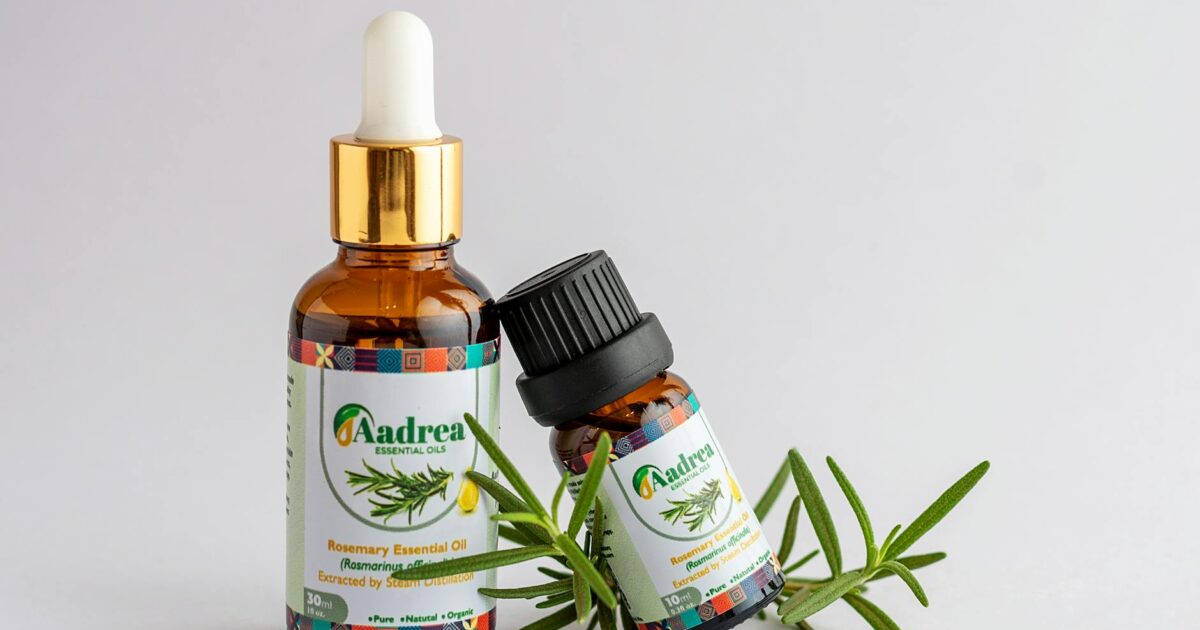
How to Make Rosemary Oil for Hair Growth: Easy DIY Guide 2026
Are you searching for natural ways to boost your hair growth, soothe tired muscles, or simply add a touch of herbal goodness to your daily routine? If so, you’ve likely come across the growing interest in rosemary oil. This aromatic herb, long celebrated for its distinctive fragrance and culinary uses, also boasts an impressive array of benefits when transformed into an oil. But why buy it when you can create your very own potent infusion right at home? Learning how to make rosemary oil is surprisingly simple, empowering you to harness its power with ingredients you trust.
In this complete guide, we’ll walk you through everything you need to know about crafting your homemade rosemary oil. From selecting the freshest ingredients to choosing the perfect carrier oil and mastering various infusion techniques, we’ve got you covered. Get ready to start a rewarding DIY journey that will leave you with a versatile, natural elixir ready for countless applications. Let’s dive in and discover the secrets of how to make rosemary oil that truly stands out!
The Allure of Rosemary Oil: More Than Just a Scent
Rosemary (Rosmarinus officinalis) is more than just a fragrant herb; it’s a powerhouse of beneficial compounds. When infused into a carrier oil, these compounds transfer, creating a potent solution cherished for centuries. Its popularity has surged recently, especially in hair care, where ongoing research continues to explore its potential to stimulate hair growth and combat hair loss. As reported by InStyle in April 2026, shoppers experiencing postpartum hair loss and menopause thinning are seeing new hair growth with this $19 oil, highlighting its current relevance. Some studies, including those discussed in recent expert analyses from sources like Real Simple and The Washington Post in early 2026, have shown results comparable to minoxidil in certain contexts. But the benefits extend beyond just your strands.
People often use rosemary oil for its anti-inflammatory and antioxidant properties. This makes it an excellent choice for soothing sore muscles and joints, or even for calming irritated skin. Additionally, the invigorating aroma of rosemary is a natural mood enhancer and can help improve concentration, making it a favorite in aromatherapy. By learning how to make rosemary oil, you gain access to these incredible advantages in their purest, most natural form, free from synthetic additives often found in commercial products.
Understanding Rosemary: The Herb Itself
Before you begin the process of how to make rosemary oil, it’s helpful to understand a little about the star ingredient. Rosemary is an evergreen shrub native to the Mediterranean region. It’s easily identifiable by its needle-like leaves and woody stems. For making oil, you can use either fresh or dried rosemary, each offering distinct advantages.
Fresh rosemary often contains a higher concentration of volatile compounds, meaning a potentially stronger aroma and more potent oil. However, it also carries more moisture, which can pose a risk of spoilage if not properly dried before infusion. Dried rosemary, on the other hand, is convenient and shelf-stable, making it a popular choice for beginners. Regardless of your choice, ensuring your rosemary is clean and free of pesticides is paramount for a high-quality finished product.
Essential Supplies You’ll Need to Make Rosemary Oil
Getting started with your homemade rosemary oil project requires just a few basic items. Most of these you might already have in your kitchen! Having everything laid out before you begin will make the process of how to make rosemary oil much smoother.
Fresh or Dried Rosemary: Which is Best?
- Fresh Rosemary: If you have access to a rosemary plant or can find fresh sprigs at your local market, this is an excellent option. For best results, allow the freshly cut sprigs to air dry for 24-48 hours on a clean towel or screen in a well-ventilated area to reduce moisture content. This helps prevent spoilage in your finished oil.
- Dried Rosemary: High-quality dried rosemary works wonderfully. It’s readily available in most spice aisles or online. Using dried herbs significantly reduces the risk of water content spoiling your oil, making it a safer bet for longevity. Ensure it’s culinary grade and hasn’t lost its aroma; it should still smell strongly of rosemary.
Choosing Your Carrier Oil: The Foundation of Your Rosemary Oil
The carrier oil is the base of your rosemary oil infusion. It dilutes the potent compounds from the herb, making them safe for topical application, and also carries its own set of beneficial properties. Your choice of carrier oil can influence the texture, absorption, and shelf life of your final product. Here are some popular options, updated for 2026 trends:
- Olive Oil: A readily available and cost-effective choice. It’s rich in antioxidants and very moisturizing, but can be a bit heavy for some. Extra virgin olive oil is preferred for its higher nutrient content.
- Jojoba Oil: Technically a liquid wax, jojoba oil closely mimics the skin’s natural sebum. It’s light, non-comedogenic, and excellent for hair and skin. It also has a very long shelf life, making it a fantastic, albeit pricier, option.
- Sweet Almond Oil: Another popular choice, known for being lightweight and nourishing. It’s great for sensitive skin and hair. Look for cold-pressed, unrefined versions.
- Grapeseed Oil: Very light and absorbs quickly, making it ideal for those who prefer a less oily feel. It’s rich in vitamin E and linoleic acid.
- Fractionated Coconut Oil: This version of coconut oil remains liquid at room temperature, is very light, and absorbs quickly. It’s a great choice for hair and skin without the greasiness of virgin coconut oil.
Consider your intended use and skin type when selecting your carrier oil. For hair growth focused on the scalp, jojoba or sweet almond oil are often recommended for their lightweight nature and beneficial properties. For body application, a richer oil like olive oil might be preferred.
Methods for Making Rosemary Oil
There are several effective ways to infuse rosemary into your chosen carrier oil. Each method has its pros and cons, affecting the infusion time and potency. Here are the most common and successful techniques:
1. The Cold Infusion Method (Slow & Steady Wins the Race)
This is the traditional and often preferred method for preserving the delicate compounds in rosemary. It requires patience but yields a high-quality oil.
- Preparation: Ensure your rosemary (fresh or dried) is completely dry. If using fresh, let it air dry for 24-48 hours.
- Combine: Fill a clean glass jar about one-quarter to one-third full with your dried rosemary. Pour your chosen carrier oil over the rosemary, ensuring the herb is completely submerged. Leave about an inch of headspace at the top.
- Infuse: Seal the jar tightly and place it in a cool, dark place (like a pantry or cupboard).
- Agitate: Shake the jar gently every day or two to help the infusion process.
- Strain: After 4-6 weeks, strain the oil through a fine-mesh sieve or cheesecloth into a clean bottle. Squeeze out as much oil as possible from the rosemary.
The cold infusion method results in a stable oil with a long shelf life, often up to a year or more if stored properly. Users report that this method produces a superior quality oil for sensitive applications like scalp treatments.
2. The Warm Infusion Method (Faster Results)
This method speeds up the infusion process by gently heating the oil, which helps to extract the rosemary’s beneficial compounds more quickly. However, it requires careful temperature control to avoid damaging the oil or herb.
- Preparation: Ensure your rosemary is dry.
- Combine: Place the rosemary in a heatproof jar or bowl. Pour the carrier oil over it.
- Gentle Heat: Place the jar in a double boiler (a bowl set over a pot of simmering water). Alternatively, you can use a slow cooker on the lowest setting or a dedicated herb infuser. Maintain a temperature below 120°F (49°C). Never boil the oil.
- Infuse: Let the mixture infuse gently for 2-6 hours, stirring occasionally. The longer it infuses, the stronger the oil will be.
- Cool and Strain: Allow the oil to cool completely before straining it through a fine-mesh sieve or cheesecloth into a clean storage bottle.
This method significantly reduces the infusion time, often yielding a potent oil within a day or two of preparation. However, it requires vigilant temperature monitoring. Overheating can degrade the oil’s quality and therapeutic properties. As of April 2026, many DIY enthusiasts prefer this method for its efficiency, especially when time is a constraint.
3. The Solar Infusion Method (Sun-Powered Extraction)
This method utilizes the sun’s gentle warmth to infuse the oil, offering a balance between the cold and warm methods.
- Preparation: Use dry rosemary and a clean glass jar.
- Combine: Fill the jar about one-quarter to one-third full with rosemary and cover completely with your chosen carrier oil.
- Sun Exposure: Seal the jar and place it in a sunny windowsill for 1-3 weeks.
- Agitate: Shake the jar every few days.
- Strain: After the infusion period, strain the oil as described in the other methods.
The solar method is convenient and requires minimal effort. The sun’s heat gently extracts the compounds. Ensure your jar is not placed in direct, intense heat that could cook the oil.
Tips for Success When Making Rosemary Oil
Regardless of the method you choose, a few key practices ensure the best results when learning how to make rosemary oil:
- Sterilize Equipment: Always use clean, dry glass jars and utensils to prevent contamination and prolong shelf life.
- Quality Ingredients: Use high-quality, organic rosemary whenever possible, and opt for unrefined, cold-pressed carrier oils for maximum nutritional benefits.
- Proper Storage: Store your finished rosemary oil in dark glass bottles in a cool, dark place. Refrigeration can further extend its shelf life.
- Patch Test: Always perform a patch test on a small area of skin before widespread topical use to check for any sensitivities or allergic reactions.
- Consistency is Key: For hair growth, consistent application is more important than the specific infusion method used.
Latest Developments in Rosemary Oil for Hair Growth (April 2026)
The buzz around rosemary oil for hair growth continues to intensify in 2026. Recent reports highlight its effectiveness for various hair concerns. As People.com noted in April 2026, some PEOPLE-tested hair growth oils, including those featuring rosemary, start at just $9, making natural hair care solutions more accessible than ever. HuffPost also recently featured a rosemary spray for thinning hair, calling it a ‘mist worth the money’ at just $15, further underscoring its popularity and affordability. Experts continue to recommend rosemary oil as a key ingredient for those seeking to achieve thicker, fuller hair, as discussed in Yahoo Lifestyle Canada’s expert advice on avoiding hair loss in women. The ongoing research and consumer testimonials solidify rosemary oil’s place as a leading natural remedy in the hair care market.
Understanding Hair Loss and Rosemary Oil’s Role
Hair loss is a common concern affecting millions globally, with various contributing factors including genetics, hormonal changes, stress, and nutritional deficiencies. As The New York Times recently explored in April 2026, even traditional approaches to hair loss, like hair-loss drugs, are being re-evaluated, suggesting a broader openness to diverse treatment strategies. Rosemary oil has emerged as a compelling natural alternative or complementary treatment. Its purported ability to improve circulation to the scalp is believed to stimulate hair follicles. Furthermore, its anti-inflammatory properties may help to create a healthier scalp environment conducive to hair growth. While it’s not a magic bullet, consistent use, as part of a holistic hair care routine, shows promising results for many users.
How to Use Your Homemade Rosemary Oil for Hair Growth
Once you’ve mastered how to make rosemary oil, the next step is applying it effectively for hair growth.
- Scalp Massage: Apply a few drops of rosemary oil directly to your scalp. Gently massage it in with your fingertips for 5-10 minutes. This not only distributes the oil but also stimulates blood flow to the follicles.
- Hair Mask: Mix 1-2 tablespoons of your homemade rosemary oil with a carrier oil like coconut or argan oil (or a nourishing hair mask). Apply this mixture to your hair and scalp, leave it on for at least 30 minutes (or overnight for deeper conditioning), then shampoo and rinse as usual.
- Leave-In Treatment: For a lighter application, mix a few drops of rosemary oil with your regular leave-in conditioner or a small amount of carrier oil and apply to the ends of your hair or specific thinning areas.
For best results in stimulating hair growth, users report applying the oil to the scalp 2-3 times per week. Remember to be patient, as visible results can take several weeks to months.
Other Uses for Homemade Rosemary Oil
While hair growth is a primary focus, your homemade rosemary oil is a versatile elixir with numerous other applications:
- Muscle and Joint Relief: Its anti-inflammatory properties make it excellent for massaging into sore muscles or joints.
- Skin Soothing: Diluted with a carrier oil, it can help calm minor skin irritations and improve skin tone due to its antioxidant content.
- Aromatherapy: The invigorating scent can be diffused or inhaled directly to boost mood, improve focus, and reduce stress.
- Hair Conditioning: Beyond growth, it can improve hair shine, strength, and manageability.
- Scalp Health: It helps combat dandruff and a dry, itchy scalp.
Frequently Asked Questions
How long does it take to see results from rosemary oil for hair growth?
Results vary depending on individual factors like genetics, hair cycle, and consistency of use. However, many users report noticing initial improvements in hair thickness or reduced shedding within 4-8 weeks of consistent application, with more significant growth often observed after 3-6 months. As of April 2026, experts recommend patience and consistent use.
Can I use rosemary oil every day?
While rosemary oil is natural, daily use directly on the scalp might be too much for some. Applying it 2-4 times per week is generally recommended. Over-application can lead to scalp irritation or greasy hair. Always listen to your body and adjust frequency as needed. A patch test is advisable before increasing frequency.
What is the best carrier oil for rosemary oil for hair growth?
Jojoba oil and sweet almond oil are frequently recommended as excellent carrier oils for rosemary oil for hair growth due to their lightweight nature, absorption properties, and beneficial fatty acids. Fractionated coconut oil is also a popular, lightweight choice. The ‘best’ oil can depend on individual hair and scalp type.
How should I store homemade rosemary oil?
Store your homemade rosemary oil in airtight, dark glass bottles to protect it from light and air, which can degrade its potency. Keep the bottles in a cool, dark place, such as a pantry or cupboard. For extended shelf life, refrigeration is recommended. Properly stored, it can last from 6 months to over a year.
Can rosemary oil help with hair loss caused by medical conditions?
Rosemary oil can be a beneficial complementary treatment for certain types of hair loss, but it is not a cure for underlying medical conditions. If you are experiencing significant hair loss, it is crucial to consult with a healthcare professional or dermatologist to diagnose the cause and discuss appropriate medical treatments. Rosemary oil may support hair health alongside prescribed therapies.
Conclusion
Learning how to make rosemary oil at home is an empowering and cost-effective way to harness the natural benefits of this incredible herb. Whether your goal is to stimulate hair growth, soothe tired muscles, or simply enjoy the aromatic benefits, a DIY rosemary oil infusion provides a pure and potent solution. By following these simple steps, choosing quality ingredients, and selecting the infusion method that best suits your needs, you can create a versatile natural elixir. Embrace this rewarding DIY project and discover the transformative power of homemade rosemary oil in your wellness routine as of April 2026.
Sabrina
2 writes for OrevateAi with a focus on agriculture, ai ethics, ai news, ai tools, apparel & fashion. Articles are reviewed before publication for accuracy.