Shelter Island Ferry Guide 2026: Schedules, Fares & Island Adventures
Last updated: April 26, 2026
Latest Update (April 2026)
As of April 2026, ferry services in the Long Island region continue to be a vital connection for residents and visitors. Recent reports from Riverhead News Review on April 22, 2026, highlight increasing operational costs, such as surging fuel prices, which have led to fare adjustments for services like the Cross Sound Ferry departing from Orient Point. While this specific fare increase does not directly apply to the Shelter Island ferries, it underscores the economic factors influencing all maritime transport in the area. Industry observers suggest that similar pressures may impact all local ferry operators throughout 2026, potentially leading to future adjustments. Additionally, as noted in the Shelter Island Reporter on April 23, 2026, community engagement remains high, with forums discussing the role of local institutions like the Shelter Island School. This heightened community focus often extends to essential services like the ferries, ensuring their continued importance in island life.
Picture this: a serene escape to an island jewel nestled in the heart of Long Island’s East End. How do you get there? Through a quintessential Long Island experience – the Shelter Island ferry. More than just a mode of transport, the Shelter Island ferry is your gateway to a world of tranquil beaches, charming villages, and stunning natural beauty. It’s an integral part of visiting this unique destination, providing a scenic, brief, and incredibly convenient journey that truly sets the tone for your island adventure.
For decades, these ferries have faithfully transported residents, visitors, and their vehicles across the waters, connecting Shelter Island to both the North and South Forks of Long Island. Whether you’re coming from the bustling streets of Greenport or the Hamptons’ sophisticated vibe, the journey on a Shelter Island ferry is an experience in itself. This complete guide walks you through everything you need to know about navigating the Shelter Island ferry system in 2026, ensuring your trip to this idyllic haven is as smooth and enjoyable as possible.
Understanding the Shelter Island Ferry System: North vs. South
Shelter Island, despite its small size, is uniquely served by two distinct ferry services, each connecting to a different part of Long Island. Understanding the nuances of the North Ferry and the South Ferry is essential for planning your travel effectively, especially when considering the Shelter Island ferry in 2026.
The North Ferry: From Greenport to Shelter Island Heights
When you hear talk of the North Ferry, people are generally referring to the connection between Greenport, a vibrant village on the North Fork, and Shelter Island Heights. This particular Shelter Island ferry route is a historic and charming ride, spanning the short distance across Shelter Island Sound. It’s often the preferred choice for those exploring the North Fork’s vineyards, farm stands, and quaint towns before heading to the island.
- Route: Greenport, North Fork ↔ Shelter Island Heights, Shelter Island
- Duration: Approximately 8-10 minutes. It’s a quick hop across the water!
- Experience: The North Ferry offers picturesque views of Greenport Harbor and the charming coastline of Shelter Island. Passengers often stand on deck, enjoying the sea breeze and snapping photos. It’s a lively connection, frequently used by cyclists, pedestrians, and vehicles alike.
- Significance: This Shelter Island ferry is vital for connecting Shelter Island to the wine country and maritime heritage of the North Fork.
The South Ferry: From North Haven to Shelter Island
Conversely, the South Ferry links Shelter Island to the South Fork, specifically from North Haven (near Sag Harbor) to the southern tip of Shelter Island. This route is essential for travelers coming from the Hamptons, offering direct access without needing to navigate through the North Fork. The South Ferry provides a slightly different, but equally scenic, perspective on the region.
- Route: North Haven (near Sag Harbor), South Fork ↔ Shelter Island, Shelter Island
- Duration: Similar to the North Ferry, this crossing also takes around 8-10 minutes.
- Experience: The South Ferry traverses a narrower channel, offering intimate views of the surrounding coves and waterfront properties. It often feels a bit more secluded and is a direct link for those traveling from destinations like East Hampton, Bridgehampton, or Southampton.
- Significance: This Shelter Island ferry is the primary artery for Hamptons residents and visitors seeking the tranquil charm of Shelter Island.
Planning Your Trip: Shelter Island Ferry Schedules and Fares for 2026
To ensure a smooth journey on the Shelter Island ferry, a little pre-planning goes a long way. This includes familiarizing yourself with current schedules and understanding the fare structure for 2026.
Checking the Shelter Island Ferry Schedule
Both the North Ferry and South Ferry operate on regular schedules, but these can vary by season, day of the week, and even during holidays or special events. It’s always best practice to check the official ferry websites or call ahead before your trip. For instance, peak summer months often see extended hours and more frequent departures to accommodate the influx of visitors, making the Shelter Island ferry a bustling hub.
During the off-season, service may be slightly reduced, especially later in the evenings. Weather conditions, such as dense fog or strong winds, can also impact schedules, leading to delays or even temporary suspensions. Therefore, a quick check of the respective ferry company’s website (North Ferry Company or South Ferry Company) is highly recommended just before you depart. This simple step can save you considerable waiting time and ensure your travel plans remain on track.
Recent news indicates that infrastructure improvements are being considered for ferry services in the region. For example, the Fishers Island Ferry District is seeking funds for a new ramp and a bigger boat, as reported by The Suffolk Times on February 16, 2026. While this pertains to a different ferry route, it highlights a general trend of investment and potential upgrades in local ferry operations that could eventually influence services like those to Shelter Island.
Navigating Shelter Island Ferry Fares
Fares for the Shelter Island ferry are generally paid upon arrival at the terminal. Cash is widely accepted, and some ferries may accept credit cards, but it’s always wise to have cash on hand, especially for the South Ferry. Fares are typically structured based on the type of vehicle (car, truck, motorcycle, bicycle) and the number of passengers. Pedestrians also pay a fare, which is generally lower than vehicle fares.
As of April 2026, typical one-way fares for a standard passenger vehicle with a driver range from approximately $15 to $25, with additional charges for passengers beyond the driver. Bicycle and pedestrian fares are typically around $3 to $5. It is critical to verify the exact rates directly with the ferry operators, as these figures are subject to change. Riverhead News Review reported on April 22, 2026, that rising fuel costs have already impacted other ferry services, suggesting potential for similar adjustments across the board.
North Ferry Fares (Approximate as of April 2026):
| Vehicle Type | Fare (One Way) |
|---|---|
| Passenger Vehicle (incl. driver) | $20.00 |
| Additional Passenger | $5.00 |
| Bicycle | $4.00 |
| Motorcycle | $10.00 |
South Ferry Fares (Approximate as of April 2026):
| Vehicle Type | Fare (One Way) |
|---|---|
| Passenger Vehicle (incl. driver) | $25.00 |
| Additional Passenger | $5.00 |
| Bicycle | $5.00 |
| Motorcycle | $12.00 |
These are estimates, and passengers should confirm current pricing before boarding. Some services might offer commuter books or seasonal passes, which could provide savings for frequent travelers.
Tips for a Smooth Ferry Experience
Traveling by ferry is part of the charm of visiting Shelter Island, but a few tips can make your journey even more pleasant.
Arrive Early, Especially During Peak Season
During the busy summer months and on holiday weekends, ferry terminals can become congested. Arriving at least 30 minutes before your desired departure time is advisable, particularly if you are traveling with a vehicle. This buffer allows ample time for ticketing, boarding, and finding a good spot on the ferry. Reports from MSN’s recent article, “A quieter Hamptons escape on the North Fork | Field Trip” published on April 25, 2026, emphasize the value of efficient travel planning when accessing island destinations, reinforcing the need for early arrival.
Enjoy the Views and Amenities
The ferry ride itself is a scenic experience. Take the time to step out of your vehicle (when permitted and safe) and enjoy the panoramic views of the Long Island coastline, the surrounding waters, and the island itself. Some ferries offer basic amenities like restrooms, and the short duration means you can easily relax and soak in the atmosphere.
Consider Foot Travel
If your destination on Shelter Island is close to the ferry terminal (like Shelter Island Heights for the North Ferry), consider traveling as a walk-on passenger. This often bypasses vehicle lines and is more economical. Once on the island, you can rent bicycles or use local taxi services to get around.
Check Weather Conditions
As mentioned earlier, severe weather can impact ferry operations. Always check the forecast and the ferry companies’ advisories before heading out. Safety is paramount, and ferries will not operate in conditions deemed unsafe.
Island Adventures: What to Do on Shelter Island
Once you’ve arrived via the Shelter Island ferry, a world of relaxation and recreation awaits. Shelter Island offers a unique blend of natural beauty and small-town charm, making it a perfect getaway.
Beaches and Nature Preserves
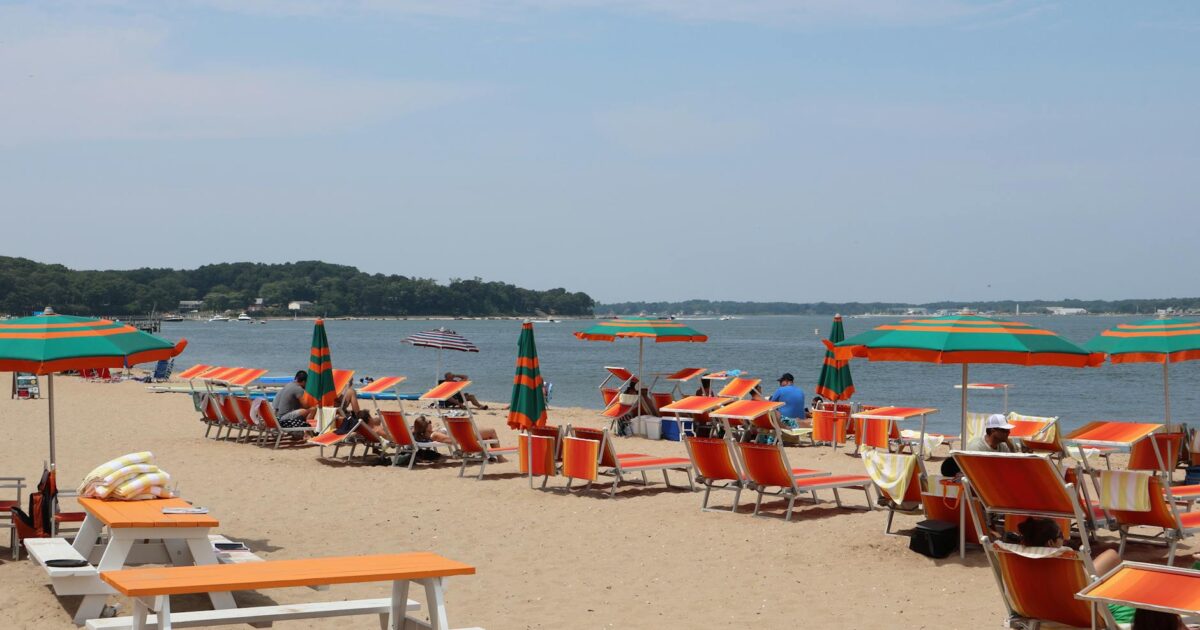
Shelter Island boasts several beautiful beaches perfect for a day of sunbathing, swimming, or picnicking. Crescent Beach is a popular choice, offering calm waters and ample space. For nature lovers, the Mashomack Preserve, a 2,300-acre nature preserve managed by The Nature Conservancy, provides miles of hiking trails through diverse habitats, including forests, meadows, and shoreline. Birdwatching is particularly rewarding here.
Charming Villages and Dining
Explore the quaint villages of Shelter Island Heights and Dering Harbor. Shelter Island Heights, accessible by the North Ferry, is known for its Victorian architecture and community spirit. The island also offers a variety of dining options, from casual seafood shacks to more upscale restaurants, many featuring locally sourced ingredients.
Wineries and Local Attractions
While the North Fork is more famous for its wineries, Shelter Island has its own local vineyards and tasting rooms. Additionally, the island’s historical society and local artisan shops offer a glimpse into its rich past and creative present.
Recreational Activities
Beyond beachcombing and hiking, Shelter Island is ideal for kayaking, paddleboarding, and sailing. The calm waters of Peconic Bay and Gardiners Bay provide excellent conditions for these activities. Many local outfitters offer rentals and guided tours.
Frequently Asked Questions
How often do the Shelter Island ferries run?
The frequency of the North and South ferries varies by season. During peak summer months (roughly June through September), they typically run every 20-30 minutes during daylight hours. Service may be less frequent in the off-season (October through May), especially during evenings and weekends. It is essential to check the official schedules for the most current information as of April 2026.
Can I bring my car on the ferry?
Yes, both the North Ferry and the South Ferry are equipped to transport vehicles, including cars, trucks, motorcycles, and even bicycles. Vehicle fares apply in addition to passenger fares.
What is the difference between the North Ferry and the South Ferry?
The primary difference lies in their routes and the parts of Long Island they connect to. The North Ferry runs between Greenport on the North Fork and Shelter Island Heights on Shelter Island. The South Ferry connects North Haven (near Sag Harbor) on the South Fork to the southern part of Shelter Island. The experience and surrounding views differ slightly between the two routes.
Do the ferries operate in bad weather?
Ferries operate in most weather conditions, but they will suspend service during severe weather events, such as heavy fog, high winds, or storms, for safety reasons. It is advisable to check the ferry operators’ websites or call ahead if you suspect weather might impact your travel plans.
What are the operating hours for the Shelter Island ferries in 2026?
Operating hours vary significantly by season and ferry. The North Ferry typically runs from early morning (around 6:30 AM) until late evening (around 10:00 PM or later in peak season). The South Ferry often has slightly different hours, sometimes starting a bit later or ending earlier. Always consult the official North Ferry Company and South Ferry Company websites for precise hours of operation for April 2026 and beyond.
Conclusion
The Shelter Island ferry system remains an indispensable and charming component of any visit to this unique island destination in 2026. Whether you choose the North Ferry from Greenport or the South Ferry from North Haven, the journey offers scenic beauty and convenient access. By understanding the schedules, fares, and operational nuances, you can ensure a seamless transition from the mainland to the tranquil shores of Shelter Island. Plan your trip, embrace the experience, and discover the enduring appeal of this Long Island gem.
Sabrina
2 writes for OrevateAi with a focus on agriculture, ai ethics, ai news, ai tools, apparel & fashion. Articles are reviewed before publication for accuracy.