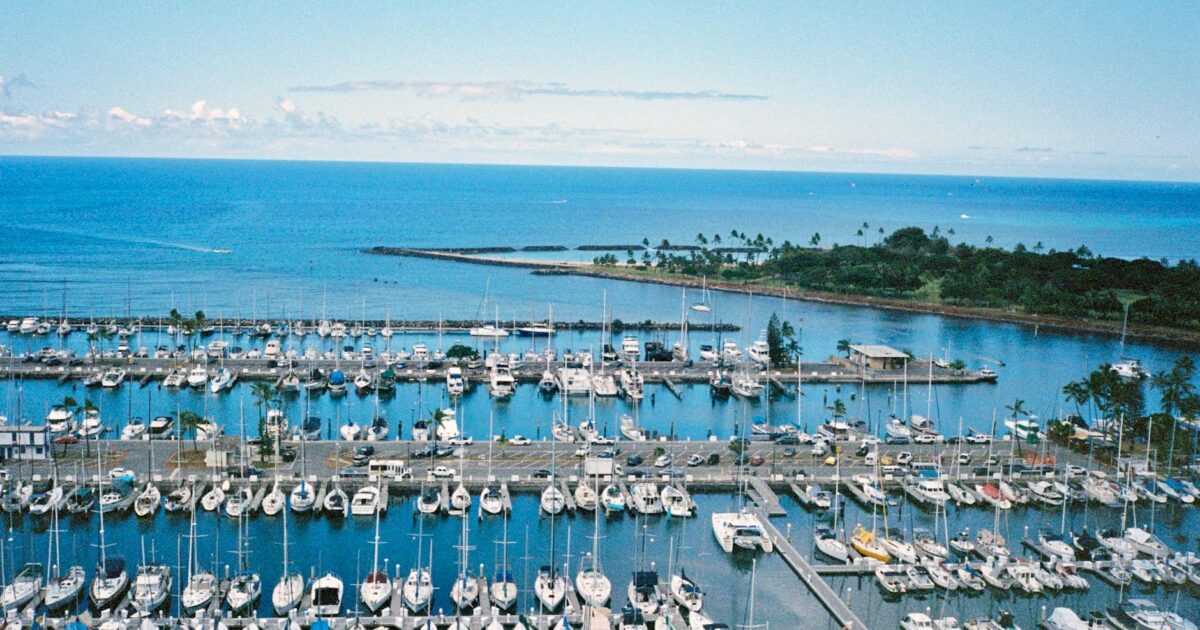
Aloha! Planning a trip to Oahu, sending a package to a friend, or maybe even thinking about moving to the beautiful island of Oahu? One piece of information you’ll definitely need is the correct Honolulu zip code. It’s more than just a series of numbers; it’s your gateway to seamless mail delivery, accurate shipping, and understanding the diverse neighborhoods that make up this vibrant city.
In my years of exploring different locations and helping others with logistical advice, I’ve learned that the seemingly small details, like a zip code, can make a big difference in how smoothly things operate. For Honolulu, understanding its postal system is crucial, especially with its unique geography and numerous districts.
This guide is designed to be your ultimate resource for all things related to Honolulu zip codes. We’ll cover what they are, how to find them, and even touch on which areas are popular for different reasons. So, grab a cup of coffee, and let’s dive into the world of Honolulu postal codes!
Table of Contents
- What Exactly Are Honolulu Zip Codes?
- How to Find Your Specific Honolulu Zip Code
- A Look at Major Honolulu Zip Codes and Their Areas
- How Honolulu Zip Codes Relate to Neighborhoods
- Common Mistakes When Using Honolulu Zip Codes
- Expert Tips for Navigating Honolulu Zip Codes
- Frequently Asked Questions About Honolulu Zip Codes
- Conclusion: Your Honolulu Zip Code Journey
What Exactly Are Honolulu Zip Codes?
Zip codes, which stand for Zone Improvement Plan, are a system developed by the United States Postal Service (USPS) to improve the efficiency of mail sorting and delivery. Each Honolulu zip code is a five-digit number that identifies a specific geographic area within the city and surrounding regions of Oahu. These codes are vital for the USPS to sort mail quickly and accurately, ensuring it reaches its intended destination on time.
Think of them as digital neighborhoods. When you send a letter or a package, the zip code is one of the first things the postal service uses to route your mail. For a major metropolitan area like Honolulu, with its distinct districts and islands, these codes are particularly important for efficient operations. The USPS assigns these codes based on geographical areas, population density, and mail volume.
How to Find Your Specific Honolulu Zip Code
Finding the correct Honolulu zip code is usually straightforward. The most reliable method is to use the official USPS website. You can enter a street address, city, and state, and it will provide you with the correct zip code.
Alternatively, if you’re sending mail, the sender might know the zip code. If you’re receiving mail, the return address on a package might give you a clue. For businesses, their zip code is typically listed on their website or marketing materials. In my experience, the USPS tool is the most foolproof way to get the right number, especially if you’re dealing with a new address or a less common location.
A Look at Major Honolulu Zip Codes and Their Areas
Honolulu is a sprawling city, and its zip codes cover a wide range of areas, from the bustling heart of downtown to the serene beaches of the North Shore (though technically not all within the city of Honolulu proper, they fall under its general postal region). Here are some of the most commonly used Honolulu zip codes and the general areas they serve:
| Zip Code | General Area Served | Notable Features |
|---|---|---|
| 96813 | Downtown Honolulu, Chinatown | Business district, historic sites, vibrant nightlife |
| 96814 | Waikiki | World-famous beach, hotels, resorts, shopping, dining |
| 96815 | Honolulu (Ala Moana, Kapiolani Park area) | Ala Moana Center, Kapiolani Park, Honolulu Zoo |
| 96816 | Kapahulu, Diamond Head | Residential, local eateries, near Diamond Head crater |
| 96817 | Fort Shafter, Kalihi Valley | Military installations, residential areas |
| 96818 | Pearl City, Waipahu | Suburban, residential, shopping centers |
| 96819 | Honolulu (Palama, Liliha) | Residential, commercial areas |
| 96821 | Manoa Valley, University of Hawaii | University campus, lush residential valley |
| 96825 | Hawaii Kai, Koko Head | Eastern Honolulu, coastal areas, residential communities |
| 96826 | Honolulu (University area) | Residential, near UH Manoa |
| 96734 | Ewa Beach | Residential, growing community on the west side |
| 96744 | Kailua | Beautiful beaches, relaxed atmosphere, residential |
| 96745 | Kaneohe | Coastal town, Marine Corps Base Hawaii |
This table gives you a general idea, but remember that zip code boundaries can be complex and sometimes overlap slightly. For precise delivery, a full street address is always best.
How Honolulu Zip Codes Relate to Neighborhoods
While zip codes are primarily for mail delivery, they often become associated with the neighborhoods they encompass. People might refer to living in the ‘96814 zip code’ when they mean Waikiki, or ‘96821’ when talking about Manoa. This association helps in quickly identifying a general location on Oahu.
However, it’s important to note that a single zip code can cover multiple distinct neighborhoods, and sometimes a large neighborhood might span across a couple of zip codes. For instance, the vast area of Honolulu has many sub-neighborhoods, each with its own character, but they might all fall under a broader zip code like 96815 or 96819. My own experience in researching local communities for travel guides has shown me that relying solely on a zip code to define a neighborhood’s exact boundaries can be misleading. It’s a starting point, not the whole story.
Common Mistakes When Using Honolulu Zip Codes
One of the most common mistakes people make is assuming all of Oahu falls under just a few zip codes. While Honolulu itself has several, the entire island of Oahu is covered by numerous zip codes, extending far beyond the city limits to towns like Haleiwa, Wahiawa, and the far east coast. Another mistake is using an old or incorrect zip code. This can happen if you’re using outdated contact information or haven’t verified the address recently.
I’ve seen people misspell neighborhood names or confuse zip codes for different islands. For example, mixing up a Honolulu zip code with one from Maui or Kauai is a classic error. Always verify the full address, including the correct zip code for the specific island and town. It’s a simple step that prevents a lot of potential problems with shipping or mail delivery.
The USPS reports that over 127 million addresses are served by the postal service daily, highlighting the immense scale and complexity of mail delivery across the United States, including areas like Honolulu.
Expert Tips for Navigating Honolulu Zip Codes
When I first started working with clients who had businesses in Honolulu, I quickly realized the importance of precision with addresses. Here are a few tips that have saved me (and my clients) time and frustration:
- Always use the full address: Never rely on just the zip code. The complete street address is essential for accurate delivery.
- Verify business addresses online: For commercial deliveries or correspondence, check the business’s official website or Google Maps for their exact address and zip code.
- Consider the purpose: If you’re sending a package, ensure the zip code is correct for the delivery point. If you’re filling out a form, make sure you’re using the correct zip code for the billing or shipping address as required.
- Be aware of military bases: Areas like Pearl Harbor or Hickam Air Force Base have specific mailing address formats and zip codes that might differ from civilian addresses.
These small steps can make a significant difference in ensuring your mail or packages arrive without a hitch. For example, I once had a client who was getting frustrated with delayed shipments to a Honolulu address. After digging into it, we found they were using a slightly incorrect zip code for a residential area that was very close to a commercial zone, causing the packages to be rerouted.
Frequently Asked Questions About Honolulu Zip Codes
What is the main zip code for Honolulu?
The primary zip code often associated with downtown Honolulu and its business district is 96813. However, Honolulu is a large city and uses many zip codes to cover its diverse neighborhoods and surrounding areas across Oahu.
How do I find the zip code for a specific address in Honolulu?
The easiest and most accurate way to find the zip code for a specific Honolulu address is to use the official USPS “Look Up a ZIP Code” tool on their website. Simply enter the street address, city, and state to get the correct postal code.
Are there zip codes for areas outside the city of Honolulu on Oahu?
Yes, absolutely. The island of Oahu has numerous zip codes serving towns and communities beyond the immediate Honolulu city limits, such as Kailua (96734), Kaneohe (96745), Ewa Beach (96706, 96707), and the North Shore areas.
Can a zip code cover multiple neighborhoods?
Yes, it is common for a single zip code to encompass several distinct neighborhoods or even parts of different towns. Conversely, a very large or densely populated neighborhood might be divided among multiple zip codes.
What happens if I use the wrong Honolulu zip code?
Using an incorrect Honolulu zip code can lead to significant mail delays, misdelivery, or the return of your mail or package to the sender. It’s essential to ensure accuracy for timely delivery.
Conclusion: Your Honolulu Zip Code Journey
Understanding Honolulu zip codes is fundamental for anyone sending or receiving mail, shipping packages, or simply trying to get a better sense of Oahu’s geography. While the numbers might seem arbitrary, they are a critical part of the postal system that ensures efficiency and accuracy.
By using the resources mentioned, like the USPS website, and paying attention to the details, you can easily navigate the postal landscape of Honolulu. Whether you’re sending a postcard from Waikiki (96815) or a business document to Downtown Honolulu (96813), having the correct Honolulu zip code is your first step towards a successful delivery. I hope this guide has demystified the process for you!




Sabrina
Expert contributor to OrevateAI. Specialises in making complex AI concepts clear and accessible.