Canyon Overlook Trail Zion: Your Ultimate 2026 Guide
The Canyon Overlook Trail in Zion National Park offers some of the most spectacular panoramic views for relatively little effort. If you’re looking for a hike that delivers big on scenery without requiring a full day commitment, this is it. But don’t let its short length fool you; this trail presents its own unique challenges, most notably its infamously difficult parking situation. Planning is crucial for a smooth experience on this popular route.
Last updated: April 26, 2026 (Source: nps.gov)
Latest Update (April 2026)
As of April 2026, Zion National Park continues to experience high visitor numbers, making parking at popular trailheads like Canyon Overlook a significant challenge. Recent reports indicate that visitor safety remains a top priority, especially following incidents like the one reported by ABC News on April 23, 2026, where a hiker tragically fell at a Utah national park. While this specific incident was not on the Canyon Overlook Trail, it underscores the importance of adhering to safety guidelines on all park trails. Additionally, the National Park Service continues to manage access and operations across all park areas, including the North Rim, as noted by the NPS on April 23, 2026, though this primarily affects different sections of Zion.
Why Hike the Canyon Overlook Trail?
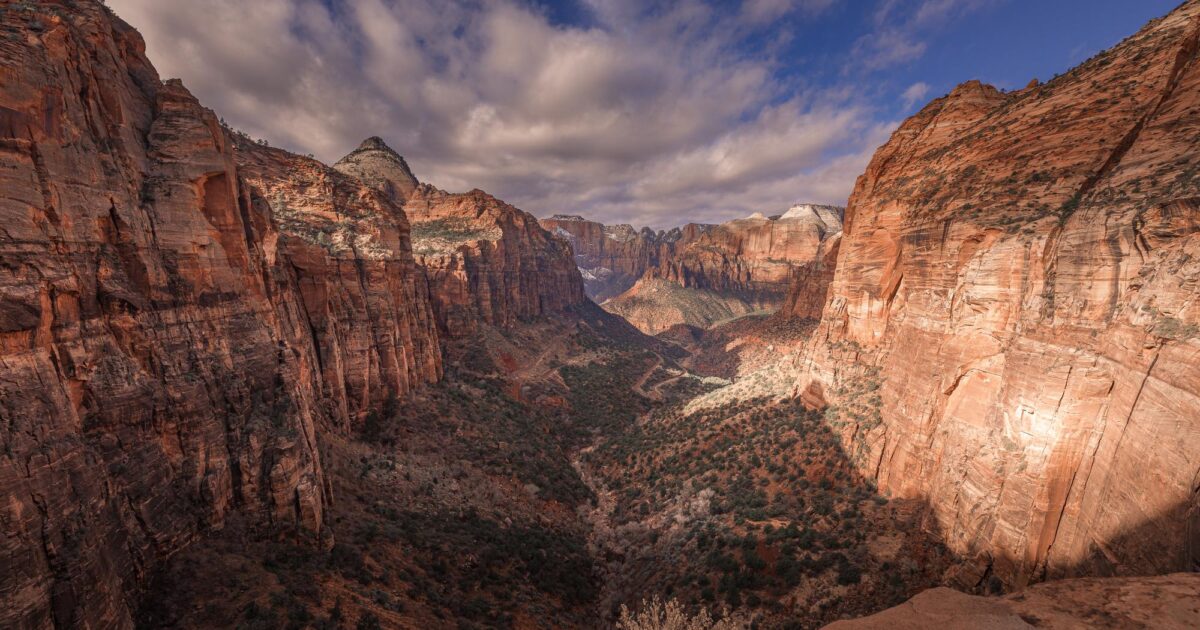
This trail is a must-do for anyone visiting Zion who wants an iconic vista without the strenuous climbs of Angels Landing or Observation Point. The payoff-to-effort ratio is exceptionally high. Within about a mile roundtrip, you’re rewarded with sweeping views down into the main Zion Canyon, looking out over the Pine Creek drainage and towards the iconic West Temple formations. It’s a perfect spot for photography, a peaceful moment of reflection, or simply to marvel at the sheer scale of Zion’s geology.
Important: While the trail itself is short (about 1 mile roundtrip), the elevation gain is around 163 feet, making it accessible for most fitness levels. However, the trail is not paved and involves some uneven terrain, drop-offs, and a few steps carved into the rock, requiring moderate physical ability.
Canyon Overlook Trail Hike Details
The Canyon Overlook Trail is located on the east side of Zion National Park, just past the Zion-Mount Carmel Tunnel on Highway 9. The trailhead itself is small and easily missed if you’re not paying attention. The trail winds through unique sandstone formations, offering glimpses of the vast canyon below even before you reach the main viewpoint.
Key Stats (as of April 2026):
- Distance: 1 mile roundtrip
- Elevation Gain: 163 feet
- Estimated Time: 1-2 hours (including time for photos and enjoying the view)
- Difficulty: Moderate (due to uneven terrain, exposure, and some technical sections)
- Location: East side of Zion National Park, along Highway 9
The Canyon Overlook Trail Zion Parking Puzzle
This is where most visitors encounter their biggest hurdle. The parking area for the Canyon Overlook Trail is extremely limited, with only about 10-12 designated spots. It’s located directly off Highway 9, immediately after exiting the Zion-Mount Carmel Tunnel if you’re coming from the east, or before entering if you’re coming from the west. This scarcity of parking means arriving at the trailhead requires strategic planning.
Based on recent visitor feedback and park service advisories as of April 2026, it is not uncommon for this lot to be full by sunrise, especially during peak seasons (spring, summer, and fall). During these busy periods, cars often park illegally along the highway shoulder for miles, a practice that is not only dangerous due to passing traffic but also actively discouraged and ticketed by park rangers.
Another approach, though considerably more time-consuming, involves parking in the main canyon (if a space is available) and utilizing the park shuttle system to reach the Zion-Mount Carmel Junction. From there, you would need to walk up the highway to the tunnel entrance, adding substantial walking distance and time to your excursion.
Best Time to Visit Canyon Overlook Zion
Timing your visit can dramatically improve your experience. While the trail is open year-round, the conditions and crowds vary significantly. Consider the following as of April 2026:
- Sunrise: Often considered the most magical time, offering incredible light for photography and the best chance for solitude. Be prepared for darkness, requiring a flashlight or headlamp, and comfortable hiking in low-light conditions.
- Early Morning (before 9 AM): Generally offers fewer crowds and more manageable temperatures, particularly outside the peak summer heat. This is an excellent window for a more relaxed hike.
- Midday (10 AM – 3 PM): Typically the busiest and hottest time of day. Visitors are strongly advised to avoid this period, especially during the hot summer months (June through August), to prevent heat exhaustion and minimize exposure to crowds.
- Late Afternoon/Sunset: Can be a good option as day-trippers begin to depart. However, be mindful of sunset times to avoid being caught on the trail after dark. The golden hour light can produce dramatic photographic opportunities. Tunnel traffic may also increase during this time.
Weather Considerations (as of April 2026):
- Spring (March-May) and Fall (September-November): Offer the most pleasant temperatures for hiking, with average highs ranging from the 60s to 70s Fahrenheit. Crowds are significant during these shoulder seasons.
- Summer (June-August): Can be intensely hot, with temperatures frequently exceeding 100°F. Early morning or late evening hikes are essential. Hydration is critical.
- Winter (December-February): May bring snow and ice to the trail, making it slippery and potentially hazardous. Proper traction devices (like microspikes) are highly recommended if hiking in winter conditions. Check current conditions before heading out.
What to Expect on the Trail
The Canyon Overlook Trail provides a fantastic introduction to Zion’s unique sandstone geology. You’ll immediately notice the trail is artfully carved into and around massive sandstone formations. Approximately halfway through the hike, you will encounter a section featuring built-in railings and steps meticulously cut directly into the rock face, offering a thrilling sense of adventure and exposure.
The trail itself is well-defined but not paved. Hikers will navigate sandy washes, uneven rocky steps, and several exposed ledges. Children require close supervision due to the drop-offs, and individuals with a significant fear of heights might find certain narrow or exposed sections challenging, although the provided railings offer a considerable sense of security.
The culmination of the trail is the breathtaking overlook. This expansive, relatively flat area is perched dramatically high above the canyon floor. While protective barriers are in place, visitors must always maintain a safe distance from the edge. The sheer drop is immense, and the panoramic views stretch for miles, encompassing the main canyon and surrounding geological wonders.
Important Safety Note: Do not attempt to climb on the sandstone formations beyond the designated trail, especially near the overlook. This is critical for preserving the delicate desert ecosystem and for your own safety. As reported by sources like ABC News on April 23, 2026, accidents can happen in national parks when visitors venture off-trail or take unnecessary risks. Respecting the marked paths ensures the longevity of the natural environment and prevents potential injuries.
Safety Tips for Your Canyon Overlook Hike
To ensure a safe and enjoyable experience on the Canyon Overlook Trail, consider these essential safety tips as of April 2026:
- Hydration: Carry ample water, especially during warmer months. Dehydration is a serious risk in the desert environment.
- Footwear: Wear sturdy, closed-toe hiking shoes with good traction. The trail surface is uneven and can be slippery when wet.
- Sun Protection: Utilize sunscreen, hats, and sunglasses. Shade is limited on the trail.
- Stay on the Trail: Always stick to the marked path to protect the fragile desert environment and prevent accidents. Venturing off-trail can lead to injury and damage to natural resources.
- Supervise Children: Keep a close eye on children at all times due to the exposed nature of the trail and steep drop-offs.
- Be Aware of Heights: If you have a significant fear of heights, be prepared for some exposed sections. The railings help, but the exposure is real.
- Check Weather Conditions: Zion’s weather can change rapidly. Be prepared for sun, wind, or even sudden rain. Winter hikes may require traction devices for ice and snow.
- Know Your Limits: While the trail is short, the moderate difficulty and exposure mean you should be in reasonable physical condition.
- Flashlight/Headlamp: Essential if hiking near sunrise or sunset to navigate safely in low light conditions.
Are There Alternatives if Parking Fails?
Yes, if the Canyon Overlook Trail parking lot is full, which is a frequent occurrence as of April 2026, visitors have a few alternative strategies. The most practical alternative is to focus on other hikes within Zion National Park that are more accessible via the park’s shuttle system. Many visitors opt for trails within the main canyon, such as the Emerald Pools Trail, the Riverside Walk (leading to The Narrows), or the Pa’rus Trail, all of which are easily reached using the mandatory park shuttle during operating seasons.
For those specifically seeking east side experiences, consider exploring the Pine Creek Slot Canyon (requires canyoneering skills and permits) or driving further along Highway 9 to explore areas outside the main park boundaries, such as the Checkerboard Mesa area, which offers different geological features and shorter, less crowded walks. As MSN reported on April 25, 2026, Montana’s canyons can resemble the Grand Canyon, and while Zion’s east side is unique, exploring varied landscapes can offer comparable natural beauty. However, for the specific iconic view of Zion’s main canyon, the Canyon Overlook Trail remains unparalleled.
Frequently Asked Questions
Is the Canyon Overlook Trail difficult?
The Canyon Overlook Trail is generally considered moderate in difficulty. While it is only 1 mile roundtrip with about 163 feet of elevation gain, the trail is not paved. It features uneven terrain, sandy sections, rocky steps, and some exposed drop-offs with railings, requiring a degree of agility and comfort with heights.
Do I need a permit for the Canyon Overlook Trail?
No, a permit is not required for the Canyon Overlook Trail itself. However, access to the trailhead is severely limited by parking availability. Permits are required for more technical activities like canyoneering in areas such as Pine Creek Slot Canyon.
Can you hike the Canyon Overlook Trail at night?
Hiking the Canyon Overlook Trail at night is possible but not recommended for casual visitors without proper preparation. A flashlight or headlamp is essential for visibility. Sunrise hikes are popular for the light, but hikers must be comfortable navigating in the dark. Always be aware of park regulations regarding after-hours access.
How crowded is the Canyon Overlook Trail?
The Canyon Overlook Trail is extremely popular and can be very crowded, especially during peak season (spring, summer, fall) and midday. The limited parking exacerbates the feeling of crowding. Arriving very early in the morning or later in the afternoon is the best strategy to avoid the largest crowds.
What is the best time of year to hike the Canyon Overlook Trail?
The best times of year for the Canyon Overlook Trail are spring (April-May) and fall (September-October) for pleasant temperatures and beautiful light. Summer hikes require early morning or late evening visits due to extreme heat. Winter can bring ice and snow, requiring caution and appropriate gear.
Final Thoughts on the Canyon Overlook Trail
The Canyon Overlook Trail in Zion National Park undeniably offers one of the most rewarding scenic experiences for its relatively short distance and moderate effort. Its accessibility, stunning panoramic views, and unique geological features make it a highlight for many visitors. However, the persistent challenge of limited parking cannot be overstated. Strategic planning, particularly regarding arrival time, is paramount to a successful visit. By understanding the trail’s characteristics, potential hazards, and best visiting times, hikers can maximize their enjoyment of this spectacular Zion gem. Always prioritize safety, respect the natural environment, and be prepared for the possibility of full parking lots by having alternative plans ready.
Sabrina
2 writes for OrevateAi with a focus on agriculture, ai ethics, ai news, ai tools, apparel & fashion. Articles are reviewed before publication for accuracy.