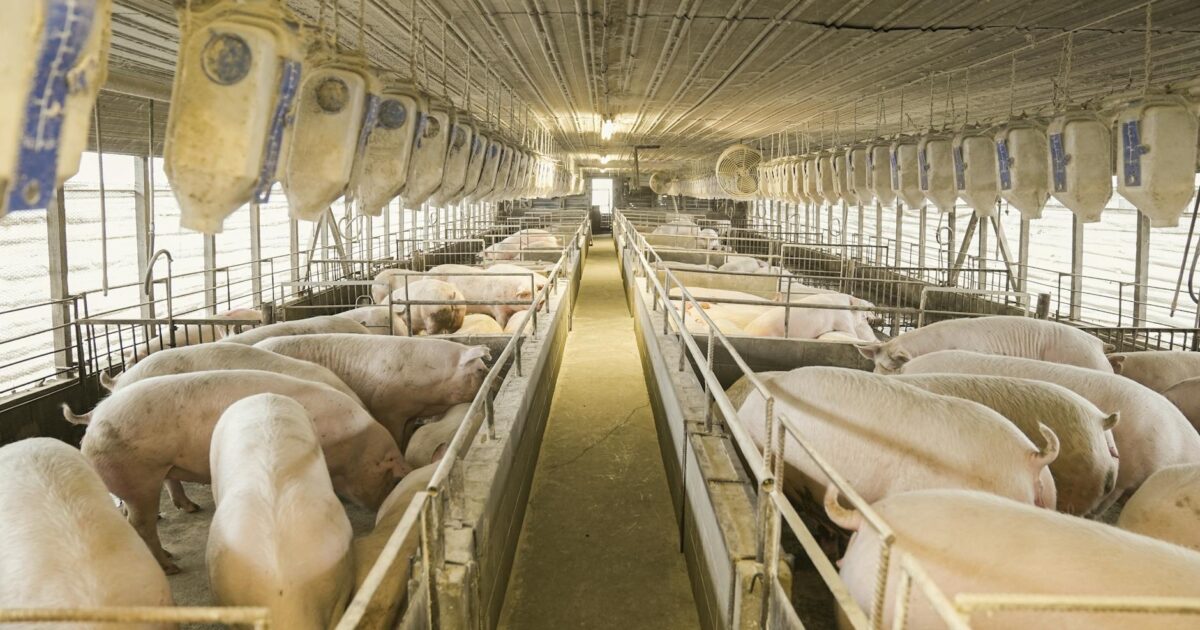
When managing livestock, especially hogs, containment is key. It’s not just about keeping your animals safe; it’s about efficient management, protecting your crops, and ensuring the well-being of your herd. This is where hog panels come into play. They are a cornerstone of practical, reliable animal enclosures. Based on recent reviews, the right panels can transform operations, making daily tasks smoother and reducing stress for both the animals and the farmer.
Last updated: April 26, 2026 (Source: aphis.usda.gov)
Latest Update (April 2026)
As of April 2026, the agricultural technology sector continues to see innovation in livestock management. While the fundamental design of hog panels remains consistent due to their proven effectiveness, manufacturers are increasingly focusing on material enhancements and connection systems. According to recent industry reports, there’s a growing demand for panels with advanced corrosion resistance, utilizing newer galvanization techniques or even powder-coating for extended lifespan in challenging environments. Furthermore, smart integrated sensors for monitoring animal movement or environmental conditions within pens are being explored, though widespread adoption for basic hog panels has not yet occurred.
The USDA’s Animal and Plant Health Inspection Service (APHIS) continues to emphasize biosecurity in livestock operations. Robust fencing, including well-maintained hog panels, plays a vital role in preventing disease transmission and protecting herds from external threats. As of 2026, biosecurity protocols often mandate secure containment to manage animal movement and limit contact with wild animals or commingling with unknown groups, making durable hog panels an indispensable tool for producers.
But what exactly are hog panels, and how do you choose the best ones for your needs? We’ll cover that and much more. Whether you need a temporary setup for pasture rotation or a more permanent solution for a farrowing pen, understanding your options is crucial.
Table of Contents
- What Exactly Are Hog Panels?
- Why Invest in Quality Hog Panels?
- Exploring Different Types of Hog Panels
- Key Features to Consider When Buying Hog Panels
- Setting Up Your Hog Panel Enclosure: Practical Tips
- Hog Panels vs. Other Fencing Options
- Frequently Asked Questions About Hog Panels
What Exactly Are Hog Panels?
At their core, hog panels are strong, typically rectangular, sections of fencing designed for containing livestock, particularly pigs. They are usually made from heavy-gauge steel wire, often welded together at intersections for maximum durability. The panels come in various heights and lengths, offering flexibility for different enclosure sizes and animal weights. You’ll commonly find them with a galvanized coating to resist rust and corrosion, which is a huge plus for longevity in outdoor environments. Think of them as modular building blocks for your animal housing. You can connect them end-to-end using pins or clamps to create custom pens, corrals, or even larger pasture enclosures. Their solid construction means they can withstand the pushing and leaning that livestock, especially determined hogs, are known for.
The typical construction involves vertical and horizontal wires forming a grid. The spacing of these wires is often designed with pigs in mind; for example, closer spacing at the bottom prevents smaller piglets from escaping or getting their heads stuck, while wider spacing higher up maintains structural integrity. As of 2026, manufacturers continue to refine these spacing patterns based on feedback from producers and research into pig behavior.
Why Invest in Quality Hog Panels?
Investing in good hog panels isn’t just about buying fencing; it’s about investing in the safety and efficiency of your operation. Users report that attempting to cut corners on fencing in the past has often led to higher costs in the long run due to escaped animals, frequent repairs, and significant stress.
Here’s why quality hog panels are a smart choice:
- Security: They provide reliable containment, minimizing the risk of escapes. This protects your animals from predators and prevents them from damaging property or crops.
- Durability: Built to withstand harsh weather and the physical demands of livestock, quality panels last for many years, offering a strong return on investment.
- Versatility: Easily configurable to create various pen sizes and shapes, adapting to your changing needs, from temporary holding areas to permanent pastures.
- Ease of Use: Many systems are designed for quick setup and takedown, making them ideal for temporary solutions like rotational grazing or moving animals.
- Animal Welfare: Secure and well-constructed enclosures reduce stress on animals, contributing to better health, reduced injury, and improved growth rates.
Exploring Different Types of Hog Panels
The world of hog panels isn’t one-size-fits-all. Different designs cater to specific needs and environments. Understanding these variations will help you pick the right solution.
Welded Wire Hog Panels
These are perhaps the most common type. Strong steel wires are welded together at each intersection, creating a very rigid and durable grid. They are excellent for containing strong animals like hogs. The spacing of the wires is usually closer at the bottom to prevent smaller pigs from escaping. As of 2026, advancements in welding technology ensure stronger, more consistent joints.
Galvanized Hog Panels
Most quality hog panels are galvanized, meaning they have a protective zinc coating applied. This process significantly enhances their resistance to rust and corrosion, making them ideal for outdoor use where they’ll be exposed to moisture, mud, and manure. Look for hot-dip galvanization for the best protection, as it provides a thicker, more durable coating than electro-galvanization. This treatment is critical for ensuring the panels last through multiple seasons.
Pipe Corral Panels
While ‘hog panels’ often refers to welded wire, the term ‘corral panels’ can encompass other designs. Pipe corral panels, typically made from strong steel tubing, are exceptionally robust and often used for larger or more aggressive livestock. Some pipe panels incorporate wire mesh or bars within the frame. For hog containment specifically, heavy-duty welded wire panels are often preferred due to their cost-effectiveness and design tailored to pig behavior, but pipe panels offer superior strength for extreme conditions or larger herds.
Portable Hog Pens
These are typically lighter-weight, often modular systems designed for easy assembly, disassembly, and transport. They are perfect for temporary setups, moving animals between pastures, or creating smaller holding pens. They might use different connection systems than permanent panels, such as interlocking mechanisms or bolt-on brackets. While convenient, users should verify their durability for containing mature hogs, as some portable options may be less robust than permanent welded wire panels.
Specialty Panels
Some manufacturers offer panels with specialized features, such as integrated gates for easier access, feeding stations, or specific wire spacing configurations for different age groups of pigs. These can add convenience but may come at a higher cost.
Important: Always check the manufacturer’s specifications regarding the intended use and weight capacity of any panel system. Not all ‘livestock panels’ are created equal, and using a panel not designed for hogs could lead to failure and escapes. As of 2026, product descriptions are generally more detailed, but due diligence remains essential.
Key Features to Consider When Buying Hog Panels
Selecting the right hog panels involves looking beyond just the basic description. Several features significantly impact their performance, longevity, and suitability for your specific needs.
Wire Gauge
This refers to the thickness of the steel wire. A lower gauge number indicates a thicker, stronger wire. For adult hogs, a lower gauge (e.g., 4, 6, or 8) is essential for durability. Thinner wires might suffice for piglets but won’t stand up to the constant pressure and rubbing from mature animals. Reports indicate that 4-gauge wire is the standard for most commercial hog operations as of 2026.
Panel Dimensions
Panels come in various heights (typically 3 to 5 feet) and lengths (often 8 to 16 feet). Choose a height that prevents your hogs from jumping over – a common issue with determined animals. A 4-foot height is often a good minimum for adult hogs. Longer panels (16 feet) mean fewer connections, which can be more efficient to set up and create a more stable enclosure, but they are also heavier and harder to maneuver.
Weld Quality
The strength of the welds where wires intersect is critical. High-quality, clean welds prevent the panel from breaking under stress. Independent tests have shown that panels with continuous welds are generally stronger than those with spot welds. Look for welds that are fully fused and free from cracks or gaps. Poor welds are a common failure point, leading to premature replacement.
Coating and Finish
As mentioned, galvanization is key for rust resistance. Hot-dip galvanization offers superior protection compared to electro-galvanization. Some premium panels might feature powder coating over galvanization for even greater durability and a cleaner aesthetic. The finish directly impacts how long the panels will last in wet, muddy conditions typical of hog pens.
Connection System
Panels need to be securely connected. Common methods include simple pin-and-loop systems, bolt-through connectors, or specialized clamp systems. The best system depends on how often you move the panels. For permanent installations, sturdy bolt-on connectors are recommended. For frequent setup and takedown, quick-connect systems are advantageous, but ensure they are robust enough to prevent accidental opening by the animals.
Wire Spacing
The pattern of the wire grid affects containment. Panels designed for hogs typically have closer spacing at the bottom (e.g., 2×4 inches or 4×4 inches) to keep smaller animals in and prevent them from reaching through. The upper sections may have wider spacing (e.g., 4×8 inches). This design balances security with material usage and weight.
Setting Up Your Hog Panel Enclosure: Practical Tips
Installing hog panels correctly ensures maximum effectiveness and longevity. Here are some practical tips:
- Site Selection: Choose a level, well-drained area for your enclosure. Avoid low-lying spots that collect water. Ensure the area is free of sharp objects or hazards that could injure the animals.
- Ground Preparation: While panels can be set up on existing ground, consider sinking the bottom edge of the panels a few inches into the soil, especially if you have determined diggers or very small piglets. This adds stability and prevents animals from burrowing underneath.
- Panel Placement: Stand the panels up and connect them end-to-end. Ensure each panel is plumb (vertically straight) and level. Use a level tool for accuracy.
- Secure Connections: Use the appropriate connectors (pins, bolts, clamps) as recommended by the manufacturer. Ensure all connections are tight and secure. For added stability, especially on uneven ground or in high-wind areas, consider reinforcing corners with extra bracing or stakes.
- Gate Installation: If your design includes a gate, install it according to the manufacturer’s instructions. Ensure it latches securely and operates smoothly. Gates are often a weak point, so invest in a quality gate and hardware.
- Regular Inspection: Periodically inspect the entire enclosure for any signs of damage, wear, or loose connections. Address any issues immediately to prevent escapes or injuries. As of 2026, digital inspection logs are becoming more common for larger operations.
- Consider Animal Behavior: Design the enclosure with the specific behavior of your hogs in mind. Avoid sharp corners where animals could get trapped or injured. Gentle curves are often better than sharp 90-degree angles.
Hog Panels vs. Other Fencing Options
When deciding on containment, it’s helpful to compare hog panels to other fencing methods.
Electric Fencing
Electric fences can be effective for some livestock, but they often require constant monitoring and maintenance. They may not be sufficient for deterring determined hogs, especially in adverse weather conditions when their effectiveness can be reduced. Moreover, they pose a risk to animals if not properly installed and maintained.
Barbed Wire Fencing
Barbed wire is generally not recommended for hogs. Pigs are prone to rubbing against fences, and the barbs can easily cause severe injuries, leading to infections and reduced animal welfare. The USDA emphasizes animal welfare in all livestock management practices.
Wood Post and Rail Fencing
While aesthetically pleasing, wood fencing requires significant maintenance. It can rot, be chewed by animals, and is susceptible to damage from impacts. Hog panels offer greater durability and require less ongoing upkeep.
Woven Wire Fencing (Non-Panel)
Standard woven wire fencing, often used for cattle or smaller animals, may not be strong enough for hogs unless specifically designed with heavy-gauge wire and appropriate spacing. Hog panels are purpose-built for the strength and behavior of pigs, offering a more reliable containment solution.
Hog panels, particularly welded wire designs, strike a balance between strength, cost-effectiveness, ease of use, and durability, making them the preferred choice for most hog operations as of 2026.
Frequently Asked Questions About Hog Panels
What is the best gauge wire for hog panels?
For mature hogs, experts recommend a minimum of 4-gauge wire. This thicker gauge provides the necessary strength and durability to withstand the pressure and activity of adult pigs. Lower gauges, like 6 or 8, might be suitable for younger piglets, but 4-gauge offers the best all-around performance and longevity for mixed or adult herds.
How high should hog panels be?
Hog panels typically range from 3 to 5 feet in height. For adult hogs, a height of at least 4 feet is generally recommended to prevent them from jumping over the enclosure. Always consider the specific breed and temperament of your animals, as some may be more prone to attempting escapes.
Can hog panels be used for other livestock?
Yes, hog panels are versatile and can be used to contain other livestock, such as sheep, goats, or even smaller cattle breeds, depending on the panel’s strength and wire spacing. However, panels specifically designed for larger or more powerful animals like bulls or horses might be necessary for those species.
How do I connect hog panels together?
Hog panels are typically connected using specialized pins, clamps, or bolts. Pin connectors are common for ease of use, sliding through loops on the panel edges. Bolt connectors offer a more permanent and secure attachment. Always use the connection hardware recommended by the panel manufacturer to ensure a strong and safe enclosure.
How long do galvanized hog panels typically last?
The lifespan of galvanized hog panels can vary depending on the quality of the galvanization (hot-dip is best), environmental conditions (humidity, salt exposure), and the level of stress placed on the panels. However, well-maintained, high-quality panels typically last between 10 to 20 years or even longer as of 2026, especially those with a robust hot-dip galvanized coating.
Conclusion
Hog panels are an indispensable tool for effective and humane livestock management. By understanding the different types available, key features to consider, and best practices for setup, producers can create secure, durable, and adaptable enclosures. Investing in quality panels, such as those made with heavy-gauge, hot-dip galvanized wire and strong welds, ensures long-term reliability, reduces the risk of escapes, and contributes to the overall welfare and productivity of your hog operation. Regularly inspecting and maintaining your enclosures will further extend their lifespan and ensure continued security for your valuable livestock.
Sabrina
2 writes for OrevateAi with a focus on agriculture, ai ethics, ai news, ai tools, apparel & fashion. Articles are reviewed before publication for accuracy.