
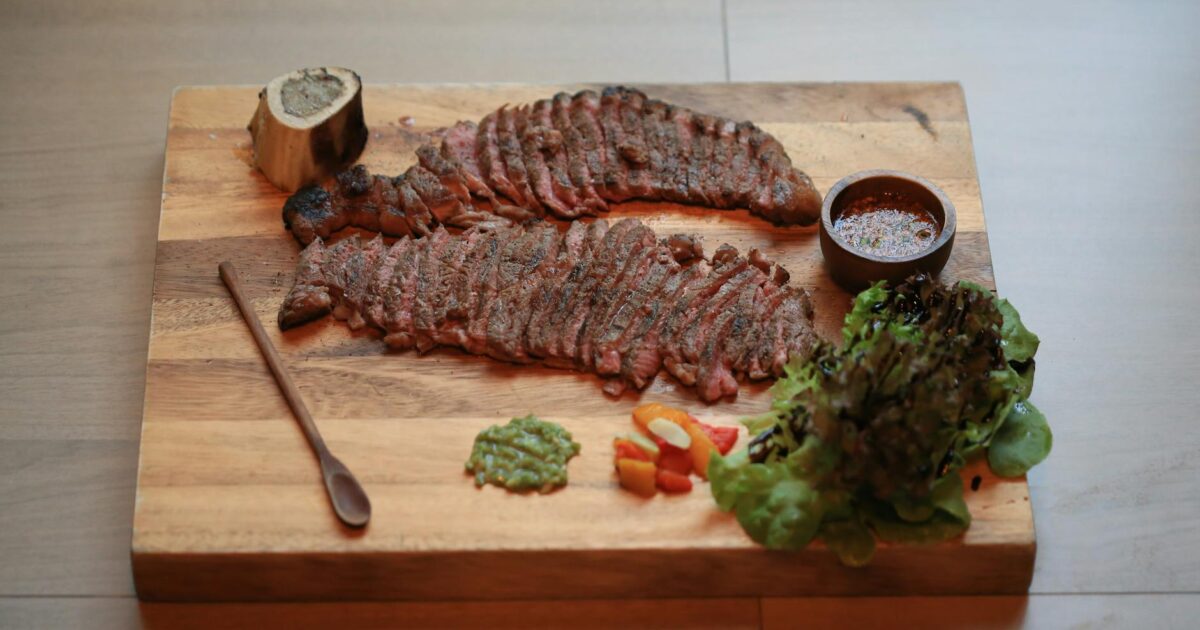
Tampiquena: The Ultimate Mexican Steak Dinner
Last updated: April 26, 2026
Latest Update (April 2026)
As of April 2026, the enduring popularity of Tampiquena continues to be a testament to its balanced flavors and rich cultural significance. Recent culinary trends highlight a growing appreciation for authentic, multi-component dishes that offer a complete dining experience. Restaurants nationwide are reporting sustained interest in classic Mexican entrees like Tampiquena, with many adapting traditional recipes to incorporate locally sourced ingredients. This reflects a broader movement in the culinary world towards dishes that tell a story and honor heritage, a trend that shows no signs of slowing down in 2026. Furthermore, online food platforms and culinary blogs are increasingly featuring Tampiquena, with many users sharing their own successful home-cooking attempts, further cementing its status as a beloved dish.
The Storied Origins of Tampiquena
The origin of Tampiquena is a fascinating tale, deeply rooted in the bustling port city of Tampico, Tamaulipas. It was in the 1930s that José Inés Loredo, a visionary restaurateur, sought to create a dish that encapsulated the diverse offerings of his region. He wanted a single plate that could represent the land, the sea, and the vibrant culture of Tampico itself. Thus, the idea for Tampiquena was born, meticulously designed to be a complete and satisfying meal, a true feast for the senses that would quickly become a beloved classic, earning its namesake from the city that inspired it.
The Anatomy of a Perfect Tampiquena Plate
At its heart, a classic Tampiquena plate is a symphony of flavors and textures, each component playing a vital role. The star of the show is undeniably the thinly pounded, charcoal-grilled skirt steak, known as carne asada a la tampiquena. This tender cut of beef is seasoned to perfection, often with just a hint of salt and pepper, allowing its natural, robust flavor to shine through. The preparation of this steak is essential, ensuring it remains juicy and succulent, providing the savory anchor for the entire dish. Skirt steak, prized for its intense beefy flavor and its ability to absorb marinades, is ideal for this preparation. When cooked properly over high heat, it develops a desirable char while maintaining a tender, yielding texture. According to culinary experts, achieving the perfect Tampiquena steak involves careful temperature control and precise grilling times, typically no more than a few minutes per side to avoid overcooking.
Essential Accompaniments: Building the Flavor Profile
Complementing the steak are several essential accompaniments that elevate the Tampiquena from a simple meat dish to an elaborate culinary masterpiece. A generous serving of savory enchiladas, often filled with melted cheese and bathed in a mild, flavorful red chili sauce, adds a delightful spicy kick and creamy texture. These enchiladas are not just a side but an integral part of the experience, providing a comforting contrast to the grilled steak. The specific type of chili used in the sauce can vary, but a common choice is guajillo, which imparts a deep red color and a fruity, mild heat. Alongside these, a side of fluffy white rice and a serving of traditional refried beans offer grounding elements, balancing the richness of the other components. The rice, often seasoned simply, acts as a neutral base, while the refried beans, cooked until creamy and often seasoned with lard or oil and spices, add a hearty, earthy flavor. Reports from food critics in 2026 indicate that the quality of these foundational sides significantly impacts the overall perception of the dish.
The Finishing Touches: Freshness and Smoke
No Tampiquena would be complete without the vibrant freshness of guacamole, typically prepared simply with ripe avocados, finely diced onion, fresh cilantro, and a squeeze of lime. This creamy, cool addition provides a refreshing counterpoint to the warmth of the meat and enchiladas. The key to excellent guacamole, as noted in recent food trend analyses as of April 2026, lies in the quality of the avocados and the balance of its simple ingredients. Additionally, a few strips of roasted poblano chili peppers, sometimes incorporated into a cheese rajas preparation, lend a smoky aroma and a subtle heat that further enhances the complexity of the dish, making each bite an exploration of different sensations. The poblano peppers are typically roasted over an open flame or under a broiler until the skin blisters, then peeled and seeded before being sliced. This roasting process imbues them with a distinctive smoky depth that is irreplaceable.
Presentation and the Interactive Dining Experience
Beyond its core components, the presentation of Tampiquena itself is an art form. The dish is typically arranged beautifully on a large platter, with each element distinctly placed, creating an appealing visual spectacle that hints at the culinary journey awaiting the diner. It’s often served with warm corn or flour tortillas, allowing for the creation of delightful tacos or simply to scoop up the delicious sauces and accompaniments. This interactivity makes enjoying Tampiquena a truly engaging and satisfying experience, encouraging diners to savor every aspect of the meal. This communal aspect of sharing and building one’s own perfect bite is a significant part of its appeal, especially in family settings. The visual appeal, combined with the opportunity for diners to customize their experience, makes Tampiquena a standout on any menu.
Tampiquena’s Enduring Appeal in Modern Mexican Dining
The enduring popularity of Tampiquena speaks volumes about its timeless appeal. It’s not just a dish you eat; it’s a meal you experience, often enjoyed during special occasions or family gatherings. Its robust flavors and generous portions make it a perfect centerpiece for celebration, embodying the warmth and hospitality that Mexican culture is renowned for. As noted in recent culinary discussions, dishes like Tampiquena represent a foundational element of Mexican-American cuisine, influencing regional variations like Tex-Mex. For instance, a recent article in Texas Monthly highlighted how combo plates, akin to the complete nature of Tampiquena, have significantly shaped Tex-Mex as we know it [1]. This demonstrates how a well-constructed, multi-component dish can have a lasting impact on culinary traditions. This enduring legacy is further supported by ongoing research into Mexican culinary history, with scholars continuing to document the influence of dishes like Tampiquena on regional American cuisines. The National Museum of Mexican Art, for example, frequently features exhibits discussing the evolution of Mexican foodways in the United States, often citing Tampiquena as a prime example of cultural fusion and culinary adaptation.
Restaurants continue to innovate while honoring tradition. Chefs are increasingly drawing inspiration from classic dishes that form the backbone of Mexican and Latin American gastronomy. New establishments, such as Casa Don Julio in Marion, continue to bring authentic Mexican flavors to new communities, ensuring dishes like Tampiquena remain accessible and celebrated [3]. Whether you’re dining in a traditional Mexican restaurant or attempting to recreate it at home, the essence of Tampiquena remains the same: a celebration of flavor, tradition, and culinary artistry. According to industry reports from early 2026, the demand for authentic Mexican dining experiences, including dishes with a strong historical narrative, has seen a significant uptick, with Tampiquena frequently appearing on popular restaurant menus across the country.
Crafting Tampiquena at Home: Tips for Success
Recreating the magic of Tampiquena in your own kitchen is an achievable and rewarding endeavor. The key lies in focusing on the quality of each component. For the skirt steak, select a well-marbled cut and consider a marinade of lime juice, garlic, and a touch of cumin for at least 30 minutes, but no more than two hours, to tenderize without making it mushy. Grilling over high heat is crucial for achieving that signature char; aim for medium-rare to medium for optimal juiciness. When preparing the enchiladas, using good quality corn tortillas that are lightly fried before dipping in the sauce prevents them from becoming too soggy. A simple red chili sauce made from rehydrated guajillo or ancho chilies provides authentic flavor. For the guacamole, always use ripe avocados and season judiciously. Don’t be afraid to experiment with the spice level of your enchilada sauce to suit your preference. Many home cooks find that preparing the components in stages – making the enchilada sauce and refried beans a day in advance, for instance – makes assembly on the day of serving much smoother. Online resources and cooking forums in 2026 offer a wealth of detailed recipes and video tutorials from experienced home chefs, making it easier than ever to master this complex dish.
Variations on the Classic Tampiquena
While the classic Tampiquena offers a perfectly balanced plate, regional and personal variations abound, showcasing the dish’s adaptability. Some restaurants might substitute the skirt steak with a more tender cut like flank steak or even a thinly sliced sirloin, though skirt steak remains the traditional choice for its unique flavor and texture. The enchilada filling can also vary; while cheese is common, some recipes include shredded chicken or beef. The sauce can range from a mild tomato-based salsa to a spicier chili concoction. For those seeking a lighter option, some modern interpretations forgo the refried beans or serve them on the side. Another creative twist involves incorporating grilled vegetables, such as zucchini or bell peppers, alongside the poblano strips. These variations ensure that Tampiquena can cater to a wider range of dietary preferences and taste profiles, keeping the dish fresh and exciting for diners in 2026 and beyond.
Frequently Asked Questions about Tampiquena
What is the origin of the name “Tampiquena”?
The dish is named after the port city of Tampico in Tamaulipas, Mexico, where it was created by restaurateur José Inés Loredo in the 1930s.
Is Tampiquena spicy?
Tampiquena can have a mild to moderate level of spice, primarily from the enchiladas and roasted poblano peppers. However, the heat can vary depending on the specific recipe and the chili sauces used. It’s generally balanced with other milder components.
What cut of steak is typically used for Tampiquena?
The traditional and most common cut of steak used for Tampiquena is skirt steak, known locally as carne asada. Its thinness and marbling make it ideal for quick grilling and absorbing flavors.
Can I make Tampiquena ahead of time?
While the entire dish is best served fresh, components like the enchilada sauce, refried beans, and guacamole can be prepared a day in advance. The steak should be grilled just before serving to ensure optimal texture and temperature. Reheating components gently is key to maintaining quality.
What are the essential components of a Tampiquena plate?
The essential components are typically charcoal-grilled skirt steak (carne asada), cheese enchiladas with red chili sauce, guacamole, refried beans, and rice. Roasted poblano peppers are also a common and highly recommended addition.
Conclusion
Tampiquena is more than just a meal; it’s a culinary heritage on a plate, a testament to the ingenuity of José Inés Loredo and the rich gastronomic traditions of Tampico. Its enduring appeal in 2026 lies in its perfect balance of flavors, textures, and its ability to offer a complete, satisfying, and interactive dining experience. Whether enjoyed in a bustling restaurant or recreated at home, Tampiquena continues to be a celebrated representation of Mexican cuisine’s depth and diversity, promising a truly unforgettable gastronomic journey for all who partake.
Sabrina
2 writes for OrevateAi with a focus on agriculture, ai ethics, ai news, ai tools, apparel & fashion. Articles are reviewed before publication for accuracy.


