
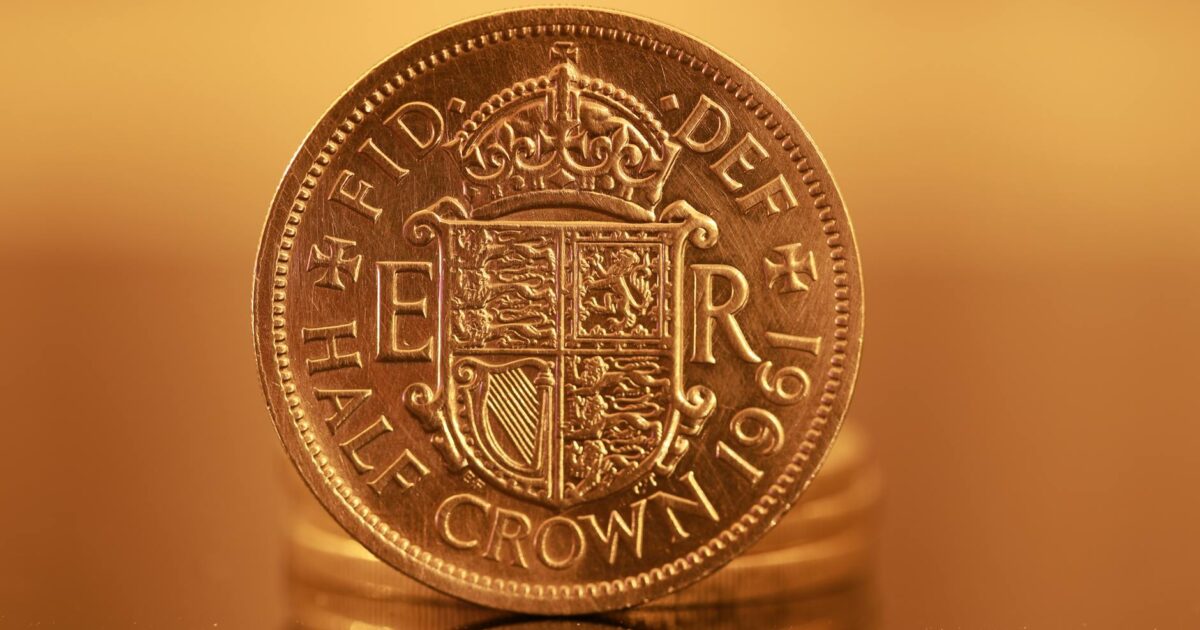
This guide covers everything about the value of a 1964 quarter and your coin’s worth revealed in 2026. When exploring the world of coin collecting and investment, many individuals are curious about the specific worth of a quarter minted in 1964. This coin holds a significant place in U.S. monetary history, marking the end of an era for silver in circulating coinage. Understanding its value involves more than just its face value; it requires an appreciation for its silver content, historical context, and collector appeal.
Last updated: April 26, 2026
Latest Update (April 2026)
As of April 2026, the market for collectible coins, particularly those with intrinsic silver value, continues to see robust interest. Recent reports indicate that coin collecting is trending, with many individuals assessing their stashes of silver coins in light of potentially high market prices. MSN reported in April 2026 that old ‘junk silver’ coins could be worth almost 20 times their face value, highlighting the importance of checking change jars and coin collections. The 1964 quarter, being the last circulating 90% silver quarter, remains a focal point for both investors and collectors. While the intrinsic melt value fluctuates daily with silver prices, its historical significance ensures ongoing numismatic interest. For instance, the U.S. Gold Bureau recently highlighted the historical significance of silver Kennedy Half-Dollars from 1964, a parallel that underscores the enduring appeal of silver coinage from that era, according to their October 2025 reporting.
Furthermore, MSN’s April 2026 article “Think it’s junk? These old coins could be secretly worth big money” emphasizes that even seemingly common older coins can hold substantial value, urging the public to examine their holdings. This sentiment directly applies to the 1964 quarter, as its silver content alone ensures a baseline value far exceeding its 25-cent face value, and its historical status adds a layer of collector desirability.
The Significance of the 1964 Date
The year 1964 is a pivotal date for numismatists. It was the final year the United States Mint produced circulating quarters, dimes, and half dollars with a 90% silver composition. Prior to this, these denominations were primarily struck from silver. However, escalating silver prices and increased demand led to widespread hoarding of silver coins, prompting a significant change in U.S. coinage policy. Beginning in 1965, quarters and dimes transitioned to a copper-nickel clad composition, effectively removing silver from general circulation. This transition makes the intrinsic value of any 1964 quarter immediately distinct and noteworthy due to its precious metal content.
Understanding Melt Value in 2026
The intrinsic value of a 1964 quarter is largely determined by its “melt value.” This term refers to the value of the precious metal contained within the coin. Each 1964 Washington quarter contains approximately 0.1808 troy ounces of pure silver. To calculate its melt value, you must multiply this amount by the current spot price of silver. For example, as of April 26, 2026, if silver is trading at approximately $25 per troy ounce, the silver content alone in a 1964 quarter is worth around $4.52. This figure changes daily, sometimes even hourly, with global market fluctuations but provides a foundational baseline significantly higher than its 25-cent face value. This inherent metal worth is a primary driver of the value of a 1964 quarter in today’s market.
The spot price of silver is influenced by numerous factors, including global economic stability, industrial demand for silver, geopolitical events, and investor sentiment. For the most accurate melt value calculation, it is essential to consult real-time silver price charts available from reputable financial news outlets or precious metal dealers.
Numismatic Value and Coin Condition in 2026
Beyond its melt value, the numismatic appeal significantly influences the worth of a 1964 quarter. Numismatic value refers to its desirability among coin collectors, which is distinct from its melt value. The coin’s condition is paramount in determining this aspect of its worth. Heavily circulated coins, exhibiting clear signs of wear such as smoothed-out details and numerous scratches, will typically trade very close to their melt value. Conversely, coins preserved in exceptional condition, particularly those classified as uncirculated (Mint State), command a substantial premium above their silver content.
Collectors and dealers use a standardized grading scale, ranging from Good (G) through Very Fine (VF), Extremely Fine (EF), About Uncirculated (AU), and ultimately to Mint State (MS), with numerical grades from MS-60 to MS-70, to assess a coin’s condition. According to sdbullion.com’s June 2026 report on valuable quarters, uncirculated examples, especially those graded MS-65 and higher, are consistently more sought after by collectors building high-quality sets. Even minor differences in preservation can lead to significant price discrepancies.
Mint Marks and Rarity in 2026
The mint mark, a small letter or symbol indicating where the coin was manufactured, also plays a role in the numismatic value of a 1964 quarter. These coins were produced at two main U.S. Mint facilities: Philadelphia, which typically did not use a mint mark on its coins during this period, and Denver, which used the mint mark “D.” While neither the presence nor absence of a mint mark on the 1964 quarter makes it exceptionally rare in common circulated grades, extremely well-preserved or high-grade examples from either mint can be more sought after by collectors assembling sets of top-condition coins.
As of early 2026, the market for collectible coins continues to be influenced by broader economic conditions, collector demand, and the availability of high-grade material. While the 1964-D quarters might occasionally fetch slightly higher prices in uncirculated grades compared to their Philadelphia counterparts due to perceived lower survival rates of top-tier specimens, the difference is generally not dramatic for this particular date.
How to Determine Your 1964 Quarter’s Worth in 2026
To determine the precise value of your 1964 quarter, begin with a careful, hands-on inspection. First, confirm the date is indeed 1964 and identify the mint mark (or lack thereof). Next, assess its condition. Note the crispness of the design details, the presence and quality of original mint luster, and any visible wear, scratches, rim dings, or other forms of damage. Compare your coin to photographic grading guides available online or in print.
Consulting a reputable coin price guide, such as the “Red Book” (A Guide Book of United States Coins), offers general value ranges for different grades and mint marks. For coins that appear to be in exceptional condition, possess rare errors, or if you suspect they might be particularly valuable, professional appraisal or submission to a third-party grading service, such as Professional Coin Grading Service (PCGS) or Numismatic Guaranty Company (NGC), can provide definitive valuations and authenticate the coin’s grade and status.
Factors Influencing 1964 Quarter Value
Several key factors converge to determine the overall value of a 1964 quarter in 2026:
- Silver Price: As discussed, the melt value is directly tied to the spot price of silver. This is often the single largest component of value for circulated examples.
- Condition (Grade): For uncirculated and near-uncirculated coins, the grade is critical. Higher grades (MS-65 and above) command significant premiums.
- Rarity of Mint Errors/Varieties: While uncommon, coins with significant minting errors (e.g., double dies, off-center strikes, planchet errors) can be exceptionally valuable to specialized collectors, often surpassing melt value by a wide margin.
- Eye Appeal: Beyond technical grade, the overall visual appeal of a coin—its toning, luster, strike quality, and absence of distracting marks—can influence its desirability and price.
- Market Demand: Like any commodity, coin values are subject to supply and demand. Current collector trends and investor interest impact prices.
Where to Sell Your 1964 Quarters
If you decide to sell your 1964 quarters, you have several options, each with its pros and cons:
- Coin Dealers: Local coin shops or reputable online dealers offer convenience and immediate payment. However, they typically pay a percentage of the retail value to maintain their profit margin.
- Coin Shows: Attending coin shows allows you to present your coins to multiple dealers, potentially leading to competitive offers. You can also find specialized dealers who may offer higher prices for specific types of coins.
- Online Marketplaces: Platforms like eBay allow you to reach a broad audience of collectors. However, selling online involves fees, shipping costs, and the risk of dealing with less serious buyers. It also requires more effort in listing and marketing your items.
- Precious Metal Dealers: If your primary concern is the silver content, dealers specializing in bullion can offer prices based on the current silver spot price, often minus a small premium or assay fee.
- Auction Houses: For rare or exceptionally high-grade coins, consignment with a reputable auction house (like Heritage Auctions or Stack’s Bowers Galleries) can achieve the highest prices, though this process takes longer and involves seller’s commissions.
Frequently Asked Questions
Q1: What is the current melt value of a 1964 quarter as of April 26, 2026?
As of April 26, 2026, the exact melt value fluctuates daily with the price of silver. With silver trading around $25 per troy ounce, a 1964 quarter contains approximately 0.1808 troy ounces of silver, making its melt value roughly $4.52. For the most up-to-date melt value, it is essential to check current silver commodity prices from reliable financial news sources or bullion dealer websites.
Q2: Are there any specific 1964 quarters that are more valuable than others?
Yes. While the vast majority of 1964 quarters are valued primarily for their silver content, uncirculated or near-uncirculated examples (Mint State grades) will consistently fetch higher prices due to their superior condition and collector appeal. Additionally, coins exhibiting rare mint errors or unique varieties, though uncommon for this date, can dramatically increase a 1964 quarter’s value to specialized collectors. The Desert Sun reported in August 2025 that coins, in general, are trending upwards, suggesting that well-preserved or unique specimens are drawing increased attention from the collecting community.
Q3: Should I hold onto my 1964 quarters for investment purposes?
Holding onto 1964 quarters can serve as a dual strategy for both silver investment and potential numismatic appreciation. Their value is inherently tied to the fluctuating price of silver, making them a potential hedge against inflation. Furthermore, as noted by CoinWeek in August 2025 concerning the 1964-D Kennedy Half Dollar, historical silver coins can gain numismatic value over time, especially if they are in excellent condition or possess rare attributes. Investors and collectors should monitor both silver prices and the numismatic market trends to make informed decisions.
Q4: How can I tell if my 1964 quarter is uncirculated?
An uncirculated 1964 quarter will retain its original mint luster, which appears as a bright, reflective surface, often with cartwheel-like patterns when tilted under a light source. Crucially, it will show no signs of wear on the high points of the design, such as Washington’s hair, his cheek, or the eagle’s feathers on the reverse. Even faint smoothing or “bag marks” (minor abrasions from being stored with other coins) can indicate circulation or lower grades. For definitive grading, professional assessment by PCGS or NGC is recommended.
Q5: What is the difference between melt value and numismatic value for a 1964 quarter?
Melt value is the intrinsic worth of the silver contained within the coin, calculated by multiplying the silver content by the current market price of silver. Numismatic value, on the other hand, is the value a coin holds for collectors, influenced by its date, mint mark, condition (grade), rarity, eye appeal, and historical significance. For most circulated 1964 quarters, the melt value forms the bulk of their worth. However, for rare mint errors or exceptionally high-grade uncirculated specimens, the numismatic value can significantly exceed the melt value.
Conclusion
The value of a 1964 quarter in 2026 is a multifaceted equation, primarily driven by its substantial silver content and secondarily by its historical significance and condition. While the melt value provides a solid baseline, determined by the daily price of silver, the numismatic value can elevate certain specimens considerably, especially those in pristine, uncirculated condition or those exhibiting rare minting anomalies. As highlighted by recent reports from MSN in April 2026, older silver coins are experiencing renewed interest, underscoring the importance of understanding what you possess. Whether you are a seasoned collector, a new investor, or simply curious about the contents of your pocket change, the 1964 quarter stands as a tangible piece of American history with enduring intrinsic and collectible worth.
Sabrina
2 writes for OrevateAi with a focus on agriculture, ai ethics, ai news, ai tools, apparel & fashion. Articles are reviewed before publication for accuracy.


