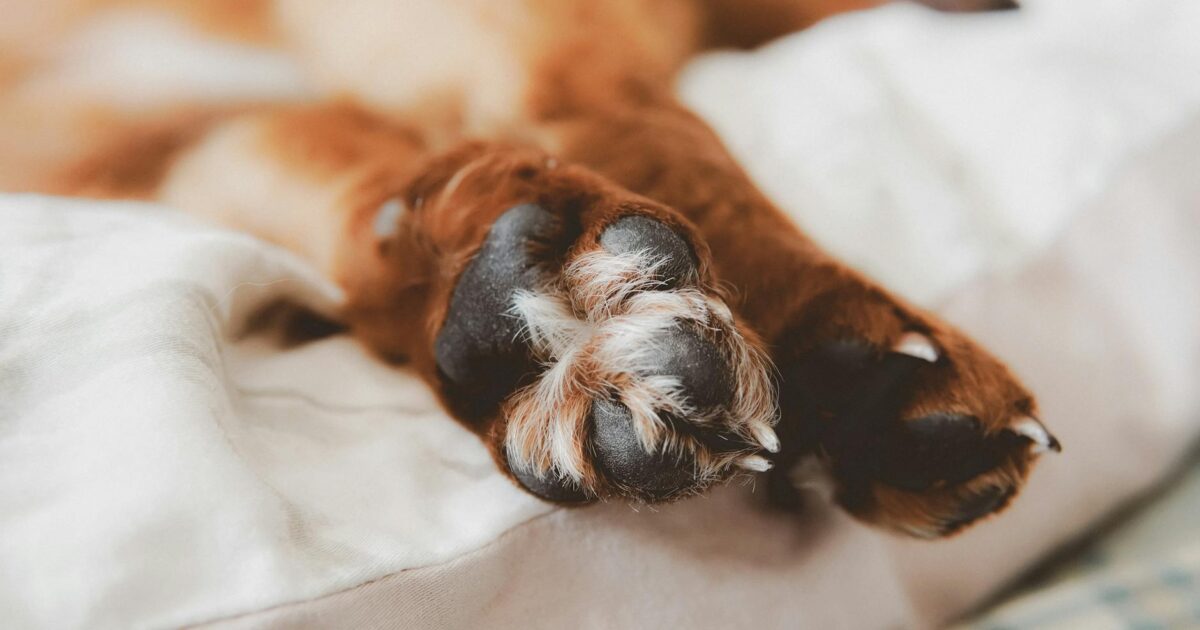
Many dog owners eventually encounter the tell-tale signs of a dog paw yeast infection, a common and often irritating condition that can leave our beloved companions feeling uncomfortable. It’s a frustrating issue, often characterized by persistent licking and chewing, leading to a distinctive odor and changes in your dog’s paw appearance. Understanding this prevalent problem is the first step toward effective management and ensuring your dog’s overall well-being. This particular type of infection, usually caused by the Malassezia pachydermatis yeast, thrives in warm, moist environments, making a dog’s paws an ideal breeding ground.
Latest Update (April 2026)
Recent veterinary discussions highlight growing concerns about miconazole resistance in yeast infections, a challenge that also impacts the treatment of dog paw yeast infections. As DVM360 reported on April 21, 2026, this resistance means that some previously effective treatments may become less potent over time, necessitating a more strategic approach to antifungal therapy. Additionally, the American Kennel Club (AKC) recently clarified the uses and alternatives to Neosporin for dogs on April 20, 2026, emphasizing that while it can be used for minor cuts, it is not a primary treatment for fungal or yeast infections, underscoring the need for accurate diagnosis. Furthermore, as USA Today reported on April 21, 2026, pet allergy management remains a significant focus, with veterinary recommendations for medications and wipes available to help control underlying conditions that can predispose dogs to yeast overgrowth.
Understanding Dog Paw Yeast Infections
One of the most immediate indicators of a dog paw yeast infection is the characteristic smell, often likened to corn chips or stale bread, affectionately known as “Frito feet.” Beyond the odor, you might notice your dog constantly licking, chewing, or biting their paws, sometimes to the point of irritation or self-inflicted wounds. The skin between their toes and on the paw pads can appear red, inflamed, or greasy. Over time, the affected areas may thicken, darken, and develop a greasy, reddish-brown discoloration, particularly noticeable on lighter-colored fur, which becomes stained by the yeast. It’s not uncommon to see swelling and discharge in more severe cases, making walking painful for your furry friend.
Causes of Dog Paw Yeast Infections
Several factors can contribute to the development of a dog paw yeast infection. Allergies are a primary culprit; environmental allergens like pollen, dust mites, or certain food ingredients can cause systemic inflammation that weakens the skin barrier and creates an opportunistic environment for yeast overgrowth. As highlighted in a recent article from Virginia Tech News, understanding and preventing summer skin woes like hot spots is important, and this often involves managing environmental factors that can exacerbate skin conditions, including yeast infections (Virginia Tech News, July 24, 2025). Conditions that trap moisture, such as excessive sweating, infrequent grooming, or prolonged exposure to wet conditions (think rainy walks or swimming), can encourage yeast to flourish. Dogs with underlying health issues like hypothyroidism or a compromised immune system are also more susceptible. Even broad-spectrum antibiotic use can inadvertently lead to a dog paw yeast infection by disrupting the natural balance of beneficial bacteria, allowing yeast to multiply unchecked. Certain breeds, including Basset Hounds, West Highland White Terriers, and Cocker Spaniels, seem to be predisposed due to their skin folds or ear conformation, which can indirectly impact paw health.
Environmental factors play a significant role. For instance, if your dog frequently swims or plays in damp environments, the persistent moisture can create the perfect breeding ground for Malassezia. According to independent dermatological studies as of April 2026, prolonged exposure to humidity above 60% can significantly increase the risk of yeast proliferation on the skin’s surface. Similarly, dogs that suffer from excessive drooling, perhaps due to dental issues or breed predisposition, can develop moist environments around their mouths and paws that are ripe for infection.
Dietary factors can also contribute. While less common than environmental allergies, some dogs may have sensitivities to certain food ingredients that trigger inflammatory responses throughout their bodies, including their skin. This systemic inflammation can compromise the skin’s natural defenses, making it easier for yeast to take hold. Experts recommend a thorough review of your dog’s diet with a veterinarian if yeast infections are recurrent. This may involve elimination diets or switching to a specialized hypoallergenic food formulation.
Recognizing the Symptoms
Early recognition of symptoms is vital for prompt and effective treatment. Beyond the tell-tale “Frito feet” odor, owners should be vigilant for behavioral changes. Excessive licking, particularly of the paws, is a hallmark sign. This constant attention can lead to redness, irritation, and even raw, open sores. Owners might also observe changes in the paw’s appearance: a greasy feel to the fur or skin, thickening of the paw pads, or a noticeable reddish-brown staining, especially on light-colored fur. Swelling of the affected paw or toes can indicate a more advanced infection, potentially causing discomfort or lameness during walking or running. In some cases, a discharge may be present, which could be clear, yellowish, or even have a foul odor if a secondary bacterial infection has occurred.
Veterinary Diagnosis
Diagnosing a dog paw yeast infection typically involves a visit to your veterinarian. They will often perform a simple cytology test, which involves taking a sample from the affected paw and examining it under a microscope to confirm the presence of yeast organisms. This allows for an accurate diagnosis, differentiating it from bacterial infections or other skin conditions that might present similarly. As noted by Care.com, identifying yeast infections correctly is the first step toward effective treatment (Care.com, December 4, 2025). Once a dog paw yeast infection is confirmed, your vet can then recommend the most appropriate course of treatment tailored to your dog’s specific needs and the severity of the infection.
Your veterinarian will conduct a thorough physical examination, paying close attention to the affected paws. They will likely ask about your dog’s history, including diet, environmental exposures, and any previous skin issues or medical conditions. Advanced diagnostic tools, such as skin scrapings to rule out mites or fungal cultures to identify specific yeast strains, may also be employed. Blood tests might be ordered to screen for underlying systemic conditions like hypothyroidism or Cushing’s disease, which can predispose dogs to yeast infections. This comprehensive approach ensures that the diagnosis is accurate and that the treatment plan addresses all contributing factors.
Treatment Options for Dog Paw Yeast Infections
Treating a dog paw yeast infection usually involves a multi-pronged approach. Topical treatments are frequently prescribed, including medicated shampoos, wipes, or sprays containing antifungal ingredients like miconazole or chlorhexidine. Regular application of these products helps to reduce the yeast population directly on the skin. In more stubborn or widespread cases, oral antifungal medications may be necessary to tackle the infection from the inside out. Addressing any underlying causes, such as managing allergies through diet changes, antihistamines, or immunotherapy, is essential to prevent recurrence. Omega-3 fatty acid supplements can also support skin health and reduce inflammation, making the paws less hospitable for yeast.
Topical therapies are the cornerstone of treatment for many mild to moderate cases. Medicated shampoos, often containing ingredients like ketoconazole, miconazole, or chlorhexidine, should be used as directed by your veterinarian. Reports indicate that leaving the lather on for 10-15 minutes before rinsing can maximize efficacy. Antifungal wipes or sprays are convenient for daily use between baths to maintain control. For severe infections, your vet might prescribe oral antifungal medications such as fluconazole or itraconazole. These are typically administered for several weeks, and veterinarians stress the importance of completing the full course of medication to prevent relapse, even if symptoms improve sooner. As DVM360 noted on April 21, 2026, vigilance against antifungal resistance is key, prompting veterinarians to sometimes rotate medications or use combination therapies.
Addressing underlying conditions is paramount for long-term success. If allergies are identified, as USA Today reported on April 21, 2026, management strategies can include environmental control, dietary changes, and medications like antihistamines or Apoquel. Immunotherapy, or allergy shots, may be a long-term solution for dogs with significant environmental allergies. For dogs with endocrine disorders, consistent medication and monitoring are crucial. Supportive care, such as omega-3 fatty acid supplements, can bolster the skin’s natural defenses and reduce inflammation, making the paws less hospitable to yeast.
Prevention Strategies
Preventing future occurrences of a dog paw yeast infection is just as important as treating the current one. Maintaining meticulous paw hygiene is key. This includes regularly cleaning your dog’s paws, especially after walks in wet or muddy conditions, and ensuring they are thoroughly dried, paying particular attention to the spaces between their toes. For dogs prone to allergies, working with your vet to manage their sensitivities is paramount. This might involve hypoallergenic diets, regular bathing with appropriate shampoos, or environmental modifications. Keeping nails trimmed can also help reduce moisture retention around the paw pads. As we look towards 2026, advancements in pet care, including specialized paw balms, offer additional support for maintaining paw health and resilience against environmental irritants (Treeline Review, December 12, 2025). Vigilance is essential; by observing your dog’s paws regularly for any signs of redness, odor, or excessive licking, you can catch a developing dog paw yeast infection early, allowing for prompt intervention and preventing it from becoming a more severe problem. Consistent care and attention will help keep your dog’s paws healthy, comfortable, and free from the discomfort of yeast overgrowth, ensuring they can continue to run and play happily.
Regular grooming is a significant preventive measure. Brushing your dog several times a week not only helps remove dirt and debris but also distributes natural skin oils, promoting a healthy skin barrier. For breeds with long fur between their toes, regular trimming can prevent matting and reduce moisture retention. After baths or swimming, ensure your dog is towel-dried thoroughly, with extra attention paid to the paws and the spaces between the toes. Consider using a pet-safe blow dryer on a cool setting if your dog tolerates it.
Environmental management is also crucial. If your dog spends a lot of time outdoors, try to limit their exposure to damp conditions. For example, if they love to swim, rinse and thoroughly dry their paws immediately afterward. If you live in a humid climate, consider using dehumidifiers indoors and ensure your dog’s bedding is kept dry and clean. For dogs with known allergies, working with your veterinarian to implement a desensitization plan or appropriate allergy management protocol is a long-term strategy to reduce the underlying inflammation that yeast exploits.
Frequently Asked Questions
Q1: How quickly can a dog paw yeast infection spread?
A yeast infection can spread relatively quickly if the conditions are favorable. If a dog is constantly licking or chewing an infected paw, the yeast can spread to other paws or even other parts of the body. Prompt treatment is key to preventing its spread. As of April 2026, veterinary reports indicate that untreated infections can worsen significantly within days.
Q2: Can I use human antifungal creams on my dog?
It is generally not recommended to use human antifungal creams on dogs without veterinary consultation. While some ingredients might be similar, the concentration and formulation may differ, and some ingredients can be toxic to dogs. Always consult your veterinarian for a proper diagnosis and treatment plan. The AKC, in its April 20, 2026, update on Neosporin for dogs, also cautions against using human medications without professional guidance.
Q3: What are the long-term effects of untreated yeast infections on a dog’s paws?
Untreated yeast infections can lead to chronic inflammation, thickening and darkening of the skin (lichenification), persistent discomfort, and increased susceptibility to secondary bacterial infections. In severe, long-term cases, it can impact mobility and overall quality of life. Early intervention is key to preventing these chronic issues.
Q4: Are certain dog breeds more prone to yeast infections?
Yes, certain breeds are more prone due to their physical characteristics. Breeds with deep skin folds, such as Bulldogs and Pugs, or those with heavy ear furnishings that can lead to moisture trapping, like Cocker Spaniels and Basset Hounds, are often more susceptible. Dogs with allergies are also generally at higher risk, regardless of breed.
Q5: How can I tell if my dog’s paw issue is yeast or something else?
While the characteristic “Frito feet” odor and redness are strong indicators, a definitive diagnosis requires veterinary examination. Symptoms can overlap with bacterial infections, allergies, or even autoimmune conditions. A veterinarian can perform diagnostic tests like cytology or fungal cultures to accurately identify the cause and recommend the appropriate treatment.
Conclusion
Dog paw yeast infections are a common but manageable condition that requires prompt attention and consistent care. By understanding the causes, recognizing the symptoms early, and working closely with your veterinarian for an accurate diagnosis and tailored treatment plan, you can effectively combat these infections. Implementing diligent hygiene practices, managing underlying health issues like allergies, and staying vigilant for any changes in your dog’s paws are crucial preventive measures. As of April 2026, ongoing research and veterinary guidance continue to refine treatment and prevention strategies, ensuring our canine companions can maintain healthy, comfortable paws for many years to come.
Sabrina
2 writes for OrevateAi with a focus on agriculture, ai ethics, ai news, ai tools, apparel & fashion. Articles are reviewed before publication for accuracy.