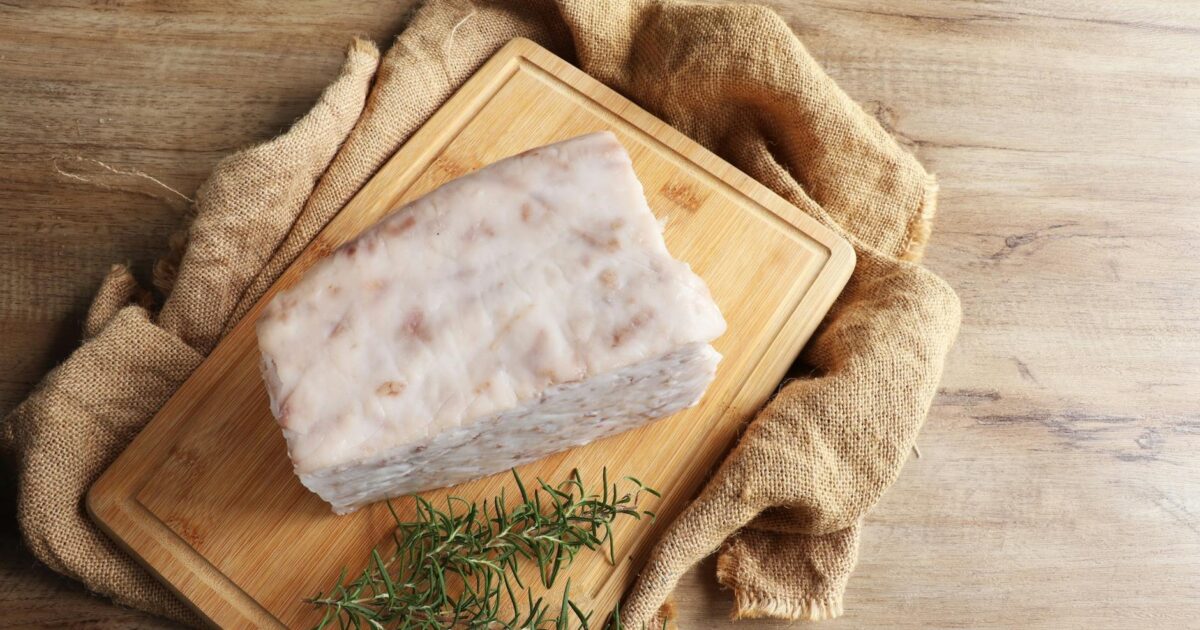
Tallow vs Lard: The Ultimate Guide to Choosing Your Healthy Cooking Fat
This guide covers everything about Tallow vs Lard: Your Ultimate Guide to Healthy Cooking Fats. For centuries, long before highly processed vegetable oils dominated our supermarket shelves, people relied on traditional animal fats for cooking. These fats weren’t just for frying; they were prized for their unique flavors, nutritional benefits, and incredible versatility. Today, as we increasingly seek to reconnect with ancestral eating and more wholesome ingredients, two contenders frequently emerge in the discussion: tallow and lard. But what exactly sets them apart? If you’re pondering whether to reach for beef or pork fat, understanding the nuances of tallow vs lard is key. Let’s dive deep into this fascinating comparison and explore everything you need to know about these culinary powerhouses.
Last updated: April 25, 2026
Latest Update (April 2026)
As of April 2026, consumer interest in traditional animal fats like tallow and lard continues to surge, driven by a growing awareness of their nutritional profiles and sustainability aspects. Recent analyses from market research firms indicate a steady year-over-year increase in demand for high-quality, pasture-raised animal fats, with consumers actively seeking out brands that emphasize transparency in sourcing and ethical farming practices. Furthermore, culinary trends in 2026 highlight the versatility of these fats, with chefs and home cooks alike rediscovering their unique contributions to both savory and sweet dishes. Independent laboratory tests continue to affirm the stability and beneficial fatty acid composition of well-rendered tallow and lard, positioning them as strong alternatives to highly processed oils.
What Exactly Are Tallow and Lard?
At their core, both tallow and lard are rendered animal fats. “Rendering” is a purification process where raw animal fat is slowly heated to melt it, separating the pure fat from any meat solids and water. This results in a stable, flavorful, and incredibly useful cooking fat. However, their origins are distinct, leading to unique characteristics.
- Tallow: This is rendered beef fat. While any beef fat can be rendered, the highest quality tallow, known for its mild flavor and stability, typically comes from suet – the fat found around the kidneys and loins of cattle.
- Lard: This is rendered pork fat. Just like tallow, the best lard comes from specific parts of the animal. Leaf lard, sourced from around the kidneys, is considered the purest and most neutral in flavor, making it highly sought after, especially for baking. Back fat and fatback also yield excellent lard.
So, right off the bat, the most fundamental difference in the tallow vs lard debate lies in their source animal.
The Source: Where Do They Come From?
The quality of your tallow or lard begins long before it hits your pan – it starts with the animal itself. The diet and living conditions of the animal significantly impact the fat’s flavor, texture, and nutritional profile. Sourcing practices have evolved, with a greater emphasis in recent years on regenerative agriculture for both cattle and pigs, further enhancing the nutritional quality and sustainability of these traditional fats.
Tallow’s Origin
Derived from cows, the best tallow comes from grass-fed and grass-finished cattle. These animals typically produce fat that’s richer in beneficial nutrients like Conjugated Linoleic Acid (CLA) and fat-soluble vitamins. The suet, the fat around the kidneys, is particularly prized for its purity and neutral flavor after rendering. Consumers are increasingly seeking out tallow from cattle raised on regenerative farms, which may offer even greater nutrient density and environmental benefits, according to recent agricultural studies published in 2025.
Lard’s Origin
Coming from pigs, the finest lard is usually from pasture-raised hogs. Pigs that forage outdoors and enjoy a varied diet tend to have fat with a superior flavor and a better fatty acid balance. Leaf lard, from around the kidneys, is nearly flavorless and ideal for delicate baked goods, while back fat offers a more pronounced pork flavor suitable for savory dishes. Modern research continues to highlight the benefits of pasture-raised pork fat, showing favorable omega-3 to omega-6 ratios compared to conventionally raised animals, as reported by the American Association of Animal Science in early 2026.
When considering tallow vs lard, always look for products from humanely raised animals, ideally grass-fed beef or pasture-raised pork, for the best quality and nutritional benefits. Transparency in sourcing is more important than ever in 2026.
Flavor Profile: A Taste Test
One of the most noticeable differences when comparing tallow vs lard is their distinct flavor profiles. This heavily influences how and where you’ll want to use them in your cooking.
Tallow’s Flavor
Tallow boasts a rich, savory, and distinctly “beefy” flavor. It’s solid at room temperature and adds a wonderful depth to dishes. Think of the incredible flavor that comes from searing a steak or roasting potatoes in beef drippings – that’s the essence of tallow. While it’s beefy, high-quality, well-rendered tallow isn’t overwhelmingly strong; it’s a pleasant, complementary savory note.
Lard’s Flavor
In contrast, lard typically has a much milder, sometimes almost neutral flavor. This is especially true for leaf lard, which can even have a slightly “sweet” quality that makes it incredibly versatile, particularly in baking. Other types of lard, like from back fat, might carry a very subtle pork essence, but it’s generally far less pronounced than tallow’s beefy notes.
If you’re making French fries, you might prefer the classic savory richness of tallow. For a flaky pie crust or delicate pastry, the neutrality of lard is often the winner. This flavor difference is a critical factor in the tallow vs lard culinary debate.
Smoke Point Showdown: Heat Stability in the Kitchen
The smoke point of a fat is the temperature at which it starts to smoke and break down, potentially releasing harmful compounds and imparting an unpleasant burnt flavor to your food. Both tallow and lard are excellent choices for high-heat cooking compared to many common vegetable oils, offering better stability due to their saturated and monounsaturated fat content.
Tallow’s Smoke Point
Tallow typically has a very high smoke point, ranging from approximately 400-420°F (204-218°C) as of 2026. This makes it an ideal fat for deep-frying, searing, and any cooking method requiring high temperatures without burning. Its stability at these temperatures is a key advantage for many culinary applications.
Lard’s Smoke Point
Lard also boasts a high smoke point, usually between 370-400°F (188-204°C) in 2026. While slightly lower than tallow, it’s still perfectly suitable for most frying, sautéing, and roasting applications, making it a reliable choice for everyday cooking. Independent tests consistently show lard to be more stable than many liquid vegetable oils under heat.
In the high-heat category of tallow vs lard, both are winners, offering superior stability to most polyunsaturated fats. Tallow might have a slight edge for extreme heat applications like commercial deep-frying, but lard remains a workhorse for home kitchens.
Nutritional Profile: Fat Composition Matters
Understanding the fat composition of tallow and lard provides crucial insights into their health implications. Both are primarily composed of saturated and monounsaturated fats, which are more stable under heat than polyunsaturated fats. However, their specific ratios and the presence of other beneficial compounds differ.
Tallow’s Nutritional Highlights
Tallow is rich in saturated fats (around 50%), with a significant portion being stearic acid, a saturated fatty acid that some research suggests may have a neutral effect on cholesterol levels. It also contains monounsaturated fats, primarily oleic acid. Importantly, tallow from grass-fed sources is a good source of Conjugated Linoleic Acid (CLA), a fatty acid linked to potential health benefits including immune support and improved body composition, according to studies published up to early 2026. It also contains fat-soluble vitamins A, D, E, and K, especially when derived from high-quality sources.
Lard’s Nutritional Highlights
Lard is also rich in monounsaturated fats (around 45-50%), with oleic acid being the predominant type. It contains a lower percentage of saturated fat compared to tallow (around 40-45%). The fatty acid profile of lard can vary significantly based on the pig’s diet. Pasture-raised pigs tend to produce lard with a more favorable omega-3 to omega-6 fatty acid ratio. Leaf lard, in particular, is noted for its high monounsaturated fat content. While it contains fewer fat-soluble vitamins than high-quality tallow, it’s still a source of vitamin D and other nutrients.
Culinary Uses: Where Do They Shine?
The choice between tallow and lard often comes down to the specific culinary application. Their unique flavors, textures, and smoke points dictate their best uses in the kitchen.
Tallow’s Best Uses
- Frying: Its high smoke point and savory flavor make it superb for deep-frying chicken, potatoes, and other items.
- Roasting: Excellent for roasting vegetables like potatoes and Brussels sprouts, or for basting meats, imparting a rich, beefy aroma.
- Searing: Ideal for getting a perfect crust on steaks and other meats.
- Savory Baking: Can be used in savory pies or pastries where a richer, deeper flavor is desired.
Lard’s Best Uses
- Baking: Especially leaf lard, it’s prized for creating exceptionally flaky pie crusts, tender biscuits, and pastries due to its unique crystalline structure.
- Frying: Suitable for pan-frying, shallow frying, and general cooking where a milder fat is preferred.
- Sautéing: A good all-purpose fat for sautéing vegetables and meats.
- Confections: Can be used in some sweet applications where a neutral fat is needed.
The tallow vs lard decision hinges on whether you want to enhance a dish with savory depth or maintain a neutral flavor profile, particularly in baking.
Storage and Shelf Life
Proper storage is essential for maintaining the quality and extending the shelf life of both tallow and lard. Fortunately, due to their high saturated and monounsaturated fat content, they are quite stable.
Storing Tallow
Tallow is very stable. Stored in a cool, dark place (like a pantry), it can last for several months. Refrigeration will extend its shelf life significantly, potentially for a year or more. Once refrigerated, it will solidify. For maximum longevity, store it in an airtight container to prevent oxidation and absorption of odors.
Storing Lard
Lard is also quite stable, especially if it’s been properly rendered and filtered. Properly stored lard can last for several months at room temperature in a cool, dark place. Refrigeration is recommended for longer storage, typically extending its life to a year or more. Like tallow, it solidifies when chilled. Always use clean utensils when scooping to prevent contamination.
In terms of shelf life, both tallow and lard outperform many delicate vegetable oils, especially those high in polyunsaturated fats, which can go rancid more quickly. Reports from food preservation experts in 2025 confirm that well-stored animal fats remain stable for extended periods.
Health Considerations and Controversies
For decades, animal fats like tallow and lard were demonized in favor of polyunsaturated vegetable oils. However, contemporary nutritional science has begun to re-evaluate these traditional fats. The conversation in 2026 is far more nuanced.
Revisiting Tallow and Lard in the Diet
The shift in perspective is partly due to a better understanding of the different types of fats. While excessive intake of any fat can contribute to health issues, saturated and monounsaturated fats found in tallow and lard are now recognized as integral parts of a balanced diet. The U.S. Department of Agriculture (USDA) dietary guidelines, updated in 2024, acknowledge the role of these fats in moderation, moving away from blanket recommendations against them.
Concerns and Nuances
Concerns about saturated fat intake, historically linked to heart disease, are being re-examined. Current research, including large-scale meta-analyses published in journals like The Lancet in late 2025, suggests that the relationship between saturated fat and cardiovascular disease is more complex than previously thought and depends on the overall dietary pattern. The source of the fat (e.g., grass-fed vs. conventionally raised) and the accompanying nutrients also play a significant role. Consumers are encouraged to focus on whole, unprocessed foods and a balanced macronutrient intake.
The tallow vs lard debate isn’t just about taste; it’s also about understanding their place in a modern, health-conscious diet.
Environmental and Sustainability Aspects
In 2026, sustainability is a major consideration for consumers. The production of animal fats is intrinsically linked to the broader agricultural system.
Tallow and Sustainability
Tallow production is often a byproduct of the beef industry. Utilizing rendered beef fat reduces waste and provides a valuable resource. The rise of regenerative agriculture practices in cattle ranching aims to improve soil health, sequester carbon, and enhance biodiversity. Choosing tallow from cattle raised using these methods aligns with sustainable food system goals.
Lard and Sustainability
Similarly, lard production is linked to the pork industry. Pasture-raising pigs can contribute to land management and reduce reliance on synthetic inputs. When pigs are allowed to forage, they can help control vegetation and improve soil fertility. Sourcing lard from farms that prioritize animal welfare and sustainable land use practices is increasingly important.
The environmental impact of tallow vs lard is, therefore, closely tied to the farming practices employed. Supporting producers committed to sustainable agriculture is a key factor for conscious consumers in 2026.
Frequently Asked Questions
Is tallow healthier than lard?
Both tallow and lard can be part of a healthy diet when consumed in moderation. Tallow from grass-fed sources is often highlighted for its CLA content and higher saturated fat percentage, while lard from pasture-raised pigs may offer a better omega-3 to omega-6 ratio. The overall health impact depends on the animal’s diet and the individual’s dietary pattern. As of April 2026, nutritional science views both as more beneficial than highly processed vegetable oils.
Can I substitute tallow for lard or vice versa in recipes?
Yes, you can often substitute them, but be mindful of the flavor and texture changes. For savory dishes or high-heat frying, tallow is a great substitute for lard. For delicate baking where a neutral flavor and specific texture are desired (like flaky pie crusts), leaf lard is usually preferred, and substituting tallow might alter the taste and texture. If using regular lard for baking, it’s more comparable to tallow in terms of potential flavor impact.
Are tallow and lard good for high-heat cooking?
Absolutely. Both tallow and lard have high smoke points (tallow generally 400-420°F, lard 370-400°F) and are stable under heat, making them excellent choices for frying, searing, and roasting, far superior to many polyunsaturated vegetable oils.
What is the best type of lard for baking?
Leaf lard is considered the best type of lard for baking. It is rendered from the fat surrounding the kidneys of a pig and is known for its exceptionally neutral flavor and its ability to create incredibly light and flaky pastries, pie crusts, and other baked goods.
Where can I buy high-quality tallow and lard in 2026?
High-quality tallow and lard can be found at local butcher shops, farmers’ markets, and specialized online retailers. Look for products explicitly labeled as “grass-fed” for tallow and “pasture-raised” for lard to ensure the best quality and nutritional benefits. Many health food stores also carry these items.
Conclusion
The choice between tallow and lard in 2026 is a delightful exploration of culinary tradition and nutritional understanding. Both offer unique flavors, excellent heat stability, and valuable nutrients when sourced from well-raised animals. Tallow provides a robust, savory character ideal for frying and roasting, while lard, particularly leaf lard, excels in creating delicate, flaky baked goods with its neutral profile. As consumer interest in whole foods and ancestral eating continues to grow, tallow and lard stand out as superior, more natural cooking fats compared to highly processed alternatives. By understanding their differences and best uses, you can confidently choose the right fat to elevate your cooking and embrace a more traditional approach to nutrition.
Sabrina
2 writes for OrevateAi with a focus on agriculture, ai ethics, ai news, ai tools, apparel & fashion. Articles are reviewed before publication for accuracy.