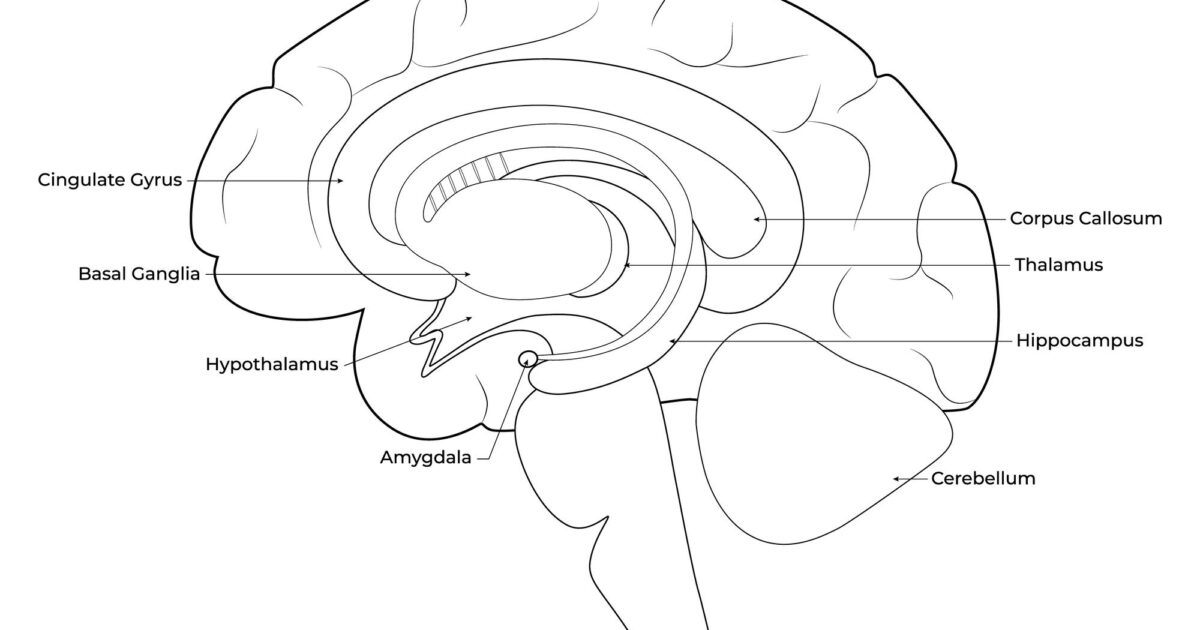
Neuro Storming: Understanding Causes and Treatment
This guide covers everything about Neuro Storming: Causes, Treatment, and Latest Insights. Understanding the complexities of brain recovery often leads us to confront lesser-known yet critical conditions. Among these is the phenomenon commonly referred to as neuro storming. This term, while perhaps not universally familiar, describes a profound and challenging cluster of symptoms that can emerge after significant brain injury, presenting a unique hurdle in the journey towards rehabilitation. Essentially, neuro storming represents an alarming overactivity of the body’s sympathetic nervous system, the very system responsible for our innate “fight or flight” response. Grasping the nuances of neuro storming is vital for patients, caregivers, and medical professionals alike, as timely recognition and management can significantly influence a patient’s long-term outcomes.
Latest Update (April 2026)
As of April 2026, ongoing research continues to refine our understanding of neuro storming, also known as paroxysmal sympathetic hyperactivity (PSH). Recent discussions in medical communities, influenced by events like the neurological challenges reported by public figures, as highlighted by 9News on April 20, 2026, underscore the persistent interest in understanding complex neurological injuries. While the specific cause in such high-profile cases may vary, the broader conversation brings attention to conditions affecting the autonomic nervous system. Furthermore, the lingering effects of environmental factors and potential health risks, such as increased tick-borne illnesses following mild winters, as reported by ABC News on April 24, 2026, serve as a reminder of the diverse external factors that can impact overall health and potentially interact with neurological conditions. The scientific community’s focus remains on developing more targeted diagnostic tools and therapeutic strategies for PSH, particularly in the context of severe brain injuries and other neurological insults.
What is Neuro Storming (Paroxysmal Sympathetic Hyperactivity)?
When we speak of neuro storming, we are fundamentally discussing a form of autonomic dysregulation, often medically termed paroxysmal sympathetic hyperactivity (PSH). This condition arises when the brain, following trauma, oxygen deprivation, stroke, or other severe injuries, loses its ability to properly regulate the autonomic nervous system. Consequently, the sympathetic branch, which normally prepares the body for stress, goes into overdrive intermittently. Imagine the body’s internal thermostat and stress regulator suddenly malfunctioning, leading to unpredictable and intense physiological surges. This is the core experience of someone undergoing neuro storming.
The autonomic nervous system is a complex network controlling involuntary bodily functions like heart rate, blood pressure, digestion, and temperature regulation. It comprises two main branches: the sympathetic nervous system (SNS) and the parasympathetic nervous system (PNS). The SNS is responsible for the “fight or flight” response, preparing the body for action during stressful situations. The PNS, conversely, manages “rest and digest” functions, promoting calm and recovery. In neuro storming, the brain’s control over the SNS is disrupted, leading to inappropriate and exaggerated activation of the fight-or-flight response, even in the absence of any real threat.
Recognizing the Symptoms of Neuro Storming
The manifestations of neuro storming are diverse and can be quite alarming for those witnessing them. Typically, individuals experience episodes characterized by a sudden increase in heart rate (tachycardia), elevated blood pressure (hypertension), and a rapid rise in body temperature (hyperthermia), often leading to profuse sweating (diaphoresis). Muscles may become stiff, sometimes exhibiting dystonic posturing where limbs contort involuntarily. Breathing can become rapid and shallow (tachypnea), and pupils might dilate (mydriasis). These episodes are not constant but rather paroxysmal, meaning they occur intermittently, often without an obvious external trigger.
Other potential symptoms include:
- Agitation or restlessness
- Flushing of the skin
- Increased muscle tone or spasticity
- Changes in consciousness, such as confusion or unresponsiveness during an episode
- Gastrointestinal disturbances
Recognizing these distinct patterns is crucial, as they signal the presence of neuro storming and the need for specialized intervention. The intensity and combination of symptoms can vary significantly from one individual to another and even from episode to episode within the same person.
Causes and Triggers of Neuro Storming
Neuro storming most commonly occurs following acquired brain injuries. These can include:
- Traumatic Brain Injury (TBI): This is the most frequent cause, often resulting from accidents, falls, or assaults.
- Stroke: Ischemic or hemorrhagic strokes can damage brain areas responsible for autonomic regulation.
- Hypoxic-Ischemic Encephalopathy (HIE): This occurs when the brain is deprived of oxygen and blood flow, often due to cardiac arrest or drowning.
- Brain Tumors: Tumors affecting specific brain regions can disrupt autonomic control.
- Neurodegenerative Diseases: While less common, certain conditions can impact autonomic function.
- Infections: Severe infections affecting the central nervous system can sometimes trigger PSH.
- Surgical Procedures: Especially those involving the brain or spinal cord.
External stimuli, such as noise, light, touch, or pain, can act as triggers for neuro storming episodes in susceptible individuals. However, episodes can also occur spontaneously. The underlying mechanism is believed to involve a breakdown in the brain’s ability to modulate the sympathetic nervous system, leading to a state of heightened autonomic arousal.
Diagnosing and Managing Neuro Storming
Diagnosing neuro storming relies heavily on observing these clinical signs, especially in patients with a history of acute brain injury. There isn’t a single definitive diagnostic test; instead, doctors compile evidence from symptom patterns, meticulously rule out other potential causes like infections, sepsis, or medication side effects, and assess the patient’s neurological status. Diagnostic criteria often require the presence of at least two of the core symptoms (hyperthermia, tachycardia, hypertension, tachypnea, postural instability/spasticity) occurring in the context of a neurological insult, along with the absence of other identifiable causes.
The management strategy for neuro storming is complex, focusing on both reducing the frequency and intensity of the episodes and providing symptomatic relief. Pharmacological interventions play a key role. Medications are aimed at calming the overactive sympathetic nervous system and controlling symptoms like fever, muscle spasms, and high blood pressure. Commonly used medications include:
- Beta-blockers (e.g., propranolol, labetalol): These drugs help lower heart rate and blood pressure.
- Alpha-agonists (e.g., clonidine, dexmedetomidine): These can reduce sympathetic outflow from the brain.
- Benzodiazepines (e.g., lorazepam, diazepam): These sedatives can help manage agitation and muscle spasms.
- Gabapentin or Pregabalin: These anticonvulsants may help with neuropathic pain and autonomic instability.
- Baclofen: A muscle relaxant used to manage spasticity.
These treatments are often tailored to the individual, as responses can vary widely. Titrating dosages and combinations of medications is a critical part of effective management. Continuous monitoring of vital signs is essential to assess treatment efficacy and detect any adverse effects.
Supportive Care and Environmental Management
Beyond medication, supportive care is indispensable in managing neuro storming. Maintaining a calm, quiet, and stable environment is paramount. Minimizing external stimuli such as loud noises, bright lights, and unnecessary physical contact can help reduce the likelihood of triggering episodes. Managing pain effectively is also critical, as pain can exacerbate sympathetic overactivity. Ensuring adequate hydration and nutrition supports overall physiological stability.
Caregivers often learn to identify subtle physiological or behavioral cues that might precede an episode, allowing them to proactively implement comfort measures or seek medical attention. This might include repositioning the patient, ensuring comfortable positioning, or administering prescribed ‘as-needed’ medications. Careful and frequent monitoring of vital signs (heart rate, blood pressure, temperature, respiratory rate) is crucial to track the patient’s condition and the effectiveness of interventions. The goal is always to minimize distress and prevent complications that could arise from these intense physiological surges. Effectively mitigating the impact of neuro storming directly contributes to a more stable environment conducive to brain healing.
Long-Term Implications and Rehabilitation
The long-term implications of neuro storming are significant and can profoundly impact a patient’s recovery trajectory. Frequent and severe episodes can lead to increased metabolic demand, placing a substantial burden on the body. This can result in muscle wasting (atrophy) due to prolonged periods of increased tone and immobility, and contribute to a slower overall recovery. Patients expend immense energy during these periods of sympathetic overactivity, which diverts vital resources away from the brain’s essential healing and repair processes.
Consequently, prolonged or inadequately managed neuro storming can contribute to:
- Extended hospital stays
- Increased risk of secondary complications like pneumonia or pressure sores
- Delayed initiation or progress of rehabilitation therapies
- Challenges in weaning from mechanical ventilation
- Greater long-term disability and reduced functional independence
Therefore, aggressive and consistent management of neuro storming is not merely about patient comfort but is an integral part of the rehabilitation process. By stabilizing autonomic function, clinicians aim to create an optimal internal environment that supports neuroplasticity and facilitates better neurological recovery and functional independence. Understanding this intricate link helps everyone involved prioritize effective, evidence-based treatment strategies.
Recent Advances and Considerations in Neuro Storming
Research continues to refine our understanding of neuro storming and PSH. Recent work highlights the importance of identification and management strategies specifically tailored for post-traumatic brain injury scenarios. Studies published in leading neurological journals in 2025 and early 2026 continue to explore the specific triggers and physiological pathways involved, seeking to develop more precise therapeutic targets. For instance, research published in outlets like Frontiers in Neurology in early 2026 emphasizes the need for standardized diagnostic criteria and improved monitoring techniques in intensive care settings.
The neurological impact of various conditions, including viral infections, has also been a growing area of study. Investigations into how severe infections, including potential links to syndromes presenting with autonomic dysregulation, might trigger or exacerbate PSH-like symptoms are ongoing, as reported in publications like Clinical Microbiology Reviews in late 2025. While less common, PSH has also been documented in association with other neurological events, such as spontaneous subarachnoid hemorrhage, as discussed in recent reviews on Wiley Online Library in early 2026. These findings underscore the diverse potential triggers and the persistent scientific interest in this complex condition.
The development of novel pharmacological agents and non-pharmacological interventions, such as targeted neuromodulation techniques, is an active area of investigation. As reported by 9News on April 20, 2026, discussions surrounding neurological injuries, even when arising from complex causes like medication side effects, draw public attention to the fragility of neurological health and the critical need for effective treatments for a range of conditions affecting the nervous system. The ongoing study of brain malformations and their association with neurological events is also evolving, offering potential insights into the underlying mechanisms that could predispose individuals to autonomic dysregulation. While not directly PSH, research into the complex interplay of genetic factors and brain development continues to expand the foundational knowledge base for understanding neurological disorders.
Frequently Asked Questions
What is the primary difference between neuro storming and a typical anxiety attack?
While both can involve symptoms like rapid heart rate and sweating, neuro storming (PSH) is a physiological response primarily triggered by significant brain injury. It involves a malfunction in the autonomic nervous system’s regulation, leading to intense, often sustained episodes of sympathetic overdrive. Anxiety attacks are typically psychological responses to stress or fear, often manageable with coping strategies and without the severe physiological parameters seen in PSH, such as sustained high fever or extreme blood pressure spikes.
Can neuro storming occur without a severe brain injury?
While neuro storming is most commonly associated with severe acquired brain injuries like TBI, stroke, or HIE, it can occasionally be triggered by other neurological insults or conditions. These might include certain neurodegenerative diseases, severe infections affecting the central nervous system, or even spinal cord injuries. However, the incidence is significantly lower compared to cases following major brain trauma.
How long do episodes of neuro storming typically last?
The duration of neuro storming episodes can vary greatly. Some episodes may be relatively brief, lasting minutes, while others can persist for hours. The frequency and duration are often influenced by the underlying cause, the patient’s overall condition, and the effectiveness of medical management. Consistent monitoring and treatment are key to managing these episodes.
What are the long-term prognoses for individuals who experience neuro storming?
The long-term prognosis for individuals experiencing neuro storming is highly variable and depends on several factors: the severity and type of initial brain injury, the frequency and intensity of PSH episodes, the promptness and effectiveness of treatment, and the patient’s overall health. While effective management aims to minimize complications and support recovery, prolonged or severe neuro storming can lead to increased disability and a slower return to functional independence.
Are there any non-pharmacological treatments for neuro storming?
Yes, supportive non-pharmacological measures are critical. These include creating a calm and quiet environment, minimizing sensory stimuli (loud noises, bright lights), managing pain effectively, ensuring proper hydration and nutrition, and maintaining stable body temperature. Gentle physical care, like proper positioning, can also help. Some research is exploring the potential of neuromodulation techniques, but these are still largely experimental for PSH.
Conclusion
Neuro storming, or paroxysmal sympathetic hyperactivity, presents a significant challenge in the recovery process following brain injury. Its complex symptoms, stemming from an overactive sympathetic nervous system, demand vigilant recognition and specialized management. As of April 2026, our understanding continues to evolve, with ongoing research exploring its diverse triggers, underlying mechanisms, and optimal treatment strategies. By combining pharmacological interventions with robust supportive care and environmental management, medical professionals and caregivers work collaboratively to mitigate the impact of these episodes, aiming to create the most stable conditions possible for the brain’s healing and rehabilitation. Continued focus on early diagnosis, tailored treatment plans, and comprehensive supportive care is essential to improve long-term outcomes for individuals affected by neuro storming.
Sabrina
2 writes for OrevateAi with a focus on agriculture, ai ethics, ai news, ai tools, apparel & fashion. Articles are reviewed before publication for accuracy.