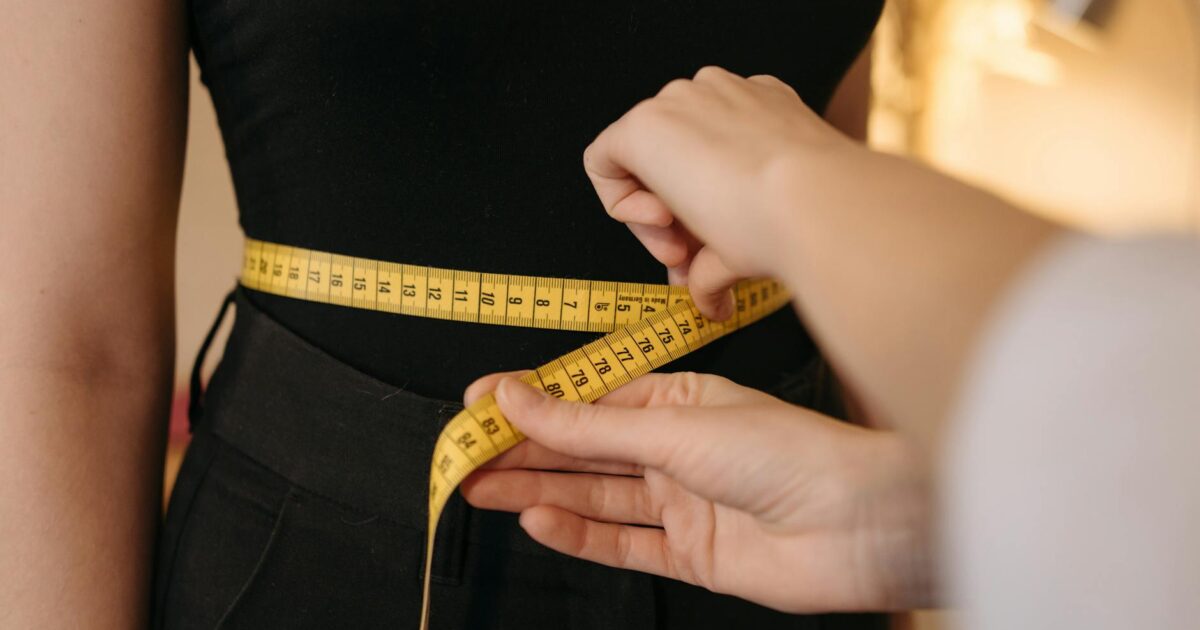
Getting clothes to fit just right can feel like a superpower. We’ve all been there: a shirt that’s a bit too tight in the arms, or a jacket where the sleeves ride up awkwardly. The secret often lies in understanding a simple but vital measurement: sleeve length. Whether you’re buying off the rack, ordering custom pieces, or even diving into your own sewing projects, knowing how to measure sleeve length correctly is key to looking and feeling your best. It’s not as complicated as it sounds, and I’m going to walk you through it step-by-step, just like I’ve done for countless garments over the years.
This isn’t about complex geometry or needing fancy tools. You likely have everything you need right now. We’ll cover the most common methods, explain why precision matters, and even touch on common pitfalls to avoid. Let’s get those sleeves fitting like they were made for you!
Table of Contents
Understanding What Sleeve Length Means
Before we grab a tape measure, let’s clarify what ‘sleeve length’ actually refers to. It’s not just the length of the fabric tube. Typically, sleeve length is measured from the point where the sleeve attaches to the shoulder (the shoulder seam) all the way down to the end of the cuff. For shirts, this often ends at the wrist bone. For jackets or coats, it might extend slightly past that, depending on the style.
The complexity comes from how different garments are constructed. A set-in sleeve (most common on shirts and blazers) has a different measurement starting point than a raglan sleeve (which has no distinct shoulder seam and usually includes a diagonal panel running from the underarm to the neckline). We’ll focus primarily on the most common ‘set-in’ style measurement, as it’s the most widely applicable.
What You’ll Need to Measure Sleeve Length
You don’t need a tailor’s workshop to get accurate measurements. Here’s what you’ll want:
- A flexible tape measure: This is crucial. A rigid ruler won’t work. Look for one with clear inch and centimeter markings. I’ve found that a good quality tailor’s tape measure, often found in sewing stores or online, is ideal.
- A helper (optional but recommended): Measuring yourself can be tricky, especially for accuracy. Having someone else take the measurement ensures you get a true reading without contorting yourself.
- A pen and paper, or a notes app: To jot down the measurement immediately so you don’t forget it.
- The garment you’re referencing (optional): If you’re trying to replicate a fit or understand an existing garment, having it handy can be helpful.
How to Measure Shirt Sleeve Length: The Standard Method
This is the most common method and works for most shirts, blouses, and many types of jackets. It requires you to have someone assist you for the best results.
Step 1: Find the Starting Point (The Shoulder)
Stand up straight. Your helper should locate the bone at the very top of your shoulder, where the shoulder seam would naturally sit. This is often called the shoulder point or shoulder apex. Make sure they identify the very edge of your shoulder bone.
Step 2: Measure Down the Arm
Your helper will take the end of the tape measure and place it at that shoulder point. They should then run the tape measure down the length of your arm, keeping it relatively straight but following the natural curve of your arm. It shouldn’t be pulled taut, but it shouldn’t be slack either. Aim for a relaxed, natural arm position, usually slightly bent.
Step 3: Identify the Endpoint (The Wrist)
The measurement should end where you want the sleeve to finish. For most shirts, this is at the wrist bone. Have the person note the measurement on the tape measure at this point. If you prefer your sleeves to be longer or shorter, adjust the endpoint accordingly.
Step 4: Record the Measurement
Write down the measurement in inches or centimeters. Double-check it to ensure accuracy. I always recommend taking the measurement twice, just to be sure!
Measuring for Jackets and Coats: Subtle Differences
The process for jackets and coats is very similar, but there are a few nuances to consider.
1. The Shoulder Point is Key: Just like with shirts, start at the very edge of the shoulder bone. This is the anchor point.
2. Arm Position Matters: For jackets, your arm should typically be in a slightly bent, relaxed position, not fully extended. This accounts for how you’ll naturally wear the jacket. Some tailors might even ask you to rest your hand on your hip for certain styles, which changes the curve slightly.
3. Cuff vs. Hem: The endpoint for jackets is usually the end of the cuff. Be mindful of any buttons or decorative elements on the cuff that might affect where the fabric officially ends.
4. Style Considerations: A bomber jacket might have a different desired sleeve length than a formal blazer. Always consider the intended style and how the sleeve should fall.
Common Mistakes When Measuring Sleeve Length
Even with the best intentions, a few common slips can lead to inaccurate measurements. Over my years in fashion, I’ve seen them all!
Mistake 1: Measuring a Fully Extended Arm
If you straighten your arm completely and measure, the resulting sleeve will likely be too long when your arm is in its natural, slightly bent position. This can cause bunching or an unprofessional look.
Mistake 2: Not Identifying the Correct Shoulder Point
Starting the measurement too far down your neck or too far out on your shoulder will skew the entire reading. It needs to be precisely at the point where the sleeve will attach.
Mistake 3: Using a Rigid Ruler or Tape Measure
A stiff ruler can’t follow the natural contour of the arm, leading to an inaccurate measurement. You need the flexibility of a tailor’s tape.
Mistake 4: Measuring Over Bulky Clothing
As mentioned in the expert tip, thick layers will add unnecessary length. Always measure against the skin or a very thin layer.
Mistake 5: Not Considering the Cuff Width
While we’re measuring length, remember that the cuff itself takes up some space. If you’re making a garment, you need to account for the finished cuff when determining the final sleeve length.
Pro Tips for Perfect Sleeves
Here are a few extra tricks I’ve picked up that can make all the difference:
Tip 1: Measure the Center Back Neck to Wrist
For certain styles, especially raglan sleeves or when trying to match a specific garment precisely, measuring from the center back of your neck, over the shoulder, and down to the wrist can be a useful alternative. This gives a slightly different perspective and can be very helpful for complex patterns.
Tip 2: Measure Arm Circumference
While not strictly sleeve length, knowing your arm circumference at the bicep and forearm is vital for ensuring the sleeve isn’t too tight or too baggy. This is a measurement taken around the arm, not down its length.
Tip 3: Use Existing Garments as a Guide
Lay a well-fitting shirt flat on a surface. Measure from the center back of the neck (where the collar meets the back) straight down to the end of the cuff. This is often called the ‘sleeve length from center back’ and can be a good benchmark.
According to the Fashion Industry Association of Apparel Professionals (FIAP), accurate garment measurements, including sleeve length, are critical for reducing returns in the e-commerce sector. In 2023, over 15% of apparel returns were attributed to poor fit, with sleeve length being a common complaint among consumers purchasing shirts and jackets online. This highlights the importance of precise measurement practices for both consumers and businesses. (FIAP)
This statistic really drives home how important it is for us to get this right!
Measuring Yourself vs. Measuring Someone Else
As I’ve mentioned, having someone else measure you is always the most reliable method. They can see the shoulder point clearly and ensure the tape is held correctly without you having to guess or strain.
However, if you absolutely must measure yourself, here’s how to get the best possible result:
Self-Measurement Technique:
1. Stand in front of a mirror.
2. Identify your shoulder point. You can feel the bone.
3. Hold the end of the tape measure at that point with one hand.
4. Extend the tape measure down your arm. You’ll need to use your other hand to hold the tape at the wrist. This can be awkward.
5. Try to keep your arm in a slightly bent, relaxed position. It’s tough to maintain this position perfectly while also holding the tape measure steady.
6. Read the measurement in the mirror. This can also be tricky as you’re reading a reversed image.
Because of the difficulty in maintaining posture and reading accurately, self-measurement is prone to errors. If you’re ordering custom clothing or tailoring, always try to get help from another person.
Frequently Asked Questions
What is the standard sleeve length for men’s shirts?
The standard sleeve length for men’s shirts typically ranges from 30 to 36 inches. This measurement is taken from the center back of the neck, over the shoulder, to the wrist. However, precise measurements vary by individual arm length and desired fit.
How do I measure sleeve length if I have a raglan sleeve shirt?
For raglan sleeves, which lack a shoulder seam, measure from the base of the collar at the center back of the neck, down the diagonal seam to the cuff. Alternatively, measure from the underarm to the cuff and add that measurement to the shoulder width.
Should sleeve length be measured with a bent or straight arm?
Sleeve length should ideally be measured with the arm in a slightly bent, relaxed position, similar to how it would naturally hang. Measuring a fully extended arm will result in sleeves that are too long when worn.
Where exactly do I start measuring for sleeve length?
You start measuring from the point of the shoulder bone (where the shoulder seam would sit) or, for some styles like raglan, from the base of the center back neck. The measurement continues down the arm to the desired endpoint, usually the wrist bone.
Does arm circumference affect sleeve length measurement?
Arm circumference does not directly affect the sleeve length measurement itself, which is a linear measurement down the arm. However, circumference is critical for ensuring the sleeve fits comfortably around the bicep and forearm without being too tight or too loose.
Final Thoughts
Mastering how to measure sleeve length is a fundamental skill for anyone interested in clothing fit, whether you’re a seasoned seamster or simply want to buy smarter. Remember the key steps: identify the shoulder point, measure down the natural arm curve, and finish at the desired wrist position. Always use a flexible tape measure, and if possible, get a friend to help for the most accurate results.
By paying attention to this one measurement, you can dramatically improve how your shirts, jackets, and other garments fit. No more awkward bunching or sleeves that are too short! Give it a try the next time you’re shopping or planning a sewing project, and experience the satisfaction of a truly perfect fit.



Sabrina
Expert contributor to OrevateAI. Specialises in making complex AI concepts clear and accessible.