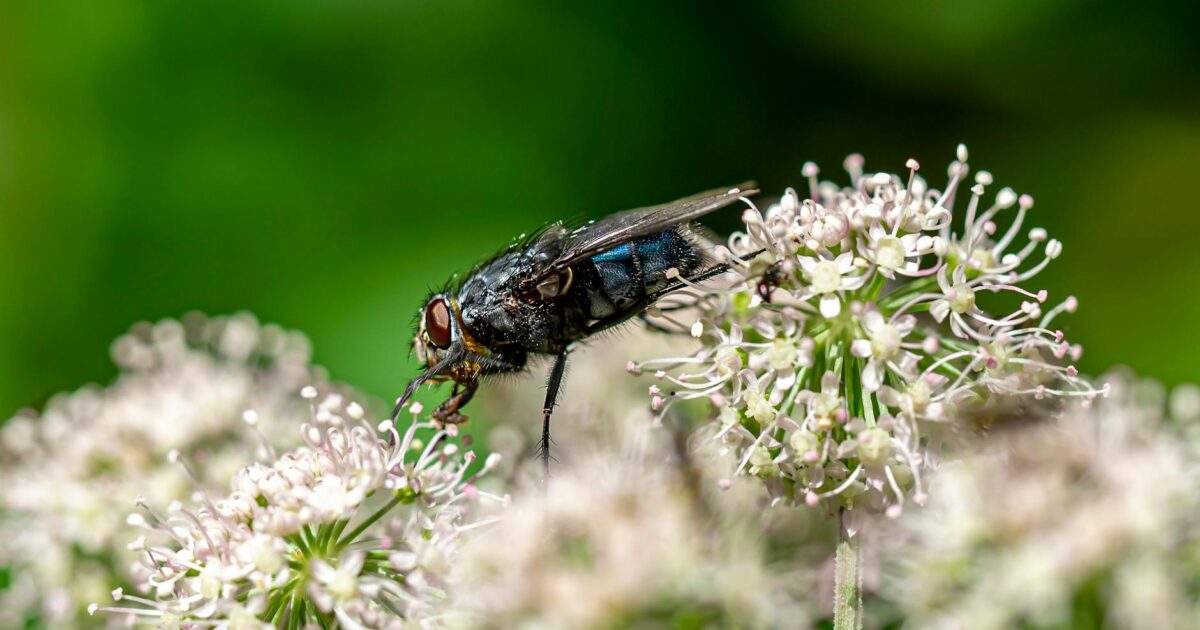
There’s nothing quite like the British summer, is there? Long evenings, a bit of sunshine (if we’re lucky!), and the chance to finally enjoy your garden. But for many of us, that idyllic scene is quickly shattered by the incessant buzzing of flies. Whether it’s house flies, fruit flies, or even those annoying little drain flies that seem to appear from nowhere, they can turn a peaceful afternoon into a frantic swatting session. If you’re wondering how to get rid of flies outside and reclaim your patio, you’ve come to the right place. I’ve spent years battling these airborne nuisances in my own garden and helping others do the same, and I’ve picked up a few tricks along the way. Let’s dive into some practical, region-specific solutions.
Understanding why flies are attracted to your outdoor space is the first step in getting rid of them. They’re drawn to food sources, moisture, and places to breed. In the UK, this often means compost bins, pet waste, overflowing bins, and even damp areas around drains. Tackling these attractants is just as important as using repellents.
Table of Contents
Understanding the Enemy: Common Outdoor Flies
Before we can effectively get rid of flies outside, it helps to know what we’re dealing with. In the UK, you’re most likely to encounter:
- House Flies (Musca domestica): These are the most common culprits. They’re attracted to decaying organic matter, faeces, and food waste. They can breed rapidly in warm conditions.
- Fruit Flies (Drosophila): Tiny but tenacious, these are often found around ripe or fermenting fruit, vegetables, and sugary drinks. They can also breed in drains if there’s a film of organic matter.
- Drain Flies (Psychodidae): Recognisable by their fuzzy, moth-like appearance, these are usually found near stagnant water sources, especially in drains, gutters, and damp areas.
- Cluster Flies (Pollenia rudis): While often a nuisance indoors in autumn, they can also be found outdoors. They tend to gather in sunny spots.
Each type has slightly different preferences, but good general hygiene and targeted deterrents work for most.
Targeting the Breeding Grounds: Garden Hygiene
This is arguably the most crucial step on how to get rid of flies outside. If you remove their food and breeding sites, you remove the source of the problem. I’ve found that being diligent about these simple practices significantly reduces fly populations:
- Compost Bins: Ensure your compost bin has a secure lid. Turn the compost regularly to speed up decomposition and reduce odours that attract flies. Avoid adding meat or dairy products, which are particularly attractive.
- Pet Waste: If you have dogs, clean up after them immediately. Dog faeces are a prime breeding ground for house flies. Consider a dedicated pet waste bin with a lid.
- Rubbish Bins: Keep outdoor bins clean and ensure lids are tightly sealed. Consider washing your bins out periodically, especially during warmer months. Use bin liners and tie them securely.
- Food Scraps: Don’t leave food waste lying around. Promptly clear away barbecue remnants or outdoor dining leftovers.
- Water Sources: Fix leaky taps or hoses that create puddles. Empty stagnant water from plant pot saucers or buckets. Clean gutters regularly to prevent water and debris build-up.
It sounds basic, but consistent garden hygiene is your first and best line of defence against outdoor flies.
Natural Deterrents for Your Patio
Many people prefer to avoid harsh chemicals, especially in areas where they eat or children play. Thankfully, there are several natural methods to deter flies from your outdoor living spaces. I often recommend these to my neighbours:
- Herbs: Certain strong-smelling herbs can help keep flies at bay. Planting basil, mint, rosemary, lavender, or bay leaves around your patio or in pots can be surprisingly effective. You can also crush the leaves to release more scent.
- Essential Oils: Peppermint, eucalyptus, citronella, and lavender oils are known fly repellents. Mix a few drops with water in a spray bottle and mist around your patio furniture, doorways, and windows. You can also put a few drops on cotton balls and place them in strategic spots.
- Vinegar Traps: For fruit flies and gnats, a simple trap can work wonders. Pour apple cider vinegar into a jar, add a drop of dish soap (to break the surface tension), and cover the top with cling film, poking a few small holes. Flies will be attracted in but struggle to get out.
- Citrus and Cloves: Another old gardener’s trick is to stud lemons or oranges with whole cloves and place them on outdoor tables. The strong scent is thought to deter flies.
While natural methods might require more frequent application, they offer a safer, more environmentally friendly approach to managing flies.
Effective Fly Traps and Catchers
Sometimes, natural deterrents aren’t enough, and you need to actively catch and eliminate the flies. There are several types of traps available:
| Trap Type | How it Works | Pros | Cons |
|---|---|---|---|
| Disposable Fly Bags | Attracts flies with a bait, trapping them in a liquid solution. Hung away from living areas. | Effective, easy to use, traps large numbers. | Can be unsightly, odour can be strong, needs careful placement. |
| Sticky Fly Paper/Ribbons | Hangs down and traps flies that land on the sticky surface. | Simple, inexpensive, readily available. | Can be messy, catches other flying insects, visually unappealing. |
| UV Light Traps | Uses UV light to attract insects into a sticky board or electrified grid. | Effective, often discreet, continuous operation. | Requires electricity, can be more expensive, may attract beneficial insects too. |
| Bait Stations | Contains a fly bait that kills them once consumed. | Targeted, can be placed strategically. | Needs regular refilling, potential for dead flies around the station. |
When choosing a trap, consider where you’ll place it and how many flies you’re dealing with. For a patio, a discreet UV trap or a well-placed bait station might be best. For areas further from the house, disposable bags can be very effective.
Preventing Flies on Your Doors and Windows
Even with a clean garden, flies will try to get inside. Preventing them from entering your home is key to enjoying your outdoor space without constant invasion. I’ve found these methods to be most effective:
- Fly Screens: This is a classic for a reason. Installing fine mesh fly screens on your windows and doors is one of the most effective ways to keep flies out while still allowing fresh air in. Many DIY kits are available, or you can opt for professional installation.
- Keep Doors and Windows Closed: As simple as it sounds, keeping doors and windows shut, especially during peak fly activity times (usually warmer parts of the day), makes a big difference.
- Seal Gaps: Check for any small gaps or cracks around window frames and door frames where flies might squeeze through. Seal these with caulk or weather stripping.
- Fans: A strategically placed fan can create enough airflow to deter flies from landing on your patio table or entering through open doorways. The moving air makes it difficult for them to land.
These preventative measures are crucial for maintaining a fly-free zone around your home.
According to the UK’s Health and Safety Executive (HSE), insecticides used for pest control must be authorised for use. Always read and follow the label instructions for safe and effective application.
When to Call in the Pros
Sometimes, despite your best efforts, the fly problem becomes overwhelming. If you’re experiencing a persistent and severe infestation, it might be time to consult a professional pest control service. They have access to more potent treatments and can identify the root cause of the infestation, which might be something you’ve overlooked, such as a hidden breeding site.
For a severe drain fly problem, for instance, they can check your plumbing for blockages or damaged pipes where these flies are breeding. Similarly, if you suspect flies are coming from a neighbour’s property or a nearby commercial establishment, a professional can advise on the best course of action.
Frequently Asked Questions
What is the quickest way to get rid of flies outside?
The quickest method often involves a combination of immediate physical removal and a fast-acting deterrent. Using an electric fly swatter for visible flies and spraying a natural repellent like diluted essential oils around your seating area can offer rapid, albeit temporary, relief.
Can I use bug zappers for outdoor flies?
Bug zappers can be effective for killing flying insects, including flies, using UV light to attract them. However, they also kill beneficial insects and may not be the most targeted solution for solely getting rid of flies outside your immediate living space.
Are there any plants that repel flies?
Yes, several plants are known for their fly-repelling properties. Basil, mint, lavender, rosemary, and bay leaves can deter flies when planted around your garden or patio. Crushing their leaves releases stronger scents that are more effective.
How do I stop flies from coming to my outdoor bin?
To stop flies coming to your outdoor bin, ensure the lid is always tightly closed and consider washing the bin regularly. Promptly dispose of food waste in sealed bags and avoid placing meat or dairy scraps directly into an open bin.
What is the best natural fly repellent for a patio?
For a patio, a combination of essential oil sprays (peppermint, eucalyptus) and strategically placed pots of repellent herbs like basil and mint often works best naturally. Citrus fruit studded with cloves is also a popular and effective deterrent.
Final Thoughts
Dealing with flies outside is a common challenge, especially during the warmer months here in the UK. By understanding the types of flies you’re facing, diligently practicing garden hygiene, and employing a mix of natural deterrents, traps, and preventative measures, you can significantly reduce their presence. Remember, consistency is key. A clean garden and a few well-placed deterrents can make all the difference in enjoying your outdoor spaces pest-free. Don’t let buzzing pests ruin your summer – take control with these practical tips on how to get rid of flies outside.


Sabrina
Expert contributor to OrevateAI. Specialises in making complex AI concepts clear and accessible.