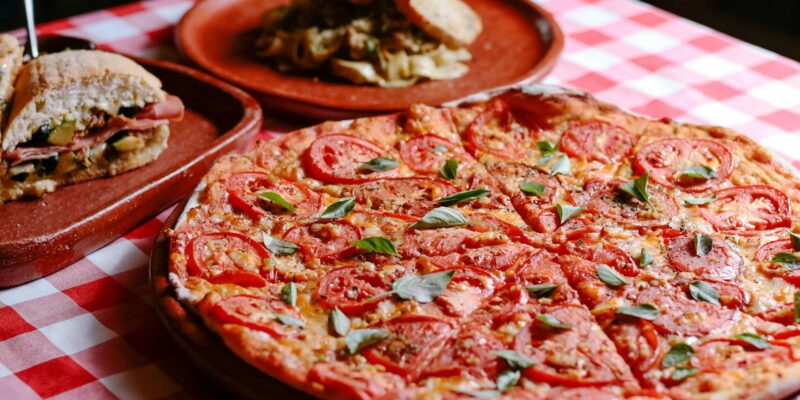
The siren song of a warm, cheesy pizza slice is hard to resist. But for those of us keeping an eye on our energy intake, the burning question often arises: how many kcal in a slice of pizza? It’s a seemingly simple query, yet the answer is anything but. My years of dissecting food’s nutritional makeup have shown me that pizza is a culinary chameleon, its calorie count shifting dramatically based on a myriad of factors.
Forget the generic estimations you see plastered everywhere. We’re going to dive deep into the variables that truly dictate the caloric punch of your favorite pie. Think of this as your insider’s guide to understanding pizza’s energy contribution, from the crust to the final sprinkle of herbs.
Table of Contents
Understanding Pizza Calorie Variables
Crust: The Foundation of Your Pizza Kcal
Sauce: The Unsung Kcal Contributor
Cheese: The Caloric Heart of the Slice
Topping Choices That Impact Kcal
Portion Size and Slice Dimensions
Expert Tip: Navigating Pizza Kcal
Real-World Pizza Kcal Examples
Conclusion: Making Informed Pizza Choices
Introduction
So, how many kcal in a slice of pizza? For a standard, medium-sized slice of cheese pizza from a popular chain, you’re often looking at somewhere between 250 to 350 kcal. However, this is a broad average. A thin-crust veggie pizza might clock in closer to 200 kcal per slice, while a deep-dish meat lover’s monstrosity could easily surpass 500 kcal. Understanding the components is crucial for accurate estimation.
Understanding Pizza Calorie Variables
The journey to understanding pizza’s calorie count begins with acknowledging its variability. It’s not a static food item. I’ve seen nutrition labels that differ wildly for what appears to be the same type of pizza. This is because several key elements contribute to the final tally, and each can be manipulated.
The primary drivers are the crust type, the sauce used, the amount and type of cheese, and, of course, the toppings. Even the size and thickness of a single slice can drastically alter the number of calories you’re consuming. For instance, a slice from a 12-inch pizza cut into 8 will naturally have fewer calories than a slice from a 16-inch pizza cut into the same number of pieces.
Furthermore, the preparation method plays a role. Is it baked in a brick oven, a conveyor belt oven, or a conventional oven? While the impact might be less pronounced than toppings, it can still subtly influence moisture content and browning, which can affect perceived density and, to a lesser extent, calorie distribution.
Crust: The Foundation of Your Pizza Kcal
Let’s start with the base: the crust. This is where a significant portion of the calories originates. The type of crust you choose is a major determinant of your slice’s energy content.
Thin Crust: Generally, thin crusts use less dough, meaning fewer carbohydrates and calories. A typical thin crust slice might range from 80-150 kcal, depending on other ingredients. The focus here is often on crispiness and allowing toppings to shine.
Hand-Tossed/Regular Crust: This is the standard for many pizzerias. It has a moderate thickness and chewiness. Expect this to add around 100-200 kcal per slice, primarily from the flour and oil used in the dough.
Thick Crust/Pan Pizza/Deep Dish: These styles are breadier and often fried or baked in oil-infused pans. This significantly increases the calorie count. A slice of deep-dish pizza can easily contribute 200-350 kcal or more, just from the crust itself, due to the sheer volume of dough and added fats.
Specialty Crusts: Stuffed crusts, garlic-infused crusts, or those made with alternative flours (like cauliflower or whole wheat) also have their own calorie profiles. Stuffed crusts, for example, add a substantial amount of cheese and fat directly into the crust’s edge, boosting the kcal significantly. Whole wheat might offer more fiber but not necessarily fewer calories if the dough preparation is similar.
Sauce: The Unsung Kcal Contributor
While often overlooked, the sauce layer contributes to the overall calorie count, though usually to a lesser extent than the crust or cheese. The standard tomato-based marinara sauce is relatively low in calories, typically adding only about 20-50 kcal per slice.
However, variations can increase this. Cream-based sauces, like Alfredo or a béchamel, are significantly higher in fat and calories due to the butter, cream, and cheese used in their preparation. These can add an extra 50-100 kcal or more per slice.
Sweetened sauces, or those with added sugars, will also contribute additional calories. Even a simple tomato sauce can vary in its sugar content. For those meticulously tracking, checking the nutritional information for specific sauces is advisable.
Cheese: The Caloric Heart of the Slice
Ah, cheese. The melty, gooey heart of the pizza experience. It’s also a major calorie and fat contributor. The type and quantity of cheese you opt for can dramatically change your pizza’s nutritional profile.
Mozzarella: This is the classic pizza cheese. A standard portion of shredded mozzarella on a slice might add 70-120 kcal. Full-fat mozzarella will pack more calories than part-skim.
Blends: Many pizzerias use cheese blends that might include provolone, cheddar, parmesan, or romano. Each of these cheeses has a different fat and calorie content. For example, cheddar generally has more fat and calories than mozzarella.
Extra Cheese: Ordering ‘extra cheese’ is a surefire way to boost your slice’s calorie count. This can easily add another 50-100 kcal or more, depending on how generous the cheese-sprinkler is.
Other Cheeses: Specialty pizzas might feature ricotta, feta, goat cheese, or gorgonzola. Ricotta, while creamy, can be surprisingly high in calories. Feta and goat cheese are often used in smaller quantities but can be calorie-dense due to their fat content.
When I was first learning about food composition, I was astonished by how much fat was packed into seemingly small portions of aged cheeses like parmesan. A little goes a long way, both in flavor and in calories.
Topping Choices That Impact Kcal
The toppings are where you can really customize your pizza, and this is arguably the most variable component in terms of calorie impact. Some toppings are calorie-dense, while others are relatively light.
High-Calorie Toppings:
- Meats: Pepperoni, sausage, bacon, ham, salami, and ground beef are all high in fat and calories. A generous serving of pepperoni can add 50-100 kcal per slice.
- Processed Meats: These often contain added sugars and sodium alongside fat.
- Fatty Cheeses (as toppings): Adding dollops of ricotta or crumbles of blue cheese.
- Certain Vegetables (prepared): Artichoke hearts marinated in oil, olives (high in fat).
Lower-Calorie Toppings:
- Vegetables: Bell peppers, onions, mushrooms, spinach, tomatoes, broccoli, jalapeños. These add nutrients and fiber with minimal calorie impact, typically 5-20 kcal per slice.
- Lean Proteins: Grilled chicken breast (without skin or marinade), sometimes turkey pepperoni.
- Herbs and Spices: Basil, oregano, red pepper flakes.
Portion Size and Slice Dimensions
This is a crucial, often underestimated factor. How many kcal in a slice of pizza is meaningless if you don’t define the slice. Pizza sizes are not standardized. A ‘slice’ from a small 8-inch pizza cut into 4 is vastly different from a ‘slice’ from an extra-large 18-inch pizza cut into 8.
Generally, a standard slice comes from a 12-14 inch pizza cut into 8 pieces. If you’re eating pizza from a place that cuts their pies into fewer, larger slices, your calorie count per slice will naturally be higher. Conversely, if they cut it into many small slices, each slice will have fewer calories.
My advice? If you’re serious about tracking, try to measure or at least estimate the dimensions of your slice. A typical slice from a medium pizza might be around 6-8 inches long at the base and 3-4 inches wide at the crust. Anything significantly larger will have more calories.
Consider the weight as well. A heavier slice, all else being equal, will contain more calories. This is often due to a thicker crust, more cheese, or denser, fattier toppings.
Real-World Pizza Kcal Examples
To bring this all together, let’s look at a few common pizza scenarios:
| Pizza Type | Crust Type | Cheese | Toppings | Estimated Kcal per Slice (approx.) |
|---|---|---|---|---|
| Margherita | Thin | Fresh Mozzarella | Tomato sauce, Basil | 200-280 kcal |
| Pepperoni Classic | Hand-Tossed | Standard Mozzarella | Tomato sauce, Pepperoni | 300-450 kcal |
| Veggie Supreme | Regular | Standard Mozzarella | Tomato sauce, Bell Peppers, Onions, Mushrooms, Olives | 280-400 kcal |
| Meat Lover’s | Thick Crust | Blend (Mozzarella/Cheddar) | Tomato sauce, Sausage, Bacon, Ham, Pepperoni | 450-650+ kcal |
| Hawaiian | Thin | Standard Mozzarella | Tomato sauce, Ham, Pineapple | 250-350 kcal |
| BBQ Chicken | Regular | Mozzarella/Cheddar blend | BBQ Sauce base, Chicken, Red Onion | 320-480 kcal |
These are estimates, of course. The exact numbers will depend on the specific restaurant’s recipe and portioning. For instance, a ‘thin crust’ from one place might be as thick as a ‘regular crust’ from another.
For a comprehensive breakdown of pizza nutrition, the United States Department of Agriculture (USDA) FoodData Central provides extensive data on various pizza types and their components. This resource is invaluable for understanding the precise nutritional makeup. Last checked: April 2026.
My own experience tracking food intake for clients revealed that homemade pizzas, while often perceived as healthier, can easily exceed chain restaurant calories if portion sizes of cheese and fatty meats aren’t carefully controlled. It’s easy to get carried away with ‘just one more slice’ when it’s made with love in your own kitchen.
Frequently Asked Questions
How many kcal in a slice of pizza with only cheese?
A typical slice of cheese pizza, from a medium-sized pie with a regular crust and standard mozzarella, usually contains between 250 and 350 kcal. This can vary significantly based on the crust thickness, amount of cheese, and overall slice size.
Are vegetable toppings low in calories on pizza?
Yes, most vegetable toppings are low in calories and add beneficial nutrients and fiber. Ingredients like bell peppers, onions, mushrooms, and spinach contribute only a small number of calories, typically 5-20 kcal per slice, making them excellent choices for volume and nutrition.
How does crust type affect pizza calories?
Crust type is a major calorie driver. Thin crusts are lowest, followed by regular crusts. Thick crusts, pan pizzas, and deep-dish styles are significantly higher due to more dough and often added fats. Stuffed crusts also add substantial calories from the cheese within the crust.
Is pepperoni a high-calorie topping?
Absolutely. Pepperoni is one of the highest-calorie toppings due to its high fat content. A standard serving can add between 50 to 100 kcal per slice, alongside significant amounts of saturated fat and sodium.
How can I reduce the kcal in my pizza slice?
To reduce calories, choose a thin crust, opt for a tomato-based sauce, go light on cheese or choose part-skim mozzarella, and load up on vegetable toppings. Avoiding high-fat meats like pepperoni and sausage is also key.
Conclusion: Making Informed Pizza Choices
So, to circle back to our initial question: how many kcal in a slice of pizza? The answer is wonderfully complex and entirely dependent on your choices. While a baseline cheese slice might sit in the 250-350 kcal range, the possibilities for variation are immense. By understanding the impact of crust, sauce, cheese, toppings, and portion size, you gain the power to make more informed decisions about your pizza consumption.
Don’t let the calorie count deter you from enjoying this beloved food. Instead, use this knowledge to tailor your pizza experience to your dietary goals. Whether you’re aiming for a lighter meal or indulging in a hearty feast, being aware of the caloric landscape allows you to savor every bite with confidence. Next time you order or make pizza, consider these factors, and enjoy your perfectly calibrated slice!




Sabrina
Expert contributor to OrevateAI. Specialises in making complex AI concepts clear and accessible.