Ever stared at a towering stack of individual water bottles and wondered, “how many bottles of water is a gallon?” It’s a surprisingly common question, especially when you’re stocking up for a party, a camping trip, or just trying to figure out the best value at the grocery store. You’re not alone in this! I’ve personally spent countless hours trying to do the math in the aisle, and let me tell you, it’s not always as straightforward as it seems.
The truth is, there isn’t one single, universal answer because not all water bottles are created equal. However, we can nail down the most common scenarios and give you the intel you need to make informed decisions. Let’s dive in and demystify the relationship between a gallon and those convenient little plastic bottles.
Understanding the Gallon Measurement
Before we talk bottles, let’s get our heads around what a gallon actually is. A gallon is a unit of volume, primarily used in the United States for liquid measurement. It’s a pretty substantial amount of liquid, and understanding its components is key to figuring out how many bottles fit inside.
In the U.S. customary system, a gallon is defined as:
- 128 fluid ounces (fl oz)
- 4 quarts
- 8 pints
- 16 cups
This foundational knowledge is our starting point. When we talk about how many bottles of water is a gallon, we’re essentially asking how many of a specific bottle’s volume, measured in fluid ounces, adds up to 128 fluid ounces.
The Most Common Bottled Water Size
Walk into any convenience store or supermarket, and you’ll likely see them: the ubiquitous 16.9 fl oz (or 500ml) bottles of water. These are the workhorses of the bottled water world, often sold in packs of 24 or 12. Why this size? It’s a convenient, single-serving size that’s easy to carry and drink on the go.
So, if we use this standard 16.9 fl oz bottle as our benchmark, we can do the math:
128 fl oz (1 gallon) / 16.9 fl oz (per bottle) = approximately 7.57 bottles
This means that you’ll need about 7 and a half of those common 16.9 fl oz bottles to equal one gallon of water. Since you can’t have half a bottle in this context, practically speaking, you’ll need 8 bottles to exceed a gallon, or you’ll have a little less than a full gallon if you use exactly 7 bottles.
What About Other Bottle Sizes?
The 16.9 fl oz bottle is super common, but it’s definitely not the only size out there. You’ll also find:
- 1-liter (33.8 fl oz) bottles: These are larger, often found in multi-packs or sold individually.
- 20 fl oz bottles: Another popular single-serving size, often seen in vending machines.
- 24 fl oz bottles: A bit more substantial for those who need extra hydration.
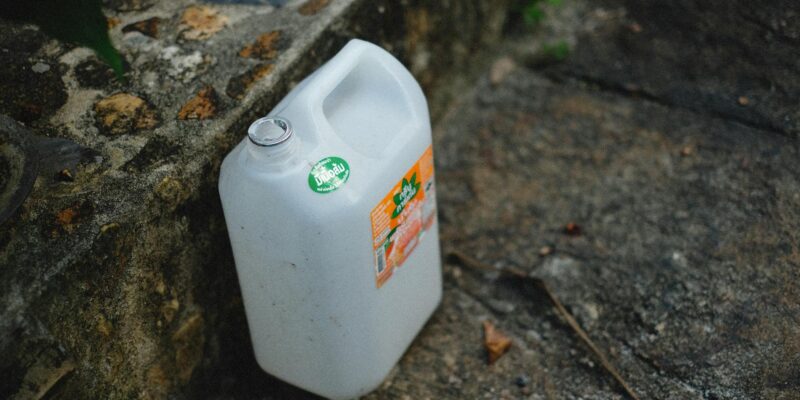
- Gallon jugs: Of course, you can buy water already packaged in gallon jugs! These are less portable but offer the best value per ounce.
Let’s crunch the numbers for some of these other popular sizes:
- For 1-liter (33.8 fl oz) bottles: 128 fl oz / 33.8 fl oz = approximately 3.79 bottles. So, you’d need about 4 of these bottles to make a gallon.
- For 20 fl oz bottles: 128 fl oz / 20 fl oz = 6.4 bottles. You’d need 7 bottles to get at least a gallon.
- For 24 fl oz bottles: 128 fl oz / 24 fl oz = 5.33 bottles. You’d need 6 bottles to get at least a gallon.
As you can see, the number of bottles required to equal a gallon changes significantly depending on the size of the bottle you’re using. This is why understanding the fluid ounces is crucial when you’re comparing prices or planning your water supply.
| Bottle Size (fl oz) | Approximate Bottles per Gallon | Notes |
|---|---|---|
| 16.9 fl oz (500ml) | 7.57 (practically 8) | Most common size |
| 20 fl oz | 6.4 (practically 7) | Popular single-serve |
| 24 fl oz | 5.33 (practically 6) | Larger single-serve |
| 33.8 fl oz (1 Liter) | 3.79 (practically 4) | Common multi-pack size |
Why Does This Matter? Practical Tips
Knowing how many bottles of water make a gallon isn’t just a fun trivia fact; it has real-world applications. Here’s why this knowledge can be super useful:
Hydration Goals
Many health experts recommend drinking around 8 glasses of water a day, which often translates to roughly half a gallon for many adults. If you prefer bottled water, knowing that 7-8 standard bottles get you close to a gallon can help you track your intake more easily. For instance, if you aim to drink a gallon a day (a common target for athletes or those in very hot climates), you know you need to consume about 8 of those 16.9 oz bottles.
Budgeting and Bulk Buying
When you’re shopping for events, parties, or just stocking your pantry, understanding the gallon equivalent helps you compare prices effectively. A 24-pack of 16.9 oz bottles might look like a lot of water, but how does it stack up against a 12-pack of 1-liter bottles? By calculating the number of bottles per gallon, you can quickly determine which option offers better value. For example, if a 24-pack costs $10, that’s about $1.33 per gallon ($10 / (24 bottles / 7.57 bottles/gallon)). If a 12-pack of 1-liter bottles costs $12, that’s about $3.16 per gallon ($12 / (12 bottles / 3.79 bottles/gallon)). The smaller bottles are significantly cheaper per gallon in this scenario!
Environmental Considerations
While this article focuses on the quantity, it’s also worth a brief mention that buying larger containers (like gallon jugs) or reusable water bottles and filtering tap water often generates less plastic waste than buying numerous small, single-use bottles. If you’re buying in bulk, consider how you’ll manage the empty bottles for recycling.
Event Planning
Planning a wedding, corporate picnic, or community event? Estimating water needs is crucial. Knowing that a gallon serves roughly 8-10 people (depending on activity level and weather) and then translating that into bottle counts helps ensure you don’t run out. For a 100-person event where you estimate 1 gallon per 10 people (10 gallons total), you’d need around 76 of the 16.9 oz bottles (10 gallons 7.57 bottles/gallon). It’s always better to have a little extra!
A Common Mistake to Avoid
One common pitfall people fall into is assuming all bottled water is sold in the same size. They might see a 12-pack and think it’s a certain amount of water, only to realize later that the bottles are larger or smaller than they assumed. This can lead to over or under-buying, and certainly impacts your budget.
The simple mistake is not looking at the total volume. For example, a 12-pack of 1-liter bottles contains 12 liters of water. A 24-pack of 16.9 fl oz bottles contains 405.6 fl oz (24 16.9). To compare these fairly, convert everything to fluid ounces or liters. 12 liters is approximately 128.5 fl oz. So, 12 liters is roughly equivalent to 1 gallon. However, 24 bottles of 16.9 fl oz is 405.6 fl oz, which is over 3 gallons! This highlights why the bottle size is critical.
The Gallon Jug: The Simplest Solution
For maximum simplicity and often the best value, purchasing water in pre-packaged gallon jugs is the way to go. These are readily available in most grocery stores and convenience stores. They eliminate the need for any calculation regarding bottles.
If your goal is simply to have a gallon of water, buying a gallon jug is the most direct method. It’s also a good option if you plan to use the water for cooking, making large batches of drinks, or filling up reusable containers. The main downside is portability; they are bulky and heavy.
According to the U.S. Geological Survey (USGS), the U.S. gallon is defined as 231 cubic inches, which equates to approximately 3.785 liters. This standard is crucial for all liquid volume measurements within the United States.
This official definition underscores why our calculations based on fluid ounces are accurate for the U.S. system. When you see those bottles, remember they are all contributing to that 128 fl oz target.
Frequently Asked Questions
How many 16.9 oz bottles of water equal one gallon?
It takes approximately 7.57 of the standard 16.9 fluid ounce bottles to equal one U.S. gallon. Therefore, you would need to consume just over 7.5 bottles to reach a full gallon, meaning 8 bottles will give you slightly more than a gallon.
Are all bottled waters the same size?
No, bottled waters come in a variety of sizes. While the 16.9 fl oz (500ml) bottle is very common, you can also find bottles sized at 20 oz, 24 oz, 1 liter (33.8 fl oz), and larger gallon jugs.
Is buying bottled water by the case cheaper per gallon?
Generally, yes, buying bottled water in cases is more cost-effective per gallon than purchasing individual bottles. However, the exact price per gallon depends on the number of bottles in the case and the volume of each bottle.
What is the most common size for a single bottle of water?
The most common size for a single bottle of water sold commercially is 16.9 fluid ounces (approximately 500 milliliters). This size is popular for its portability and convenient single-serving nature.
How much water should I drink daily?
General recommendations suggest around 8 glasses (64 ounces) of water per day, which is about half a gallon. However, individual needs vary based on activity level, climate, and health status. Staying adequately hydrated is key.
Conclusion
So, to circle back to our initial question: how many bottles of water is a gallon? For the most common 16.9 fl oz bottles, it’s about 7.57 bottles. But remember, this number changes based on the bottle size. Whether you’re calculating for hydration goals, bulk purchases, or event planning, understanding the fluid ounces and doing a quick calculation will save you time, money, and ensure you have exactly what you need. Next time you’re at the store, you’ll be a pro at figuring out the best value and the right quantity for any occasion!



Sabrina
Expert contributor to OrevateAI. Specialises in making complex AI concepts clear and accessible.