
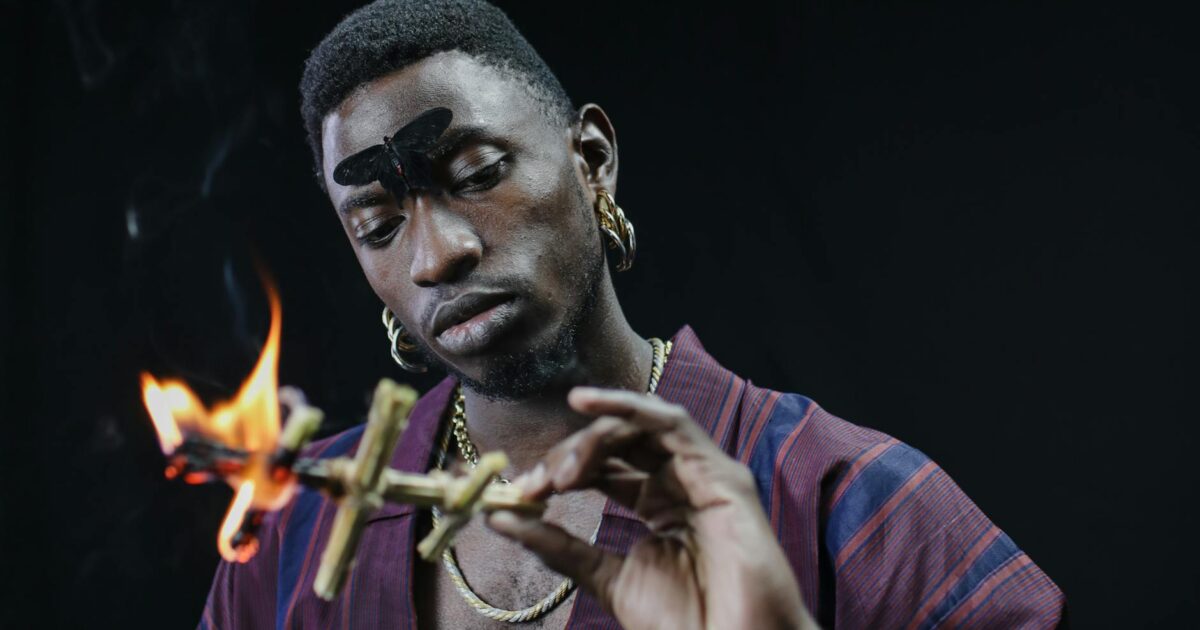
When you hear the terms ‘hoodoo’ and ‘voodoo,’ what comes to mind? For many, they conjure images of Hollywood-esque rituals, dancing figures, and perhaps a bit of fear. It’s easy to lump them together, but in reality, hoodoo vs voodoo represent distinct spiritual traditions, though they do share some fascinating common ground. Understanding their differences is key to appreciating their rich histories and the communities they serve.
Last updated: April 26, 2026 (Source: pewresearch.org)
The confusion between hoodoo and voodoo is one of the most common encountered when discussing spiritual practices. People often assume they are interchangeable, but this couldn’t be further from the truth. Let’s dive deep into the hoodoo vs voodoo debate and clarify what makes each unique.
The primary reason for this confusion? Both traditions have roots in West African spiritual practices brought to the Americas by enslaved people. However, their development, geographical spread, and specific beliefs diverged significantly over time.
Latest Update (April 2026)
As of April 2026, academic and spiritual communities are increasingly emphasizing the distinction between these traditions, pushing back against sensationalized media portrayals. Recent scholarship, as highlighted by institutions like the Smithsonian, continues to explore the resilience and adaptation of African spiritual systems in the Americas. Furthermore, online platforms and forums dedicated to spiritual practices in 2026 see a growing interest in authentic Vodou and Hoodoo, with practitioners and scholars actively working to preserve and educate the public about their distinct origins and practices. This renewed focus aims to combat misinformation and promote a deeper, more respectful understanding of these complex traditions.
According to Pew Research Center’s latest available data from 2025, the number of individuals identifying with African diasporic religions, including Vodou and related practices, shows a steady, albeit sometimes difficult to quantify, presence globally. The research indicates a significant resurgence in interest among younger generations seeking spiritual connections rooted in ancestral heritage. This trend suggests a growing appreciation for the historical and cultural significance of traditions like Vodou and Hoodoo, moving beyond superficial or stereotypical interpretations.
Introduction: The Common Misconception
The terms ‘hoodoo’ and ‘voodoo’ are often used interchangeably in popular culture, leading to widespread misunderstanding. This conflation stems from a shared origin in the spiritual traditions of enslaved West Africans brought to the Americas. However, despite their common ancestral roots, hoodoo and voodoo evolved into distinct practices with unique theological frameworks, rituals, and cultural expressions. This article aims to unpack the intricate differences between hoodoo and voodoo, providing clarity and fostering a more informed appreciation of each tradition.
Hoodoo vs Voodoo: Unpacking Their Roots
To truly grasp hoodoo vs voodoo, we need to look at their origins. Both emerged from the forced migration of people from West and Central Africa to the Americas during the transatlantic slave trade. These individuals brought with them a wealth of spiritual knowledge, including traditional cosmologies, healing practices, and ancestor veneration.
Hoodoo, also known as ‘Low Medicine’ or ‘Conjure,’ is primarily an African American folk magic system. It developed in the Southern United States, particularly in the Mississippi Delta region. Hoodoo is a syncretic practice, meaning it blended elements from various African spiritual traditions with Native American folkways and some aspects of European folk magic and Christianity. It’s highly adaptable and often personalized, focusing on practical spiritual work and magical applications.
Voodoo (or Vodou, Vodun) is a more structured religion that also has West African roots, particularly from the Fon and Ewe peoples of present-day Benin and Togo. When enslaved Africans were brought to the Caribbean, especially Haiti, their traditional religions merged with elements of Roman Catholicism, imposed by French colonizers. This syncretism resulted in Haitian Vodou, which is a distinct religion with its own pantheon of spirits (Lwa), rituals, and a hierarchical priesthood. While other forms of Vodun exist in West Africa and are practiced in other parts of the diaspora, Haitian Vodou is the most widely recognized form when the term ‘Voodoo’ is used in a religious context.
Important: While both traditions were born from the crucible of slavery and oppression, and both involve interaction with the spiritual world, equating them overlooks their unique theological frameworks and cultural expressions. As of April 2026, scholars and practitioners continue to stress the importance of recognizing these distinctions to honor the integrity of each tradition.
Is Hoodoo a Religion? Is Voodoo a Religion?
This is a crucial point in understanding hoodoo vs voodoo. Hoodoo is generally considered a spiritual practice or folk magic system, not a formal religion with established dogma or a central church. It focuses on practical applications – healing, protection, prosperity, and sometimes cursing – through the use of herbs, roots, spells, and spiritual work. While practitioners may have deep spiritual beliefs and reverence for ancestors and spirits, it doesn’t typically involve organized congregational worship in the same way a religion does. Its decentralized nature allows for immense personal variation.
Voodoo, on the other hand, is a recognized religion. Haitian Vodou, for instance, has a complex theological system, a pantheon of spirits known as Lwa (each with specific characteristics and domains), a priesthood (Houngan for men, Mambo for women), and communal ceremonies. It involves direct communication with the Lwa, often through spirit possession during trance states, and veneration of ancestors (Gede). The religion is structured around temples (Hounfour) and communal participation, with initiation rites being central to becoming a recognized member and priest.
The term ‘Voodoo’ itself has been heavily sensationalized and often misrepresented in Western media. Authentic Vodou is a legitimate faith system with a rich cultural heritage, recognized by international bodies and studied by religious scholars. As of April 2026, efforts continue to educate the public about the true nature of Vodou, distinguishing it from its often-negative popular depictions.
Key Practices: What Do They Actually Do?
When we compare hoodoo vs voodoo practices, we see both overlap and divergence. Both often involve:
- Working with spirits or spiritual forces.
- Using natural elements like herbs, roots, and stones.
- Performing rituals and spells for specific outcomes.
- Ancestor veneration.
- Divination methods.
However, the specifics differ:
Hoodoo Practices
Hoodoo practices often include:
- Rootwork: Using plant roots for magical purposes, often incorporated into mojo bags (gris-gris bags) for personal spiritual empowerment.
- Spellcasting: Creating and casting spells for love, money, protection, success, or to influence others. These are often highly personalized.
- Candle magic: Utilizing colored candles dressed with specific oils and herbs, inscribed with intentions, and burned during rituals.
- Herbalism: Employing plants and their properties for both medicinal and magical purposes, drawing on extensive botanical knowledge.
- Prayer and Psalms: Incorporating biblical verses, prayers, and sometimes specific Psalms into spells and rituals for divine intervention or protection.
- Working with the Dead: Communicating with ancestors and spirits of the departed, seeking their guidance or assistance.
- Object Magic: Creating enchanted objects, such as the aforementioned mojo bags, or using talismans and amulets.
Voodoo Practices (Haitian Vodou)
Voodoo practices, specifically within Haitian Vodou, often include:
- Ceremonies (Kanzo): Rites of passage and initiation into the religion, involving complex rituals and spiritual preparation.
- Serving the Lwa: Making offerings (e.g., food, drink, symbolic items) and performing rituals to appease, honor, and gain favor from specific Lwa.
- Spirit Possession: Allowing Lwa to ‘mount’ or possess initiates during ceremonies to communicate directly with the community, offering guidance or blessings.
- Altar Work: Maintaining symbolic representations and altars for different Lwa, often adorned with specific colors, objects, and symbols.
- Sacrifice: Animal sacrifice (e.g., chickens, goats, bulls) is sometimes performed in specific, significant rituals to honor the Lwa or for atonement.
- Priesthood: Led by ordained priests (Houngan) and priestesses (Mambo), who guide the community and officiate ceremonies.
- Community Worship: Emphasis on communal participation and shared spiritual experience within the Hounfour (temple).
Spiritual Hierarchy and Beliefs
The structure of spiritual belief and hierarchy also distinguishes hoodoo vs voodoo.
Hoodoo Beliefs
Hoodoo’s spiritual framework is often described as animistic and polycentric. Beliefs can vary widely among practitioners, but common elements include:
- The Great Spirit: Often recognized as the ultimate creator, though not always directly interacted with.
- Spirits: Including ancestors, nature spirits, and other disembodied entities that can be invoked or communicated with.
- Ancestors: Highly revered and often considered intermediaries, capable of offering guidance and protection.
- Personal Power: Emphasis on the practitioner’s ability to harness spiritual energy and direct it through intention and action.
- Christianity: Many Hoodoo practitioners incorporate elements of Christian faith, including prayers, Bible verses, and a belief in God, viewing these as compatible with their folk magic practices.
There is no central religious authority or dogma in Hoodoo. Practitioners often learn through oral tradition, personal experience, and mentorship, leading to a diverse array of approaches and interpretations.
Voodoo Beliefs (Haitian Vodou)
Haitian Vodou possesses a more defined spiritual hierarchy and cosmology:
- Bondye: The supreme, distant creator God, analogous to the Christian God.
- Lwa: A pantheon of spirits that serve as intermediaries between humans and Bondye. Each Lwa has a distinct personality, domain, symbolism, and preferred offerings. Examples include Papa Legba (guardian of the crossroads), Erzulie Freda (spirit of love and beauty), and Ogou (spirit of iron and war).
- Ancestors (Gede): Also venerated and can be invoked, often associated with the spirit of death and the underworld.
- Initiation: A structured system of initiation is required to become a priest or priestess (Houngan/Mambo) and to fully participate in certain rites.
- Community Structure: Organized around temples (Hounfour) led by priests and priestesses, with distinct roles for initiates and congregants.
The beliefs and practices of Vodou are passed down through a structured tradition, with initiation and ongoing participation essential for understanding and engagement.
Geographical Spread and Cultural Influence
The geographical origins and subsequent spread of hoodoo and voodoo have shaped their distinct identities.
Hoodoo’s Reach
Hoodoo’s development is intrinsically linked to the African American experience in the Southern United States. Its primary geographical centers include the Mississippi Delta, the Carolinas, and other areas with significant populations of enslaved Africans. While it remains a vital part of African American folk culture, its practices have also spread through migration to urban centers across the United States and even internationally, particularly in communities with a strong African American diaspora presence.
Voodoo’s Presence
Haitian Vodou, as a religion, has a concentrated presence in Haiti, where it is a significant cultural and spiritual force, practiced by a substantial portion of the population. It also has significant communities in other Caribbean nations like Cuba (where it is known as Santería, though distinct) and the Dominican Republic, as well as in diaspora communities in North America, particularly in cities like New York and Montreal. West African Vodun traditions continue to thrive in their regions of origin, such as Benin and Togo, and are also practiced in diaspora communities.
Common Mistakes When Discussing Hoodoo vs Voodoo
Misunderstandings between hoodoo and voodoo are common, often fueled by misinformation. Here are some frequent errors:
- Equating them: The most common mistake is treating hoodoo and voodoo as the same practice.
- Stereotyping: Relying on Hollywood or sensationalized media depictions, which often portray these traditions as evil, primitive, or solely focused on curses and hexes. This ignores their healing, protective, and community-building aspects.
- Confusing Vodou with other Afro-Caribbean religions: While related, Haitian Vodou, Santería (Cuba), Candomblé (Brazil), and Obeah (Caribbean) are distinct traditions with their own unique pantheons, rituals, and histories.
- Ignoring the religious aspect of Vodou: Presenting Vodou solely as ‘magic’ or ‘witchcraft’ dismisses its status as a legitimate, organized religion with a rich theological system.
- Misinterpreting Hoodoo as solely ‘black magic’: Hoodoo is a folk magic system used for a wide range of purposes, both beneficial and detrimental, and is not inherently ‘dark’ or ‘evil.’
As of April 2026, ongoing efforts by cultural institutions and practitioners aim to correct these misconceptions and promote a more accurate understanding.
Frequently Asked Questions
What is the primary difference between Hoodoo and Voodoo?
The primary difference is that Hoodoo is an African American folk magic system focused on practical spiritual work, while Voodoo (specifically Haitian Vodou) is a religion with a structured theology, pantheon of spirits (Lwa), and organized priesthood. Hoodoo is not typically considered a religion, whereas Vodou is.
Are Hoodoo and Voodoo related?
Yes, they are related in that both traditions have roots in West African spiritual practices brought to the Americas by enslaved Africans. Both involve interaction with the spiritual world, ancestor veneration, and the use of natural elements. However, they developed independently in different geographical and cultural contexts, leading to their distinct characteristics.
Is Voodoo a form of devil worship?
No, Voodoo is not devil worship. It is a complex religion that reveres a supreme creator God (Bondye) and a pantheon of spirits called Lwa. The sensationalized portrayal of Voodoo in Western media has often erroneously linked it to demonic practices, which is a misrepresentation of the faith.
Can anyone practice Hoodoo?
Hoodoo is a folk magic system that can be learned and practiced by individuals interested in its principles and methods. While some traditions and lineages may have specific ways of passing down knowledge, it is generally more accessible than the initiatory religious structure of Vodou. However, respectful study and practice are essential.
What are ‘Lwa’ in Voodoo?
In Haitian Vodou, Lwa are spirits that serve as intermediaries between humans and the supreme creator God, Bondye. Each Lwa has unique characteristics, symbols, songs, dances, and domains of influence. They are honored and served through rituals, offerings, and ceremonies, and can possess practitioners during trance states to communicate with the community.
Conclusion
While the terms ‘hoodoo’ and ‘voodoo’ are often confused, understanding their distinct origins, structures, and practices reveals two rich and complex traditions. Hoodoo stands as a testament to the adaptability of African American folk magic, offering practical spiritual solutions and personal empowerment. Voodoo, particularly Haitian Vodou, represents a vibrant and structured religion, deeply interwoven with the cultural and spiritual fabric of Haiti and its diaspora. Recognizing the differences between hoodoo vs voodoo is not just an academic exercise; it is an act of respect towards the enduring legacy and integrity of these profound spiritual paths as they continue to evolve and be practiced in 2026 and beyond.
Sabrina
2 writes for OrevateAi with a focus on agriculture, ai ethics, ai news, ai tools, apparel & fashion. Articles are reviewed before publication for accuracy.


