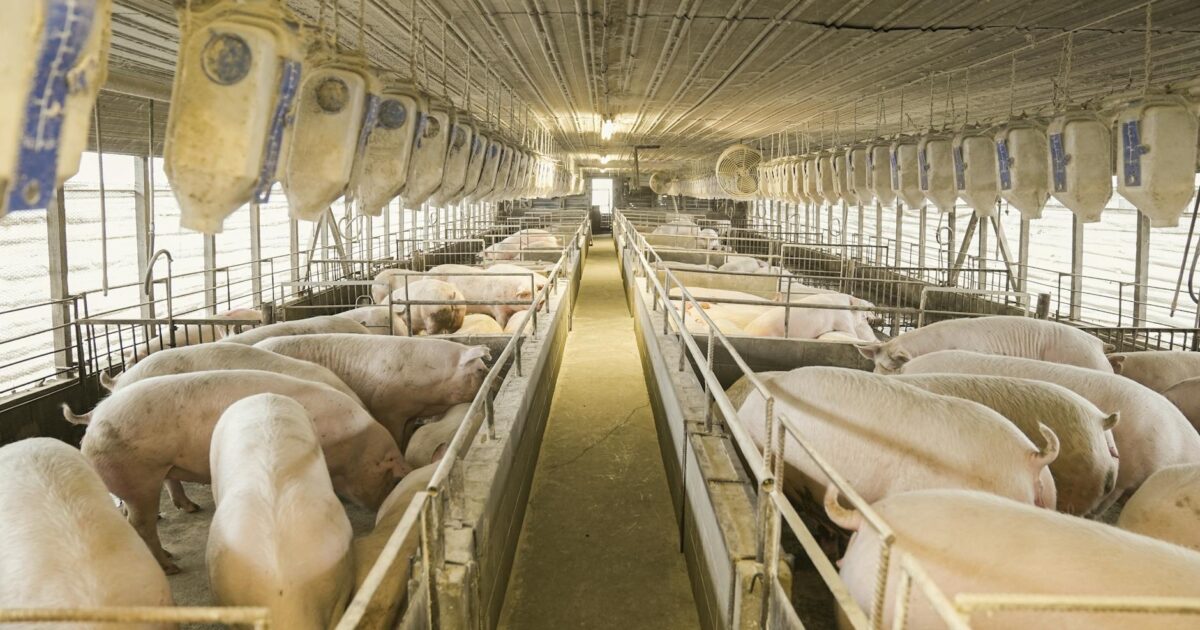
When you’re managing livestock, especially hogs, containment is key. It’s not just about keeping your animals safe; it’s about efficient management, protecting your crops, and ensuring the well-being of your herd. This is where hog panels come into play. They are a cornerstone of practical, reliable animal enclosures. I’ve seen firsthand how the right panels can transform operations, making daily tasks smoother and reducing stress for both the animals and the farmer.
But what exactly are hog panels, and how do you choose the best ones for your needs? We’ll cover that and much more. Whether you need a temporary setup for pasture rotation or a more permanent solution for a farrowing pen, understanding your options is crucial.
Table of Contents
- What Exactly Are Hog Panels?
- Why Invest in Quality Hog Panels?
- Exploring Different Types of Hog Panels
- Key Features to Consider When Buying Hog Panels
- Setting Up Your Hog Panel Enclosure: Practical Tips
- Hog Panels vs. Other Fencing Options
- Frequently Asked Questions About Hog Panels
- Conclusion: Secure Your Livestock with the Right Panels
What Exactly Are Hog Panels?
At their core, hog panels are strong, typically rectangular, sections of fencing designed for containing livestock, particularly pigs. They are usually made from heavy-gauge steel wire, often welded together at intersections for maximum durability. The panels come in various heights and lengths, offering flexibility for different enclosure sizes and animal weights. You’ll commonly find them with a galvanized coating to resist rust and corrosion, which is a huge plus for longevity in outdoor environments.
Think of them as modular building blocks for your animal housing. You can connect them end-to-end using pins or clamps to create custom pens, corrals, or even larger pasture enclosures. Their robust construction means they can withstand the pushing and leaning that livestock, especially determined hogs, are known for.
Why Invest in Quality Hog Panels?
Investing in good hog panels isn’t just about buying fencing; it’s about investing in the safety and efficiency of your operation. When I first started out, I tried to cut corners on fencing, and it cost me more in the long run. Animals escaped, repairs were constant, and the stress was immense.
Here’s why quality hog panels are a smart choice:
- Security: They provide reliable containment, minimizing the risk of escapes. This protects your animals from predators and prevents them from damaging property or crops.
- Durability: Built to withstand harsh weather and the physical demands of livestock, they last for years.
- Versatility: Easily configurable to create various pen sizes and shapes, adapting to your changing needs.
- Ease of Use: Many systems are designed for quick setup and takedown, making them ideal for temporary solutions like rotational grazing.
- Animal Welfare: Secure enclosures reduce stress on animals, contributing to better health and growth.
Exploring Different Types of Hog Panels
The world of hog panels isn’t one-size-fits-all. Different designs cater to specific needs and environments. Understanding these variations will help you pick the right solution.
Welded Wire Hog Panels
These are perhaps the most common type. Strong steel wires are welded together at each intersection, creating a very rigid and durable grid. They are excellent for containing strong animals like hogs. The spacing of the wires is usually closer at the bottom to prevent smaller pigs from escaping.
Galvanized Hog Panels
Most quality hog panels are galvanized, meaning they have a protective zinc coating applied. This process significantly enhances their resistance to rust and corrosion, making them ideal for outdoor use where they’ll be exposed to moisture, mud, and manure. Look for hot-dip galvanization for the best protection.
Corral Panels
While ‘hog panels’ is specific, the term ‘corral panels’ is often used interchangeably. These can also include panels made from pipe frames with wire mesh or bars. Pipe corral panels are exceptionally strong and often used for larger livestock, but heavy-duty welded wire panels are specifically designed for the strength and behavior of pigs.
Portable Hog Pens
These are typically lighter-weight, often modular systems designed for easy assembly, disassembly, and transport. They are perfect for temporary setups, moving animals between pastures, or creating smaller holding pens. They might use a different connection system than permanent panels.
Key Features to Consider When Buying Hog Panels
Selecting the right hog panels involves looking beyond just the basic description. Several features significantly impact their performance and longevity.
Wire Gauge
This refers to the thickness of the steel wire. A lower gauge number indicates a thicker, stronger wire. For adult hogs, a lower gauge (e.g., 4, 6, or 8) is essential for durability. Thinner wires might suffice for piglets but won’t stand up to mature animals.
Panel Dimensions
Panels come in various heights (typically 3 to 5 feet) and lengths (often 8 to 16 feet). Choose a height that prevents your hogs from jumping over and a length that suits the size of the enclosure you need. Longer panels mean fewer connections, which can be more efficient.
Weld Quality
The strength of the welds where wires intersect is critical. High-quality, clean welds ensure the panel won’t buckle or break under pressure. Look for smooth, consistent welds without gaps or weak points.
Galvanization Quality
As mentioned, galvanization protects against rust. Hot-dip galvanization offers superior protection compared to electro-galvanization. Check for a uniform coating without bare spots.
Connection System
How will you connect the panels? Common methods include connecting pins that slide through holes, bolt systems, or specialized clamps. Ensure the connection method is secure, easy to use, and compatible with your specific panel type.
Setting Up Your Hog Panel Enclosure: Practical Tips
Once you have your panels, setting up a secure and effective enclosure is the next step. It’s not just about connecting them; it’s about smart placement and reinforcement.
- Choose Your Location Wisely: Select a well-drained area, ideally with some natural shelter from extreme sun or wind. Ensure the ground is relatively level.
- Plan Your Layout: Sketch out the shape and size of your pen. Consider how you’ll access it for feeding, watering, and moving animals. A gate panel is a valuable addition.
- Prepare the Ground: Clear any sharp objects or debris. For more permanent setups, you might consider setting corner posts in concrete for added stability.
- Connect the Panels: Use your chosen connection system. Ensure each connection is tight and secure. For added strength, especially in corners or high-pressure areas, you can use extra clamps or bracing.
- Check for Gaps: Walk around the entire perimeter, both inside and out. Look for any potential escape routes, especially at the bottom where smaller animals might squeeze through. You can use smaller mesh or extra wire to block any gaps.
- Add Accessories: Position feeders and waterers strategically within the pen. Ensure they are accessible without compromising the structural integrity of the panels.
The U.S. Department of Agriculture (USDA) emphasizes the importance of secure containment in livestock operations to prevent disease spread and ensure animal welfare, with robust fencing being a primary component. (Source: USDA Animal and Plant Health Inspection Service)
Hog Panels vs. Other Fencing Options
How do hog panels stack up against other fencing methods? It’s a common question for anyone setting up a new enclosure.
| Feature | Hog Panels (Welded Wire) | Electric Fencing | Barbed Wire Fencing |
|---|---|---|---|
| Strength & Durability | Very High | Moderate (depends on voltage/spacing) | Moderate |
| Containment Reliability | Excellent | Good (if maintained) | Fair (can be breached) |
| Setup Speed | Fast (modular) | Moderate | Moderate |
| Cost (Initial) | Moderate to High | Low to Moderate | Low |
| Animal Welfare Concerns | Low | Potential for stress/injury if animals run into it | Potential for injury (cuts) |
| Versatility | High (portable/permanent) | High (temporary/permanent) | Moderate (permanent) |
While electric fencing can be effective and cost-efficient for some livestock, it requires constant monitoring and can be less reliable for determined animals like hogs, especially if they are conditioned to push through. Barbed wire is inexpensive but poses a significant risk of injury to both animals and handlers, and it’s often not sufficient for containing pigs. For reliable, secure, and relatively easy-to-manage containment of hogs, welded wire hog panels are generally the superior choice.
Frequently Asked Questions About Hog Panels
What is the best type of hog panel for adult pigs?
For adult pigs, the best hog panels are typically heavy-duty, welded wire panels with a lower gauge wire (4-gauge or thicker) and a robust galvanization. Ensure the wire spacing is appropriate to prevent escape, especially at the bottom. Look for panels specifically rated for livestock containment.
How do I connect hog panels securely?
Hog panels are usually connected using specialized pins, bolts, or clamps that pass through the vertical wires at the ends of each panel. Ensure these connections are tight and secure. For extra stability, especially at corners, consider using additional heavy-duty clamps or bracing hardware.
Can I use hog panels for other livestock?
Yes, hog panels are versatile and can be used for other livestock like sheep, goats, calves, or even dogs, provided the wire spacing is suitable for the animal size. Their strength makes them a good option for many farm animals needing secure enclosures.
How tall should hog panels be?
For adult hogs, panels should generally be at least 4 to 5 feet tall to prevent them from easily jumping over. The exact height can depend on the breed and temperament of your pigs. Always err on the side of caution and choose a height that provides ample security.
Where can I buy hog panels?
Hog panels are widely available from agricultural supply stores, farm equipment dealers, and many online retailers specializing in livestock equipment and fencing. Major farm supply chains and specialized online stores are good places to start your search.
Conclusion: Secure Your Livestock with the Right Panels
Choosing the right hog panels is a fundamental step in successful livestock management. They offer a blend of strength, durability, and flexibility that is hard to match with other fencing solutions. By considering the wire gauge, galvanization quality, panel dimensions, and connection systems, you can build secure, reliable enclosures that protect your animals and simplify your daily tasks.
Don’t underestimate the impact that quality containment has on animal welfare and operational efficiency. Investing in robust hog panels is an investment in peace of mind and a more effective farming operation. Start planning your enclosure today!



Sabrina
Expert contributor to OrevateAI. Specialises in making complex AI concepts clear and accessible.