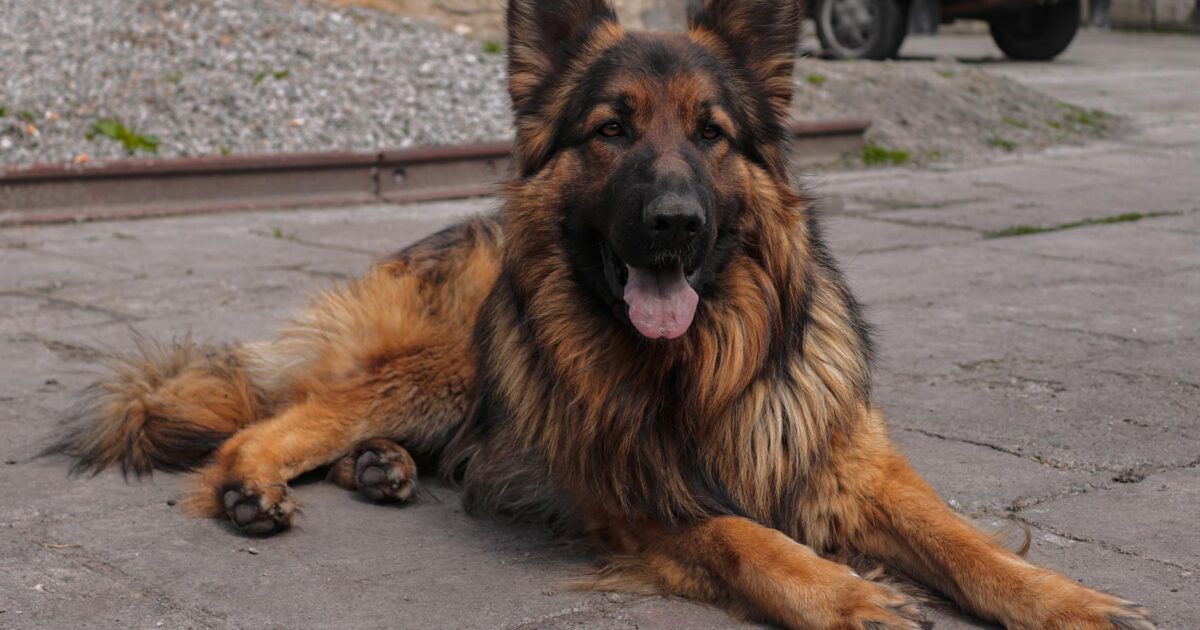
So, you’re thinking about bringing a German Shepherd mix into your life? Smart move! These dogs are often a fantastic blend of the intelligence, loyalty, and protective nature of the German Shepherd, combined with the unique characteristics of their other parent breed. They’re not just any dog; they’re a unique personality waiting to unfold. I’ve spent years working with various breeds, and the German Shepherd mixes I’ve encountered always stand out for their adaptability and devotion.
The appeal of a German Shepherd mix lies in their potential for well-rounded temperaments and fewer breed-specific health issues, though this isn’t always guaranteed. Each mix is an adventure, a delightful surprise package of traits. If you’re looking for a canine companion that’s both a protector and a playful family member, you’ve come to the right place. Let’s explore what makes these mixed breeds so special and how to best care for them.
Table of Contents
Popular German Shepherd Mixes: What to Expect
Temperament and Personality of a German Shepherd Mix
Training and Socialization for Your Mix
Health and Nutrition Considerations
Finding Your Perfect German Shepherd Mix
Popular German Shepherd Mixes: What to Expect
The German Shepherd’s intelligence and trainability make them a popular choice for crossbreeding. When you mix a German Shepherd with another breed, you get a fascinating combination of traits. Here are a few popular examples:
- Shpherd (Shepherd-Poodle Mix): Often highly intelligent and trainable, with a coat that can range from wavy to curly, potentially offering lower shedding. They inherit the Shepherd’s loyalty and the Poodle’s smarts.
- Golden Shepherd (German Shepherd-Golden Retriever Mix): Expect a friendly, intelligent, and devoted dog. This mix often combines the Golden Retriever’s eager-to-please nature with the Shepherd’s protective instincts, making for a wonderful family pet.
- German Chow (German Shepherd-Chow Chow Mix): This mix can be more independent and aloof than a purebred German Shepherd, with a strong protective streak. They require early and consistent socialization.
- Shepsky (German Shepherd-Husky Mix): Known for their striking looks and high energy levels. This mix is intelligent but can be stubborn, requiring experienced handling and plenty of exercise.
- Cerman (German Shepherd-Corgi Mix): A unique combination resulting in a dog with the intelligence and spirit of a Shepherd but in a shorter, sturdier body. They can be surprisingly agile and alert.
Each crossbreed is a unique individual, and not all dogs within a mix will exhibit the same traits. Genetics play a significant role!
Temperament and Personality of a German Shepherd Mix
German Shepherd mixes typically inherit a strong sense of loyalty and a desire to protect their family. They are often highly intelligent, which means they can learn commands quickly, but also means they need mental stimulation to prevent boredom and potential destructive behaviors. Many mixes are eager to please their owners, making them responsive to training.
However, the temperament can vary greatly depending on the other parent breed. For instance, a mix with a more laid-back breed might be calmer than a purebred German Shepherd, while a mix with another high-energy breed will likely require a very active lifestyle. Early socialization is key to ensuring your German Shepherd mix grows into a well-adjusted adult dog, comfortable around new people and other animals.
Training and Socialization for Your Mix
Training a German Shepherd mix is often rewarding due to their intelligence. Start training and socialization as early as possible, ideally when they are puppies. Positive reinforcement methods work best – think treats, praise, and play. Consistency is your best friend here. Short, engaging training sessions will keep your dog interested.
Socialization means exposing your puppy to a wide variety of sights, sounds, people, and other well-behaved dogs in a positive and controlled manner. This helps them develop into confident, well-behaved adults. Without proper socialization, even the most well-bred German Shepherd mix can become fearful or reactive. I recommend enrolling in puppy classes as soon as your vet gives the OK. It’s a fantastic way to socialize them while learning basic obedience.
A common mistake people make is assuming their dog will just ‘grow out’ of certain behaviors, like jumping or excessive barking. For a smart breed like the German Shepherd mix, consistent training and clear boundaries from day one are essential. They thrive on structure.
Health and Nutrition Considerations
Mixed breeds can sometimes benefit from ‘hybrid vigor,’ meaning they may have fewer inherited health problems than their purebred parents. However, German Shepherd mixes can still be prone to certain conditions. These often include hip and elbow dysplasia, bloat (gastric dilatation-volvulus), and certain eye conditions, depending on the parent breeds.
The average lifespan for a German Shepherd mix can range from 9 to 13 years, but this is influenced by genetics, diet, exercise, and overall health care. (Source: American Kennel Club, general breed knowledge)
Providing a high-quality diet appropriate for their age, size, and activity level is crucial. Consult your veterinarian about the best food options. Regular vet check-ups are essential for early detection and management of any potential health issues. Don’t overlook dental care, either; it’s vital for overall health.
Grooming and Exercise Needs
Grooming needs for a German Shepherd mix will largely depend on their coat type. Many have a double coat similar to the German Shepherd, which means they will shed, especially seasonally. Regular brushing, perhaps 2-3 times a week, will help manage shedding and keep their coat healthy. Baths should be given as needed, not too frequently, to avoid stripping natural oils.
Exercise is non-negotiable for most German Shepherd mixes. They typically have high energy levels inherited from the German Shepherd parent. Daily walks, playtime in a securely fenced yard, and engaging activities like fetch or puzzle toys are important. Mental stimulation is just as vital as physical exercise. Consider activities like agility training or scent work to keep their intelligent minds occupied.
A common misconception is that a mix with a shorter-legged breed, like a Corgi, will have significantly lower exercise needs. While they might not need miles of running, their intelligence and Shepherd heritage still demand significant mental and moderate physical engagement. Always observe your dog’s energy levels and adjust accordingly.
Finding Your Perfect German Shepherd Mix
When looking to adopt a German Shepherd mix, consider visiting local animal shelters and rescue organizations. Many wonderful mixed-breed dogs are waiting for loving homes. If you’re set on a specific mix, look for reputable breeders who prioritize health and temperament testing of their parent dogs.
Be wary of breeders who cannot provide health clearances for the parent dogs or who seem more interested in making a sale than ensuring a good match for their puppies. A responsible breeder will be happy to answer your questions and allow you to meet the parent dogs. You can also find great resources through breed-specific rescue groups that sometimes have mixed breeds available.
Frequently Asked Questions
Are German Shepherd mixes good family dogs?
Yes, German Shepherd mixes can make excellent family dogs. Their loyalty and protective nature make them devoted companions. However, early socialization and consistent training are crucial to ensure they are well-adjusted around children and other pets, especially given the breed’s potential for high energy and protective instincts.
How much exercise does a German Shepherd mix need?
Most German Shepherd mixes require significant daily exercise due to their intelligence and energy levels. This typically includes at least one to two hours of physical activity per day, such as brisk walks, running, playing fetch, and engaging in mentally stimulating activities like puzzle toys or training games.
What is the average lifespan of a German Shepherd mix?
The average lifespan for a German Shepherd mix generally falls between 9 and 13 years. This range can be influenced by various factors including genetics, diet, exercise, the specific breeds involved in the mix, and the quality of overall veterinary care they receive throughout their lives.
Are German Shepherd mixes prone to health problems?
While mixed breeds can sometimes benefit from hybrid vigor, German Shepherd mixes can still be susceptible to certain health issues. Common concerns include hip and elbow dysplasia, bloat, and specific eye conditions, depending on the genetic predispositions inherited from both parent breeds.
How trainable is a German Shepherd mix?
German Shepherd mixes are typically highly trainable due to the breed’s renowned intelligence and eagerness to please. They respond well to positive reinforcement methods. Consistent training, early socialization, and mental stimulation are key to channeling their intelligence effectively and preventing behavioral issues.
Conclusion
Bringing a German Shepherd mix into your home is a commitment to a loyal, intelligent, and often protective companion. By understanding the potential traits, dedicating time to training and socialization, and providing proper health care and exercise, you can ensure your mixed-breed dog thrives. Whether you’re drawn to the striking Shepsky or the family-friendly Golden Shepherd, each mix offers a unique bond. I’ve found that these dogs, with their blend of intelligence and devotion, truly enrich the lives of their families. Ready to welcome your new best friend?



Sabrina
Expert contributor to OrevateAI. Specialises in making complex AI concepts clear and accessible.