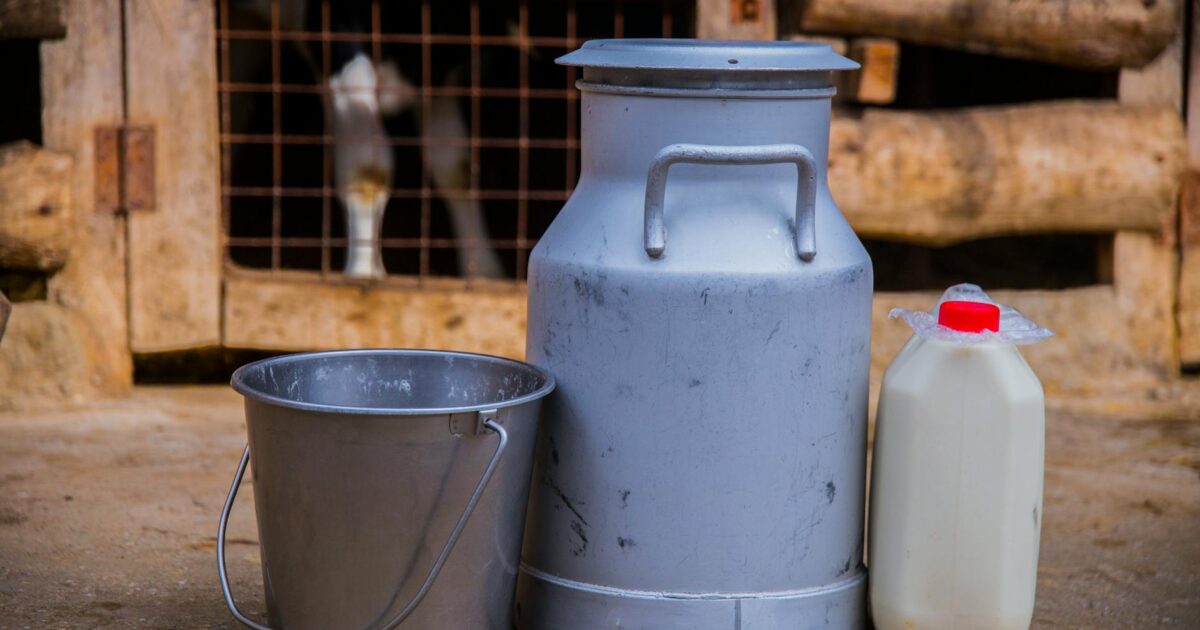
That familiar plastic jug or cardboard carton holding a gallon of milk is a cornerstone of kitchens everywhere. From morning cereal to baking recipes, it’s hard to imagine life without it. But how much do we really know about this everyday essential? I’ve spent years navigating grocery store aisles and experimenting with food storage, and I’ve learned that a little knowledge goes a long way in ensuring your milk stays fresh and safe.
This isn’t just about grabbing the first carton you see. Understanding the nuances of milk—from its production to its storage—can save you money, reduce waste, and prevent those disappointing moments when you discover your milk has gone sour before its time.
We’ll explore how to make informed purchasing decisions, the best practices for keeping your milk cold and fresh, and even touch on the different types of milk you might find when you’re looking for that perfect gallon.
Here’s what we’ll cover:
Making the Smart Purchase: Buying Your Gallon of Milk
When you reach for a gallon of milk at the grocery store, you’re likely focused on the expiration date. That’s a crucial first step, but there’s more to consider. The location of the milk in the refrigerated display case matters. Always opt for milk stored at the very back of the shelf, not the front. Why? Because the back is consistently the coldest part of the refrigerated unit, ensuring the milk has been kept at an optimal temperature since stocking.
I learned this trick early on when I worked part-time in a small grocery store. We’d constantly rotate stock, but the back was always the safest bet for maximum freshness. Think of it as the milk’s personal chill zone, shielded from the frequent door openings that affect the front-facing products.
Also, take a moment to inspect the container. For plastic jugs, ensure there are no signs of leakage or damage. For cardboard cartons, check that the seals are intact and there are no dents or signs of tampering. A quick visual inspection can save you from a spoiled surprise later.
The Cold Truth: Storing Your Gallon of Milk
Once you’ve brought your gallon of milk home, immediate and proper refrigeration is key. The ideal temperature for your refrigerator is between 35°F and 38°F (1.7°C and 3.3°C). However, a common mistake people make is storing milk in the refrigerator door. The door is the warmest part of the fridge and experiences the most temperature fluctuations every time it’s opened. This constant warming and cooling can significantly shorten the milk’s shelf life and promote bacterial growth.
Instead, place your gallon of milk on a shelf in the main body of the refrigerator, preferably on a middle or lower shelf. This area maintains a more consistent, colder temperature. I’ve found that dedicating a specific spot on a shelf, away from the door, makes it a habit and ensures I always grab it from the right place. If you have a thermometer, check your fridge’s temperature regularly to ensure it’s within the safe zone.
Another tip: keep the milk container tightly sealed when not in use. Air exposure can lead to oxidation and can also allow other food odors to permeate the milk, affecting its taste. For plastic jugs, make sure the cap is screwed on firmly. For cartons, ensure the spout or opening is properly closed.
Decoding Expiration Dates on a Gallon of Milk
The dates printed on a gallon of milk can be confusing. You’ll typically see a “Sell-By” date, a “Best-By” date, or sometimes a “Use-By” date. Understanding what these mean is crucial for food safety and minimizing waste.
- Sell-By Date: This date tells the store how long to display the product for sale. It’s for inventory management, not a safety deadline for consumers. You can typically consume milk for several days past this date if properly stored.
- Best-By Date: This date indicates when the product is expected to have the best flavor or quality. It’s not an expiration date in the safety sense. Milk can still be perfectly good to drink for a week or more past its Best-By date.
- Use-By Date: This is generally the last recommended date for using the product. While it’s a good guideline, even milk past its Use-By date can be safe if it smells and looks okay.
The U.S. Department of Agriculture (USDA) recommends using your senses—smell, sight, and taste—to determine if milk is still good past these dates. If it smells sour, tastes off, or has a clumpy texture, it’s time to discard it, regardless of the printed date.
Beyond Whole Milk: Exploring Gallon Options
When you head to the dairy aisle, you’ll find more than just traditional cow’s milk in gallon sizes. The options have expanded significantly to cater to diverse dietary needs and preferences. For instance, you can commonly find:
- Whole Milk: Typically contains around 3.25% milkfat. It offers a rich flavor and creamy texture.
- 2% Milk (Reduced-Fat): Contains about 2% milkfat, offering a good balance of flavor and reduced fat.
- Skim Milk (Fat-Free): Contains less than 0.5% milkfat. It’s the lowest in fat and calories but can have a thinner consistency.
- Lactose-Free Milk: For those with lactose intolerance, this milk has the lactase enzyme added to break down lactose.
- Organic Milk: Produced from cows that are not treated with antibiotics or growth hormones, and are fed organic feed.
Beyond cow’s milk, many stores now offer plant-based alternatives in gallon jugs, such as almond milk, soy milk, oat milk, and coconut milk. While these are often found in the dairy or refrigerated beverage section, they are technically not milk. When choosing, consider your nutritional goals, taste preferences, and any allergies or intolerances.
Common Mistakes When Handling a Gallon of Milk
Beyond storing milk in the door, there are a few other common missteps people make with a gallon of milk. One is leaving it out on the counter for too long. Milk is a perishable food, and the “danger zone” for bacterial growth is between 40°F and 140°F (4.4°C and 60°C). Even 30 minutes in this temperature range can allow bacteria to multiply rapidly. Always return your milk to the refrigerator immediately after pouring.
Another mistake is not cleaning the milk jug’s opening. Over time, a sticky residue can build up around the spout or opening, which can be a breeding ground for bacteria. Wiping the opening with a clean, damp cloth periodically can help maintain hygiene. I make it a point to do this every few days, especially if the jug has been open for a while.
Finally, don’t assume all milk is the same. Different types of milk have different fat contents and nutritional profiles. Choosing the wrong type for your needs, like a high-fat milk when you’re trying to reduce calories, or vice-versa, can be a nutritional misstep. Always read the labels to ensure you’re getting the milk that best suits your dietary requirements.
Creative Uses for Your Gallon of Milk
While drinking milk straight from a glass or pouring it on cereal are classic uses for a gallon of milk, its versatility extends far beyond. In the kitchen, it’s a fundamental ingredient in countless recipes. Think creamy béchamel sauces for lasagna, rich custards, fluffy pancakes, and smooth ice cream.
When baking, milk adds moisture and helps activate leavening agents, contributing to a tender crumb in cakes and breads. Even if you have just a little bit left in the bottom of the jug that’s nearing its expiration, it can often be used in cooked dishes where the heat will kill any nascent bacteria and the flavor won’t be as critical.
Beyond culinary uses, milk can be surprisingly useful around the house. The lactic acid in milk can help soothe sunburned skin when applied topically (after cooling). It can also be used to polish certain types of furniture or even as a natural cleaner for some surfaces, though always test in an inconspicuous area first. For gardeners, diluted milk can sometimes be used as a natural fungicide on plants, though this is a more niche application.
According to the United States Department of Agriculture (USDA), milk is a nutrient-dense food that provides calcium, vitamin D, potassium, and protein. A single cup (about 8 fluid ounces) of whole milk contains approximately 150 calories and 8 grams of protein. (Source: USDA FoodData Central)
Frequently Asked Questions
Is it safe to drink milk a week past the expiration date?
It is often safe to drink milk a week past its “Best-By” date if it has been continuously refrigerated at the correct temperature. Use your senses: if it smells sour, tastes off, or has a clumpy texture, it is no longer safe to consume.
Why is milk stored in the back of the refrigerator?
Milk is stored in the back of the refrigerator because this area maintains the coldest and most consistent temperature. The refrigerator door is the warmest part and experiences frequent temperature fluctuations, which can accelerate spoilage and bacterial growth in milk.
What is the best way to store an open gallon of milk?
An open gallon of milk should be stored upright on a refrigerator shelf, not in the door. Ensure the cap or spout is tightly sealed to prevent air exposure and odor absorption. Maintaining a refrigerator temperature between 35-38°F is critical.
Can you freeze a gallon of milk?
Yes, you can freeze a gallon of milk. However, the texture and taste may change slightly upon thawing due to the separation of fat and water. It’s best to freeze milk in smaller portions if possible, and shake it well after thawing.
What does “sell by” mean on a milk jug?
The “Sell-By” date on a milk jug is a recommendation for the store, indicating the last day it should be offered for sale. It is not a safety expiration date for consumers. Milk is typically safe to consume for several days beyond the “Sell-By” date if properly refrigerated.
Final Thoughts on Your Gallon of Milk
Understanding the simple yet vital aspects of a gallon of milk—from smart purchasing and optimal storage to decoding dates and exploring options—empowers you to make better choices in your kitchen. By following these tips, you can extend its freshness, ensure its safety, and minimize waste. Remember, the back of the fridge is your friend, and your senses are your best guide when dates are unclear.
Ready to put this knowledge into practice? Next time you’re at the store, pay attention to where you grab your gallon of milk and make sure it lands in the coldest spot in your fridge. Your taste buds and your wallet will thank you.



Sabrina
Expert contributor to OrevateAI. Specialises in making complex AI concepts clear and accessible.