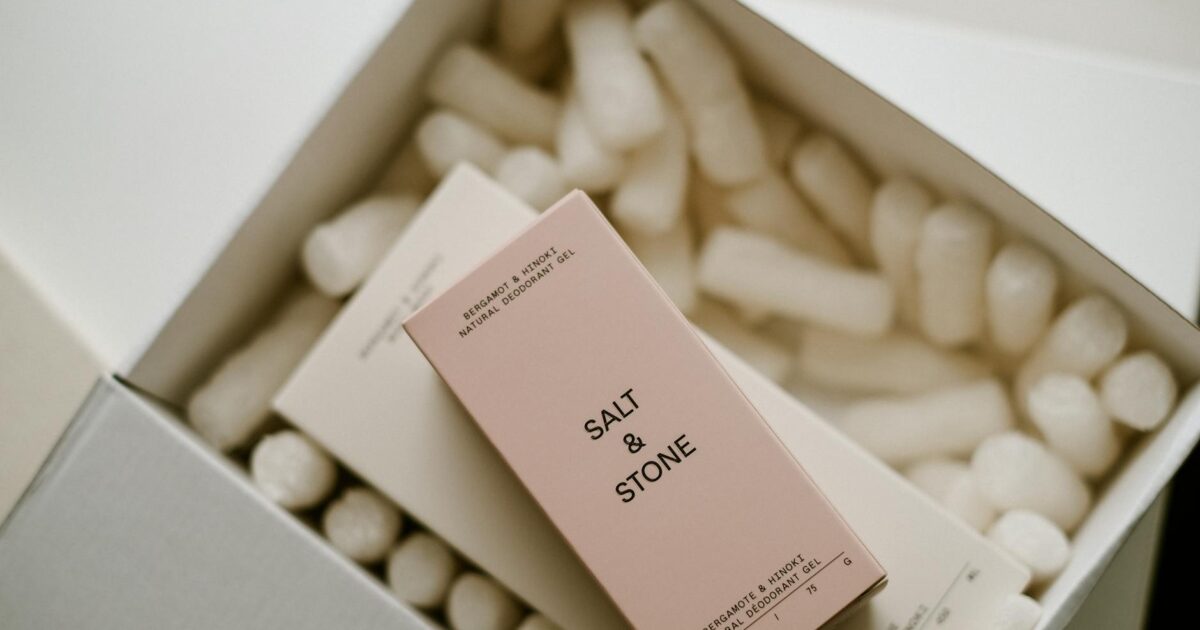
The quest for fresh, confident underarms often leads us down an aisle brimming with choices, and at the heart of this decision lies the classic comparison: deodorant vs antiperspirant. Many of us grab the nearest stick without a second thought, assuming all these products do essentially the same job. However, understanding the fundamental differences between deodorant vs antiperspirant is key to finding the right solution for your personal needs, whether you battle persistent odor or excessive wetness. It turns out, these two seemingly similar products tackle very distinct issues in our daily hygiene routines.
Latest Update (April 2026)
In 2026, the personal care market continues to innovate, offering consumers more choices than ever in the deodorant vs antiperspirant space. Recent reviews and dermatologists’ insights, as highlighted by sources like MSN and The Independent, emphasize the effectiveness of both traditional and natural formulations. For instance, dermatologists recently identified several supermarket deodorants that perform exceptionally well, while independent assessments pointed to the best natural, aluminum-free options that are kinder to the skin. As reported by Hindustan Times on April 25, 2026, effective body deodorants that keep you smelling fresh and sweat-free are particularly sought after as summer approaches. Health publications also continue to focus on preventing common issues like chafing, with creams and sticks that work offering solutions beyond just odor and sweat control, as noted by Health on April 21, 2026.
What Does Deodorant Do?
Deodorant, at its core, works by masking or neutralizing body odor. Our sweat itself is actually odorless, but when it interacts with bacteria living on our skin, particularly in warm, moist areas like the armpits, it creates that familiar scent we call body odor. Deodorants typically contain fragrances that cover up this smell, along with antimicrobial agents like alcohol that reduce the amount of odor-causing bacteria. Therefore, if your primary concern is preventing unpleasant smells but you don’t necessarily experience heavy sweating, a deodorant might be precisely what you need. It allows your body to sweat naturally while keeping you smelling fresh throughout the day.
What Does Antiperspirant Do?
On the other hand, antiperspirants serve an entirely different purpose: they actively reduce sweat. The main active ingredients in antiperspirants are aluminum-based compounds, such as aluminum chlorohydrate or aluminum zirconium. When applied, these compounds dissolve in the sweat and form temporary plugs in the sweat ducts near the surface of the skin. This blockage effectively signals to the sweat glands to stop producing sweat, or at least significantly reduce its output, for a period of time. Consequently, if you find yourself dealing with damp armpits or visible sweat marks on your clothing, an antiperspirant is designed to address that specific problem directly.
Deodorant vs. Antiperspirant: The Key Difference
The fundamental distinction, then, in the deodorant vs antiperspirant debate, boils down to odor control versus sweat control. Deodorants manage the smell, letting you perspire freely. Antiperspirants manage the perspiration itself, which in turn often reduces the potential for odor because there’s less sweat for bacteria to break down. Many products on the market today offer a combination of both benefits, providing both sweat reduction and odor protection, which is why the line can sometimes feel blurry for consumers. These combination products are incredibly popular for those who experience both issues.
Choosing the Right Product for You
Choosing between deodorant vs antiperspirant often comes down to individual physiology and personal preference. If you’re someone who experiences minimal sweating but struggles with body odor, a simple deodorant is likely sufficient. It allows your skin to breathe and function naturally. Conversely, if excessive underarm wetness is a constant source of discomfort or embarrassment, an antiperspirant will be your primary ally. Some people might even opt to use a stronger antiperspirant at night to allow its active ingredients to work undisturbed, then follow up with a scented deodorant in the morning for an extra boost of freshness. Experts recommend considering clinical-strength options if standard antiperspirants aren’t cutting it, as these offer more potent sweat reduction for those who need it.
Considering Skin Type and Lifestyle
Consider your skin type too. Some individuals find that the aluminum compounds in antiperspirants can irritate their skin, leading to redness or itching. In such cases, exploring aluminum-free deodorants might be a gentler option. This is a common concern, and thankfully, the market now offers a wide array of effective aluminum-free deodorants, including those with natural ingredients that focus on odor neutralization rather than sweat blocking. As The Independent recently reported on April 21, 2026, these natural deodorants are increasingly popular for their skin-kindness. Lifestyle also plays a role; athletes or those with physically demanding jobs might require the stronger sweat-blocking power of an antiperspirant, while someone with a more sedentary routine might be perfectly fine with just a deodorant. The conversation around deodorant vs antiperspirant also sometimes touches on health concerns regarding aluminum, though major health organizations generally consider antiperspirant use safe. Recent testing by publications like The New York Times in late 2025 highlighted top-performing antiperspirants, indicating ongoing innovation and consumer interest in effective sweat control solutions as of April 2026.
Latest Insights in Freshness Technology (April 2026)
The world of personal care is constantly evolving, with new formulations and ingredient research emerging regularly. For instance, recent guides from outlets like GQ in late 2025 explored deodorants tailored for specific needs, such as those designed to combat odor effectively without blocking sweat. Health publications, like Health, also continue to provide dermatologist-backed advice on choosing the best invisible deodorants as of April 2026, emphasizing formulations that prevent white marks on clothing. These updates show a growing consumer demand for products that not only perform well but also offer specific benefits like discretion and ingredient transparency. As MSN reported on April 22, 2026, leading independent dermatologists have weighed in on supermarket deodorants that truly work, underscoring the importance of evidence-based recommendations in this category.
Understanding Ingredients
When comparing deodorant vs antiperspirant, a look at the ingredient list can be very revealing. Deodorants often feature alcohol (which can help kill bacteria), baking soda (a natural odor absorber), essential oils, and various fragrances. Some natural deodorants rely on ingredients like magnesium hydroxide or activated charcoal for odor control. Antiperspirants, as mentioned, primarily use aluminum compounds. Increasingly, consumers are looking for ‘clean’ formulations, meaning products free from parabens, phthalates, and sulfates. The market in 2026 offers many options that cater to these preferences, with brands actively reformulating to meet demand for gentler, yet effective, products. For example, many natural deodorants now boast advanced formulations that provide robust odor protection without aluminum, catering to a growing segment of health-conscious consumers.
Deodorant vs. Antiperspirant for Specific Concerns
Beyond general odor and sweat, specific concerns might influence your choice. For those with sensitive skin, as discussed, aluminum-free deodorants are often the best starting point. Products with soothing ingredients like aloe vera or chamomile can further help prevent irritation. If you experience very heavy sweating (hyperhidrosis), you might need to look beyond standard over-the-counter options. Dermatologists can prescribe stronger antiperspirants or suggest in-office treatments. For athletes or individuals in high-heat environments, the primary goal is sweat management, making potent antiperspirants essential. Conversely, someone focused solely on a pleasant scent without interfering with natural bodily functions might prefer a purely deodorizing product.
Potential Side Effects and Considerations
While generally safe, both product types can have side effects. Antiperspirants, due to their aluminum content, can sometimes cause skin irritation, dryness, or a rash in sensitive individuals. Some users also report concerns about aluminum absorption, although major health bodies have not established a definitive link between antiperspirant use and serious health conditions like breast cancer or Alzheimer’s disease. Deodorants, especially those with strong fragrances or baking soda, can also cause irritation or allergic reactions in some people. Patch testing a new product on a small area of skin is always a good practice before full application. As reported by Health on April 21, 2026, products designed to prevent chafing can also offer comfort and protection, sometimes incorporating ingredients that soothe skin irritation often associated with friction or product use.
The Rise of Natural and ‘Clean’ Options
The trend towards natural and ‘clean’ beauty has significantly impacted the deodorant vs antiperspirant market. Many consumers in 2026 actively seek products free from synthetic fragrances, parabens, phthalates, and aluminum. Natural deodorants often utilize plant-based ingredients and minerals to neutralize odor. While they don’t stop sweat, they aim to keep you smelling fresh through effective odor absorption and masking. The effectiveness of these natural options has improved dramatically, with many now rivaling traditional products in performance, as highlighted by various consumer reviews and expert opinions. According to The Independent’s April 21, 2026 report, many natural deodorants are not only aluminum-free but also offer benefits like improved skin feel and reduced irritation.
Frequently Asked Questions
Can I use both deodorant and antiperspirant?
Yes, many people use both. A common strategy is to apply an antiperspirant at night to reduce sweating and then use a scented deodorant in the morning for odor protection and fragrance. This layered approach can offer comprehensive control over both wetness and odor.
Are aluminum-free deodorants effective?
Effectiveness can vary by individual and product formulation. However, as of April 2026, many advanced aluminum-free deodorants utilize ingredients like baking soda, magnesium hydroxide, charcoal, and essential oils that are proving highly effective at neutralizing odor. Independent dermatologists have recently confirmed the efficacy of several supermarket natural options, as reported by MSN on April 22, 2026.
What causes underarm odor?
Underarm odor is primarily caused by bacteria on the skin breaking down sweat. While sweat glands are present all over the body, the apocrine glands, which are concentrated in the armpits and groin, produce a sweat that is richer in proteins and fats, making it a prime food source for bacteria. Deodorants work to combat this by killing bacteria or masking the scent.
Can antiperspirants cause health problems?
Major health organizations state that the aluminum compounds in antiperspirants are safe for use. While some individuals may experience skin irritation, there is no conclusive scientific evidence linking antiperspirant use to serious health conditions like cancer or Alzheimer’s disease. Ongoing research continues to monitor these areas.
How do I choose between deodorant and antiperspirant if I have sensitive skin?
For sensitive skin, it’s generally recommended to start with an aluminum-free deodorant. Look for formulas labeled ‘gentle,’ ‘sensitive skin,’ or ‘hypoallergenic.’ Products with natural ingredients and minimal fragrance are often best. If you experience irritation, try a different brand or formulation, perhaps one with soothing agents like aloe vera. Consulting a dermatologist can also provide personalized recommendations.
Conclusion
Understanding the distinction between deodorant vs antiperspirant is crucial for managing personal freshness effectively. Deodorants target odor by neutralizing bacteria or masking scent, allowing natural sweating. Antiperspirants aim to reduce sweat production using aluminum-based compounds. Many modern products offer combined benefits. As of April 2026, the market provides a wide array of options, from clinical-strength antiperspirants to natural, aluminum-free deodorants, catering to diverse needs and preferences. By considering your personal concerns—whether it’s odor, wetness, skin sensitivity, or ingredient preferences—and consulting expert advice and recent product reviews, you can confidently choose the right product to stay fresh and feel your best every day.
Sabrina
2 writes for OrevateAi with a focus on agriculture, ai ethics, ai news, ai tools, apparel & fashion. Articles are reviewed before publication for accuracy.