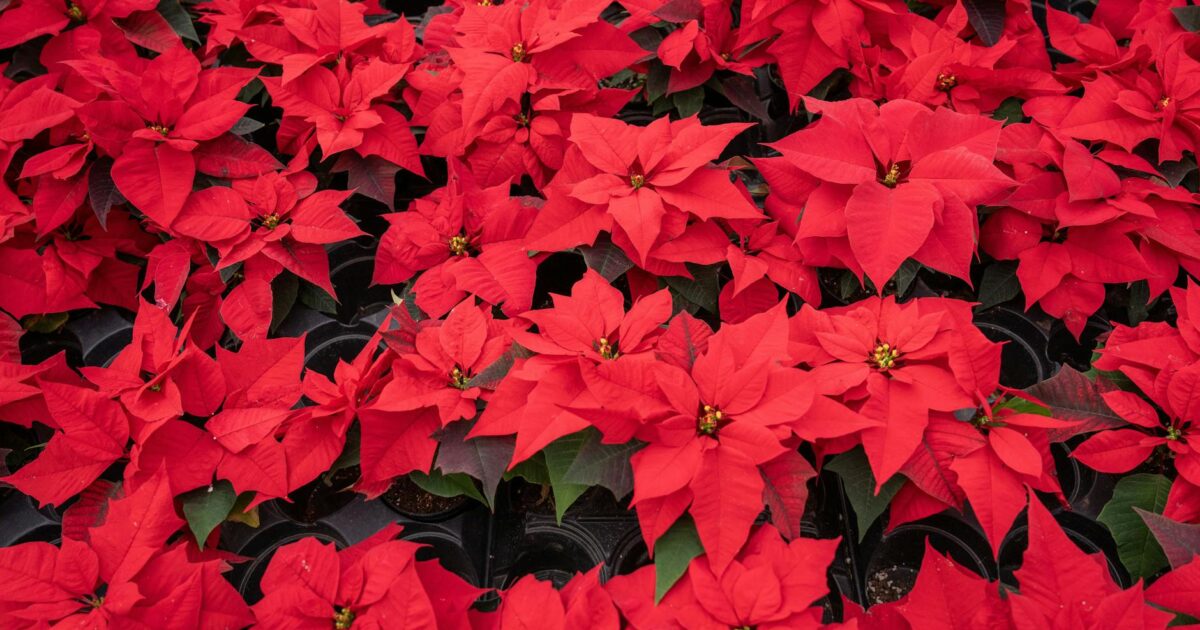
When the world outside turns frosty and days grow short, the idea of a vibrant flower might seem like a distant dream. Yet, nature has a wonderful way of surprising us. The December flower, in its various forms, brings a much-needed burst of life and color to the heart of winter. Whether you’re looking for a festive centerpiece, a thoughtful gift, or simply a way to brighten your own home, understanding the flowers that thrive or are traditionally associated with this month is key.
From the iconic poinsettia to cheerful cyclamen and the resilient hellebores, these winter wonders offer more than just beauty; they carry symbolism and require specific care to truly shine. In this guide, I’ll walk you through the most popular and captivating flowers that define the floral landscape of December, sharing tips on how to care for them and why they hold such a special place in our winter traditions.
Table of Contents
- Introduction to December Flowers
- The Traditional December Birth Flower: Narcissus (Paperwhites)
- Festive Favorites: Poinsettias and Amaryllis
- Year-Round Blooms: Cyclamen and Christmas Cactus
- Hardy Delights: Hellebores and Camellias
- The Fragrant Touch: Winter Jasmine
- Caring for Your December Flowers
- Common Mistakes to Avoid with Winter Blooms
- Embrace the Beauty of December Flowers
The Traditional December Birth Flower: Narcissus (Paperwhites)
While many associate December with a specific festive plant, the traditional birth flower for those born in December is the Narcissus, particularly the fragrant Paperwhite variety (Narcissus papyraceus). These elegant, white blooms are a symbol of hope, purity, and new beginnings – fitting sentiments for the end of the year. Unlike their spring-blooming cousins, paperwhites are often forced indoors during the winter months, providing a welcome scent and visual appeal when few other flowers are in season.
Forcing paperwhites is a popular winter activity. You can plant the bulbs in shallow containers with pebbles and water, or in soil. Keep them in a cool, dark place for a few weeks until roots develop, then move them to a bright, indirect light location. They typically bloom within 4-6 weeks. The intoxicating sweet fragrance is a signature characteristic, filling a room with a delightful aroma that’s often described as reminiscent of hyacinths but with a unique floral note.
I’ve found that the key to successful indoor forcing is to avoid overwatering and to provide adequate light once the bulbs start to sprout. Too much water can lead to bulb rot, and insufficient light results in leggy, weak stems. When I first tried forcing them, I placed them in a sunny window, but they grew too tall and floppy. Moving them to a spot with bright, indirect light and rotating the pot regularly produced much sturdier, more aesthetically pleasing plants.
Festive Favorites: Poinsettias and Amaryllis
When you think of holiday decorations, the poinsettia (Euphorbia pulcherrima) almost certainly comes to mind. With its vibrant red, white, or pink bracts (often mistaken for petals), the poinsettia is undeniably the quintessential December flower. Native to Mexico, this plant has become synonymous with Christmas celebrations worldwide. Its star-like shape and rich colors make it a stunning addition to any festive display.
Caring for a poinsettia after the holidays can be a bit tricky, but it’s certainly possible. They prefer bright, indirect light and consistent moisture – water when the top inch of soil feels dry. Avoid letting them sit in water, as this can cause root rot. Cooler temperatures, around 60-70°F (15-21°C), are ideal. While they are tropical plants, they don’t like extreme heat or cold drafts from windows or doors.
Another showstopper for December is the Amaryllis (Hippeastrum). These dramatic bulbs produce large, trumpet-shaped flowers in shades of red, pink, white, and even striped varieties. Often sold as a complete kit with the bulb, pot, and growing medium, Amaryllis is incredibly rewarding and relatively easy to grow indoors during winter. Its towering stems and magnificent blooms provide a luxurious feel to any space.
To encourage blooming, keep the Amaryllis bulb in a spot with bright light. Water it when the top inch of soil is dry, ensuring good drainage. As the flower stalk grows, you might need to rotate the pot to keep it from leaning. Once bloomed, move it to a cooler location to prolong the flower’s life.
Year-Round Blooms: Cyclamen and Christmas Cactus
Cyclamen (Cyclamen persicum) offer delicate, upward-facing flowers in beautiful shades of pink, red, white, and purple, often with intricately patterned leaves. They thrive in cool temperatures, making them perfect for unheated porches or bright, cool windowsills during December. They prefer moist, well-draining soil and dislike being overwatered or exposed to direct heat. Many find they do best when watered from the bottom, allowing the soil to absorb moisture as needed.
The Christmas cactus (Schlumbergera bridgesii) is another popular choice, known for its epiphytic nature (meaning it grows on other plants in its native habitat) and its ability to produce vibrant blooms around the holiday season. Its flattened, segmented stems cascade downwards, and when conditions are right, they erupt in a profusion of pink, red, or white flowers. These cacti are sensitive to light and need a period of shorter days and longer nights (about 13-14 hours of darkness) in the fall to initiate blooming.
When I first received a Christmas cactus as a gift, it was mid-winter and already blooming beautifully. I was worried about its care, but I learned that keeping it in a spot with bright, indirect light and watering only when the soil feels dry to the touch was the best approach. It’s surprisingly low-maintenance once you understand its basic needs, and it reliably rebloomed for me the following holiday season after a period of cooler temperatures and reduced watering in late summer/early fall.
Hardy Delights: Hellebores and Camellias
For those in climates with milder winters, or for gardeners looking for truly cold-hardy options, hellebores (Helleborus niger, often called Christmas rose) and certain varieties of Camellias are remarkable December flower choices. Hellebores are evergreen perennials that produce elegant, cup-shaped flowers in white, pink, green, and deep purple, often appearing even when snow is on the ground. They prefer shady, moist, and well-drained soil and are incredibly low-maintenance once established.
Camellias, particularly species like Camellia sasanqua, often begin their bloom cycle in the fall and continue through winter. They offer beautiful, rose-like flowers in shades of pink, red, and white. Camellias generally prefer acidic soil, partial shade, and protection from harsh winds. Their glossy evergreen foliage provides year-round interest, making them a valuable addition to any winter garden.
The Fragrant Touch: Winter Jasmine
Winter Jasmine (Jasminum nudiflorum) might not have the intoxicating scent of its summer-blooming relative, but its cheerful yellow flowers appearing on bare, green stems are a welcome sight against a drab winter backdrop. This deciduous shrub typically blooms from late winter into early spring, often starting in December or January in many regions. It’s a vigorous climber or sprawling shrub that prefers full sun to partial shade and well-drained soil.
The unique characteristic of Winter Jasmine is that it blooms on old wood (stems grown the previous year), and its bright yellow, star-shaped flowers appear before the leaves. This contrast of vibrant yellow against bare branches is visually striking. Pruning after flowering helps maintain its shape and encourages more blooms the following year. It’s a resilient plant that can add a surprising pop of color when you least expect it.
Caring for Your December Flowers
Successfully growing flowers in December requires attention to a few key factors:
- Light: Most indoor winter bloomers, like poinsettias and amaryllis, need bright, indirect light. Avoid prolonged direct sun, which can scorch leaves.
- Watering: Allow the top inch of soil to dry out between waterings for most plants. Ensure pots have drainage holes to prevent waterlogged roots.
- Temperature: Many winter flowers prefer cooler temperatures than typical indoor environments. Aim for 60-70°F (15-21°C). Avoid placing plants near heat vents or in drafty areas.
- Humidity: Indoor heating can dry out the air. Misting plants, using a pebble tray with water, or placing them near a humidifier can help.
- Soil: Use a good quality, well-draining potting mix. For bulbs like Amaryllis, ensure the potting medium is appropriate and provides good aeration.
Common Mistakes to Avoid with Winter Blooms
One common mistake people make is overwatering their winter plants, especially poinsettias and cyclamen. These plants are susceptible to root rot when kept too wet, particularly in cooler conditions where they use less water. Always check the soil moisture before watering, and ensure excess water can drain away freely.
Another frequent error is exposing plants to drastic temperature fluctuations. Moving a poinsettia from a warm room to a cold car for transport, or leaving a Christmas cactus near a drafty window, can shock the plant and cause leaf or flower drop. Gradual acclimatization is key when moving plants between different environments.
Finally, many people discard their poinsettias and amaryllis after the holidays, assuming they are single-season plants. With proper care, these can be enjoyed for years. For poinsettias, this involves pruning and providing specific light conditions in the fall to encourage reblooming. Amaryllis bulbs can be dried and stored, then replanted the following year.
In a study conducted by the University of Florida IFAS Extension, it was found that poinsettias require specific photoperiodic conditions (short days and long nights) for 6-8 weeks in the fall to initiate flower bud development, explaining why they bloom around the holidays. This highlights the importance of understanding a plant’s natural cycle for successful reblooming.
When considering a December flower, think about the message you want to convey. Poinsettias symbolize good cheer and success, while paperwhites represent hope and purity. Amaryllis signifies pride and determination. Each bloom brings its own unique charm and meaning to the winter season, making them perfect for gifts or personal enjoyment.
Embrace the Beauty of December Flowers
The December flower is more than just a seasonal decoration; it’s a symbol of life and beauty persisting through the coldest, darkest days. Whether you’re drawn to the classic poinsettia, the fragrant paperwhite, the dramatic amaryllis, or the resilient hellebore, there’s a perfect bloom to brighten your winter. By understanding their specific needs and providing the right care, you can enjoy these winter wonders throughout the season and beyond.


Sabrina
Expert contributor to OrevateAI. Specialises in making complex AI concepts clear and accessible.