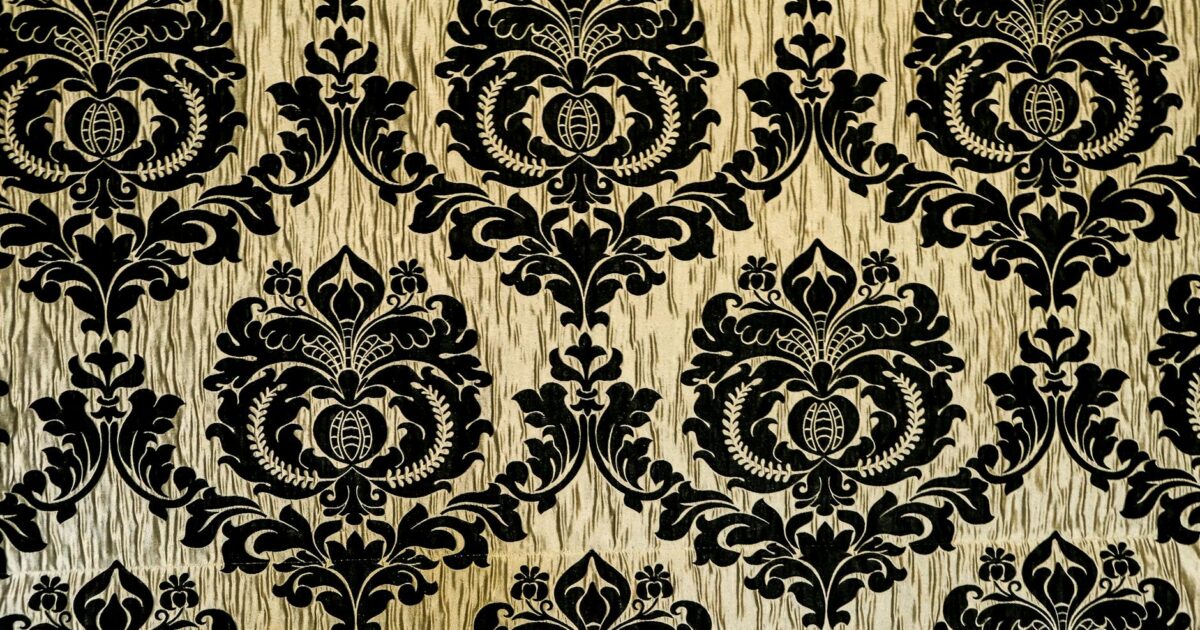
The word ‘damask’ conjures up a sense of opulence, intricate detail, and a rich historical lineage. It’s a pattern that has graced the finest textiles for centuries, yet it remains remarkably relevant in today’s design landscape. But what exactly defines a damask, and how did it become so enduring? Join me as we unravel the fascinating story behind this iconic weave, exploring its origins, its evolution, and its versatile applications in everything from haute couture to your living room.
For me, the allure of damask has always been its subtle complexity. It’s not just a print; it’s a weave that creates a design through the interplay of light and shadow on the fabric’s surface. This inherent sophistication is precisely what has kept it in vogue for so long.
The Ancient Origins of Damask Weaving
The journey of damask begins not in Europe, but in the East, specifically the ancient city of Damascus, Syria, which lends the pattern its name. Around the 2nd century BCE, during the Han Dynasty in China, sophisticated weaving techniques emerged that allowed for the creation of reversible patterns on a single cloth. These early damasks were typically made from silk, a luxury commodity traded along the Silk Road, connecting the East with the West.
The intricate weaving process, often using a drawloom, allowed weavers to create complex designs by contrasting the sheen of warp threads with the matte finish of weft threads, or vice versa. This created a subtle, tonal effect where the pattern would appear and disappear as the light changed. It was this unique visual characteristic that made damask highly prized.
By the Middle Ages, damask had made its way to Europe, becoming a staple in the wardrobes of royalty and the aristocracy. Its production was a closely guarded secret, adding to its mystique and value. Early European damasks often featured motifs inspired by nature, geometric shapes, and heraldic symbols, reflecting the cultural influences of the time.
Understanding the Damask Weave and Pattern
At its core, damask is a type of reversible textile woven with a pattern that appears through the weave itself, rather than being printed or embroidered on top. This is typically achieved using a technique called a ‘drawloom’ or, more commonly today, a ‘jacquard loom’. The jacquard loom is a mechanical marvel that allows individual warp threads to be controlled, creating intricate patterns by varying the way the warp and weft threads interlace.
The hallmark of damask is its tonal, lustrous appearance. The pattern is created by contrasting two different weaves – usually a satin weave and a plain or twill weave. Where the satin weave lies on the surface, it reflects more light, making the pattern appear shiny. Where the plain or twill weave is on the surface, it appears duller. This contrast, often between warp-faced and weft-faced sections, is what gives damask its characteristic shimmering effect. Because the pattern is created by the weave, it appears on both the front and the back of the fabric, though often in reverse.
Damask in Fashion Through the Ages
Throughout history, damask has been a symbol of status and sophistication in fashion. From the opulent silk robes worn by Chinese emperors to the ecclesiastical vestments of medieval clergy, its luxurious texture and intricate designs made it a favored material.
During the Renaissance, damask experienced a golden age. Elaborate patterns featuring floral motifs, mythical creatures, and geometric designs adorned the clothing of nobility across Europe. Think of the sumptuous gowns and doublets depicted in portraits from this era – many would have been made from rich damask silk or linen.
In the 18th and 19th centuries, damask continued to be a popular choice for formal wear. It was used for elegant ballgowns, aristocratic suits, and ornate upholstery. While silk damask remained the most luxurious, linen damask also gained popularity, particularly for household linens like tablecloths and napkins, prized for its durability and crisp finish.
Modern Applications of Damask in Interior Design
The timeless appeal of damask has seamlessly translated into modern interior design. Its ability to add a touch of classic elegance without feeling dated makes it a versatile choice for a variety of styles, from traditional to contemporary.
One of the most popular uses of damask today is in wallpaper. A damask wallpaper can instantly elevate a room, adding texture, depth, and a focal point. Whether you opt for a bold, oversized pattern in a dramatic color or a subtle, tone-on-tone design for a more understated look, damask wallpaper can transform a space.
In upholstery and soft furnishings, damask brings a sense of luxury. Think of damask accent chairs, sofa cushions, or even curtains. A damask-covered armchair can become a statement piece in a living room, while damask napkins can add a sophisticated touch to your dining table. Even smaller accents, like a damask lampshade or throw pillow, can introduce this elegant pattern into your home.
When incorporating damask into your decor, consider the scale of the pattern and the color palette of your room. A large-scale damask might overwhelm a small space, while a smaller, more intricate design could get lost in a vast room. Tone-on-tone damasks offer a subtle way to incorporate the pattern without overwhelming the senses, creating a sophisticated and layered look.
Choosing and Using Damask: Practical Tips
Working with damask, whether for fashion or interiors, requires a little consideration to ensure the best results. Here are some practical tips I’ve picked up over the years:
- Consider the Scale: As mentioned, the size of the damask pattern is crucial. Large, bold damasks work well as statement pieces in spacious rooms or on garments meant to be seen. Smaller, more intricate damasks are better suited for subtle accents or in smaller spaces.
- Color Matters: Damask patterns can range from monochromatic (tonal) to highly contrasting. Tone-on-tone damasks offer a sophisticated, understated elegance, perfect for creating a luxurious feel without being overpowering. High-contrast damasks are bolder and can make a strong visual statement.
- Fabric Type: Damask can be woven from various fibers, including silk, cotton, linen, and synthetics. Silk and high-quality linen damasks offer the most luxurious sheen and drape, but are also more expensive and require delicate care. Cotton and polyester blends can offer a more durable and affordable option, often used for upholstery and everyday wear.
- Placement is Key: In interiors, consider where the damask will be placed. A damask accent wall can be stunning, but too much damask can make a room feel busy. For upholstery, choose pieces that can handle the pattern’s visual weight – an armchair or a headboard works beautifully.
- Mix and Match Wisely: Damask pairs well with solid colors and textures that complement its elegance. Avoid other busy patterns that might compete with the damask. Think about combining damask upholstery with solid-colored furniture or using damask curtains alongside plain walls.
The Enduring Appeal of Damask
What makes damask so enduring? I believe it’s a combination of its rich history, its inherent luxurious quality, and its remarkable adaptability. It carries with it a sense of heritage and craftsmanship, yet it can be reinterpreted in countless ways to suit contemporary tastes.
From the intricate silk damasks of ancient China to the modern vinyl damask wallpapers available today, the pattern has continuously reinvented itself while retaining its core identity. It’s a testament to the power of elegant design and sophisticated weaving techniques.
Featured Snippet Answer:
Damask is a reversible woven fabric characterized by intricate, tonal patterns created through contrasting weaves, typically satin and plain weaves. Originating in Damascus, Syria, and perfected in ancient China, it has been a symbol of luxury and status in textiles for centuries, appearing in fashion and interior design through its subtle sheen and elegant motifs.
Frequently Asked Questions
What is the difference between damask and brocade?
While both are woven fabrics with raised patterns, brocade typically features additional weft threads that create a more ornate, multi-colored, and often non-reversible design. Damask, conversely, relies on the contrast between warp and weft weaves for its pattern, resulting in a reversible, tonal effect with a subtle sheen.
Is damask fabric still in style?
Absolutely. Damask remains a classic and highly sought-after pattern in both fashion and interior design. Its timeless elegance allows it to adapt to various styles, from traditional to modern, making it a consistently relevant choice for adding sophistication and visual interest.
Can damask be used for everyday wear?
Yes, damask can be used for everyday wear, especially when woven from durable materials like cotton or linen blends. While silk damask is often reserved for formal occasions due to its delicacy and cost, cotton damask shirts or skirts offer a touch of elegance for daily use.
How do I clean damask fabric?
Cleaning instructions depend heavily on the fiber content. Silk damask typically requires dry cleaning. Cotton and linen damasks can often be hand-washed or machine-washed on a gentle cycle with cold water. Always check the fabric care label and test cleaning methods on an inconspicuous area first.
What colors do damask patterns come in?
Damask patterns come in virtually any color imaginable. The beauty of damask lies in the contrast created by the weave itself. This can be achieved with two different colored yarns, or more subtly with yarns of the same color but different finishes (e.g., matte and satin), creating a tonal effect.
Conclusion
From its ancient roots on the Silk Road to its prominent place in modern homes and wardrobes, the damask pattern has proven its enduring appeal. Its unique weaving technique creates a subtle yet sophisticated visual texture that adds a touch of timeless elegance to any application. Whether you’re drawn to its historical significance or its modern design versatility, understanding damask allows you to appreciate its beauty and use it effectively to enhance your personal style and living spaces. Consider incorporating a damask accent into your next project and experience its classic charm for yourself.




Sabrina
Expert contributor to OrevateAI. Specialises in making complex AI concepts clear and accessible.