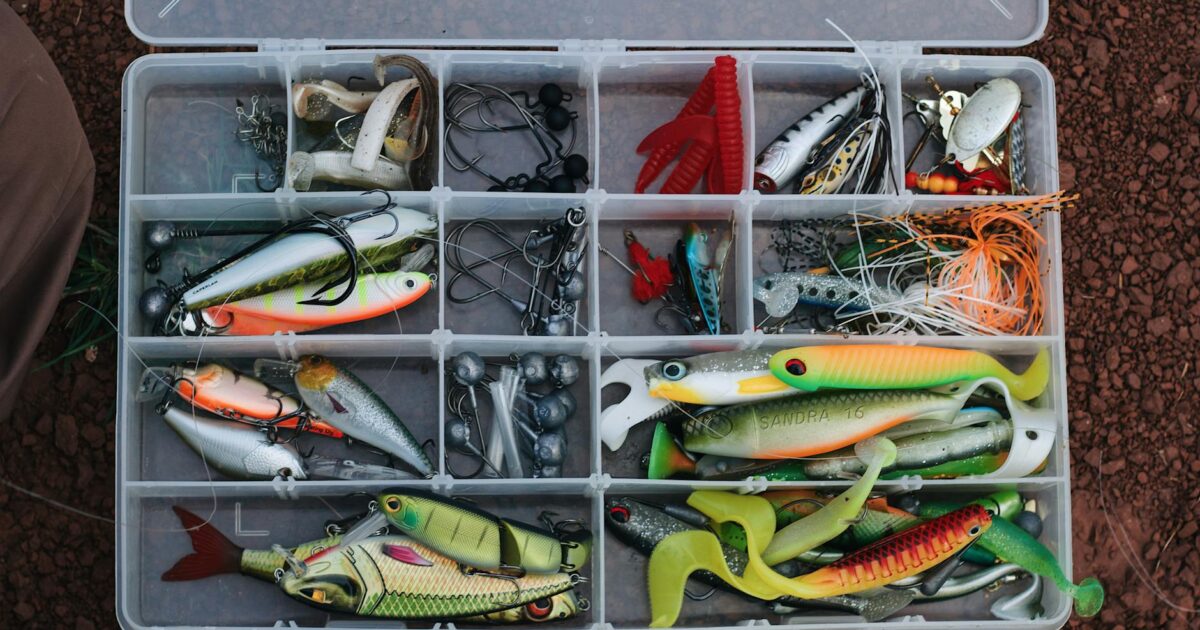
There’s a certain magic to watching a crankbait wobble its way through the water, mimicking a fleeing baitfish. For anglers, this visual allure is often the first step to a heart-pounding strike. But what exactly makes a crankbait so effective, and how can you harness its power to fill your livewell? Based on recent reviews and expert analysis, this guide provides practical application. We’ll cover everything from understanding the anatomy of a crankbait to mastering the retrieve that triggers aggressive bites. Whether you’re targeting bass in a shallow pond or a hefty walleye in a deep lake, the principles of effective crankbait fishing remain consistently successful. Here’s what you need to know to transform your fishing trips.
Latest Update (April 2026)
As of April 2026, crankbait fishing continues to be a dominant strategy for anglers targeting a wide range of predatory species. Recent reports from organizations like Major League Fishing highlight the ongoing effectiveness of various bait types, including crankbaits, in competitive angling scenarios. As Wired2Fish reported in April 2026, advancements in baitcasting reel technology, such as those featured in their ‘Best Baitcasting Reels for 2026’ guide, further enhance an angler’s ability to precisely control crankbaits, allowing for more accurate casts and improved depth control. This technological synergy ensures that crankbait fishing remains at the forefront of modern angling techniques.
Furthermore, the pursuit of the perfect crankbait continues. According to portalcantagalo.com.br’s recent comprehensive guide on Bill Norman DD22 crankbaits, these specific deep-diving models remain a top choice for bass fishing enthusiasts in 2026, demonstrating the enduring popularity and effectiveness of well-established crankbait designs. This underscores the principle that while technology evolves, the fundamental effectiveness of proven lure designs persists. As Outdoor Life’s ‘The Best Bass Lures: The Ultimate Guide to Every Type of Bass Bait’ published in April 2026 also suggests, crankbaits consistently rank among the most effective bass lures available, praised for their versatility and ability to cover water efficiently.
Introduction
The crankbait is a cornerstone in many anglers’ tackle boxes, and for good reason. Its inherent action and ability to cover water efficiently make it a go-to lure for a wide variety of predatory fish. In years of fishing, a well-thrown crankbait has been observed to outfish many other lure types when conditions are right. It’s a lure that can imitate so many natural food sources, from small minnows to larger shad, making it a versatile tool for any angler looking to increase their catch rate. For anglers seeking to consistently catch more fish, mastering the crankbait is essential. This lure’s inherent wobbling action mimics fleeing baitfish, triggering predatory instincts in a wide range of game fish, making it a top choice for covering water and enticing strikes in various fishing conditions.
What Exactly is a Crankbait?
At its core, a crankbait is a hard-bodied fishing lure designed to be retrieved with a cranking motion of the reel handle. This retrieval causes the lure to wobble and dive, mimicking the erratic movements of injured baitfish. The key components that define a crankbait are its body shape, lip (or bill), and internal components like rattles. The body can vary dramatically from slender and minnow-like to wide and round, each designed for specific water conditions and fish species. The lip is arguably the most critical feature; its size, shape, and angle determine the lure’s diving depth and action. Smaller, more vertical lips generally produce a tighter wobble and shallower dive, while larger, more horizontal lips create a wider wobble and allow the lure to reach greater depths.
Internal rattles are another common feature, adding an auditory component that can attract fish from a distance, especially in stained or murky water. Some crankbaits are silent, which can be more effective in clear water or when fish are spooky. Users report that experimenting with both rattling and silent versions is key, as fish behavior can change dramatically based on their environment. Understanding these basic components is the first step to effectively employing crankbaits.
Choosing the Right Crankbait for the Conditions
Selecting the correct crankbait can feel overwhelming with the sheer variety available. However, it boils down to matching the lure to the environment and the target species. The primary factors to consider are diving depth, body shape, color, and sound.
Diving Depth
This is dictated by the lip size and angle, as well as the line and rod you use. If you’re fishing shallow flats or areas with submerged vegetation, you’ll want a shallow-diving crankbait (0-5 feet). For targeting fish holding near the bottom in deeper water, a deep-diving crankbait (10+ feet) is necessary. Anglers typically carry a range, from shallow runners to deep divers, ensuring they can cover different water columns. As of April 2026, many manufacturers offer detailed depth charts for their models, aiding in selection.
Body Shape
Wider-bodied crankbaits tend to have a more pronounced wobble and displace more water, which can be excellent for triggering reaction strikes. Slender, minnow-shaped crankbaits often imitate smaller baitfish more closely and can be deadly when fish are keyed in on those specific forage types. For bass, medium-bodied crankbaits often offer a good balance of wobble and profile.
Color
This is where personal preference and local knowledge play a significant role. A general rule of thumb is to match the hatch. In clear water, natural, translucent colors that mimic local baitfish (silver, white, shad patterns) are usually best. In stained or muddy water, brighter, more vibrant colors like chartreuse, firetiger, or even black can provide contrast and attract attention. Anglers often carry a selection of both natural and bold colors. Local fishing reports, such as those from KCHA NEWS, can offer insights into effective colors for specific regions as of April 2026.
Sound
Rattling crankbaits can be incredibly effective in low-visibility conditions or when you want to call fish out of cover. However, in extremely clear water or when targeting finicky fish, a silent crankbait might be the most effective option. There are days when fish simply won’t bite a rattling lure, but a silent one gets hammered. It’s worth having both in your arsenal.
Important: Always consider the size of the baitfish in the body of water you are fishing. Matching the size of your crankbait to the prevalent forage will significantly increase your chances of a bite.
Mastering Crankbait Fishing Techniques
Casting and retrieving a crankbait isn’t complicated, but there are nuances that can make a big difference. The goal is to present the lure in a way that looks natural and enticing to predatory fish.
Casting
When targeting specific areas, like the edge of a weed line or a submerged stump, a precise cast is crucial. For covering large expanses of open water, long casts allow you to present the lure over a wider area, increasing your chances of encountering active fish. Baitcasting reels are often used for their accuracy and line capacity, which helps with long casts. As noted by Wired2Fish in their 2026 reel guide, modern baitcasting reels offer improved casting distance and control.
Retrieving
The retrieve is where you bring the crankbait to life. While a steady retrieve is often effective, varying your retrieve can trigger more strikes. Try pausing the retrieve for a second or two, especially after the lure hits an obstruction like a rock or log. This pause can imitate a baitfish that has been stunned or is trying to recover, making it an easy target for a predator. Twitching the rod tip occasionally can also add an erratic darting action to the lure. Different fish species respond to different retrieve speeds. For example, aggressive species like northern pike might respond well to a fast retrieve, while more lethargic fish like walleye might prefer a slower, more methodical presentation.
Contact with Structure
One of the most effective ways to use a crankbait is to make contact with underwater structure. Bouncing the lip off rocks, logs, or other cover can create an erratic action that triggers strikes. When the crankbait hits an object, it often deflects off at an angle, mimicking a fleeing or injured baitfish. Don’t be afraid to intentionally bump your crankbait into cover; this is often when you’ll get your bites. Learning to ‘feel’ the bottom and the structure through your line and rod is a key skill.
Line Choice and Rod Action
The type of fishing line you use directly impacts how deep your crankbait will dive. Monofilament line has more stretch and floats higher, causing lures to run shallower. Fluorocarbon line sinks and has less stretch, allowing crankbaits to reach greater depths. Braided line, while offering superior casting distance and sensitivity, often requires a leader of monofilament or fluorocarbon to help the crankbait achieve its intended depth. Rod action also plays a role; a moderate or moderate-fast action rod is generally preferred for crankbait fishing. This action provides enough backbone to cast effectively and set the hook, while also absorbing shock and preventing fish from tearing free during the fight.
The Art of Retrieving Your Crankbait
Mastering the retrieve is perhaps the most critical aspect of crankbait fishing. It’s not just about reeling; it’s about imparting life into the lure and making it irresistible to predatory fish.
Steady Retrieve
A consistent, steady retrieve is the baseline for most crankbait fishing. This method works well when fish are actively feeding and the lure’s natural wobble is sufficient to attract them. The speed of the retrieve should be adjusted based on water temperature and the activity level of the fish. In colder water, a slower retrieve is generally more effective, while warmer water often calls for a faster pace.
Stop-and-Go Retrieve
This technique involves a steady retrieve punctuated by periodic pauses. As mentioned earlier, these pauses can be deadly. When you stop reeling, the crankbait will often float upward slightly (depending on its buoyancy) or simply hang in the water column. This momentary change in movement can trigger a strike from a following fish that was hesitant to commit. Experiment with pause durations, from one second to several seconds.
Twitching and Jerking
Adding subtle twitches of the rod tip or short, sharp jerks can impart an erratic, darting action to the crankbait. This mimics a baitfish making a sudden escape or a wounded fish struggling. This technique can be particularly effective when fish are showing interest but not striking the lure directly. The key is subtlety; overly aggressive twitches can make the lure look unnatural.
Burn and Kill Retrieve
This aggressive retrieve involves reeling the crankbait as fast as possible for a short burst (the ‘burn’), followed by an abrupt stop (the ‘kill’). This sudden change in speed and action can elicit a reaction strike from predatory fish. This method is often most effective when targeting active, aggressive species in warmer water conditions.
Reading the Retrieve’s Effectiveness
Pay close attention to how the crankbait is behaving. Is it wobbling correctly? Is it deflecting off the bottom as intended? Is the line angle correct for the depth you want to achieve? Observing these details, along with the fish’s reactions (follows, tentative bites, aggressive strikes), will help you fine-tune your retrieve. If fish are following but not biting, try changing retrieve speed, adding pauses, or switching to a silent lure.
Common Crankbait Fishing Mistakes to Avoid
Even experienced anglers can fall into common traps when fishing crankbaits. Avoiding these pitfalls can significantly improve your success rate.
Using the Wrong Rod
Employing a rod that is too stiff or too fast can make it difficult to cast accurately and can lead to lost fish. A rod with too much flex might not provide enough power for long casts or hooksets. As discussed, a moderate or moderate-fast action rod is generally recommended.
Incorrect Line Choice
As detailed earlier, the line choice significantly impacts diving depth and lure action. Using monofilament when you need to get deep, or a stiff fluorocarbon when you need a subtle action, can hinder your efforts. Ensure your line choice complements your target depth and lure design.
Fishing Too Fast or Too Slow
A retrieve that is too fast might cause the crankbait to blow out or spin, losing its intended action and spooking fish. A retrieve that is too slow might not generate enough vibration or action to attract fish, especially in warmer water or when they are actively feeding.
Not Making Contact with Structure
Many anglers are hesitant to bump their crankbaits off cover. However, this contact is often what triggers strikes. If you’re not hitting anything, you’re likely missing opportunities. Learn to feel the bottom and structure, and don’t be afraid to make contact.
Ignoring Water Conditions and Forage
Failing to match the crankbait’s color, size, and diving depth to the prevailing water conditions and available forage is a common mistake. Always consider what the fish are eating and the clarity of the water.
Expert Tip: Reading the Water
Effective crankbait fishing involves more than just casting and retrieving. Learning to read the water is paramount. Look for subtle changes in depth, current lines, and underwater structure like points, drop-offs, channel swings, and submerged vegetation. These are all areas where baitfish congregate, and therefore, where predatory fish will be hunting. Even in seemingly featureless water, subtle contour changes can hold fish. Use your electronics if available, but also develop your ‘feel’ for the bottom with your line and rod.
Frequently Asked Questions
What is the best time of year for crankbait fishing?
Crankbait fishing can be productive year-round, but its effectiveness often peaks during the spring and fall when water temperatures are moderate and baitfish are actively schooling. In spring, as water temperatures rise, bass and other predatory fish become more active and aggressive, making them susceptible to crankbait presentations. Fall offers similar conditions as fish feed heavily to prepare for winter. However, with the right crankbait and technique, successful fishing is possible in summer and even during milder winter periods.
How deep should my crankbait be running?
The ideal depth for your crankbait depends on where the fish are holding. In the spring, fish might be shallower, moving up to feed. In summer, they may move to deeper, cooler water or seek shade under cover. In the fall, they often school up and can be found at various depths. Using a crankbait that matches the depth of the baitfish or the bottom structure where predators are likely to be ambushing prey is key. As of April 2026, anglers widely use electronics to identify fish locations and adjust crankbait depth accordingly.
Should I use a monofilament or fluorocarbon line for crankbaits?
The choice between monofilament and fluorocarbon lines depends on your fishing objective. Monofilament has more stretch, which can be beneficial for absorbing shock and preventing lost fish, and it tends to float, keeping your crankbait shallower. Fluorocarbon has less stretch, providing better sensitivity and hooksets, and it sinks, allowing your crankbait to dive deeper. Many anglers use fluorocarbon for deep-diving crankbaits and monofilament for shallower applications. Some also opt for braided line with a fluorocarbon leader for maximum casting distance and sensitivity.
What is the difference between a rattling and a silent crankbait?
Rattling crankbaits produce sound waves through internal metal or glass rattles, which can attract fish from a distance, especially in murky or low-visibility water. This sound can mimic distressed baitfish. Silent crankbaits lack these rattles and rely solely on the lure’s visual appeal and wobble. They are often preferred in clear water or when fish are easily spooked, as the absence of noise can be less intimidating. Reports from anglers in 2026 indicate that having both options available is wise, as fish behavior can dictate which type is more effective on any given day.
How do I know when to change my crankbait?
You should consider changing your crankbait if you’re not getting any bites after a reasonable period, if fish are following but not striking, or if you suspect the current conditions (water clarity, light levels, baitfish activity) have shifted. Experiment with different colors, sizes, diving depths, or retrieve speeds. If you’re fishing a specific spot with a particular lure and not getting results, try a different lure that mimics the same forage but offers a different action or profile. Sometimes, a subtle change is all it takes.
Conclusion
Crankbait fishing is a dynamic and rewarding technique that offers anglers a versatile method for catching a wide array of game fish. By understanding the components of a crankbait, selecting the right lure for the conditions, mastering various retrieve techniques, and avoiding common mistakes, you can significantly enhance your success on the water. Keep experimenting, pay attention to the subtle cues from your line and rod, and adapt your approach based on the environment and the fish’s behavior. With practice and a well-stocked tackle box, the crankbait will undoubtedly become one of your most reliable tools for filling the livewell.
Sabrina
2 writes for OrevateAi with a focus on agriculture, ai ethics, ai news, ai tools, apparel & fashion. Articles are reviewed before publication for accuracy.