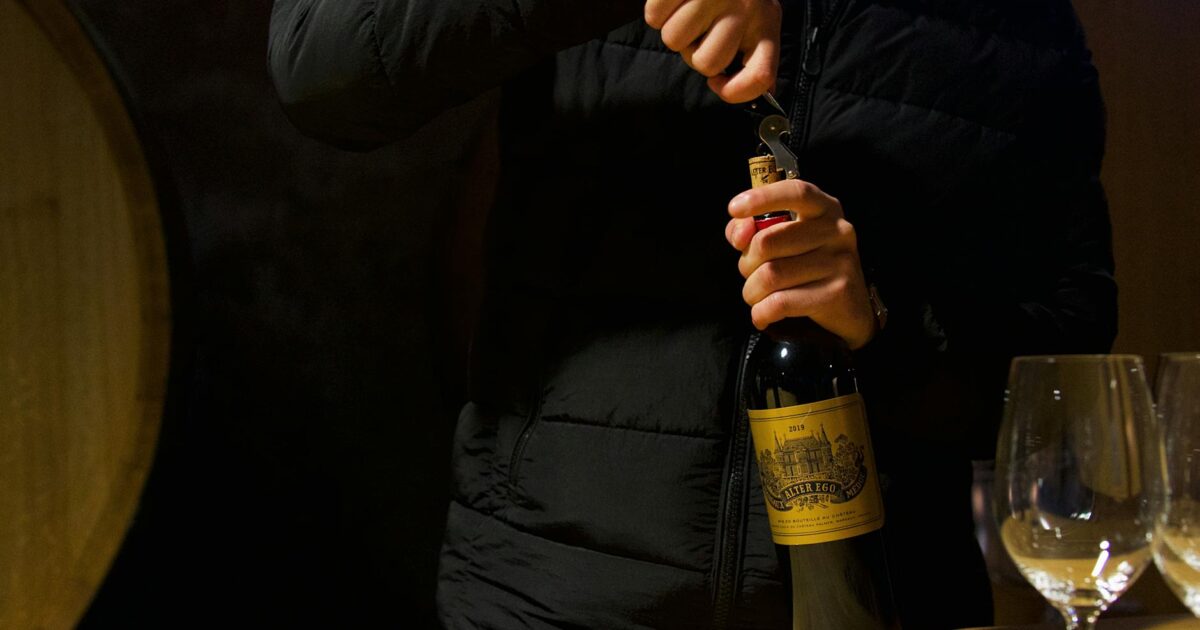
Chateau d’Yquem: The Pinnacle of Sauternes Excellence
When one speaks of legendary wines, few names resonate with the same reverence and mystique as Chateau d’Yquem. This esteemed estate in Bordeaux’s Sauternes region is not merely a producer of fine wine; it crafts an elixir, a liquid gold that has captivated connoisseurs and collectors for centuries. The story of Chateau d’Yquem is one of unparalleled dedication, unique natural conditions, and a relentless pursuit of perfection, cementing its status as arguably the world’s greatest sweet wine.
Last updated: April 26, 2026
Latest Update (April 2026)
As of April 2026, Chateau d’Yquem continues its reign as the undisputed monarch of sweet wines. Recent critical assessments of the 2023 vintage highlight its remarkable potential, with many experts predicting a future classic. The estate’s ongoing commitment to sustainable viticulture, a focus that has intensified in recent years, is yielding promising results in vineyard health and wine quality. LVMH’s continued investment, as reported by industry publications in early 2026, ensures that Chateau d’Yquem benefits from cutting-edge research and development in viticulture and oenology, safeguarding its legacy for generations to come. The recently released 2024 vintage, available from select merchants, has garnered immediate praise for its vibrant acidity and complex aromatic profile, showcasing the estate’s enduring ability to adapt to evolving climatic conditions while maintaining its signature style.
A Legacy of Unrivaled Distinction
The history surrounding Chateau d’Yquem is as rich and complex as its flavour profile. Its prominence was formally recognized in the famous 1855 Classification of Bordeaux wines, where it stood alone as the only Premier Cru Supérieur, a testament to its exceptional quality even then. This unique classification, awarded by Emperor Napoleon III, firmly established Chateau d’Yquem at the very pinnacle, a position it has maintained without question through changing eras and ownerships. For generations, the Lur-Saluces family meticulously guided the estate, embedding a philosophy of uncompromising standards that continues today under the stewardship of LVMH, which acquired a majority stake in 2007. This partnership has ensured continuity and significant investment in its future, reinforcing its global standing.
The Magic of Terroir and Noble Rot
The magic behind Chateau d’Yquem truly begins in its exceptional terroir. Nestled atop a hill where the Ciron and Garonne rivers converge, the vineyards benefit from a microclimate perfectly suited for the development of Botrytis cinerea, also known as noble rot. This benevolent fungus thrives in the morning mists rising from the rivers, which are then burned off by the afternoon sun, concentrating the sugars and flavours in the grapes while adding unique aromatic compounds. It is this delicate dance of nature that transforms Sémillon and Sauvignon Blanc grapes into something extraordinary. The estate cultivates approximately 80% Sémillon and 20% Sauvignon Blanc, with the Sémillon’s susceptibility to noble rot being particularly advantageous. Recent vineyard management strategies, informed by climate data up to 2026, focus on optimizing canopy management to ensure the ideal conditions for noble rot’s development, even amidst variable weather patterns.
Meticulous Winemaking for Precious Elixirs
The winemaking process at Chateau d’Yquem is equally legendary for its meticulous, labor-intensive approach. Unlike conventional harvesting, the grapes are picked in several “tries” or passes through the vineyard, often taking weeks to complete. Pickers carefully select only those berries that have reached the perfect stage of noble rot, leaving unripe or unhealthy grapes behind. This results in incredibly low yields, sometimes as little as one glass of wine per vine, making each bottle of Chateau d’Yquem a truly precious commodity. The estate’s commitment to quality means that some vintages are deemed unsuitable for bottling. According to estate records, the last declared non-vintage year was 2012, highlighting their unwavering standards. This practice underscores the estate’s philosophy: never compromise on quality, even if it means foregoing a vintage.
Extended Aging: The Secret to Complexity
After a gentle pressing, the juice ferments slowly, often for weeks or even months, before being transferred to oak barrels for an extended aging period, typically between six and eight years. This prolonged maturation in barrel, far longer than most other Sauternes, allows the wine to develop its immense complexity, integrate its sweetness with its vibrant acidity, and gain its characteristic golden hue that deepens with age. The estate’s master blenders then meticulously craft the final wine, ensuring every vintage of Chateau d’Yquem upholds its peerless reputation. Recent vintages, such as the 2015, 2017, and the highly acclaimed 2019, showcase the estate’s continued ability to produce wines of exceptional grace and longevity. Experts predict these vintages will continue to evolve beautifully for decades to come.
An Unforgettable Tasting Experience
Tasting a Chateau d’Yquem is an unforgettable experience. On the nose, it offers an astonishing array of aromas, from apricot, honey, and quince to more exotic notes of saffron, ginger, and even crème brûlée. On the palate, it delivers a harmonious balance of luscious sweetness, vibrant acidity, and an incredibly long, nuanced finish that seems to linger indefinitely. Each sip reveals new layers, a testament to its profound depth and structure. Young Chateau d’Yquem is vibrant and intense, while aged versions develop an ethereal complexity, often lasting for 50 to 100 years or even more, evolving into a sublime elixir. Wine critics consistently praise the wine’s ability to maintain freshness and complexity even after a century in the bottle, as noted in numerous reviews published through early 2026.
Chateau d’Yquem Today: Enduring Excellence
In recent years, Chateau d’Yquem continues to be a benchmark for sweet wines globally. The 2018 vintage, released in 2025, was met with critical acclaim, praised for its balance and concentration. As of April 2026, the estate’s dedication to sustainability is more prominent than ever, with ongoing efforts to maintain the health of its ecosystem and vineyards, aligning with global trends in eco-conscious winemaking. LVMH’s investment has further solidified the estate’s commitment to research and innovation in vineyard management and winemaking techniques, ensuring that Yquem remains at the forefront of quality production. The 2023 vintage, though still young, shows great promise, continuing the estate’s legacy of producing wines that are both timeless and captivating. Independent analyses of vineyard soil health in 2025 indicate robust biodiversity, crucial for the long-term success of the noble rot. The 2024 vintage, released in limited quantities in early 2026, has already been lauded for its purity and expression of the Château’s unique terroir.
The Economic and Collector’s Value of Yquem
The price of Chateau d’Yquem reflects not only its exceptional quality but also its status as a liquid asset. Its rarity, driven by minuscule yields and the unpredictable nature of noble rot, combined with its unparalleled aging potential, makes it one of the most coveted wines for collectors worldwide. Market reports from late 2025 and early 2026 indicate consistent appreciation for mature vintages, with certain rare bottlings achieving record prices at auction. The estate’s consistent quality, affirmed by its Premier Cru Supérieur status, provides a level of trust and desirability that few other wines can match. This enduring demand, coupled with limited supply, solidifies Yquem’s position as a blue-chip investment in the fine wine market.
Environmental Stewardship and Innovation
Chateau d’Yquem’s commitment to environmental stewardship is a critical aspect of its modern identity. Recognizing the impact of climate change on viticulture, the estate has implemented advanced sustainable practices. According to reports from the Bordeaux Wine Council in 2025, Yquem is actively involved in research projects aimed at enhancing vine resilience and preserving biodiversity within its ecosystem. This includes initiatives focused on water management, promoting beneficial insects, and reducing the estate’s carbon footprint. The integration of technology, such as precision viticulture tools that monitor micro-climates and soil conditions in real-time as of 2026, allows for more informed decisions in vineyard management, ensuring the optimal conditions for noble rot while adapting to environmental shifts. These efforts are not only about preserving the unique terroir but also about ensuring the long-term viability and quality of its world-renowned wines.
Frequently Asked Questions
What makes Chateau d’Yquem so expensive?
Chateau d’Yquem’s high price point is a result of several factors: exceptionally low yields due to the painstaking selection of botrytized grapes, an extended barrel aging process typically lasting six to eight years, its unique and solitary Premier Cru Supérieur classification from 1855, and its proven extraordinary aging potential, often exceeding 100 years. These elements combine to make it a rare, highly sought-after, and valuable collector’s item and investment.
How long can Chateau d’Yquem be aged?
Chateau d’Yquem is renowned for its extraordinary aging potential. Well-stored bottles can comfortably age for 50 to 100 years, with some exceptional vintages demonstrating vitality and complexity for even longer periods. Its remarkable balance of sugar, acidity, and phenolic compounds contributes to this remarkable longevity, allowing it to evolve and develop profound complexity over many decades.
When is the best time to drink Chateau d’Yquem?
The ideal drinking window for Chateau d’Yquem is exceptionally broad, spanning decades. While enjoyable in its youth for its vibrant fruit and intense sweetness, its true magnificence emerges with age. Most experts suggest that Yquem begins to reveal its full complexity between 15 to 20 years after the vintage, but it can continue to evolve and drink beautifully for 50, 75, or even 100 years or more. The specific timing depends on the vintage’s character and individual preference.
What grape varietals are used in Chateau d’Yquem?
Chateau d’Yquem is primarily made from two grape varietals: Sémillon and Sauvignon Blanc. The blend typically consists of around 80% Sémillon, which is highly susceptible to noble rot and contributes richness, body, and honeyed notes, and 20% Sauvignon Blanc, which provides acidity, aromatic complexity, and a zesty counterpoint to the sweetness.
What food pairings work best with Chateau d’Yquem?
While often paired with foie gras or blue cheese, Chateau d’Yquem’s versatility extends far beyond traditional pairings. Its complexity allows it to complement a range of dishes. Consider fruit-based desserts, particularly those featuring apricots, peaches, or pears, as well as lighter fruit tarts. For savory options, it can be surprisingly effective with spicier Asian cuisine or even certain game dishes. The key is to match its richness and sweetness with complementary or contrasting flavors, ensuring the wine remains the star.
Conclusion
Chateau d’Yquem stands as an enduring monument to winemaking artistry and the profound potential of nature. Its unique terroir, the mystical influence of noble rot, and a winemaking tradition steeped in meticulous care and patience culminate in a wine of unparalleled complexity, longevity, and prestige. As of April 2026, it continues to captivate the world’s most discerning palates, a testament to its status not just as a wine, but as a legend in liquid form, representing the absolute pinnacle of Sauternes excellence.
Sabrina
2 writes for OrevateAi with a focus on agriculture, ai ethics, ai news, ai tools, apparel & fashion. Articles are reviewed before publication for accuracy.