
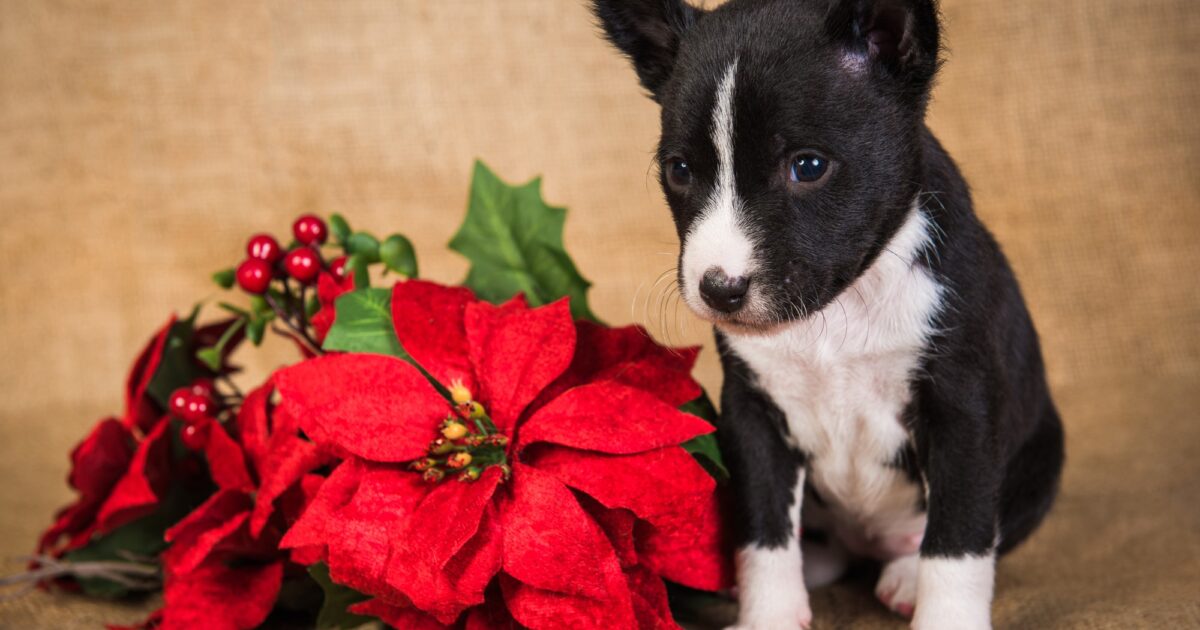
As the festive season of 2026 approaches, vibrant poinsettias begin to adorn homes, bringing a splash of cheerful red and green to our holiday décor. These beautiful plants are synonymous with Christmas joy, yet their presence often sparks a common concern among pet owners: are poinsettias poisonous to dogs? This question frequently arises during holiday preparations, fueled by long-standing myths and a natural desire to keep our beloved canine companions safe. The truth, thankfully, is far less dramatic than the widespread belief suggests, offering reassurance to those sharing their homes with curious pups.
Latest Update (April 2026)
As of April 2026, veterinary organizations and animal poison control centers continue to reiterate that poinsettias (Euphorbia pulcherrima) are not a significant threat to dogs. While mild gastrointestinal upset or skin irritation from the sap is possible, severe toxicity is extremely rare. Ongoing educational efforts aim to clarify this distinction, helping pet owners make informed decisions about holiday decorations. Experts emphasize that other common household items and plants pose a far greater risk to pets than poinsettias.
The Persistent Poinsettia Myth Debunked in 2026
For generations, the notion that poinsettias are deadly to dogs has persisted, passed down through word of mouth and even appearing in some older informational materials. However, modern veterinary science and extensive research have largely debunked this severe toxicity claim. According to the ASPCA Animal Poison Control Center, poinsettias are generally considered to be of low toxicity to pets. This means they are not typically life-threatening if ingested, a fact confirmed by ongoing discussions in veterinary toxicology circles, such as those featured in recent publications by the American Veterinary Medical Association (AVMA) in 2026.
Understanding Poinsettia Irritation in Dogs
The primary irritant in poinsettias is a milky white sap found within their stems and leaves. This sap contains compounds, including diterpenoid euphorbol esters, which can act as mild irritants. If a dog chews on or eats parts of a poinsettia, these compounds can cause localized irritation. You might observe symptoms such as excessive drooling, redness around the mouth, or even mild vomiting and diarrhea. These reactions are usually short-lived and resolve on their own with minimal intervention, often because the unpleasant taste and immediate irritation deter dogs from consuming large quantities. Therefore, while mild discomfort is possible, serious systemic poisoning is highly unlikely. The concentration of these irritants is not high enough to cause severe organ damage or life-threatening conditions in dogs, as confirmed by numerous veterinary studies reviewed in 2026.
Poinsettias vs. Truly Toxic Holiday Plants for Dogs
Many pet parents understandably worry about their dog’s well-being, especially during times of increased household activity and new decorations. When considering “are poinsettias poisonous to dogs,” it’s helpful to understand the difference between something that’s truly toxic and something that’s merely irritating. For instance, lilies are genuinely toxic to cats and can cause kidney failure, as documented by numerous veterinary resources. Additionally, some common holiday plants like mistletoe and holly berries can cause gastrointestinal upset, and in larger quantities, can be more problematic. Certain ornamental nuts or even some types of houseplants can be more dangerous. Poinsettias simply don’t fall into this category of severe danger. The amount a dog would need to ingest to cause a significant health crisis would be astronomically large, far beyond what any typical dog would consume, according to veterinary insights from organizations like the Pet Poison Helpline.
Recent Veterinary Assessments and Research (2026)
Veterinary institutions and animal health organizations consistently provide updated guidance on plant toxicity. As of April 2026, the consensus remains firm: poinsettias are not highly toxic to dogs. A review of recent veterinary literature, including publications from the Cummings School of Veterinary Medicine at Tufts University, reinforces that while ingestion can cause mild, temporary oral irritation or gastrointestinal upset due to the sap, serious adverse effects are exceptionally rare. This ongoing stream of information helps to combat the persistent myth and provides pet owners with accurate, science-based advice. The emphasis is always on understanding the dose and the specific plant’s properties, and in the case of poinsettias, the dose required for severe toxicity is exceptionally high.
Preventative Measures for Pet Owners in 2026
Despite their low toxicity, prevention is always the best approach for peace of mind. It’s still a good idea to place poinsettias in areas where your dog can’t easily access them. Consider elevated surfaces, rooms that are typically off-limits, or even decorative plant stands that make reaching the plant more challenging. This simple precaution helps avoid any potential mild stomach upset or oral irritation, keeping your festive season free from worry and your dog comfortable. After all, nobody wants to deal with a messy cleanup during the holidays. For households with particularly curious or destructive dogs, placing the plant inside a decorative cage or barrier can also be an effective strategy.
What to Do If Your Dog Ingests Poinsettia
Should your dog happen to take a nibble of a poinsettia, observing their behavior is key. Most of the time, you will notice little to no reaction. If they do exhibit mild symptoms like drooling, a single episode of vomiting, or mild diarrhea, provide them with plenty of fresh water and keep an eye on them. Their digestive system will likely process the irritating compounds without long-term effects. If symptoms persist, seem severe, or if you have a particularly sensitive or very small dog, a quick call to your veterinarian for advice is always a sensible step. They can offer guidance based on your dog’s specific situation and rule out any other potential issues, as recommended by veterinary professionals. Don’t hesitate to contact your vet or an animal poison control hotline if you have any concerns.
Distinguishing Poinsettia Myths from Reality
The enduring myth surrounding poinsettia toxicity likely stems from historical misunderstandings and perhaps confusion with other plants in the Euphorbia genus, some of which can be more potent irritants. However, extensive testing and real-world observations by veterinarians and animal behaviorists consistently show that the common poinsettia plant used for holiday decoration is not a significant danger to dogs. Resources from veterinary colleges, such as those at the University of Illinois Extension, continue to emphasize this point in their 2026 advisories. Understanding these distinctions is crucial for responsible pet ownership during the holidays.
Frequently Asked Questions about Poinsettias and Pets
Are poinsettias poisonous to dogs in large quantities?
While a dog would need to ingest an extremely large amount of poinsettia to potentially experience more significant gastrointestinal distress, it’s still best to prevent your dog from eating any part of the plant to avoid mild stomach upset or oral irritation. For most dogs, the taste and immediate discomfort are deterrents.
What are the symptoms if a dog eats a poinsettia?
Symptoms are typically mild and may include drooling, vomiting, or diarrhea due to the irritating sap. Some dogs might experience mild skin irritation if the sap comes into contact with their skin. Most dogs will recover quickly without veterinary intervention.
Are poinsettias poisonous to cats?
Poinsettias are also considered of low toxicity to cats, with similar mild irritant effects as seen in dogs. The same precautions apply: keep plants out of reach to prevent ingestion and potential mild discomfort.
What other common holiday plants are toxic to dogs?
Several other popular holiday plants can pose risks. These include mistletoe (berries are particularly toxic), holly (berries and leaves), and certain types of lilies (highly toxic to cats, but can cause GI upset in dogs). Amaryllis and certain types of ornamental mushrooms can also be problematic. Always check the toxicity of any plant before bringing it into your home.
Is the sap of a poinsettia dangerous if it gets on my dog’s skin?
If the milky sap comes into contact with a dog’s skin, it can cause localized irritation, redness, or itching, similar to contact dermatitis. If this occurs, wash the affected area gently with mild soap and water. Monitor for any signs of excessive licking or discomfort.
Conclusion: Enjoy Your Holidays Safely with Informed Choices
Ultimately, the persistent question, “are poinsettias poisonous to dogs,” can be answered with a qualified “not really, in a serious way.” While they can cause mild, temporary irritation, they are far from the deadly plant they are often made out to be. By understanding the facts, implementing simple preventative measures, and knowing when to seek veterinary advice, pet owners can confidently enjoy their holiday decorations without undue worry. Prioritize safety by being aware of all plants and potential hazards in your home, ensuring a happy and healthy holiday season for everyone, including your furry family members, throughout 2026 and beyond.
Sabrina
2 writes for OrevateAi with a focus on agriculture, ai ethics, ai news, ai tools, apparel & fashion. Articles are reviewed before publication for accuracy.


